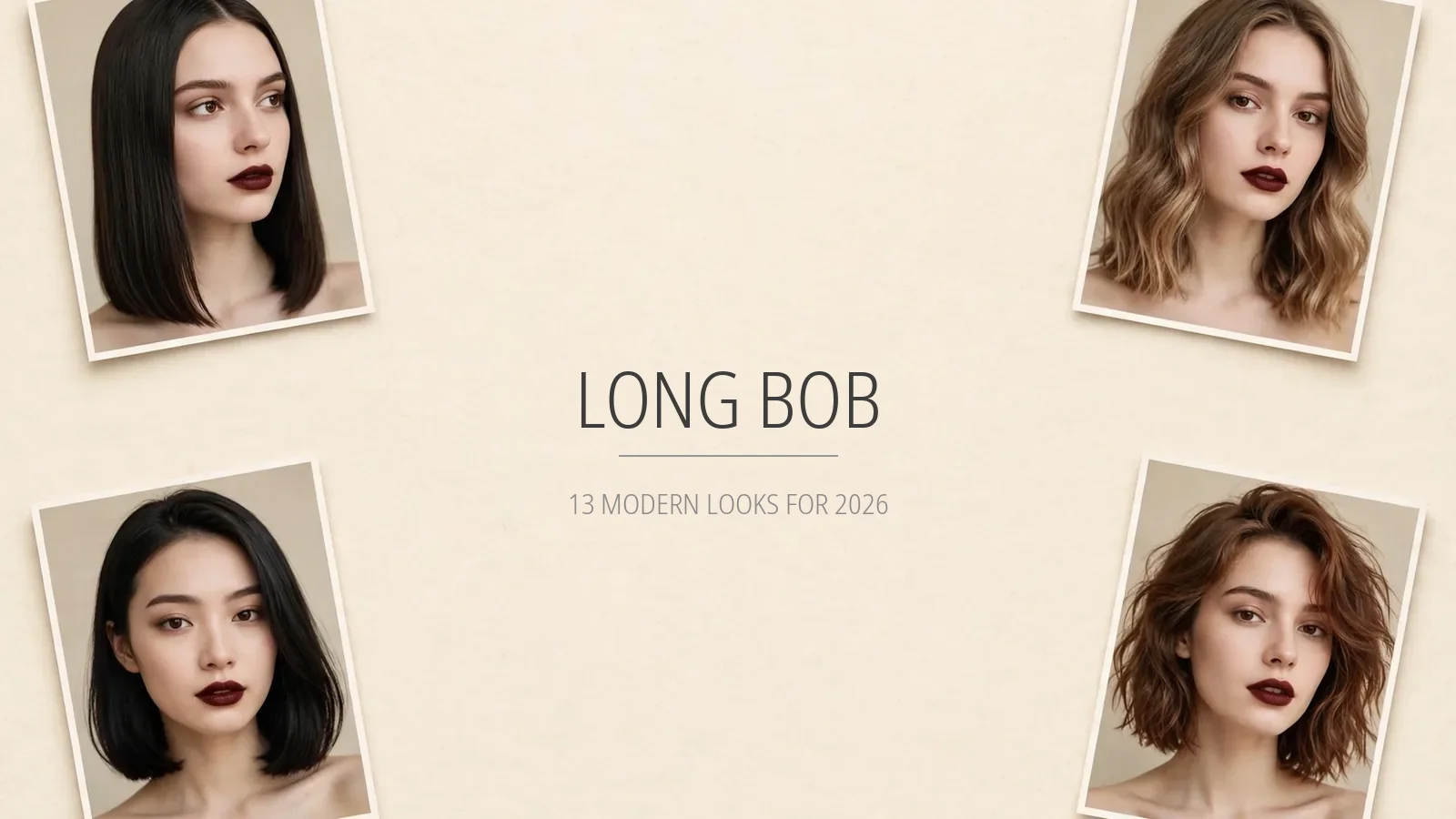
Long Bob – 13 Modern Looks That Work on Real Hair
Everyone calls the lob the “effortless” haircut — the one you can wake up in and still look polished. And honestly, a great long bob really can be that low-maintenance. But here is what nobody tells you: the line between a sharp, expensive-looking lob and a shapeless grown-out bob is about half an inch and the right layering technique. Pick the wrong length for your face shape, or ask for layers when your hair needed weight, and the “effortless” cut turns into the one you hide in a bun for six weeks.
The fix is matching the lob to your hair, not the trend. Below are 13 long bob looks that actually work on real hair — thin, thick, straight, wavy, and curly — with honest notes on upkeep, grow-out, and exactly what to tell your stylist so you leave the chair with the cut you pictured.
In This Guide
Long Bob Looks Worth Booking
1. Blunt Collarbone Lob
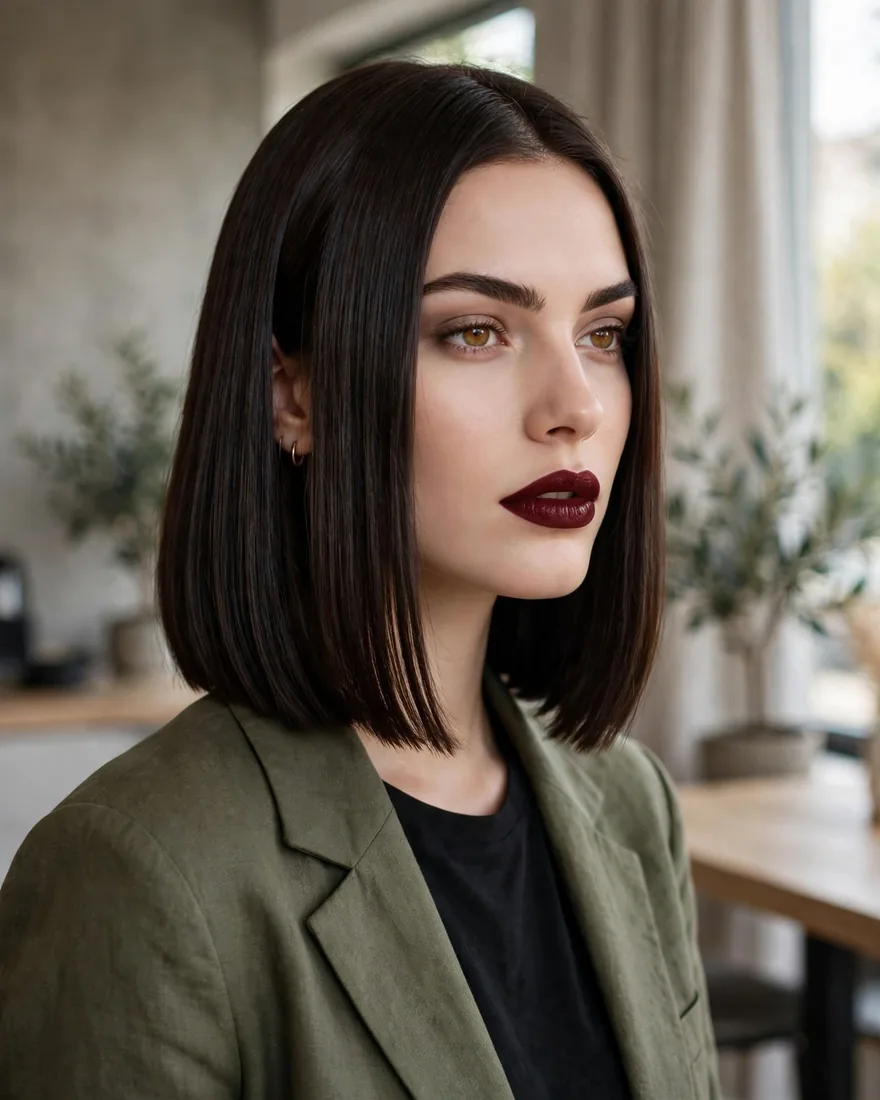
The blunt collarbone lob is the long bob in its purest form — one clean line, zero layers, sitting right at the collarbone. It reads polished and expensive because the blunt ends make hair look thicker than it is. This is the cut that made the lob famous, and it is still the most requested version for a reason.
Benefits:
- Makes fine hair look visibly thicker — the blunt perimeter creates a solid, heavy edge
- Grows out gracefully for the first 8 weeks before needing a reshape
- Works with almost any parting — center, side, or deep side
Pro Tip: Ask your stylist to cut it dry, or at least check the line when dry. Wet hair springs up, and collarbone length on damp hair can end up closer to chin length once dry — especially on wavy hair.
How To Style: Blow-dry smooth with a paddle brush, tucking the ends slightly under. For a lived-in finish, add two loose bends with a flat iron through the mid-lengths only and leave the ends straight.
Best For: Straight to slightly wavy hair, fine to medium density. Oval, heart, and long face shapes wear this lob best — the length draws the eye down without widening the cheeks.
2. Choppy Layered Lob
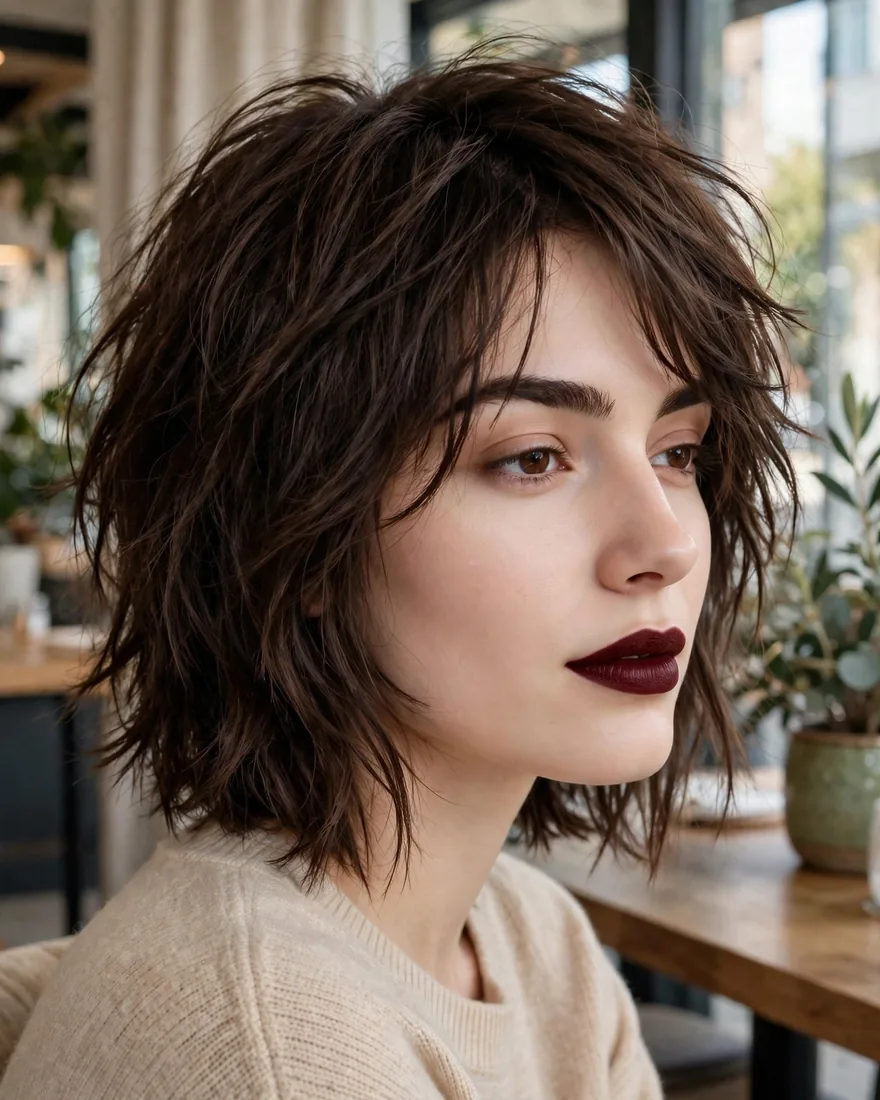
Where the blunt lob is polished, the choppy layered lob is its cooler younger sister — shattered ends and interior texture that give the long bob movement without taking away length. The layering sits through the bottom third, so the shape stays full while the ends flip and bend naturally.
Benefits:
- Removes bulk from thick hair so the lob does not puff out at the ends
- Air-dries beautifully — the texture does the styling for you
- Softens strong jawlines and square faces
Pro Tip: Texture should be point-cut, not thinned with shears. Thinning shears remove too much weight and leave wispy ends that frizz. If your stylist reaches for thinning shears on fine hair, say no — similar texture-first thinking applies to choppy bob hairstyles too.
How To Style: Scrunch a pea-sized amount of texturizing cream into damp hair and let it air-dry, or rough-dry with your fingers for extra separation. A 1-inch curling wand through random sections adds lived-in bends. For more on cutting techniques that create this texture, see the guide to razor cut bob styles.
Best For: Medium to thick hair that needs debulking. Round and square faces — the piecey ends break up width. Fine hair should keep this lob minimal or skip it: too much choppiness makes thin ends look sparse.
3. A-Line Lob
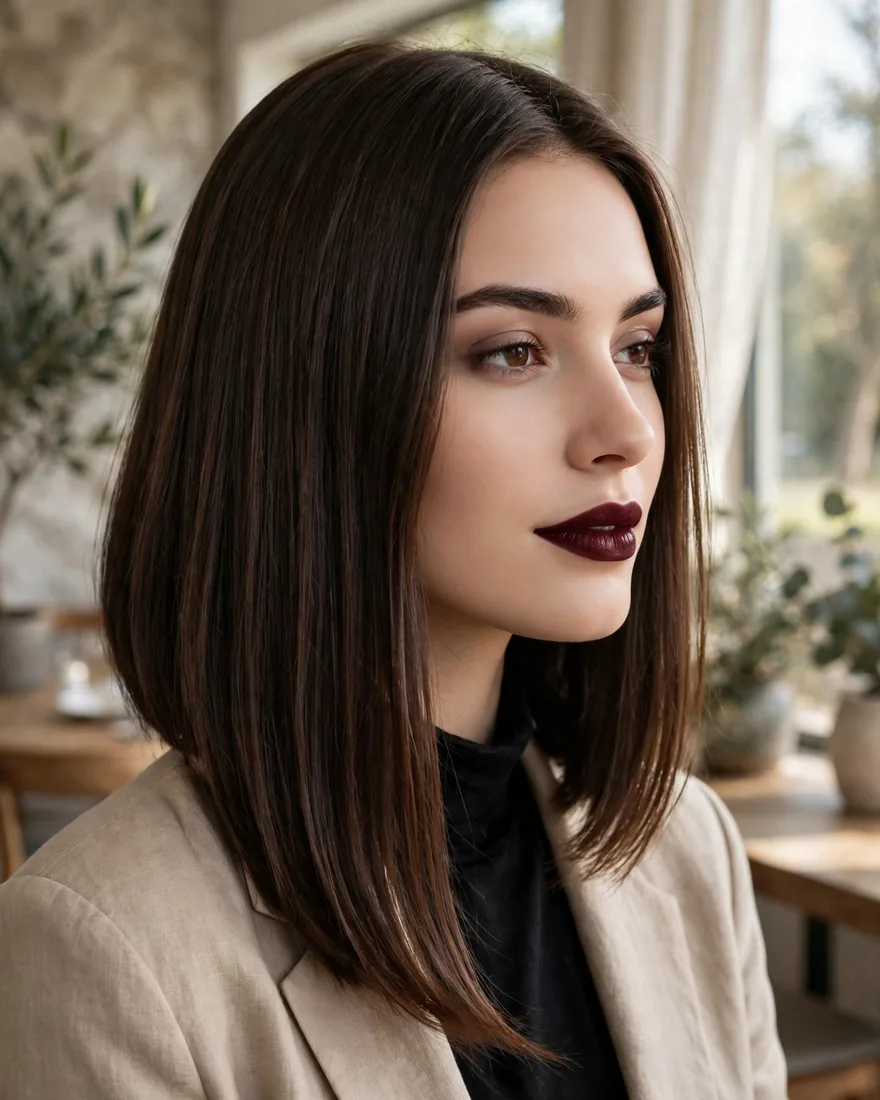
The A-line lob is cut shorter at the back and longer at the front — usually an inch or two of difference — which gives the long bob built-in swing. Every time you turn your head, the front pieces move, which is why this cut photographs so well.
Benefits:
- Creates the illusion of cheekbones — the angled front frames the face
- Hides imperfections at the nape, including cowlicks and uneven growth
- Reads dressier than a one-length lob with zero extra styling
Pro Tip: The angle is everything: more than two inches of difference tips into dated territory. Ask for a “soft A-line, about an inch and a half longer in front” for a modern take on this lob.
How To Style: Blow-dry with a round brush, directing the front pieces forward and under. Finish with a shine serum on the ends — the angle catches light, and the gloss sells the cut. It pairs well with the polished aesthetic of old money bob styling.
Best For: Straight hair shows the angle cleanest. Round faces love this long bob because the longer front pieces slim the cheeks. Avoid it if you have a very long face, since the forward length adds to it.
4. Graduated Lob
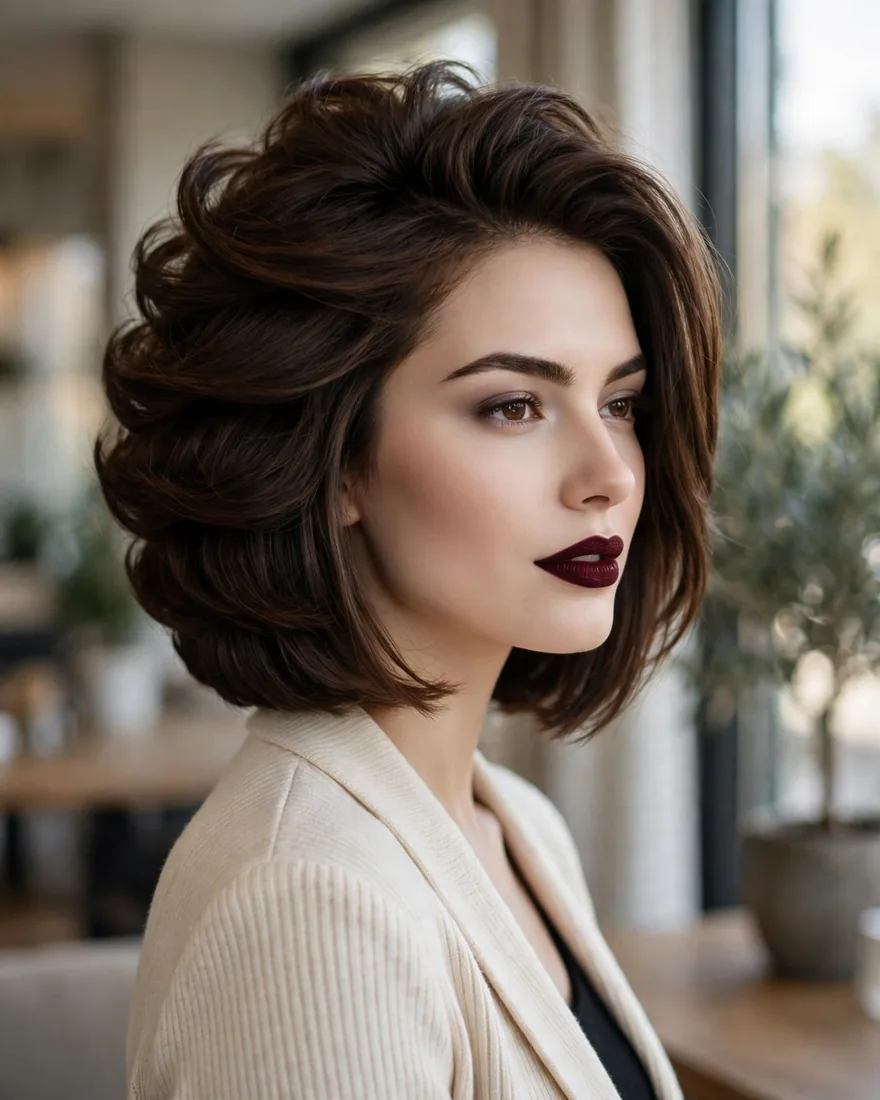
The graduated lob stacks weight at the back through subtle layering, giving the long bob lift and a rounded silhouette. It is the closest thing to a wash-and-go cut in the lob family — the shape is built into the architecture, not the styling.
Benefits:
- Gives fine hair the appearance of volume at the crown
- The stacked back means the cut holds its shape longer between trims
- Flatters shorter necks — the graduation lifts everything visually upward
Pro Tip: Graduation and stacking sound the same but are not. Ask to see how the layers sit before your stylist finishes. Too much stacking turns a lob into a bob with a mullet, so request “soft graduation, no visible steps.”
How To Style: Blow-dry the crown up and away from the head with a round brush for lift. The back practically styles itself; focus your effort on smoothing the longer front sections.
Best For: Fine to medium hair that falls flat. Oval and heart faces. Thick, coarse hair can fight the graduation — this lob needs a stylist who dry-cuts to control bulk on dense hair.
5. Stacked Lob
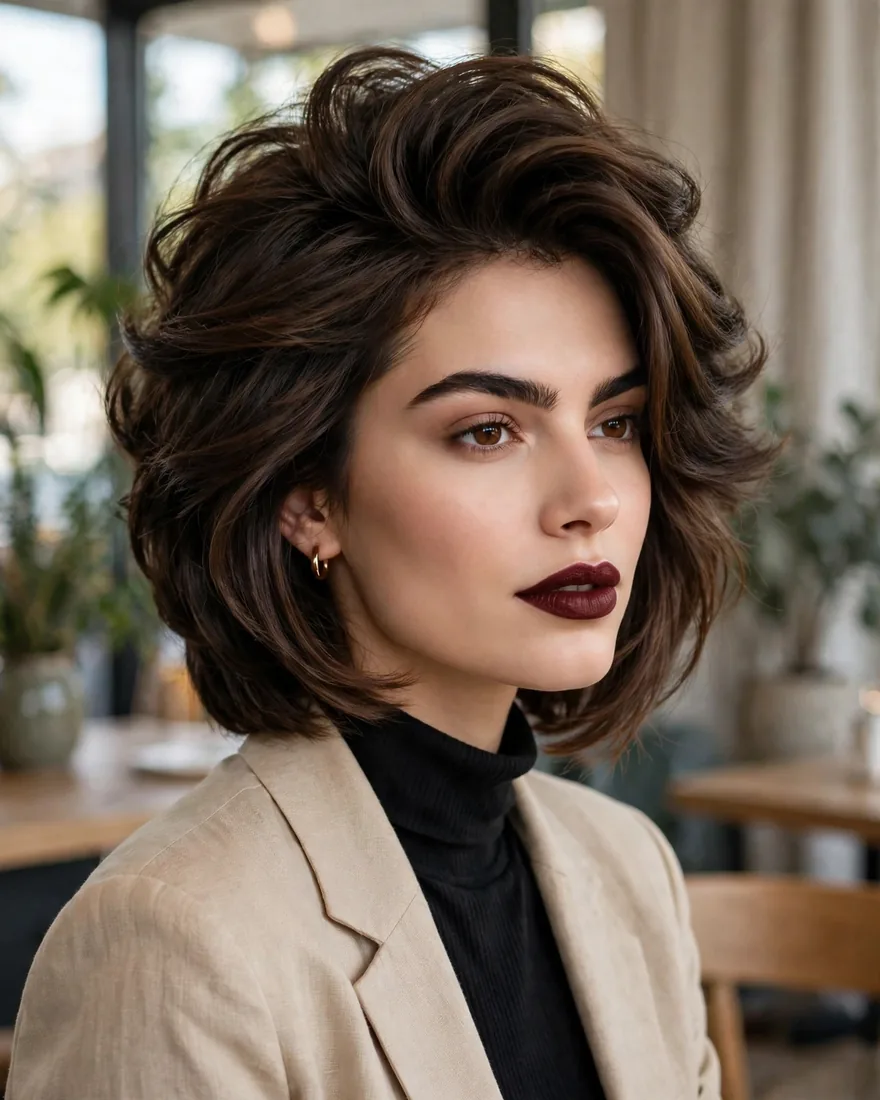
A close cousin of the graduated cut, the stacked lob leans harder into back volume — shorter layers stacked at the nape with length kept through the front. It is a statement long bob with vintage roots, and on the right person it looks incredibly chic.
Benefits:
- Dramatic volume at the back without teasing or product
- The contrast between the stacked back and long front elongates the neck
- Holds curl and wave exceptionally well — the layers give heat styling something to grip
Pro Tip: This is a commitment cut: the stacked back grows out into a shelf if you skip trims. Only book this lob if you will return every 6 to 8 weeks, or ask for a softer version that grows out more forgivingly.
How To Style: Round-brush the back sections under for that signature curve, then smooth the front. A light volumizing mousse at the roots before drying makes the stacking pop.
Best For: Straight, medium-density hair. Best on oval and long faces — the back height balances proportions. Round faces should be cautious: back volume plus round cheeks can widen the silhouette.
6. Wavy Textured Lob
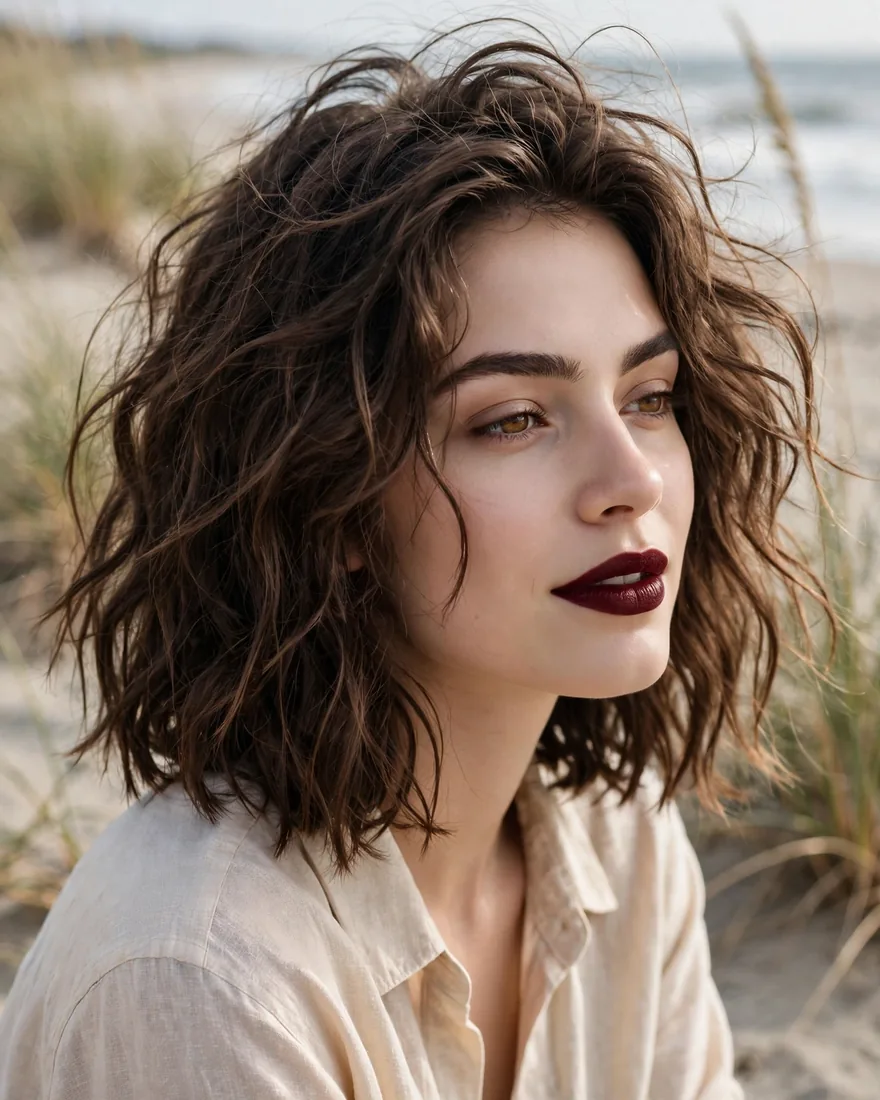
The wavy textured lob is the long bob most people picture when they say “lob” — shoulder-grazing length with tousled, undone waves. It is the red-carpet version of bedhead, and it works because the cut is engineered to look better slightly messy.
Benefits:
- The most forgiving long bob — second-day hair often looks better than fresh
- Camouflages frizz and uneven texture instead of fighting it
- Universally flattering; the waves soften every face shape
Pro Tip: The secret is varying the curl direction: alternate each section toward and away from the face. Uniform curls read “done”; alternating reads expensive and effortless.
How To Style: On damp hair, apply a salt spray or wave mousse, twist two-inch sections away from the face, and diffuse or air-dry. Break up the waves with your fingers — never a brush.
Best For: Naturally wavy or wavy-straight hair. All face shapes. This lob is also the kindest to growing-out color, since the texture hides root lines beautifully.
7. Beach Wave Lob
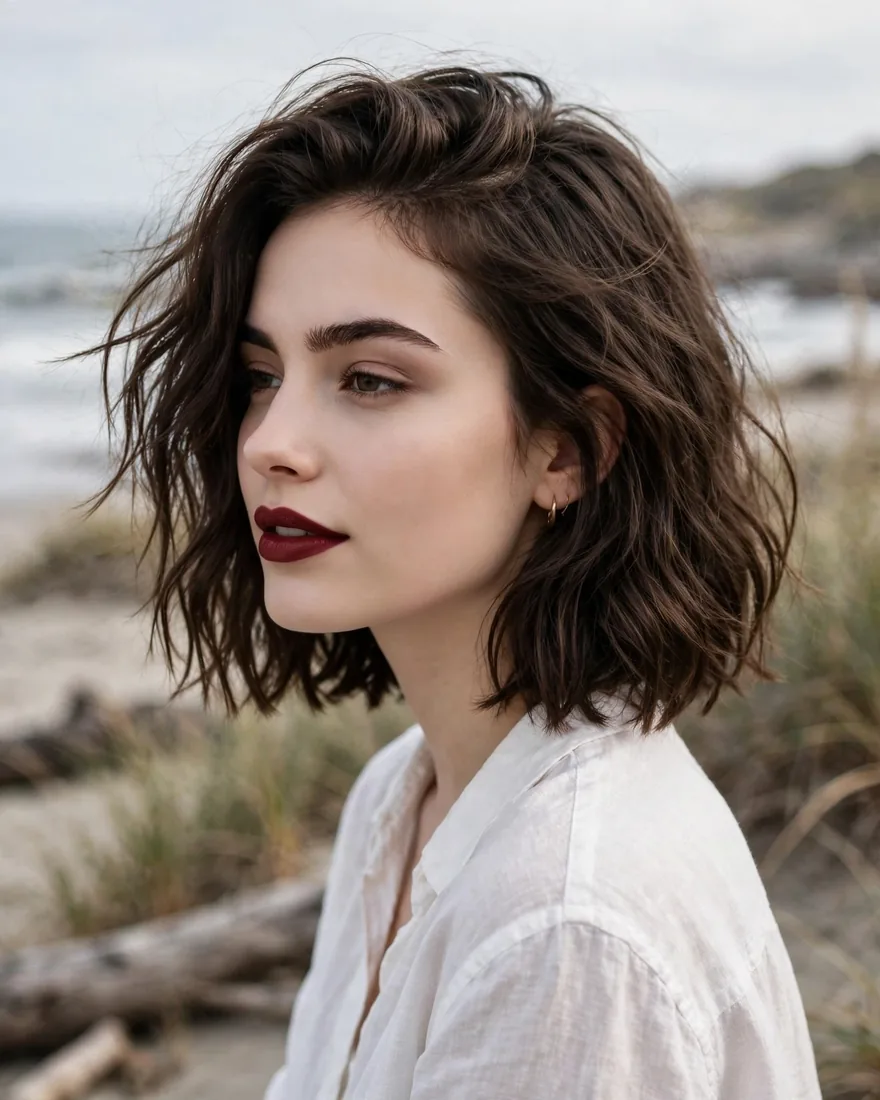
Sister to the wavy textured lob but looser and more sun-kissed, the beach wave lob pairs soft bends with lived-in color. It is a vibe as much as a cut — the long bob version of a two-week holiday.
Benefits:
- Looks intentional even when you do nothing — the ultimate low-effort cut
- Pairs beautifully with balayage and lived-in blondes
- The soft bends slim the face without any contouring
Pro Tip: Beach waves need grit to hold — squeaky-clean hair will not wave. Style on day-two hair, or add dry shampoo at the roots before waving for grip.
How To Style: Wrap 1.5-inch sections around a large-barrel wand, leaving the ends out, and pull the curl down while it is warm to loosen it. Finish with a texturizing spray, not hairspray.
Best For: Medium to thick hair that holds a wave. Round, square, and heart faces — the loose width at the cheeks balances narrower chins and wider foreheads. This lob loves texture.
8. Sleek Side-Part Lob
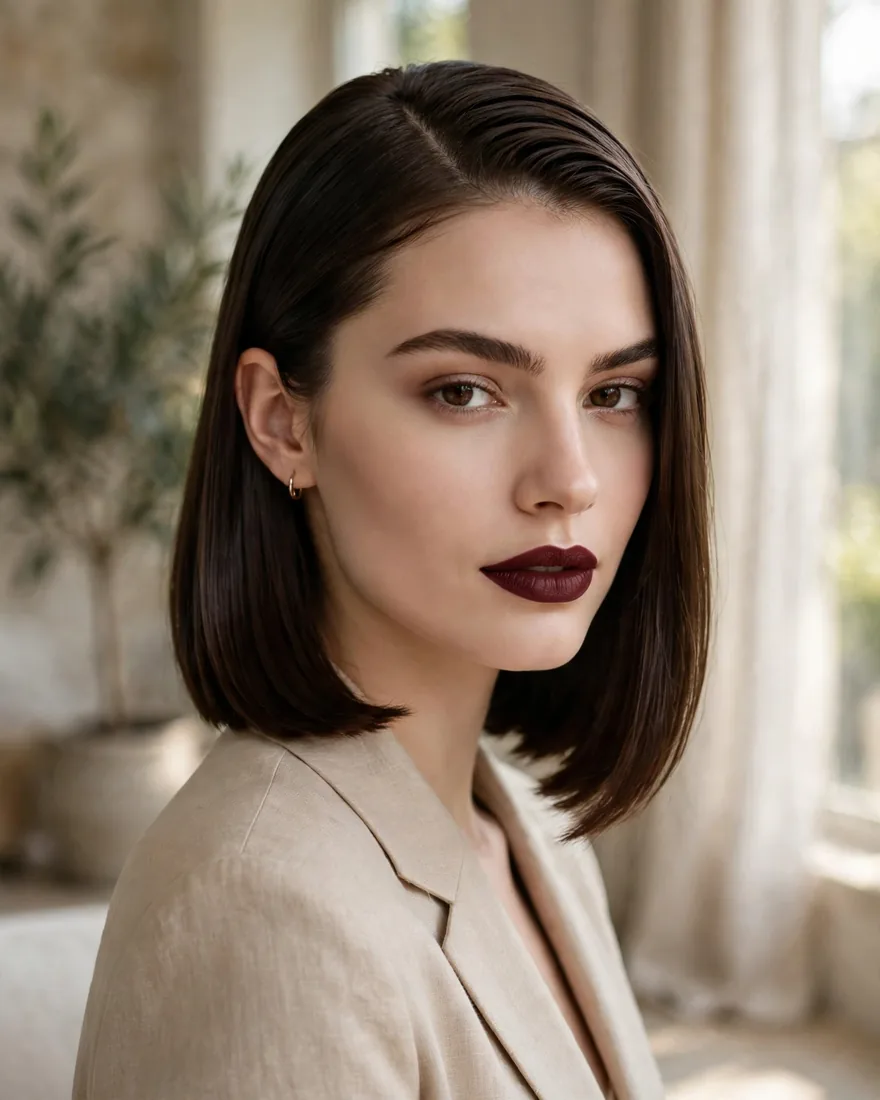
The sleek side-part lob is pure polish: glassy-smooth, deep side part, ends tucked or flipped with intention. It is the boardroom long bob — the one that says you have your life together even when you do not.
Benefits:
- The side part adds instant volume at the crown for fine hair
- Reads formal with zero accessories — perfect for events and interviews
- Makes thin ends look intentional and sharp
Pro Tip: The part placement matters more than the cut. Try the arch of your eyebrow as the part line. Too deep and it collapses; too shallow and it reads as an accident.
How To Style: Blow-dry smooth with a paddle brush, then flat-iron in small sections for that glass finish. A pea-sized drop of smoothing oil on the ends kills flyaways without weighing hair down.
Best For: Straight, fine to medium hair. Oval, heart, and diamond faces — the asymmetry flatters. Very curly hair will fight the sleekness daily; this lob is a styling commitment for textured hair.
9. Lob With Curtain Bangs

Curtain bangs turn the long bob into a face-framing event — soft, parted fringe that blends into the length. It is the most requested bang style of the decade for a reason: it grows out into layers instead of an awkward phase.
Benefits:
- The bangs grow out seamlessly — no commitment panic at week six
- Frames the eyes and cheekbones, drawing attention upward
- Adds softness to strong features without full-fringe maintenance
Pro Tip: Curtain bangs must be cut dry, or at least checked dry — wet fringe shrinks up to an inch. Ask your stylist to cut them longer than you think; you can always take more off.
How To Style: Blow-dry the bangs forward with a small round brush, then split them with your fingers. A tiny bend away from the face on each side gives the signature curtain sweep.
Best For: All hair types — this is the most democratic lob. Especially good for long and oval faces, since it shortens the forehead visually, and for anyone growing out old bangs.
10. Lob With Blunt Bangs
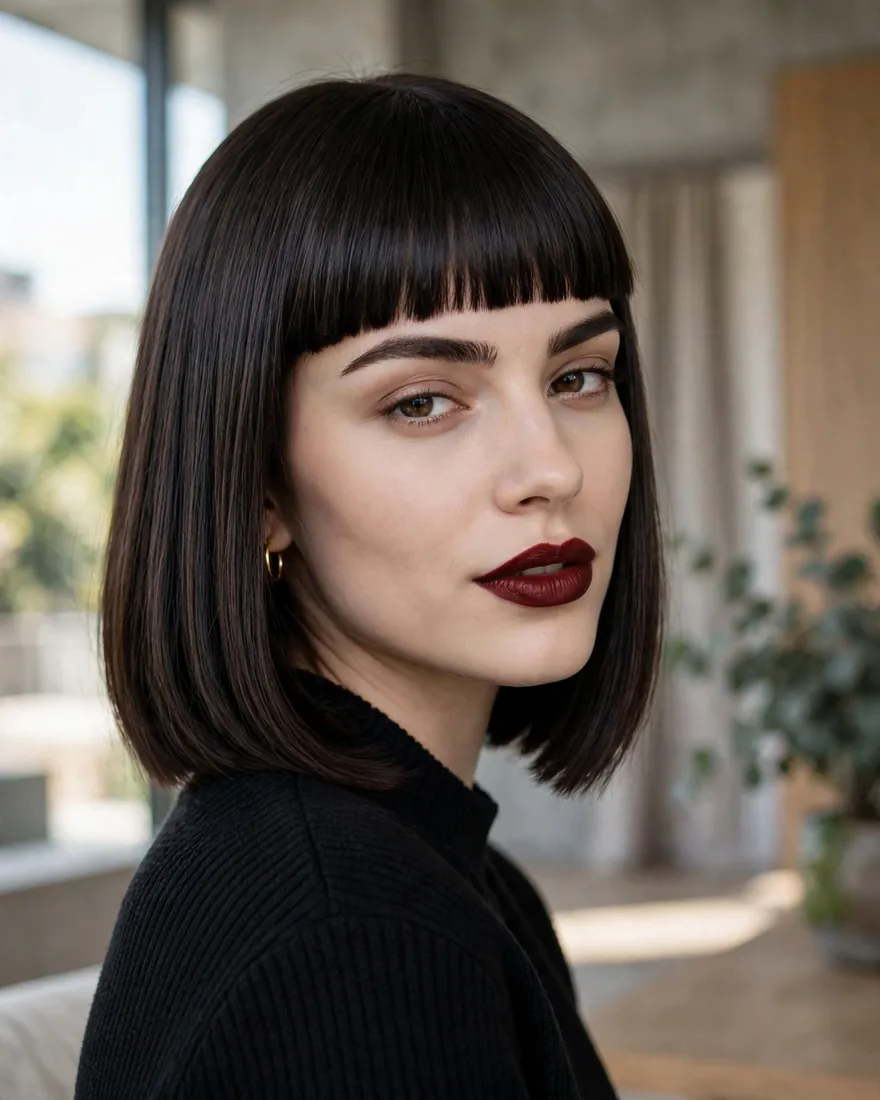
Blunt bangs on a lob are a statement: sharp fringe, sharp perimeter, zero apologies. This long bob has editorial energy — it is the cut fashion people get when they want to be noticed.
Benefits:
- Instantly updates a grown-out lob without changing the length
- Makes the eyes the focal point — great if you love eye makeup
- The geometry hides forehead lines and adds edge to soft features
Pro Tip: Blunt bangs need trims every 3 to 4 weeks to stay sharp. Budget for bang trims between full cuts, or learn to dust them yourself with the point-cutting technique.
How To Style: Blow-dry bangs straight down with a paddle brush immediately after washing — let them air-dry and they will kink. Flat-iron the fringe in one pass for glassy precision.
Best For: Straight, thick hair that holds a line. Oval and long faces carry blunt fringe best. Round faces and very curly hair should think twice — blunt bangs can widen, and the curl pattern fights the line of this lob.
11. Lob With Face-Framing Layers
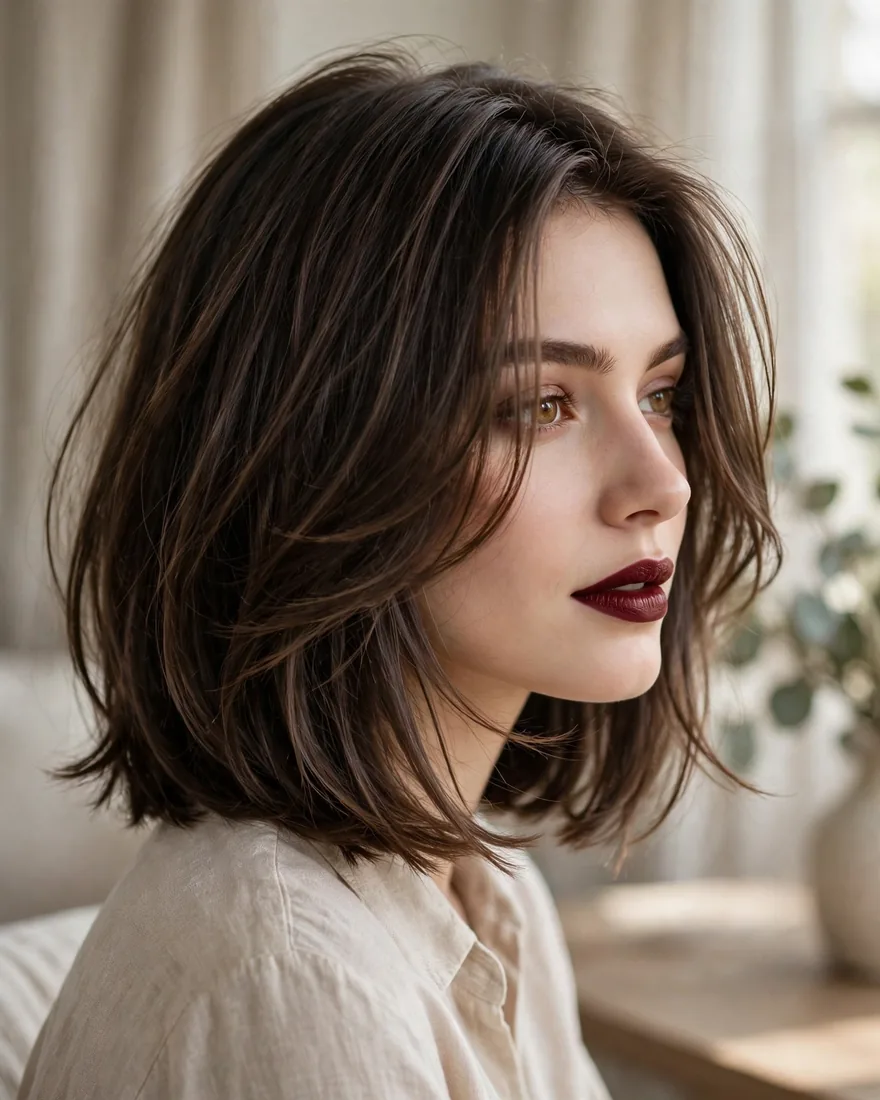
Face-framing layers are the quiet luxury of the lob world — subtle, chin-grazing pieces that open up the face without reading as “layers.” This long bob looks like great genetics rather than a great haircut.
Benefits:
- Softens the grow-out — the pieces blend as the cut gets longer
- Adds movement without sacrificing the blunt perimeter’s thickness
- Photographs beautifully; the pieces catch light around the face
Pro Tip: Ask for “face-framing starting at the chin, blended — not disconnected.” Disconnected pieces look chunky on fine hair; blended layers disappear into the cut.
How To Style: Blow-dry the front pieces away from the face with a round brush for a soft flip, or tuck them behind the ears for a sleeker look. They also pin back beautifully for updos.
Best For: Every hair type and density — this is the safest lob upgrade. Particularly flattering on square and heart faces, where the soft pieces balance stronger lines.
12. Feathered Lob
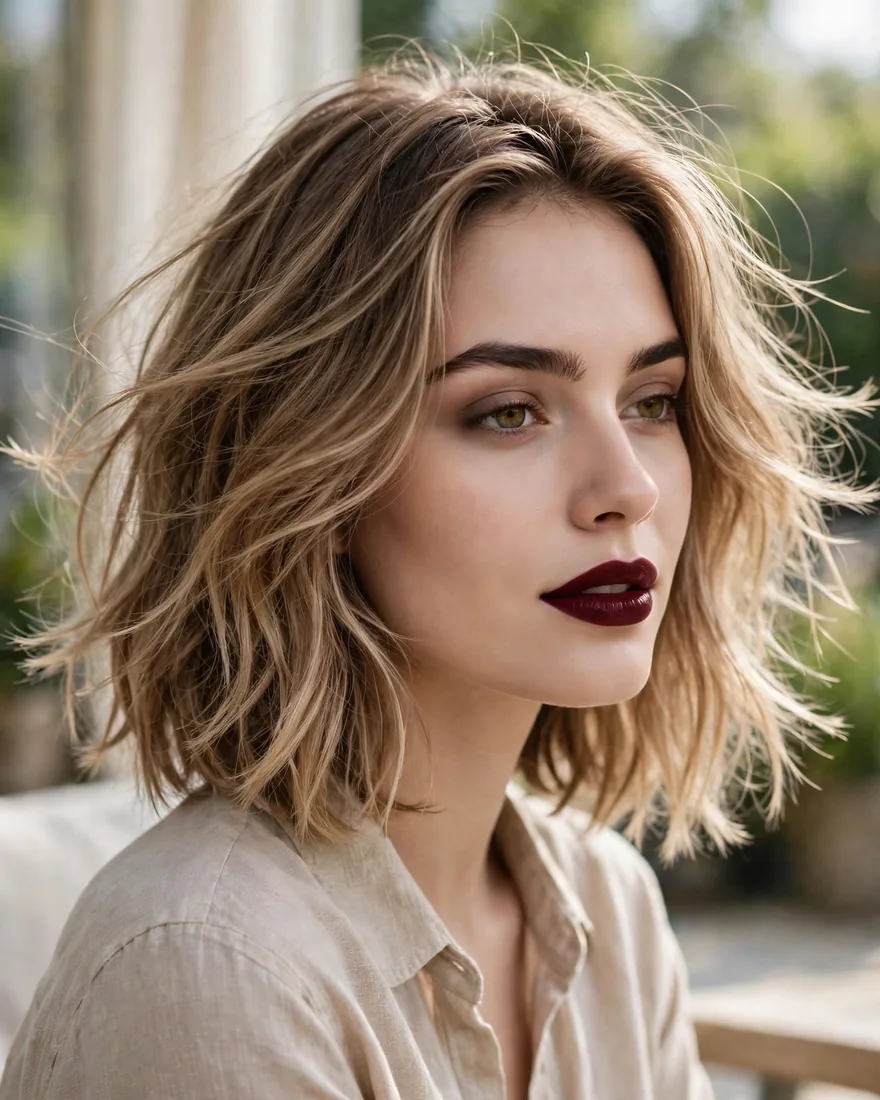
The feathered lob brings back the 70s with soft, airy layers that flick outward — think Farrah Fawcett grown up and modernized. This long bob moves constantly, which makes it look fuller than it is.
Benefits:
- The flicked layers create width and bounce — a volume trick for fine hair
- Retro without costume: modern feathering is softer than the original
- Works with natural texture — the flicks enhance wave patterns
Pro Tip: Feathering needs a razor or very sharp shears and a stylist who understands the technique. Bad feathering looks choppy; good feathering looks like wind. Check their portfolio for layered cuts first.
How To Style: Blow-dry with a round brush, flicking the ends outward — yes, outward, against instinct. A light-hold hairspray keeps the flicks without crunch.
Best For: Fine to medium hair that needs movement. Oval, heart, and long faces. Very thick hair can look triangular with feathering unless the interior of this lob is properly debulked.
13. Asymmetrical Lob
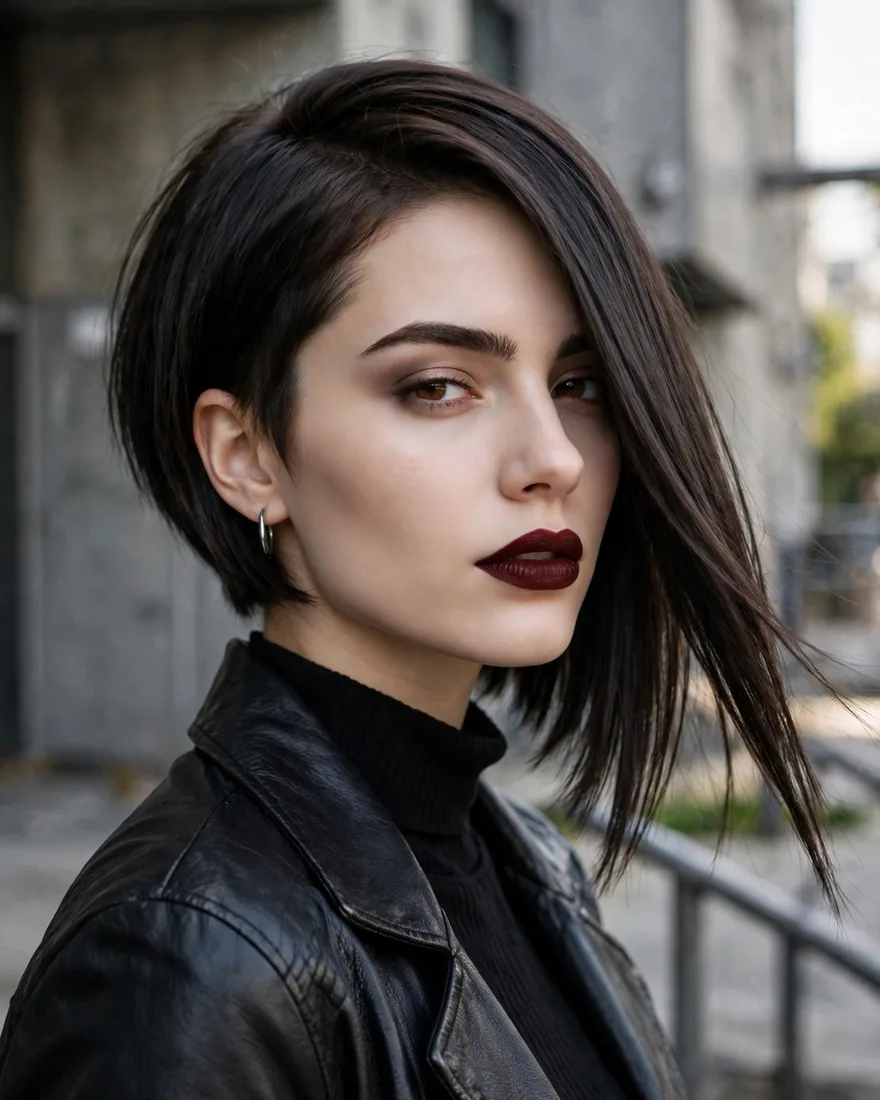
The asymmetrical lob — longer on one side, shorter on the other — is the edgiest long bob on this list. The uneven line creates drama and movement, and it is the cut most likely to get you stopped on the street.
Benefits:
- The asymmetry slims and sculpts — one side always falls forward to frame the face
- Hides thin spots: the longer side can cover finer areas
- Grows out interestingly — the asymmetry softens into an A-line over time
Pro Tip: The difference should be visible but wearable — one to two inches maximum. More than that and styling the short side becomes a daily battle. Ask your stylist to show you the line before they cut.
How To Style: Embrace the drama: blow-dry smooth and tuck the short side behind the ear to show off the difference. A deep side part on the long side maximizes the effect.
Best For: Straight hair shows the line best. Round and square faces — the diagonal line breaks up symmetry beautifully. This lob has opinions, so conservative workplaces might raise an eyebrow.
How the 13 looks compare at a glance:
| Look | Best Face Shape | Upkeep Level |
|---|---|---|
| Blunt Collarbone Lob | Oval, heart, long | Low — trim every 10–12 weeks |
| Choppy Layered Lob | Round, square | Low — texture hides growth |
| A-Line Lob | Round | Medium — angle needs reshaping |
| Graduated Lob | Oval, heart | Medium — trim every 8–10 weeks |
| Stacked Lob | Oval, long | High — trim every 6–8 weeks |
| Wavy Textured Lob | All face shapes | Low — waves hide everything |
| Beach Wave Lob | Round, square, heart | Low — undone is the point |
| Sleek Side-Part Lob | Oval, heart, diamond | Medium — daily smoothing |
| Lob With Curtain Bangs | Long, oval | Low — bangs grow out into layers |
| Lob With Blunt Bangs | Oval, long | High — fringe trims every 3–4 weeks |
| Lob With Face-Framing Layers | Square, heart | Low — pieces blend as they grow |
| Feathered Lob | Oval, heart, long | Medium — flicks need refreshing |
| Asymmetrical Lob | Round, square | Medium — line softens with growth |
How to Choose the Right Long Bob
Choosing a long bob starts at the consultation, not the chair. Bring photos of the front, side, and especially the back of the cut — stylists need the back view to understand the shape, and most reference photos only show the front. Then use concrete language instead of vibes: “collarbone length, blunt ends, no thinning shears” beats “something low-maintenance” every time. Mention your real styling routine honestly. A wash-and-go person needs a different lob than someone who heat-styles daily, and your stylist can only build the right architecture if they know the truth.
Face-shape matching is simpler than the charts make it look. Round faces want length in front — A-line, asymmetrical, or face-framing versions that slim the cheeks. Long faces want width — wavy, feathered, or curtain-bang lobs that add horizontal volume. Square faces want softness — choppy, textured, or face-framing pieces that break up strong lines. Oval faces can wear nearly any long bob on this list. If you are between face shapes, default to the version with the most texture: it flatters everyone.
Density and texture decide the daily routine. Thin hair should stay close to blunt — a blunt collarbone lob or sleek side-part lob with minimal layering, washed with lightweight products and blow-dried smooth. Thick hair needs the opposite: choppy, feathered, or graduated versions that remove bulk, styled with texturizing cream on damp hair. Curly hair needs a dry cut from a curl specialist and long layers, never short ones. The right lob is the one built for your hair’s reality, not your Pinterest board.
For related lengths, compare the shoulder length hair guide if you are deciding between a lob and something longer, or the short hair guide if you are tempted to go shorter — the lob sits in the sweet spot between the two.
How a Long Bob Grows Out (and What to Do About It)
A long bob has an honest grow-out window: about 8 to 12 weeks before the ends lose their shape. Blunt and A-line versions show it first — the crisp line goes soft around week 8. Textured, wavy, and feathered lobs hide growth the longest, often looking fine at week 12. The tell is always the ends: when they start flipping outward on their own or the shape looks bottom-heavy, it is time for a reshape, not a full recut. A dusting of the ends every couple of months keeps any lob looking intentional.
The ponytail question deserves honesty. A collarbone-length lob usually makes a full ponytail — but the nape hairs are often too short to reach, so expect a few escapees. Bobby pins or a low, loose style hides them. Shorter lobs work better in half-up styles, claw clips, and low buns where the nape pieces can stay down naturally. If updos are a daily need, keep your long bob at true collarbone length or longer, and tell your stylist so they leave the nape slightly fuller.
Color pairings keep a growing lob looking dimensional instead of flat. Lived-in balayage and soft root melts are the best friends of the lob — they stretch the time between salon visits and the texture of most lob cuts hides regrowth lines. All-over dark color on a blunt lob looks striking but shows every millimeter of growth, so it pairs best with a standing trim appointment. If you are growing out old highlights, the wavy textured lob is the most forgiving canvas while the color transitions.
See how the lob compares to its shorter cousin in the bob haircuts guide — the grow-out math changes completely once the length drops above the chin.
Lob Mistakes That Cost You the Shape
The most expensive lob mistake is over-layering. Layers are not automatically good — on fine hair, too many layers remove the very weight that makes a long bob look thick, leaving wispy ends that frizz and tangle. The rule: if your hair is fine, layers should live only in the bottom third and be cut with a point-cutting technique, never thinning shears. If your hair is thick, layers are your friend, but they need to be interior and blended, not chunky surface layers that create ledges. When in doubt, ask for less layering than you think — your stylist can always add more, but they cannot put hair back.
The second mistake is wrong length for your face shape. A chin-grazing lob on a round face emphasizes width; a collarbone lob on a very long face adds length where none is needed. The fix is a half-inch adjustment, not a different cut — dropping the length to the collarbone slims a round face, while keeping it at the jaw with some width (waves, feathering, curtain bangs) shortens a long one. This is why the consultation photo matters more than the cutting technique: the length decision happens before the scissors come out.
The third mistake is skipping trims because “it still looks fine.” A long bob degrades gradually — you will not notice the shape slipping until it is gone. Blunt and geometric versions (blunt collarbone, A-line, asymmetrical) need reshaping every 8 to 10 weeks; textured versions stretch to 12. Put the trim on the calendar at the appointment, the way you would a dental cleaning. The layered haircut guide covers the same maintenance math in more detail — the principle is identical.
Long Bob FAQs
Is a long bob good for thin hair?
Yes — a long bob is one of the best cuts for thin hair, as long as you keep the ends blunt. Blunt perimeters make fine hair look thicker, while the collarbone length keeps weight from dragging it flat. Avoid heavy layering and thinning shears, which remove the very density you are trying to fake.
How often does a lob need trimming?
Every 8 to 12 weeks for most long bob styles. Blunt and A-line lobs show grown-out ends fastest, while textured and wavy versions can stretch to 12 weeks. Bangs are the exception — blunt fringe needs a dusting every 3 to 4 weeks to stay sharp.
Can a long bob work on curly hair?
Absolutely, but it needs a curly specialist. Curly lobs should be cut dry, curl by curl, because shrinkage means wet-cut length is a guess. Ask for long layers rather than short ones — short layers on curls create the dreaded triangle shape. Expect the dry length to sit 2 to 4 inches shorter than the wet cut.
What length is a lob exactly?
A lob — long bob — typically falls between the chin and the collarbone, most often grazing the collarbone or sitting just above the shoulders. Anything shorter is a bob; anything touching the shoulders or longer reads as medium-length hair. The sweet spot for most face shapes is right at the collarbone.
Does a lob suit a round face?
Yes, with the right version. Choose a long bob with length in front — like an A-line or asymmetrical lob — since longer front pieces slim the cheeks. Avoid chin-length blunt cuts and center parts, which emphasize width. A side part and some texture through the ends also help elongate a round face.
Can I tie a lob into a ponytail?
Mostly yes, with one honest caveat: the nape hairs are often too short to reach. A collarbone-length long bob usually makes a full ponytail, but expect a few escapees at the nape — bobby pins or a low, loose style hides them. Shorter lobs work better in half-up styles.
Lob vs bob — what is the difference?
Length and attitude. A bob sits at or above the chin; a lob falls between the chin and collarbone. The extra inches make the long bob more versatile — it ties back, takes waves better, and suits more face shapes. A bob is a statement; a lob is a statement you can still put in a ponytail.
How do I ask my stylist for a lob?
Bring photos of the front, side, and back — stylists need the back view to understand the shape. Use concrete language: collarbone length, blunt ends, no thinning shears, or soft A-line, about an inch longer in front. Mention your styling routine honestly; a wash-and-go person needs a different lob than a daily heat-styler.
The long bob earns its reputation as the most wearable haircut of the decade — but only when the version matches the hair. Pick your lob from the 13 above using your density, texture, and face shape as the filter, bring the right language to your stylist, and keep the trim schedule. Do that, and the “effortless” cut actually becomes effortless.