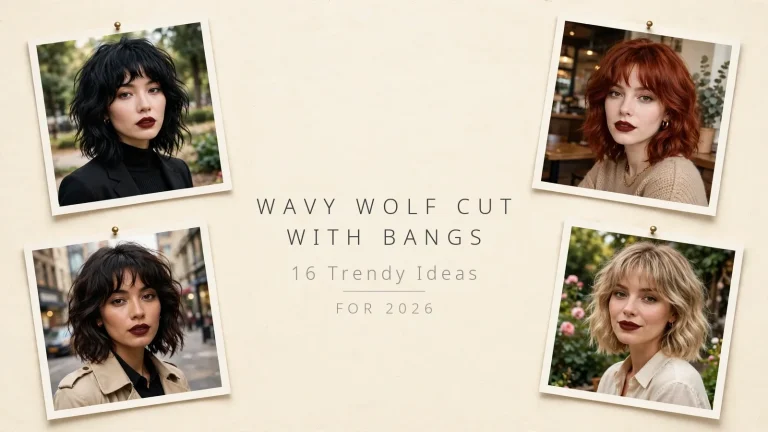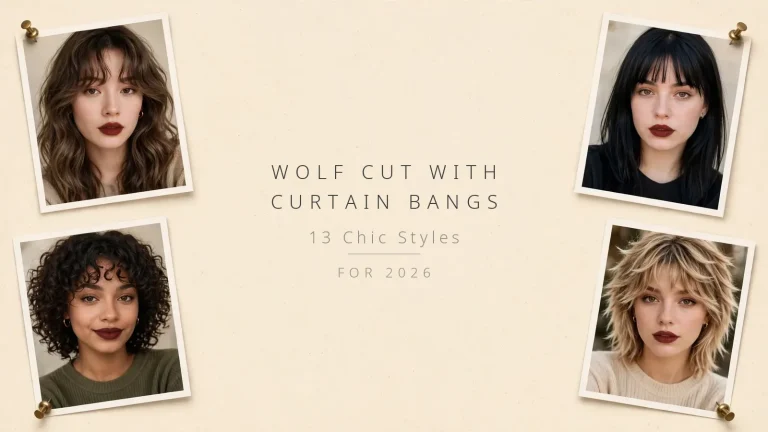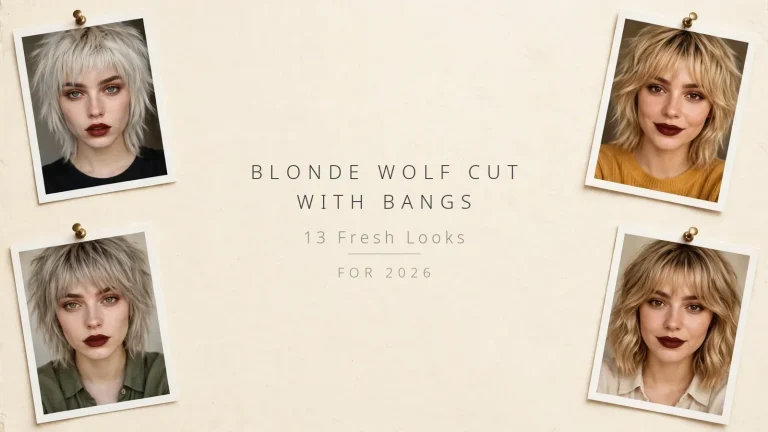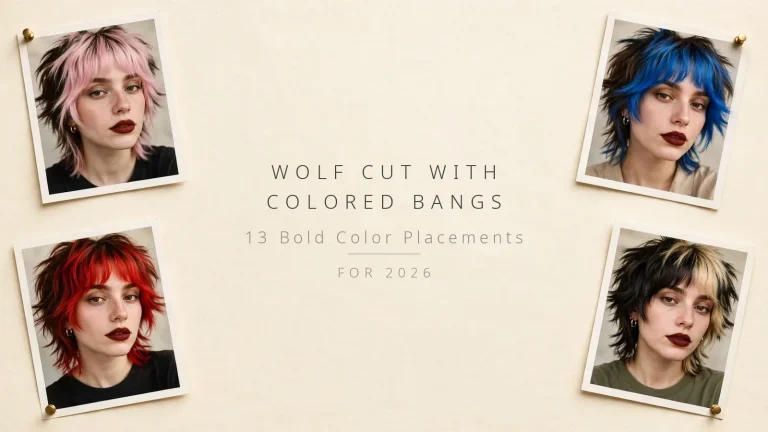
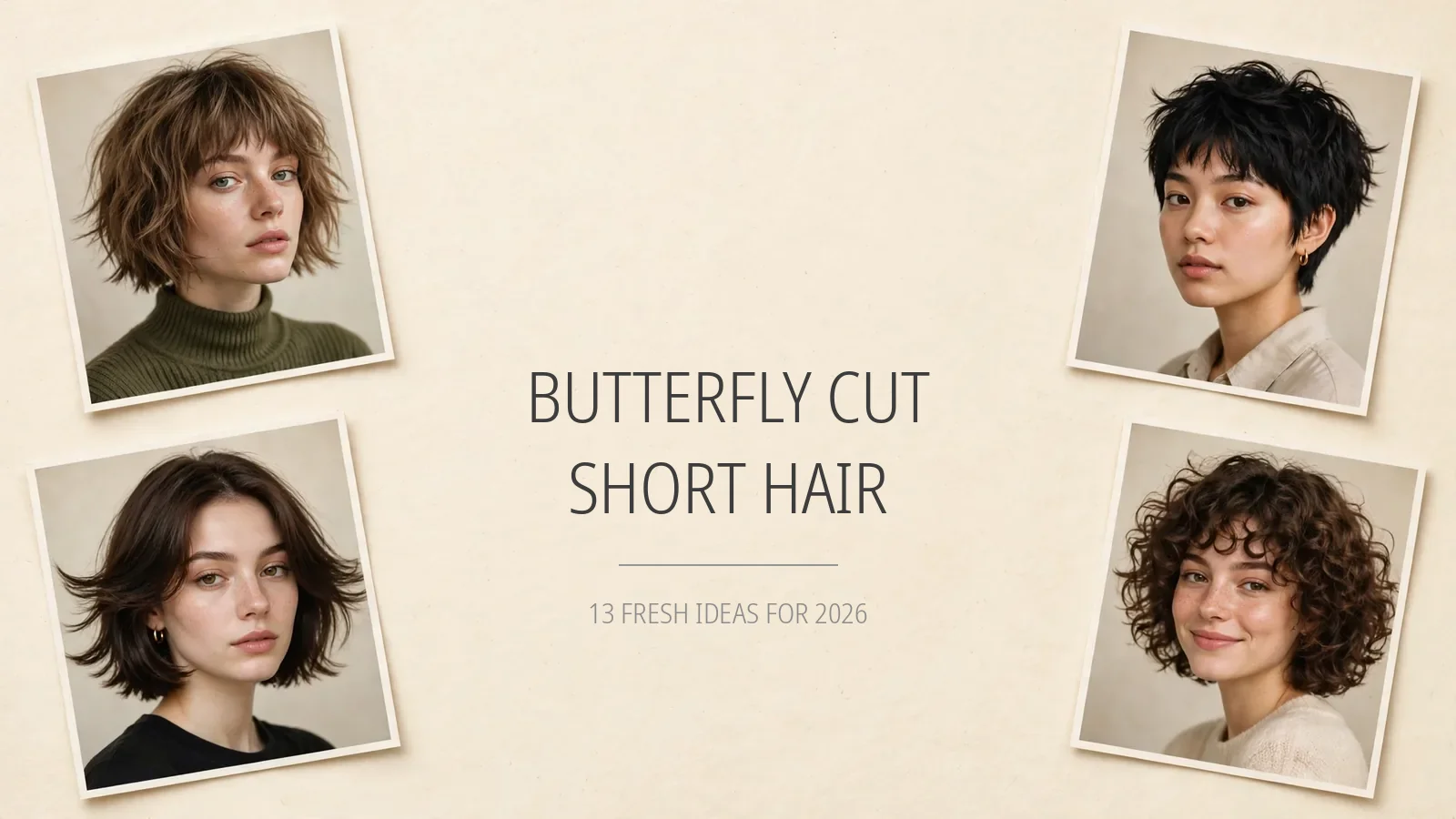
Butterfly Cut Short Hair – 13 Fresh Ideas for 2026
You have watched the butterfly cut take over your feed — those wing-like face-framing layers that flip away from the cheek like a butterfly in flight — and probably thought: “gorgeous, but my hair barely reaches my jaw.” Here is what nobody told you: the butterfly cut was never about length. It is about the shape, and that shape works at chin length too. A butterfly cut short hair version keeps the signature flutter of short top layers peeling open over longer bottom lengths — and on short hair it can look even sharper: more deliberate, less drowned in layers, and far easier to style on a weekday morning.
This guide is for short-haired readers who refuse to sit out a trend: 13 genuinely distinct short butterfly cut styles — bobs, pixies, shags, and lob hybrids — each with honest notes on who it flatters, what it costs in daily styling, and where it fails. No filler, no padded counts. Just the short versions worth asking your stylist for.
Table of Contents
- 13 Short Butterfly Cut Styles Worth Trying
- 1. Choppy Butterfly Bob
- 2. Textured Pixie Butterfly
- 3. Sleek Winged Lob
- 4. Curtain-Bang Butterfly
- 5. Voluminous Short Butterfly
- 6. Beach-Wave Butterfly Lob
- 7. Shaggy Butterfly Pixie
- 8. Layered Wavy Bob
- 9. Curly Butterfly Lob
- 10. Feathered Bob with Full Bangs
- 11. Angled Butterfly Bob
- 12. Wavy Butterfly Shag with Micro Bangs
- 13. Fine-Hair Butterfly Bob
- How to Choose the Right Butterfly Cut for Your Face Shape and Hair Density
- What to Tell Your Stylist: Layer Lengths and Red Flags
- Daily Styling: A Realistic 5-Minute Volume Routine
- Frequently Asked Questions
- What exactly is the butterfly cut on short hair?
- Does the butterfly cut work on fine or thin hair?
- Can a butterfly cut work for curly hair?
- Will a butterfly cut suit a round face?
- How often does a butterfly cut need trims?
- Can I really style a butterfly cut in 5 minutes?
- Can I cut a butterfly cut myself at home?
- How do I ask my stylist for a butterfly cut?
13 Short Butterfly Cut Styles Worth Trying
1. Choppy Butterfly Bob
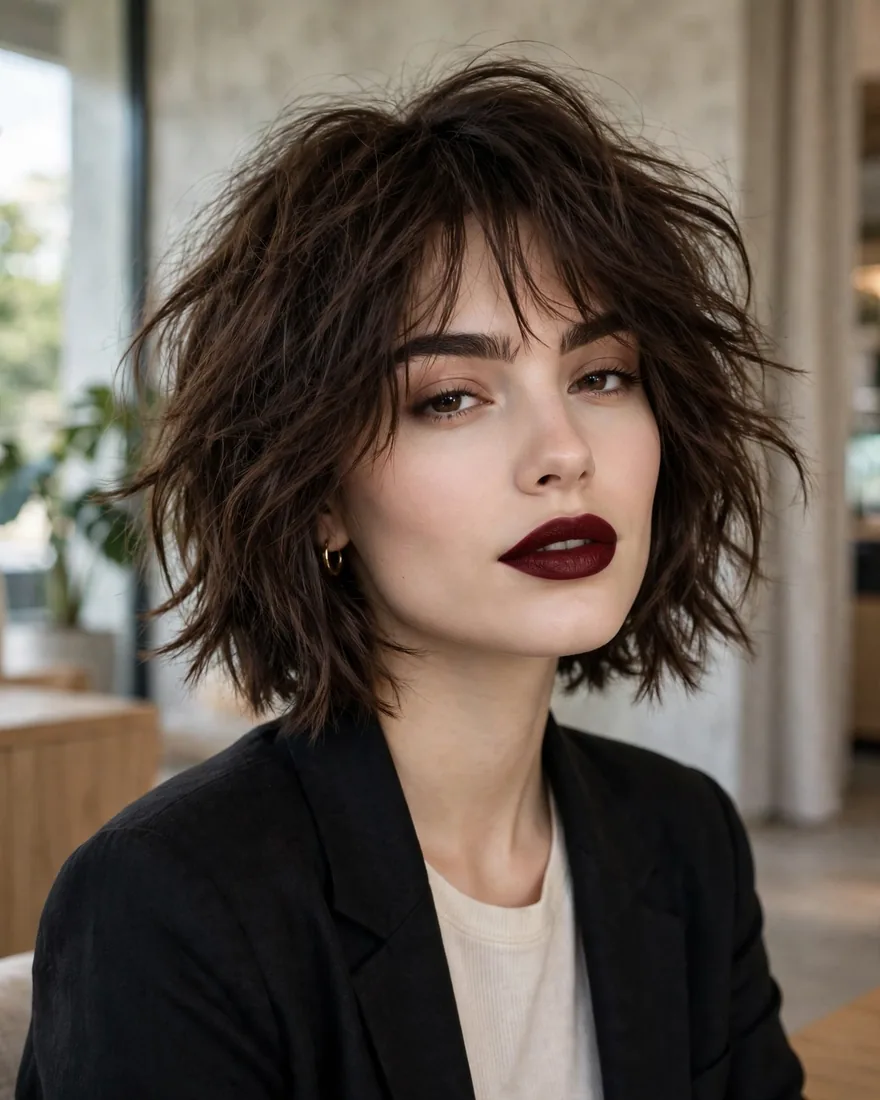
The most faithful translation of the butterfly cut to short hair: a chin-length base, crown layers cut noticeably shorter at jaw level, and point-cut ends that separate instead of clumping. When it moves, the top layers peel back and open like wings over a clean, blunt base — the short butterfly cut that reads “butterfly” most clearly from across the room.
- Maximum shape visibility: the choppiness makes the wing effect obvious even in flat lighting.
- Weight removal without length loss: thick hair keeps its chin-length base while the top layer thins the bulk.
- Graceful grow-out: both layers share one length family, so regrowth reads as a longer bob, not a mullet.
Pro Tip: Start the top layer no higher than the cheekbone. You can go shorter next time — a too-short first attempt is a three-month regret.
How To Style: Round-brush blow-dry, rolling face-framing pieces outward. Pinch a dime of texturizing paste into the top layers to separate the wings.
Best For: Oval and heart faces; medium to thick density. Very fine hair can look stringy — idea #13 is the safer bet. See also long bob haircuts if you grow it out.
2. Textured Pixie Butterfly
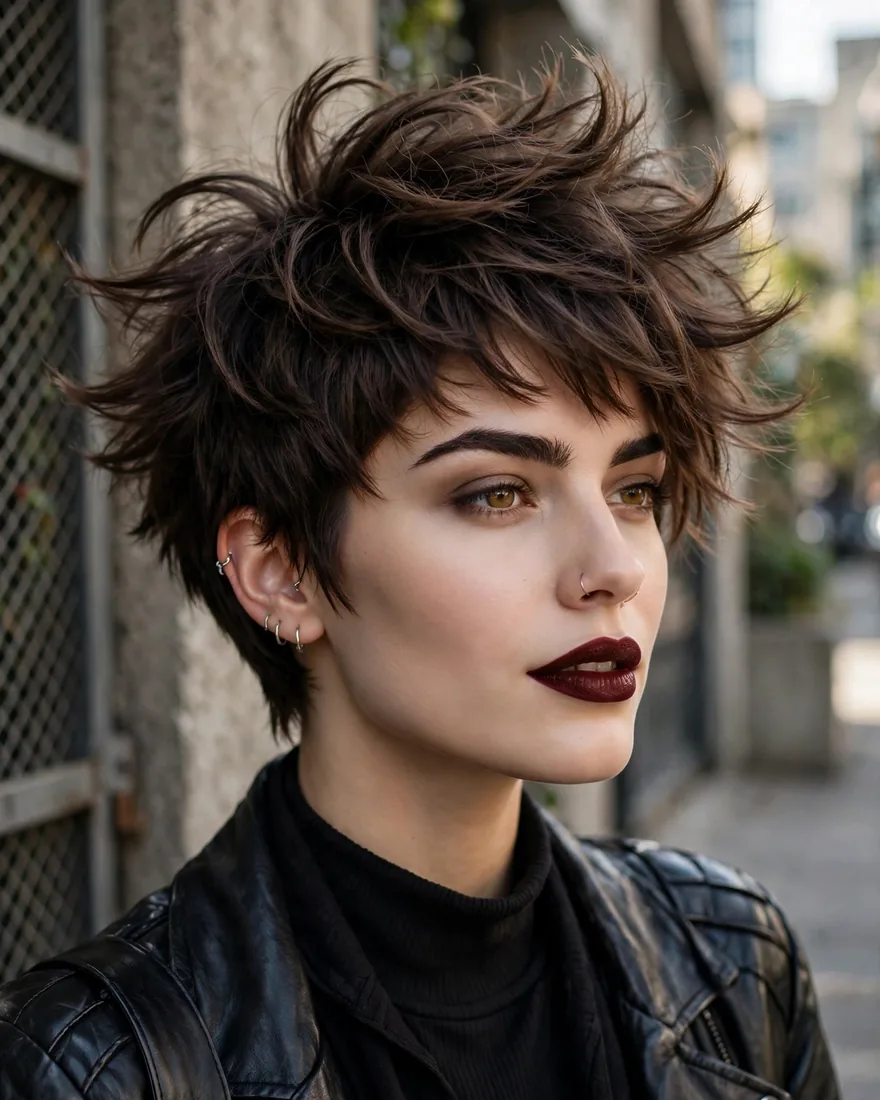
A pixie version of the butterfly cut sounds contradictory until you see it: the top is left 3 to 4 inches long so layers cascade forward and split around the cheekbones — the “wings” — while the sides and nape taper close. It is the boldest option on this list and, done right, the most editorial.
- Face-framing without length: cheekbone-skimming top layers deliver the butterfly motion on a pixie frame.
- Genuine wash-and-go: texture does the work, no heat required.
- Jawline flattery: tapered sides draw the eye to the cheekbones and jaw.
Pro Tip: This cut lives or dies on the crown. Leave the top long enough to actually layer — one length up top and the butterfly motion never appears.
How To Style: Pea of matte clay through damp hair, finger-comb the top forward and slightly outward. Diffuse two minutes for lift, or air-dry and go.
Best For: Oval and long faces; straight to wavy, medium density. Round faces: ask for extra height on top. Curly hair needs a dry-cutting stylist.
3. Sleek Winged Lob
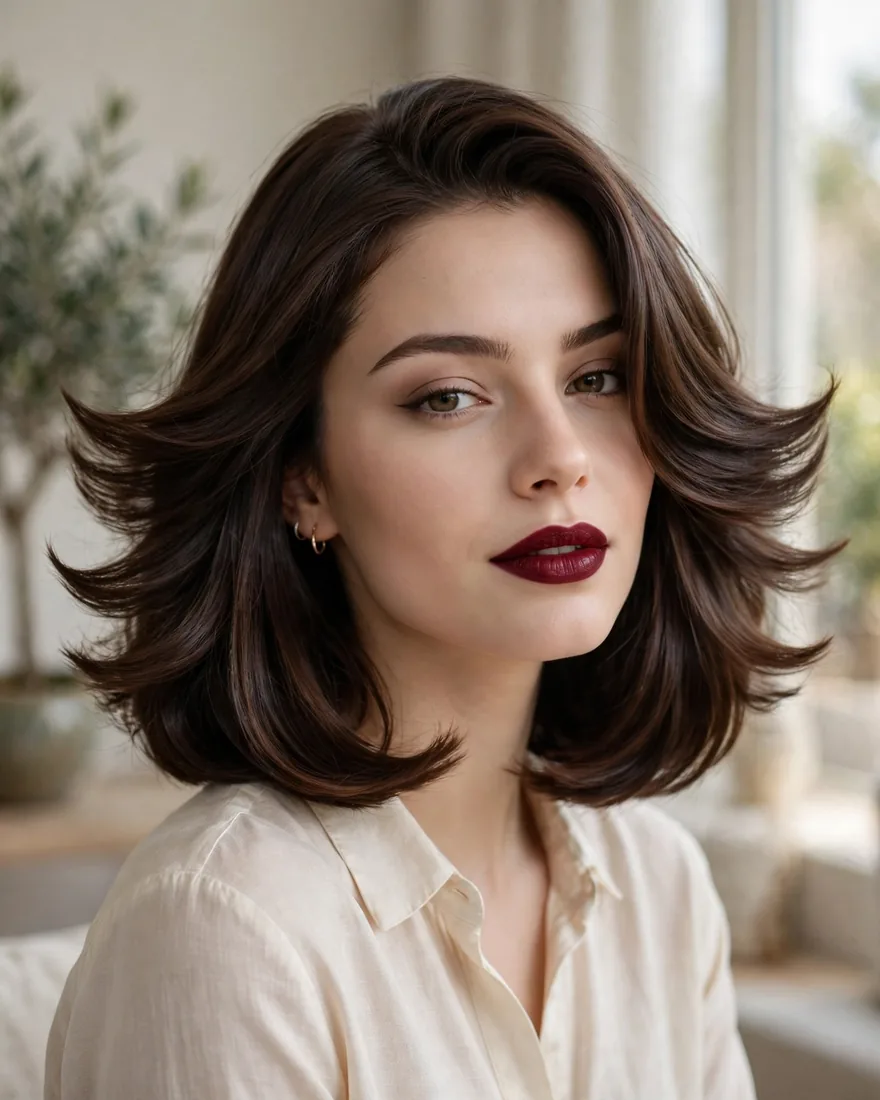
If your taste runs polished rather than tousled, this is your butterfly cut. A lob base ending just above the collarbone, with two clean interior layers — the shortest at the lips, the second at the jaw — blow-dried smooth with the face-framing pieces flicked outward to form the wing silhouette. Glossy, deliberate, and quietly expensive.
- Office-to-evening versatility: sleek butterfly cuts read professional in a way shaggy ones do not.
- Frizz-friendly: the clean line and weight keeps flyaways down without product overload.
- Photogenic shine: fewer choppy ends means more light reflection.
Pro Tip: The wing only appears if the face pieces are styled outward — inward ends give a classic bob, outward ends give a butterfly. It is a styling choice, not a cut difference.
How To Style: Rough-dry to 80 percent, smooth face-framing sections outward with a round brush, and finish with a drop of shine serum on the lengths only.
Best For: Heart and oval faces; straight to slightly wavy, medium density. This lob still ties back — a smart bridge from shoulder-length hairstyles into short territory.
4. Curtain-Bang Butterfly
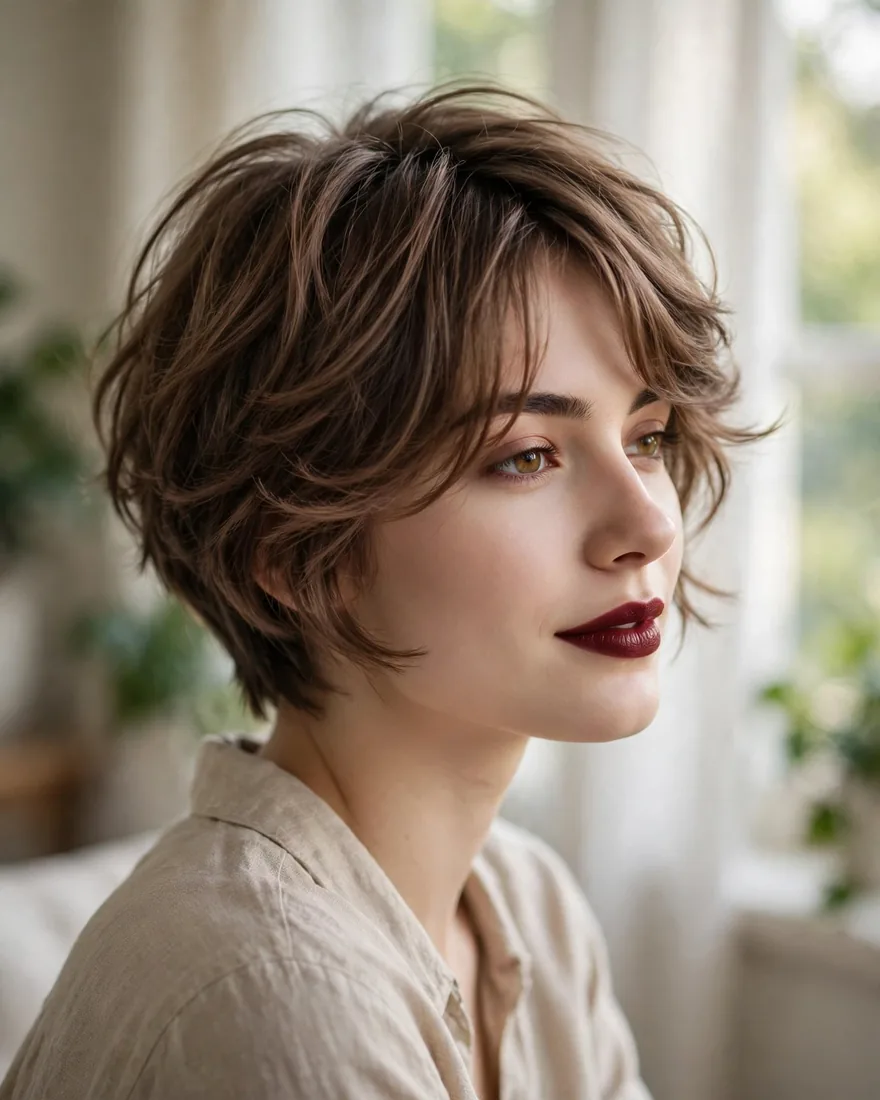
The butterfly cut and curtain bangs share the same DNA — layers that part in the middle and sweep away from the face — so combining them feels inevitable. The fringe starts at the brows and melts into the jaw-length top layer with no visible “bang line,” just a continuous sweep opening outward. It softens everything: strong jaws, high foreheads, blunt jawlines.
- Forehead coverage without commitment: the swept fringe camouflages a high forehead and grows out invisibly.
- Middle-part harmony: center-parters get a cut that falls into place with almost no styling.
- Softest option here: romantic, blended, approachable — nothing edgy.
Pro Tip: Keep curtain pieces dry-cut or dry-checked. Bangs shrink as they dry — a brow-grazing wet cut can float above the brows dry, throwing off the whole wing proportion.
How To Style: Middle part while damp, tuck curtain pieces behind ears for ten minutes, release. A round-brush flick outward finishes it in under three minutes.
Best For: Round, square, and heart faces; fine to medium density. Needs length to sweep — above-the-jaw hair everywhere leaves no fringe to part.
5. Voluminous Short Butterfly
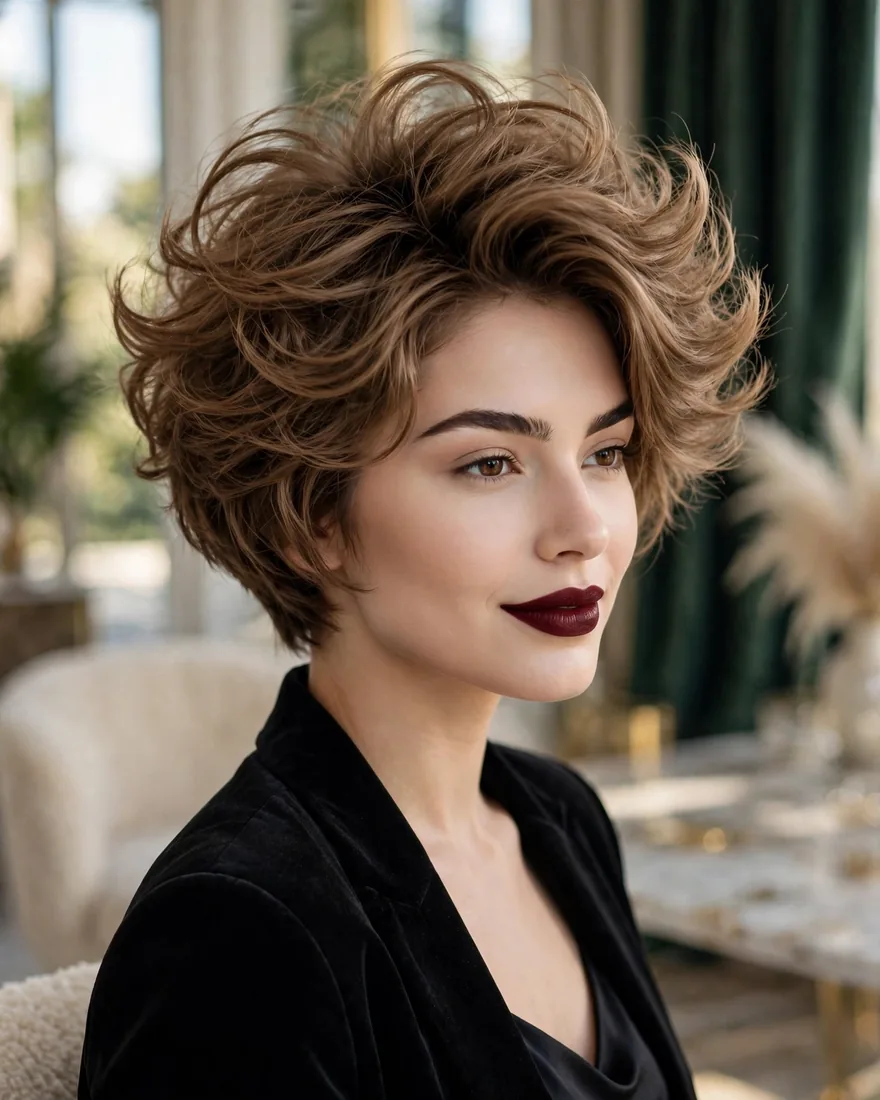
Most short cuts go flat by noon. This one is engineered not to: crown layers cut short and stacked with internal texture, a chin-to-neck base, and a shape built for root lift. The wings here are puffy and rounded rather than piecey — blowout volume in a chin-length package. If flat roots are your personal nemesis, start here.
- All-day root lift by design: short, stacked crown layers push each other up — volume before product.
- Glasses-friendly: layers open above the frames instead of competing with them.
- Thick-hair tamer: internal layering removes the triangle bulk that makes short cuts go pyramid-shaped.
Pro Tip: This volume needs a blow-dryer; air-drying will not activate stacked layers. If you never blow-dry, pick the beach-wave lob (#6) and be honest about your routine.
How To Style: Mousse at the roots, rough-dry upside down to 90 percent, then round-brush the crown and flick face layers outward. Root powder at the crown for staying power.
Best For: Oval, round, and long faces; medium to thick density. Fine hair needs a daily volumizing routine — no cheating physics. Browse short haircuts for women if volume matters more than layers.
6. Beach-Wave Butterfly Lob
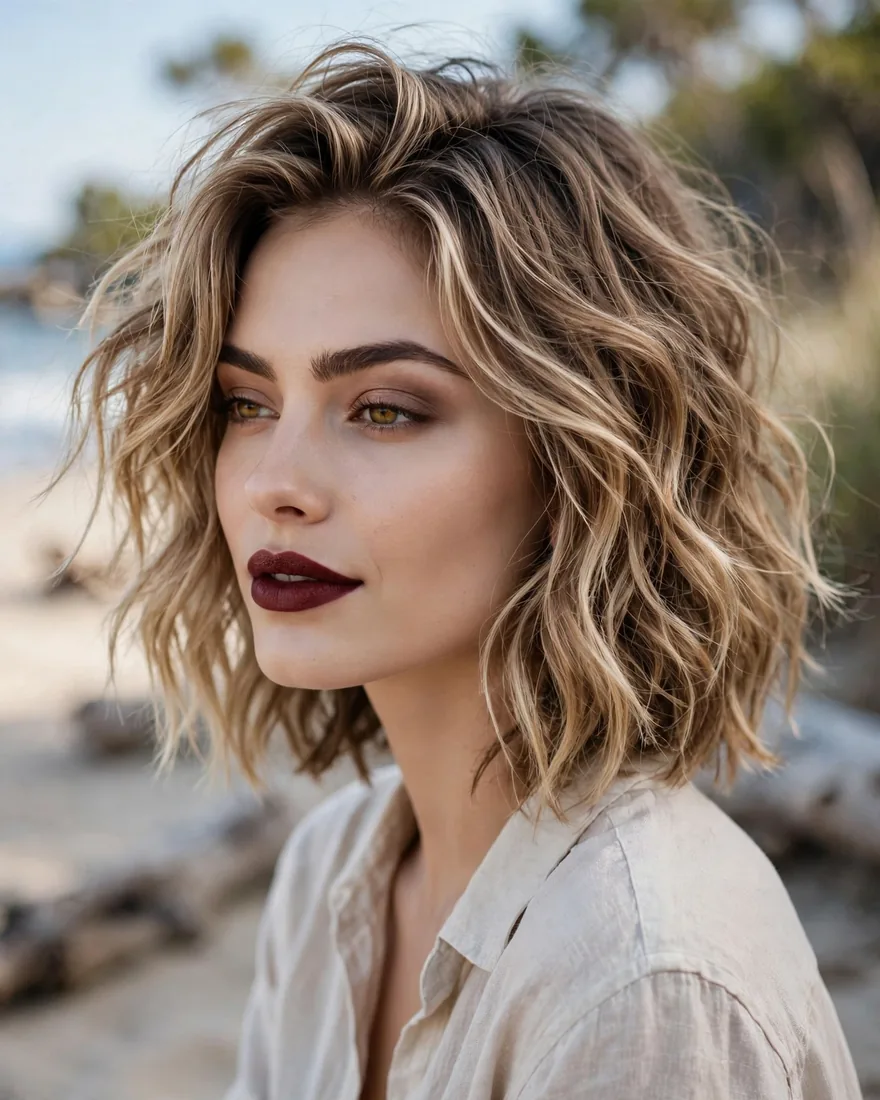
The weekend version: a collarbone-grazing lob with long, blended butterfly layers, where salt spray and a scrunch is genuinely all it takes. The wings are soft and wide — lazy S-curves opening around the face rather than defined flicks. The lowest-maintenance butterfly cut here, and the best test-drive if you are unsure the trend suits you.
- Honest low effort: the rare short butterfly cut that looks good air-dried.
- Forgiving grow-out: long blended layers blur together, buying an extra month between trims.
- Travel-proof: humidity and sea air improve it.
Pro Tip: Do not over-layer. Long, lazy layers make beach waves; short choppy ones make a shag. Say “long layers, lived-in” and hold the line.
How To Style: Scrunch sea-salt spray into damp hair, twist two front sections away from the face, air-dry, undo, shake. Heat version: wrap 1-inch sections around a wand, ends out.
Best For: All face shapes; wavy to loose-curly, medium density. Straight hair needs heat or overnight braids — the cut will not manufacture wave.
7. Shaggy Butterfly Pixie
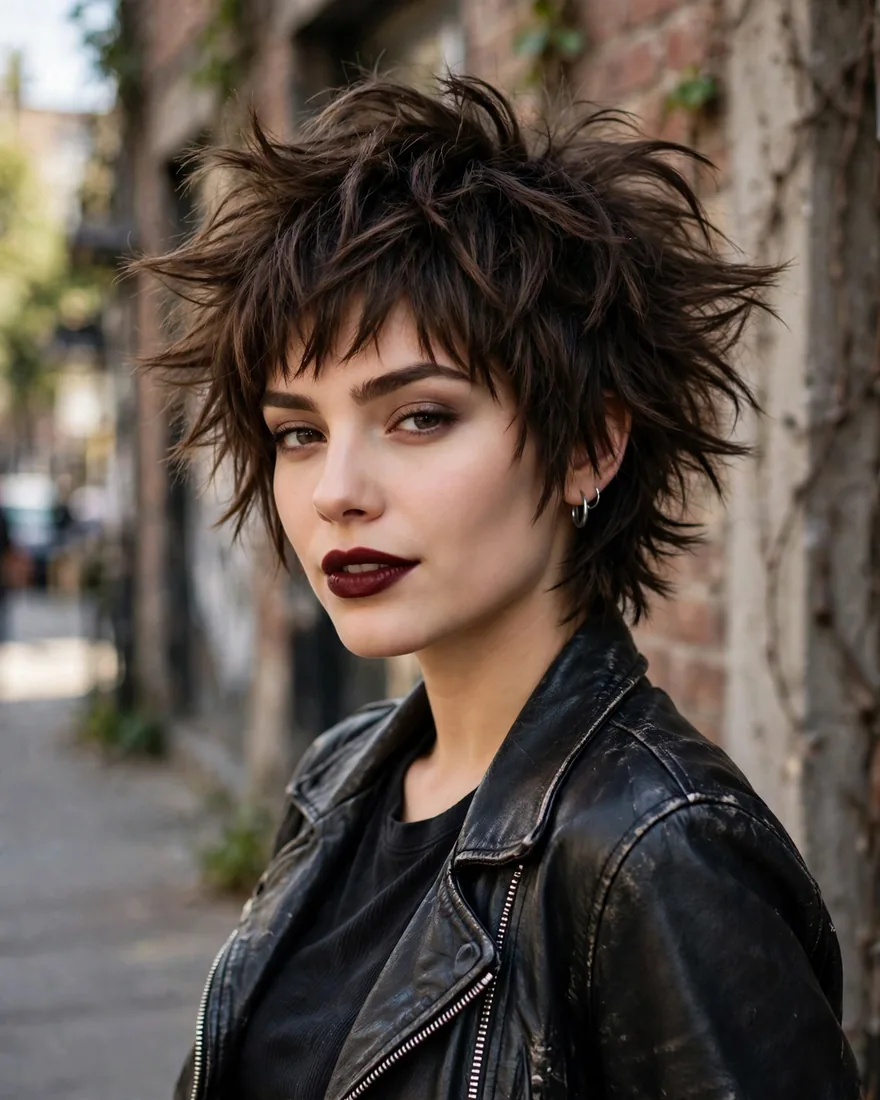
Where #2 (textured pixie butterfly) is sculpted, this one is gloriously messy: a longer pixie with 4 to 5 inches on top, razored ends, a piecey crown, and wispy sideburn pieces fluttering around the ears. The butterfly cut filtered through rock-and-roll — movement everywhere, polish nowhere, completely unmistakable.
- Personality-first: confident and creative in a way no sleek lob can match.
- Second-day champion: undone texture means day-two oil actually improves it.
- Cowlick camouflage: chaotic layers absorb unruly growth patterns.
Pro Tip: Razored ends turn see-through fast on fine hair. Ask for point-cutting instead of razor work — same texture, density preserved.
How To Style: Salt spray on damp hair, scrunch, diffuse or air-dry. Twist random crown pieces with a touch of paste. Three minutes, done.
Best For: Oval and heart faces; straight to wavy, medium to thick density. Shares DNA with medium shag haircuts — the bridge if you want that energy shorter.
8. Layered Wavy Bob
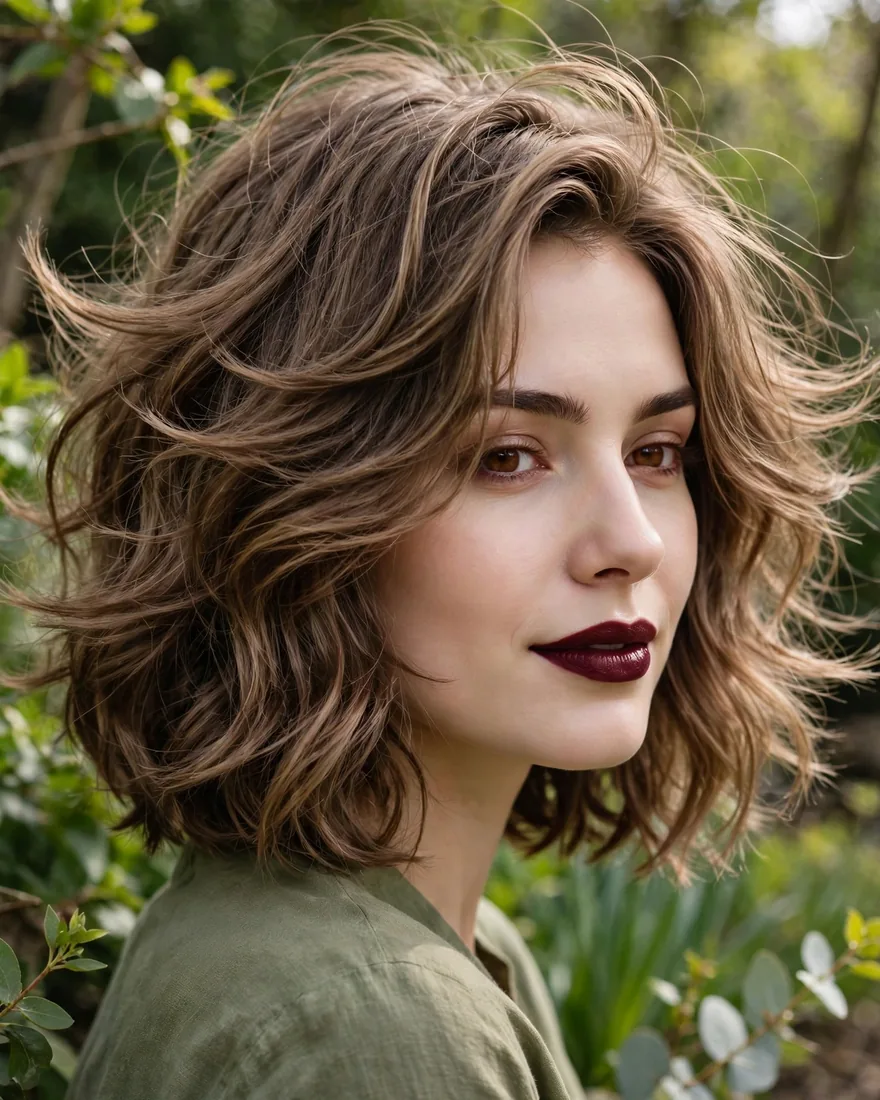
A chin-length bob with two wavy-friendly layers — one at the cheek, one at the jaw — cut to encourage your natural bend to open outward. Nothing dramatic, nothing choppy: just a bob whose layers understand waves. The quiet achiever of this list, and the cut most likely to make a stranger ask who your stylist is.
- Natural-texture amplifier: layers placed to work with 2A–2C waves, not against them.
- Minimal styling curve: if your hair has bend, this cut asks almost nothing.
- Timeless base: a layered wavy bob never looks dated, trend or no trend.
Pro Tip: Arrive with your natural wave visible, or ask the stylist to see your texture first. Cutting waves straight and hoping is a gamble you do not need.
How To Style: Curl cream on damp hair, scrunch upward, diffuse. Flip cheek layers outward with fingers for the wing hint. Under five minutes.
Best For: Round and square faces; naturally wavy, medium density. Bone-straight hair needs heat every time — straight-haired readers should look at #3 or #11.
9. Curly Butterfly Lob
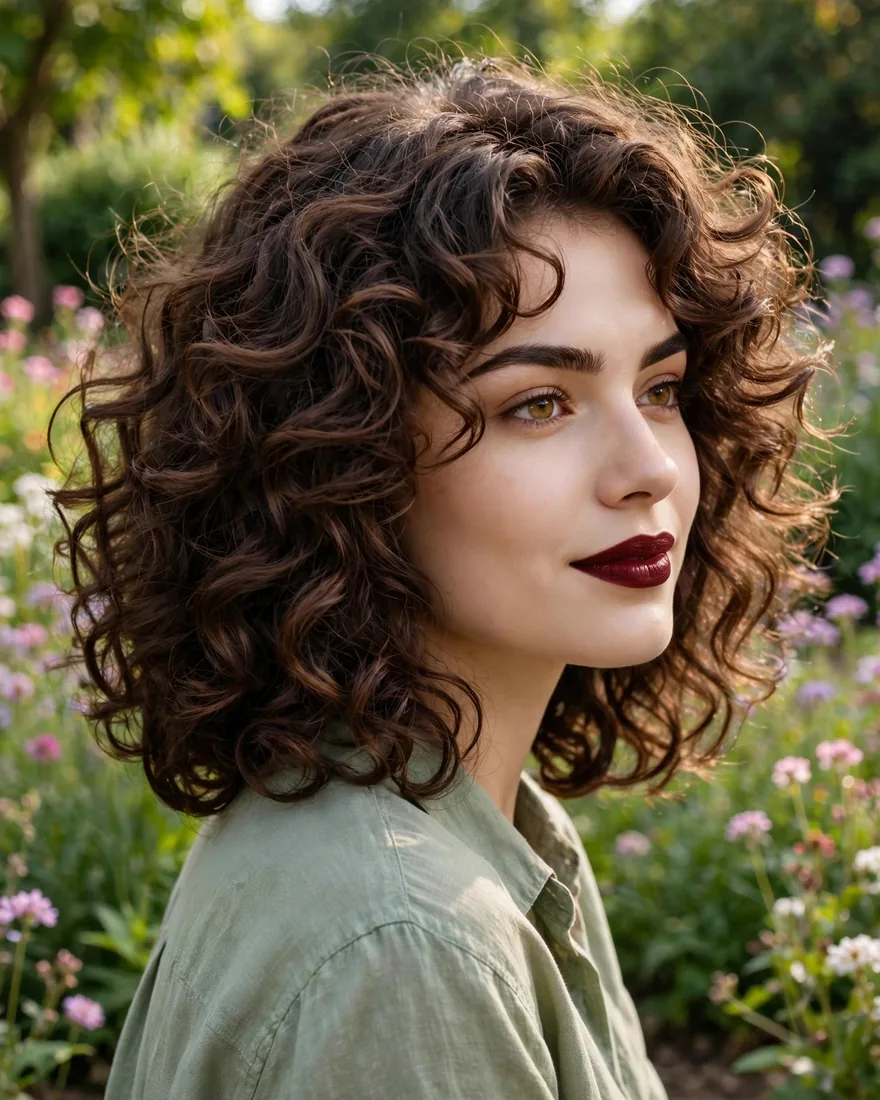
Curly hair and the butterfly cut are a genuinely great match, because curls already want to open outward — the cut just gives them permission. The lob sits at collarbone length, the top layers are cut dry at the jaw so ringlets spring into the wing shape, and the bottom stays heavier for balance. A rounded, bouncy silhouette with the butterfly motion built into the curl pattern itself.
- Curls do the styling: the wing shape emerges from natural spring — you enhance, not manufacture.
- Volume where you want it: width at cheek and jaw balances long, narrow faces.
- No heat required: a diffuser-and-go haircut, full stop.
Pro Tip: Insist on a dry cut or at least a dry check. Wet curls lie — a jaw-length layer wet can spring to cheek-length dry, the difference between a butterfly and an accidental shag.
How To Style: Leave-in and gel on soaking-wet hair, rake top layers slightly outward, diffuse on medium heat. Fluff roots once dry and let the wings settle.
Best For: Oval, long, and heart faces; 2C–3C curls, medium to thick density. On very tight coils the wing reads subtler — more rounded cloud than flutter. See our wavy hair ideas for more texture-first inspiration.
10. Feathered Bob with Full Bangs

The most retro entry here — a chin-length bob with feathered, flicked-out layers and a genuine full fringe. The butterfly connection is in the side layers: cut to flip outward at the cheekbones, opening like wings beneath the straight-across bangs. Farrah-adjacent without the 70s costume, and spectacular on the right face.
- Maximum eye emphasis: full fringe plus outward-flicked sides frame the eyes like nothing else here.
- Forehead balancer: the most effective camouflage for a high or wide forehead.
- Movement showcase: feathered layers move when you walk — the cut is alive.
Pro Tip: Full bangs need trimming every 3–4 weeks or the whole proportion collapses. Budget for bang trims (often free or cheap) before committing.
How To Style: Paddle-brush the bangs straight down first — they set fastest — then round-brush side layers outward. Light flexible-hold spray keeps feathers from going flat.
Best For: Oval and long faces; straight to slightly wavy, medium density. Round faces: full bangs plus a chin bob can shorten the face — ask for a longer, brow-grazing fringe.
11. Angled Butterfly Bob
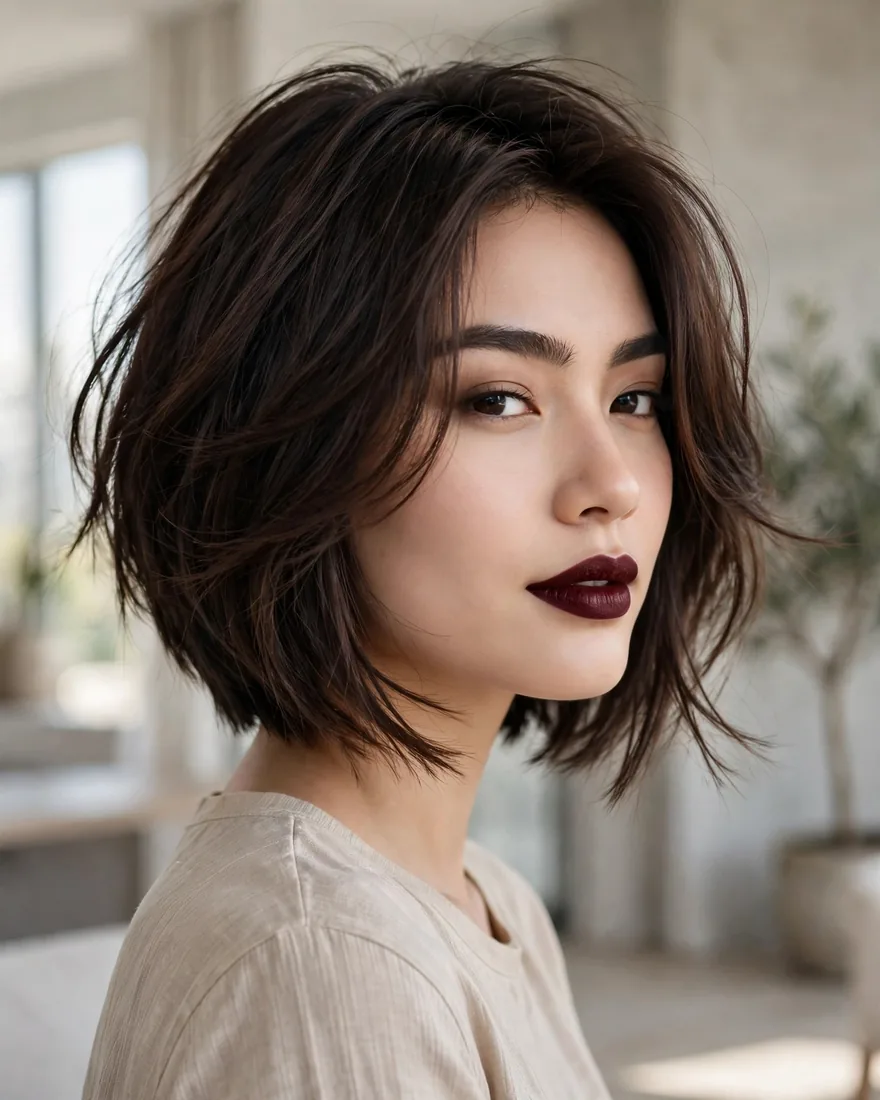
A precision cut for people who like their edges sharp. The base angles from shorter at the nape to chin-grazing in front, and the butterfly layers are cut into the front sections so they open over the angle — the architectural drama of an A-line bob with the softness of winged layers. The most “designed” look here, and it shows.
- Slimming diagonals: the forward angle draws the eye down and in, flattering fuller cheeks and jawlines.
- Nape-hugging neatness: the shorter back stays tidy longer between appointments.
- Statement minimalism: sharp shape, minimal styling — the cut is the decoration.
Pro Tip: The angle is measured in fractions of an inch. Show a photo and confirm the front-to-back difference in inches before the first cut.
How To Style: Paddle-brush blow-dry smooth, directing front sections forward and slightly outward. Flat-iron only very wavy hair; natural bend softens the angle nicely.
Best For: Round and square faces; straight, medium to thick density. Curly hair fights the crisp angle — curlies should skip it. The bob haircuts archive shows how the angle scales up.
12. Wavy Butterfly Shag with Micro Bangs
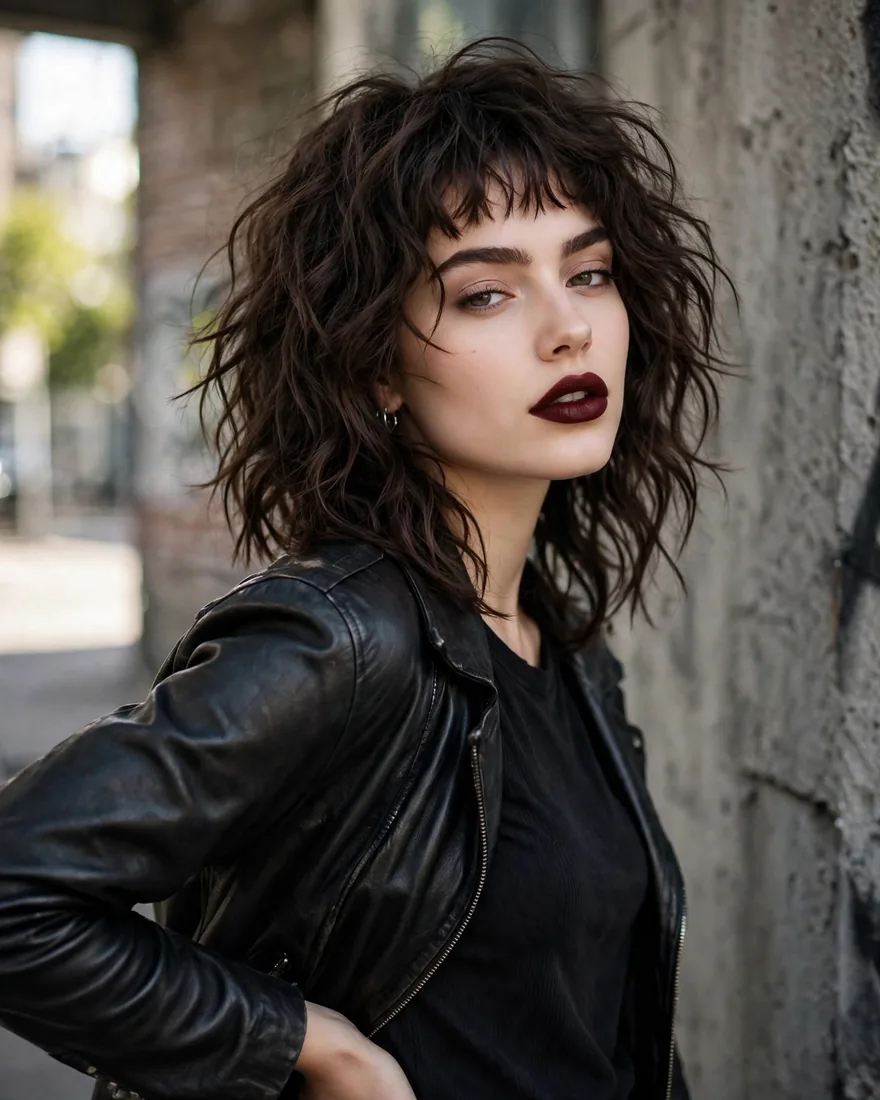
The wildcard: a wavy shag-bob hybrid with tons of disconnected layers and micro bangs cut well above the brow. The fringe exposes the forehead while the wild layers open around the cheeks — a fascinating push-pull of bold on top, soft at the sides. Not a haircut you get by accident; people will notice.
- Unmistakable edge: nothing else here has the same fashion-forward punch.
- Forehead-lengthening illusion: micro bangs visually lengthen a short forehead or petite face.
- Texture maximalism: the ceiling for piecey, undone, lived-in hair.
Pro Tip: Micro bangs grow out awkwardly — a two-month phase where they are neither micro nor brow-length. Have a plan: headband, side-sweep trick, or a booked trim.
How To Style: Texturizing spray on damp hair, scrunch, air-dry or diffuse. Bangs need ten seconds straight down; the messier the sides, the more intentional the contrast.
Best For: Oval and heart faces with foreheads you are happy to show; wavy, medium density. Round faces and very high hairlines should pass.
13. Fine-Hair Butterfly Bob
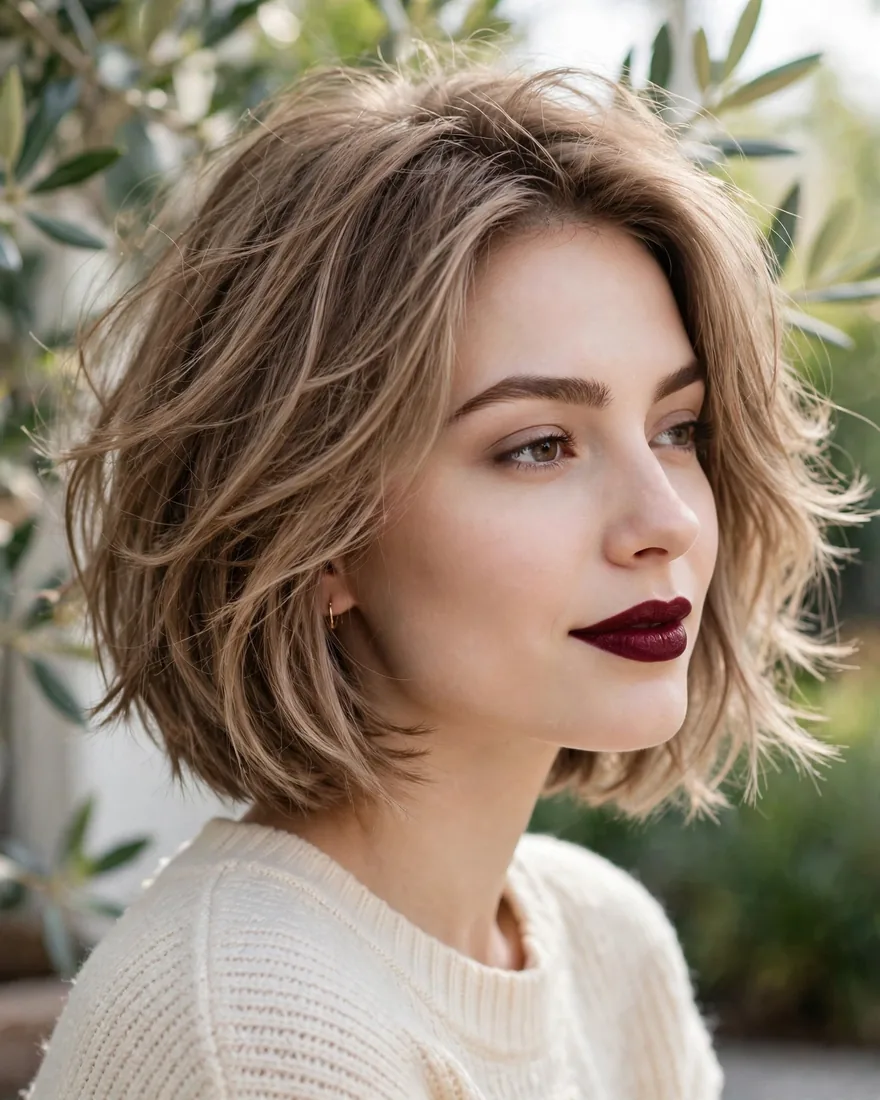
Fine hair needs special treatment, because the standard butterfly playbook — aggressive thinning, lots of layers — can genuinely wreck it. This version keeps the layer count low (two, not five), cuts them blunt instead of wispy, and concentrates the butterfly motion in just the face-framing pieces: the winged suggestion without sacrificing the density you cannot afford to lose.
- Density preservation: blunt-cut layers keep ends looking full instead of feathering into nothing.
- Illusion of thickness: the shorter face-framing layer creates movement that reads as fullness.
- Honest expectations: no impossible-volume promises — just the prettiest version of your actual hair.
Pro Tip: Say no to thinning shears. On fine hair they remove the very weight that makes a bob look substantial. Point-cutting alone gives all the texture you need.
How To Style: Volumizing mousse at the roots, round-brush blow-dry for lift, flip face layers outward. Ten minutes, and it holds all day.
Best For: Fine, low-to-medium density hair; all face shapes. The butterfly cut pillar shows how this philosophy scales to longer lengths.
How the 13 styles compare at a glance:
| Style | Best Density | Daily Styling Time |
|---|---|---|
| Choppy Butterfly Bob | Medium–thick | 10–15 min |
| Textured Pixie Butterfly | Medium | 2–3 min |
| Sleek Winged Lob | Medium | 15–20 min |
| Curtain-Bang Butterfly | Fine–medium | 5 min |
| Voluminous Short Butterfly | Medium–thick | 15 min |
| Beach-Wave Butterfly Lob | Medium | 3–5 min |
| Shaggy Butterfly Pixie | Medium–thick | 3 min |
| Layered Wavy Bob | Medium | 5 min |
| Curly Butterfly Lob | Medium–thick | 5–10 min |
| Feathered Bob with Full Bangs | Medium | 10–15 min |
| Angled Butterfly Bob | Medium–thick | 10 min |
| Wavy Butterfly Shag with Micro Bangs | Medium | 3–5 min |
| Fine-Hair Butterfly Bob | Fine, low–medium | 10 min |
How to Choose the Right Butterfly Cut for Your Face Shape and Hair Density
Start with density, because it is the constraint you cannot negotiate. Fine hair needs the low-layer, blunt-end approach of idea #13 — every extra layer is density you do not get back. Thick hair needs the bulk-removal versions (#1, #5, #7); without internal layering, a short butterfly cut on thick hair goes triangular by week three, and no product fixes a shape problem.
Then match wing placement to your face shape. Round faces want the shortest layer at or below the cheekbone — anything higher adds width where you least want it — making #3, #11, and #4 your best bets. Long faces want the opposite: layers starting higher, at the temple or cheek, to add horizontal width (#9, #5). Square faces benefit from the softening sweep of #4 or the diagonal of #11. Oval faces can wear all 13 — pick by lifestyle, not by face.
Finally, think about the grow-out. The choppy and shaggy versions (#1, #7, #12) grow into longer shags gracefully; the precise ones (#3, #10, #11) hit a shapeless phase around month four and need a shaping appointment to survive it. If you are growing out from a pixie, the lob-length ideas (#3, #6, #9) are your landing zone. Budget for about two shaping trims per grow-out cycle, or pick the forgiving ones.
What to Tell Your Stylist: Layer Lengths and Red Flags
Walk in with a script, not just a screenshot: “I want a butterfly cut at chin-to-collarbone length. The top layer should start at [your landmark — cheekbone for most faces], the longest layer at [chin/collarbone]. I want the face-framing pieces cut to flip outward, with [blunt/point-cut] ends because my hair is [fine/medium/thick].” Naming landmarks removes the guesswork behind most butterfly-cut disappointments. Bring two photos: one of the overall shape, one close-up of the layering — stylists read texture from close-ups.
Now the red flags. If your stylist reaches for thinning shears on fine hair, stop them — on fine hair they create wispy ends that look thinner, not lighter, and idea #13 exists precisely because of this mistake. If they cut wavy or curly hair wet with no dry check, ask for one; shrinkage changes every layer length. And beware the DIY ponytail method all over social media: on long hair it is forgiving, but on short hair the shortest layer lands wherever gravity put it — usually far too short and uneven. That is a correction appointment, not a haircut. Pay for the cut.
Daily Styling: A Realistic 5-Minute Volume Routine
Let us be honest: the wing shape needs either heat or texture product — it does not appear by itself on straight, product-free hair. The good news is five minutes is genuinely enough for most of these cuts, and the routine is the same whichever idea you picked.
On damp hair, work a golf-ball of mousse through the roots — mousse, not cream, because you need lift, not weight. Rough-dry upside down to 80 percent to build root volume. Flip upright, roll the face-framing pieces outward with a round brush — two passes per side — and finish with flexible-hold spray or texturizing powder at the crown.
No dryer? On the wavy and curly ideas (#6, #8, #9), scrunch in salt spray or curl cream and air-dry — texture does the wing work. On the pixies (#2, #7), dampen, add paste, finger-style in two minutes. Only the sleek versions (#3, #11) truly demand heat. On day two, re-wet just the face-framing pieces, re-flick outward, and dry-shampoo the roots.
Frequently Asked Questions
What exactly is the butterfly cut on short hair?
It is the viral concept scaled down: short top layers starting around the cheek or jaw that open outward like wings, over a longer chin-to-collarbone base. The winged, face-framing motion is the signature — without it, you just have a layered bob.
Does the butterfly cut work on fine or thin hair?
It can, with strict limits: few layers (two, not five), blunt-cut ends, and no thinning shears — aggressive layering removes density you cannot spare. Idea #13 is built specifically for fine hair. Very fine, sparse hair should skip the choppy versions; they expose thinness instead of hiding it.
Can a butterfly cut work for curly hair?
Yes — curls already spring outward, so the cut just gives them permission. The key is a dry cut so the stylist sees the true spring of each layer; wet-cut layers shrink unpredictably. It is one of the lowest-maintenance options here, since the curl pattern does most of the styling work.
Will a butterfly cut suit a round face?
Yes, if the shortest layer starts at or below the cheekbone — layers starting higher add width where a round face least needs it. The sleek lob (#3), angled bob (#11), and curtain-bang version (#4) flatter most. Avoid full bangs with a chin-length base, which can visually shorten the face.
How often does a butterfly cut need trims?
Every 6 to 8 weeks to keep the wing layers crisp and the shape intentional. The blended, beachy versions stretch to 10 weeks; the precise ones (angled, sleek, micro bangs) start looking shapeless after 6. Bangs and micro fringes need their own mini-trims every 3 to 4 weeks.
Can I really style a butterfly cut in 5 minutes?
For most versions, yes: mousse at the roots, rough-dry upside down, flick the face-framing pieces outward with a round brush. Pixies and shags take even less. The honest exceptions are the sleek lob and angled bob — budget 15 to 20 minutes for those, or pick a different idea.
Can I cut a butterfly cut myself at home?
Strongly discouraged on short hair. The viral ponytail method is forgiving on long hair but lands the shortest layer unpredictably on short lengths — usually too short and uneven. A butterfly cut is precision layering; a salon cut costs far less than a correction.
How do I ask my stylist for a butterfly cut?
Name your landmarks: base length (chin, jaw, collarbone), where the top layer starts (cheekbone is the safe default), and blunt vs. textured ends based on your density. Bring two photos — overall shape plus a close-up of the layering — and describe your real daily routine so the stylist cuts for the hair you will actually maintain.
The butterfly cut was never really about long hair — it was always about movement, and movement does not require length. Whether you pick the choppy bob that shows the wings off loudest, the pixie that strips the idea to its essence, or the fine-hair version that respects your density, a short butterfly cut proves the trend belongs to everyone, not just the waist-length crowd. Book the appointment, bring the photos, name your landmarks — and enjoy the flutter.