
Light Brown Hair – 13 Looks From Bronde to Cider
Light brown is the color that promises everything and forgives nothing. In the salon chair it looks effortless — sunlit, dimensional, flattering. Two months later the same light brown hair has drifted brassy, gone muddy, or faded to flat beige. The shade sits in a narrow band where undertones shift fast — expensive in week one, tired by week eight.
The failure modes are predictable, which makes them preventable. Light brown hair holds its glow when three things line up: the right tone family for your natural base, honest maintenance expectations, and a routine that protects tone between appointments. Below are 13 looks — bronde, mushroom, honey, cider, walnut — plus a tone-drift guide, a bleach reality check, and an honest maintenance calendar.
Table of Contents
- Light Brown Hair Looks Worth Booking
- 1. Sun-Kissed Bronde Balayage
- 2. Creamy Mushroom Brown Bob
- 3. Honey-Touched Light Brown Layers
- 4. Cool-Toned Light Brown Shag
- 5. Caramel Drizzle Long Hair
- 6. Golden Bronde Waves
- 7. Chestnut Balayage on Golden Brown
- 8. Subtle Ash Brown Highlights
- 9. Soft Autumn Brown Waves
- 10. Mocha Brown Balayage
- 11. Cider Brown Gloss
- 12. Walnut Brown Layers
- 13. Ombre on Caramel Light Brown
- Why Light Brown Drifts (and How to Stop It)
- Which Natural Bases Reach Light Brown Without Bleach
- Honest Maintenance Cadence for Light Brown
- FAQs
- What is the difference between bronde and light brown hair?
- Why does my light brown hair turn brassy?
- Do I need bleach to get light brown hair?
- What natural color suits mushroom brown best?
- Can dark hair go light brown in one session?
- How often does light brown need a gloss refresh?
- Does light brown hair fade faster than dark brown?
- Which light brown tone suits warm vs cool skin?
Light Brown Hair Looks Worth Booking
1. Sun-Kissed Bronde Balayage
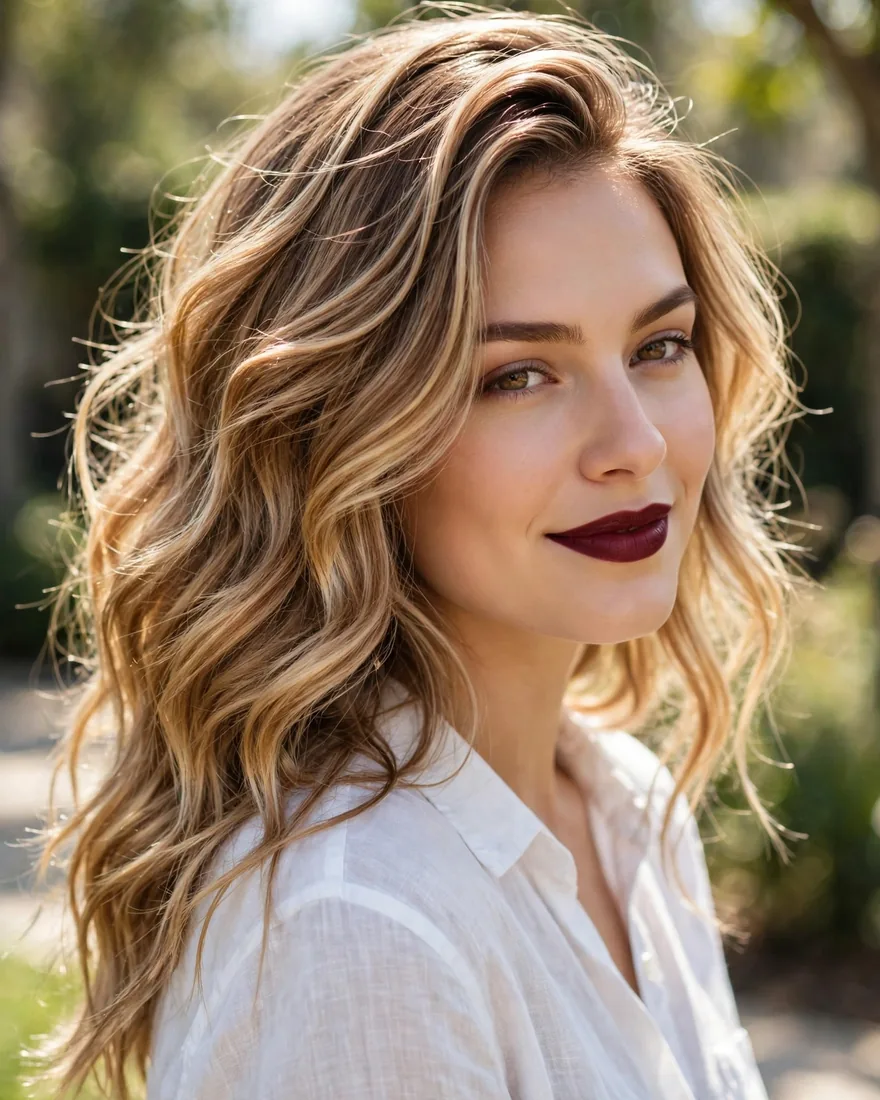
The look that made bronde famous: a light brown hair base lifted with hand-painted balayage ribbons in golden blonde, blended so the transition from root to tip reads as one continuous glow. The mid-tone base does the blending work here — regrowth practically disappears, making this the lowest-maintenance lightening option for this shade.
Benefits:
- Balayage grows out softly, so salon visits stretch to three or four months
- The golden ribbons keep light brown from reading flat or one-dimensional
- Flattering on the widest range of skin undertones of any technique here
Pro Tip: Ask for the lightest pieces around the face and through the ends — lightness at the crown reads as regrowth within weeks. See how placement changes the result in these balayage hairstyles.
How To Style: Wrap large sections around a 1.5-inch iron alternating direction, then rake through with fingers. A shine mist over the canopy makes the golden pieces catch light.
Best For: Natural bases from level 5 to 7 (medium to dark blonde through medium brown); warm and neutral undertones get the most glow from the golden tones.
2. Creamy Mushroom Brown Bob
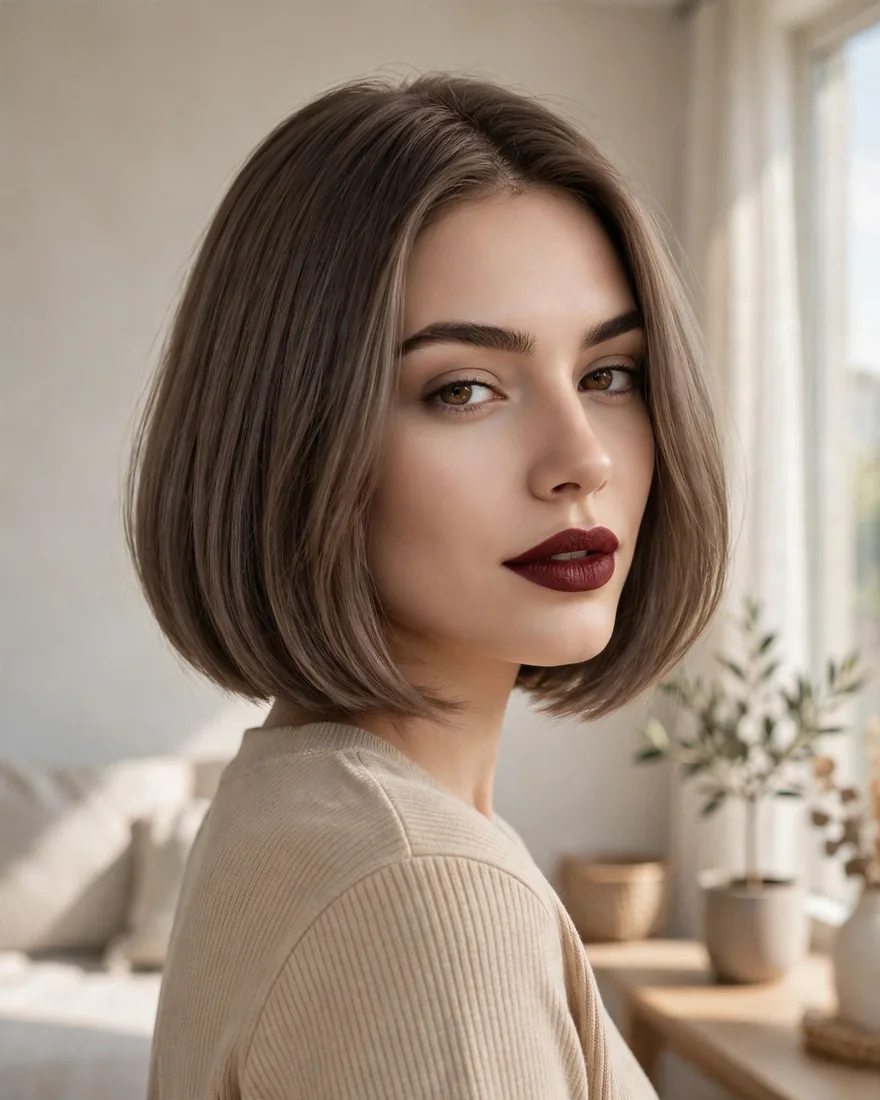
A cool, creamy light brown shade with gray-beige undertones, cut in a chin-to-collarbone bob — the mushroom trend at its most wearable. This is the antidote for light brown hair that always pulls warm or orange: the ashy base neutralizes natural warmth while the creamy finish keeps it from looking dull.
Benefits:
- Cool tones cancel the orange drift that plagues warm light browns
- The bob length shows off the smoky dimension in every section
- Looks deliberately styled even when air-dried
Pro Tip: Mushroom is salon-only — box “ash brown” dye goes green or gray on most people. The creamy finish needs custom toner, not a single bottle.
How To Style: Blow out smooth with a paddle brush, or scrunch with wave cream for undone texture. Finish with a cool shot — high heat pushes ash tones warm faster.
Best For: Natural bases level 6 to 8 with neutral-to-cool undertones; naturally ashy hair takes this tone most easily. Straight to wavy textures show the smoky dimension best.
3. Honey-Touched Light Brown Layers
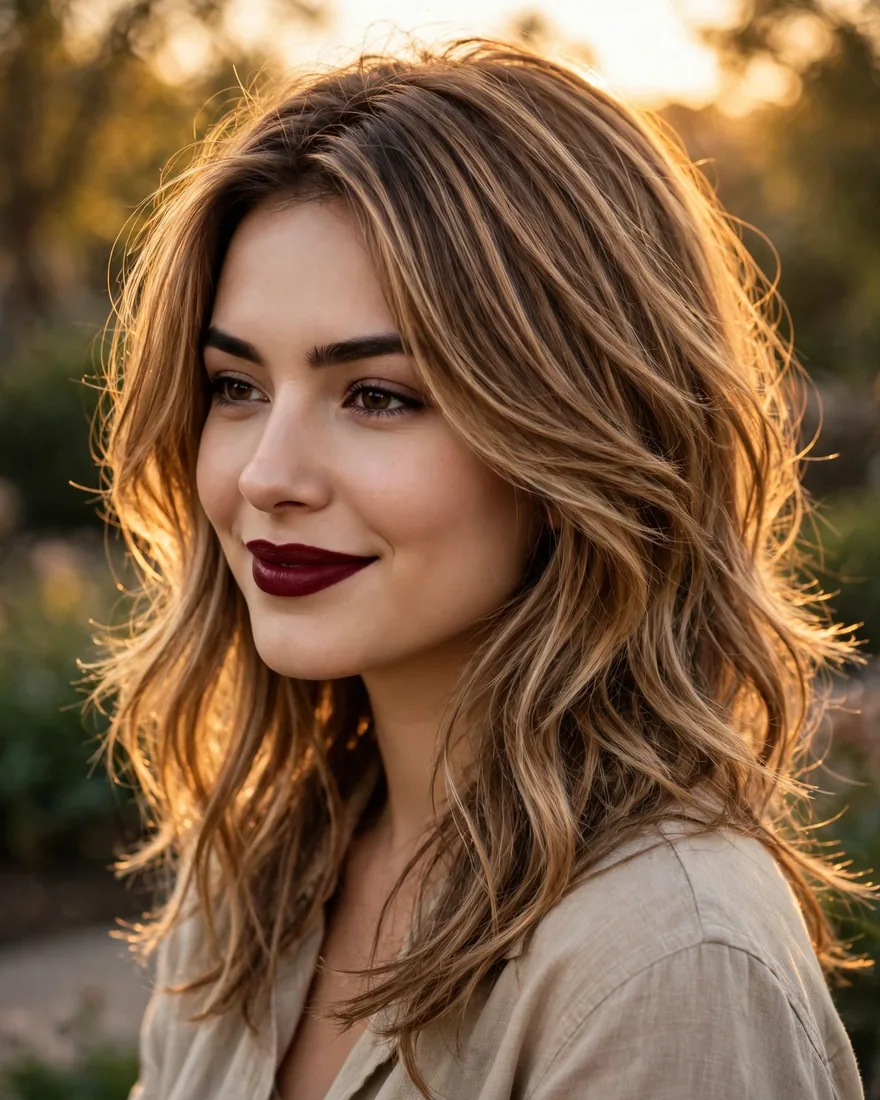
A warm light brown hair base with honey highlights woven through long layers — golden and glowing. The honey pieces lift the complexion and make the hair look lit from within, and layered cuts give the honey dimension room to move.
Benefits:
- Honey warmth brightens tired or pale complexions instantly
- Long layers distribute the highlights so nothing looks striped
- Grows out gracefully since the honey sits mid-length and down
Pro Tip: Honey fades fastest — gone in four to six weeks on porous hair. A gold-tinted conditioner weekly stretches the glow. These honey blonde hair looks show the tone on lighter bases.
How To Style: Blow-dry with a round brush for bounce, rolling ends under. Loose waves show the honey dimension best.
Best For: Natural bases level 6 to 8; warm undertones glow against honey, and medium to thick hair carries the golden depth without looking brassy.
4. Cool-Toned Light Brown Shag
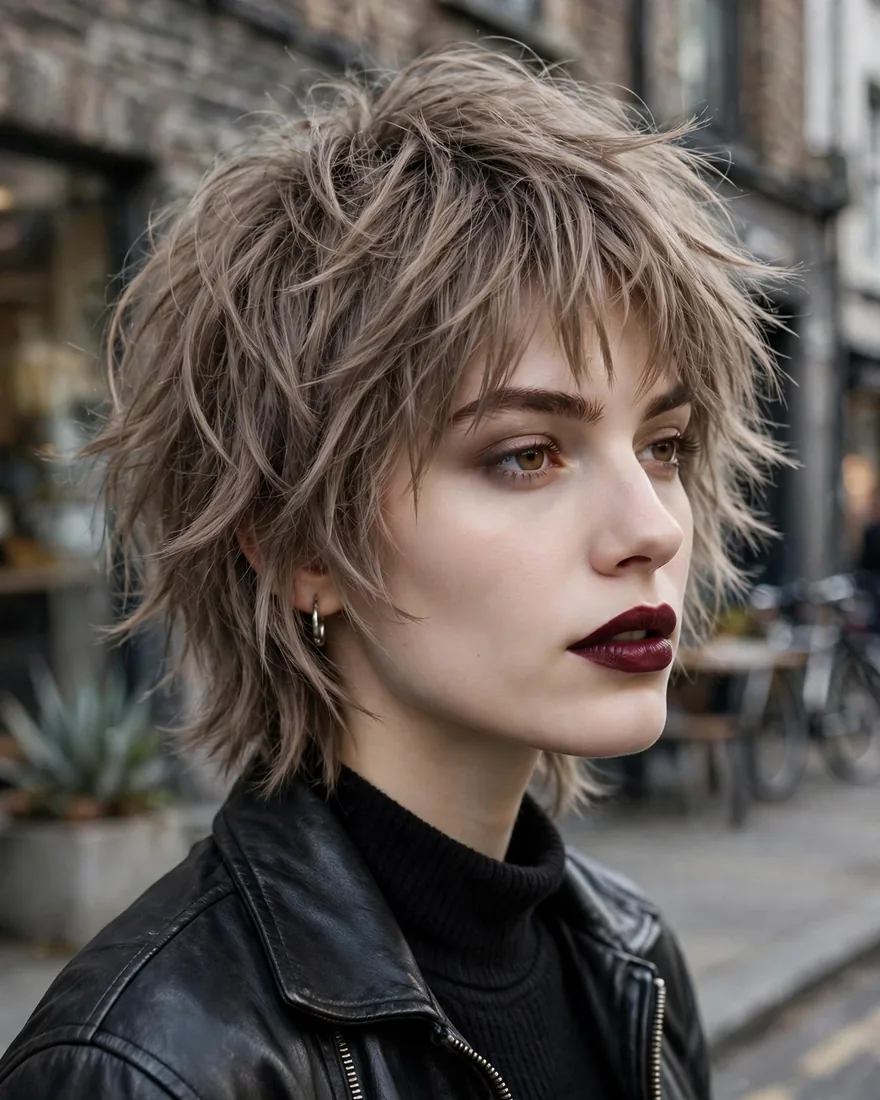
A shattered shag — curtain bangs, choppy layers, lived-in texture — in a cool light brown hair shade that stays smoky. The broken-up layers break light into small pieces, which keeps ash tones from looking flat. Edgy and deliberately undone.
Benefits:
- The shag’s texture gives cool tones dimension they lose in sleek cuts
- Curtain bangs soften the ash so it reads modern, not severe
- Low styling effort — the mess is the style
Pro Tip: Cool tones on porous ends can grab darker or greener than intended. If your ends are damaged from old color, ask for a protein filler before toning — it evens the canvas so the cool light brown lands evenly.
How To Style: Work mousse through damp hair and rough-dry flipped for lift. Define curtain bangs with a round brush; finish with light texturizing spray.
Best For: Natural bases level 6 to 8 with cool or neutral undertones; wavy and straight textures show the shattered layers best. Fine hair gets visible fullness from the choppy layers.
5. Caramel Drizzle Long Hair
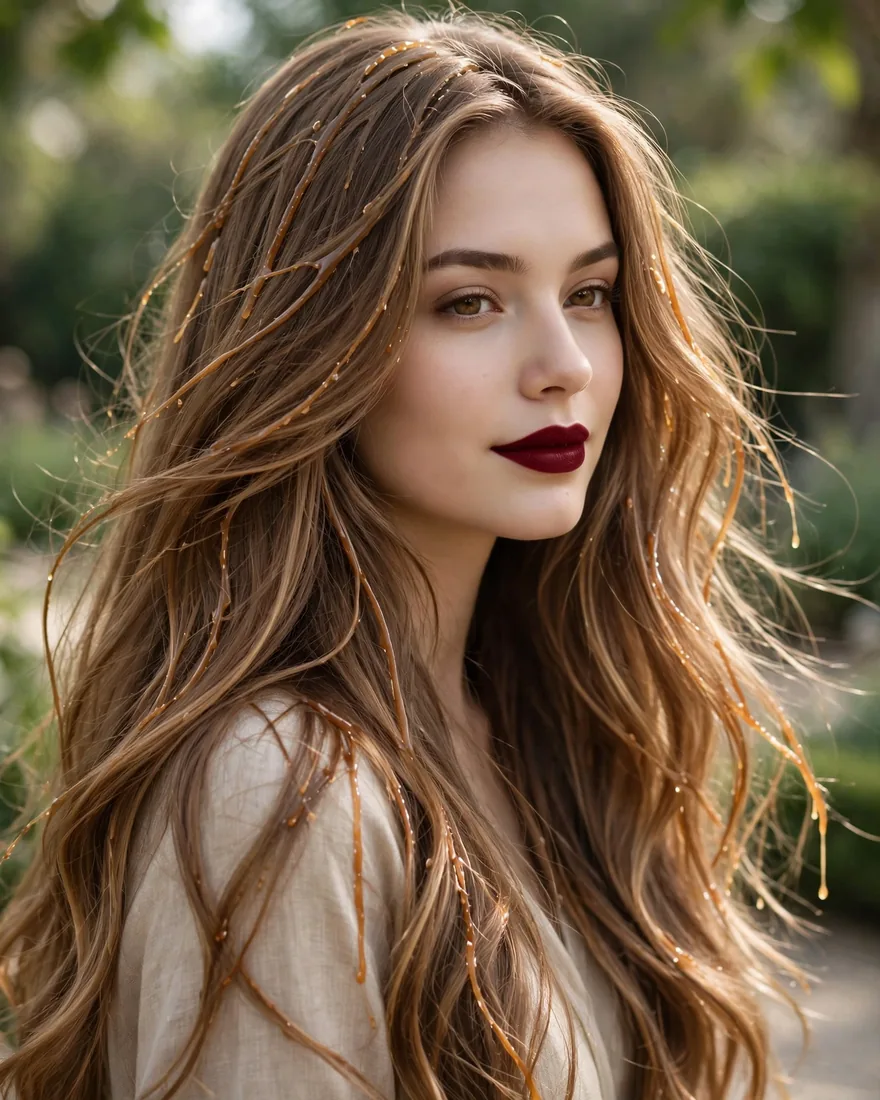
Long light brown hair with caramel ribbons drizzled through the lengths — more contrast and warmth than bronde balayage. The caramel sits heaviest through mid-lengths and ends, giving movement and light-catching dimension without full highlights. The fastest way to make the hair look expensive.
Benefits:
- Caramel contrast makes long hair look thicker through tonal variation
- The drizzle placement keeps regrowth invisible for months
- Works as a bridge if you are considering going lighter overall
Pro Tip: On long hair, caramel should start no higher than the cheekbones — higher creates a regrowth line. See placement options in these caramel highlights.
How To Style: Curl from mid-shaft down alternating direction, leaving the last inch straight. Shine serum on the ends makes the caramel pop.
Best For: Natural bases level 5 to 7; warm and neutral undertones. Medium to long hair gives the drizzle room to develop — on short hair the caramel runs out of real estate.
6. Golden Bronde Waves

A true bronde — half brown, half blonde — in soft golden waves. Golden ribbons woven through a light brown hair base so evenly that no tone dominates. The gold catches light from every angle, and this suits more skin tones than any shade here.
Benefits:
- The balanced bronde ratio flatters nearly every skin tone
- Golden warmth reads youthful and healthy on most complexions
- Waves break up the tones so nothing looks striped or harsh
Pro Tip: True bronde needs three distinct tones — base, mid-tone ribbon, and lighter golden piece. If yours looks like two colors, ask for a mid-tone gloss next time. The california brunette uses a similar approach with a deeper base.
How To Style: Curl in large sections alternating direction; let cool completely before touching. A wide-tooth comb gives the lived-in finish.
Best For: Natural bases level 6 to 8; all undertones, though warm skin gets the most natural glow. Medium to thick wavy hair shows the golden play best.
7. Chestnut Balayage on Golden Brown
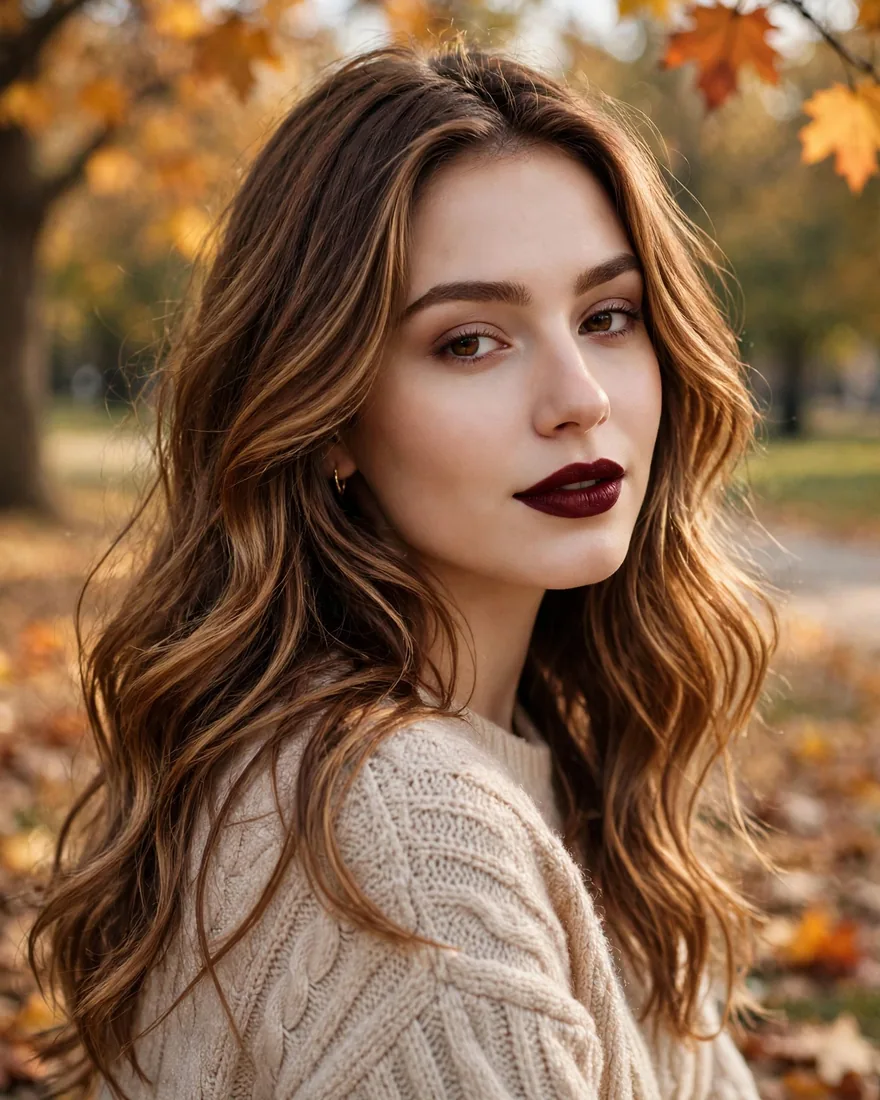
A golden light brown hair base with chestnut — that red-brown hybrid — painted through as balayage. The chestnut adds autumnal depth that golden brown alone can lack, staying as dimension rather than taking over. The most seasonal look here, and it flatters brown eyes beautifully.
Benefits:
- Chestnut depth makes brown and hazel eyes look noticeably richer
- The red-brown tones add warmth without the brassy drift of gold
- Balayage placement means the chestnut grows out as soft warmth
Pro Tip: Chestnut fades fastest — red pigment washes out first. Cool water and a chestnut color-depositing conditioner keep it rich. These dark brown hair ideas show chestnut on richer bases.
How To Style: A smooth blowout with ends curved under is all this needs. If you curl, keep waves loose so chestnut ribbons stay visible.
Best For: Natural bases level 5 to 7; warm and neutral undertones. Anyone with brown or hazel eyes gets the biggest payoff from the chestnut depth.
8. Subtle Ash Brown Highlights
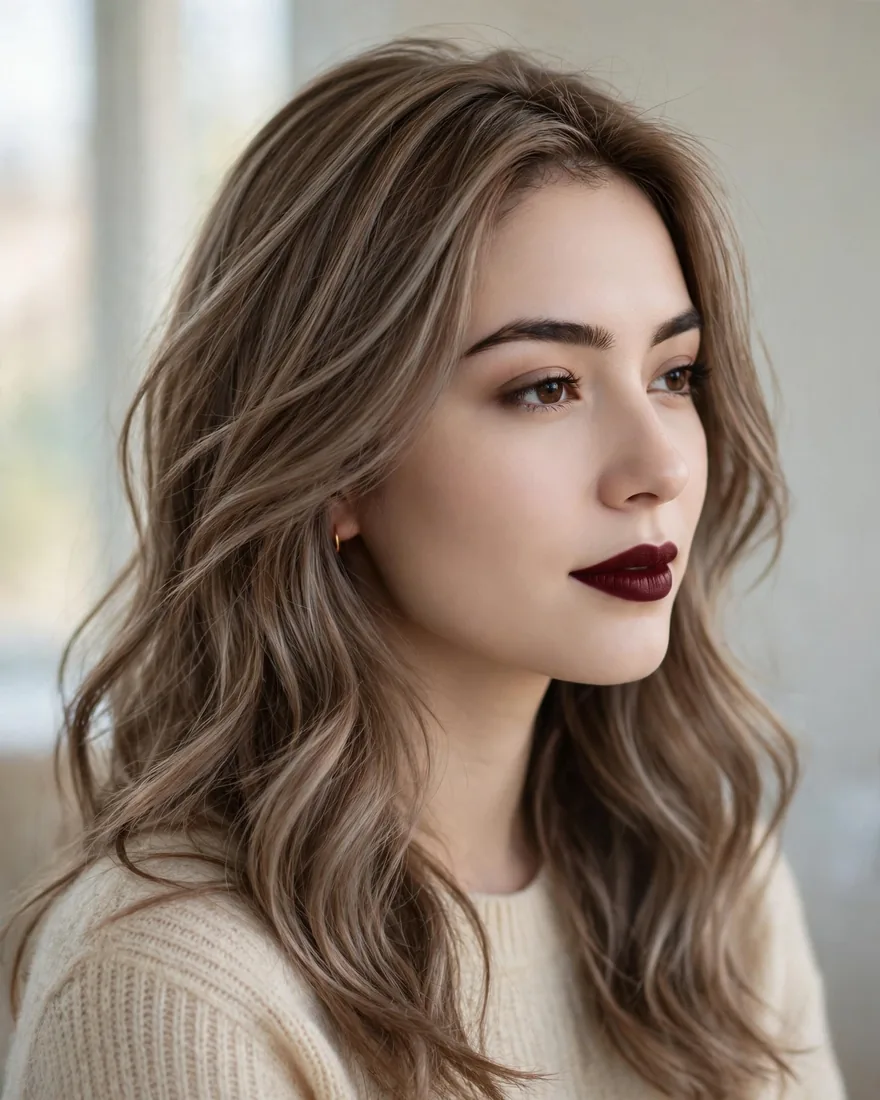
Fine, barely-there ash highlights through a light brown hair base — dimension you feel more than see. Micro-highlights in cool ash lift the base half a level with no visible contrast. Perfect for conservative workplaces and for hair that needs invisible dimension.
Benefits:
- Subtlety means zero regrowth line and the longest stretch between appointments
- Ash micro-highlights neutralize warmth without an obvious cool cast
- Looks natural in every lighting — no harsh lines in sunlight
Pro Tip: Subtle highlights need a skilled colorist more than dramatic ones do — the placement must be perfectly even or the result looks patchy. Ask to see the colorist’s natural-looking highlight work specifically. Compare the effect with these highlights for brown hair options if you want slightly more contrast.
How To Style: No special styling needed — a simple blowout or air-dry both work. Avoid heavy oils, which darken ash tones.
Best For: Natural bases level 6 to 7; cool and neutral undertones. Anyone whose hair pulls warm no matter what — the ash micro-highlights fight the drift invisibly.
9. Soft Autumn Brown Waves

A warm golden-copper light brown hair shade in soft waves — October light in hair form. The shade at its warmest without tipping red: golden base with copper-kissed ends that glow in sunlight. Romantic and dimensional on warm skin.
Benefits:
- The golden-copper warmth adds a healthy glow to pale or tired complexions
- Soft waves show the tonal shift from base to ends beautifully
- Feels seasonal and rich without being a costume color
Pro Tip: Copper-kissed tones oxidize warm over time — what starts golden can drift orange by week six. A blue-based shampoo used once a week keeps the copper golden instead of brassy. Skip purple shampoo; that is for blondes.
How To Style: Wrap sections around a 1.5-inch iron away from the face; brush through gently for soft waves.
Best For: Natural bases level 6 to 8; warm undertones get the most natural result. Green and hazel eyes pop against the copper warmth.
10. Mocha Brown Balayage
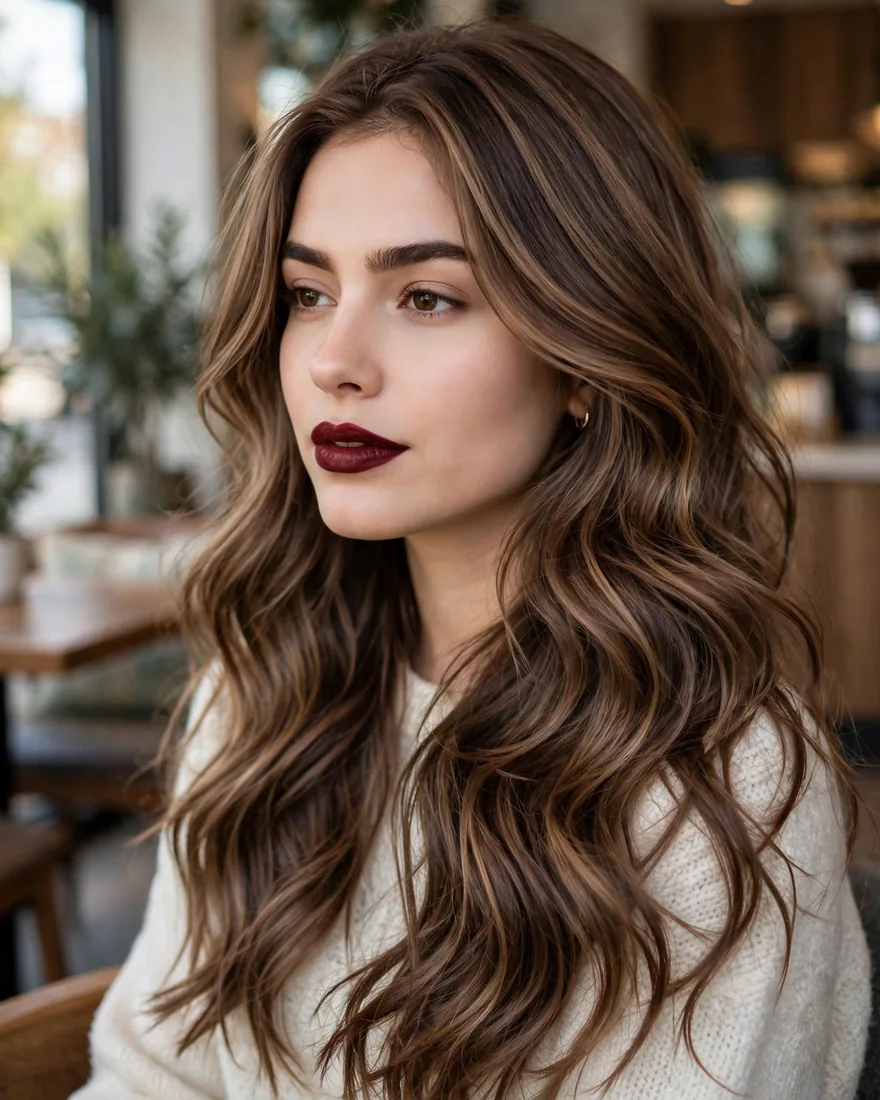
Light brown hair deepened with mocha — coffee-with-cream — painted as balayage for a richer brunette. Mocha sits at light brown’s deeper end, making it the most forgiving option for darker natural bases: soft contrast, invisible grow-out, and a natural-looking result.
Benefits:
- The deeper mocha tones make fine hair look denser through contrast
- Soft contrast means the most natural-looking result of any balayage here
- Flatters the widest range of professional settings — polished but not loud
Pro Tip: Mocha can read flat if the balayage is too subtle — ask for the mocha ribbons to be at least one full level lighter than the base, or the dimension disappears indoors. For the deeper end of the brown spectrum, these brown hair looks show how mocha behaves across bases.
How To Style: Smooth blowout with a large round brush, or loose bends with a flat iron. Mocha dimension shows best in sleek finishes.
Best For: Natural bases level 4 to 6 — the deepest base this list covers comfortably; warm and neutral undertones. Medium-density straight to wavy hair shows the mocha ribbons cleanest.
11. Cider Brown Gloss
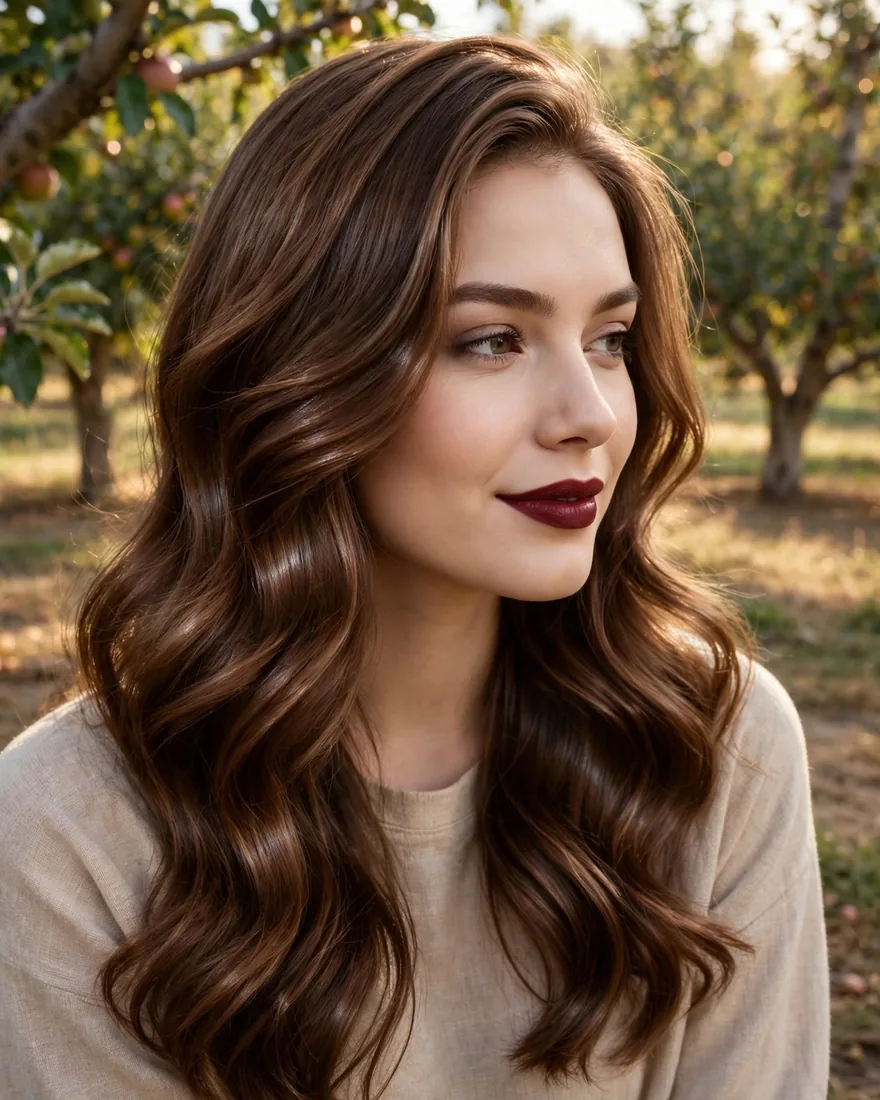
A cider-toned gloss over natural or existing light brown hair — golden-amber warmth and mirror shine with zero commitment. This demi-permanent gloss deposits tone without lifting and fades gracefully over six to eight weeks. Perfect for testing warm tones, or refreshing faded color between appointments.
Benefits:
- Zero damage — gloss only deposits tone, it never lifts natural pigment
- The cider warmth revives faded light brown in a single appointment
- Fades gracefully with no regrowth line whatsoever
Pro Tip: A gloss is also the best fix for light brown that has gone muddy from over-toning — a warm cider gloss reintroduces the golden reflect that ash toners strip away. Ask for it by name when your cool brown starts looking dull rather than smoky.
How To Style: The gloss does the work — style as usual. A paddle brush and shine mist after air-drying makes the cider tone glow.
Best For: Any natural base from level 5 to 8; anyone hesitant about permanent color. Warm and neutral undertones get the most from the cider warmth.
12. Walnut Brown Layers
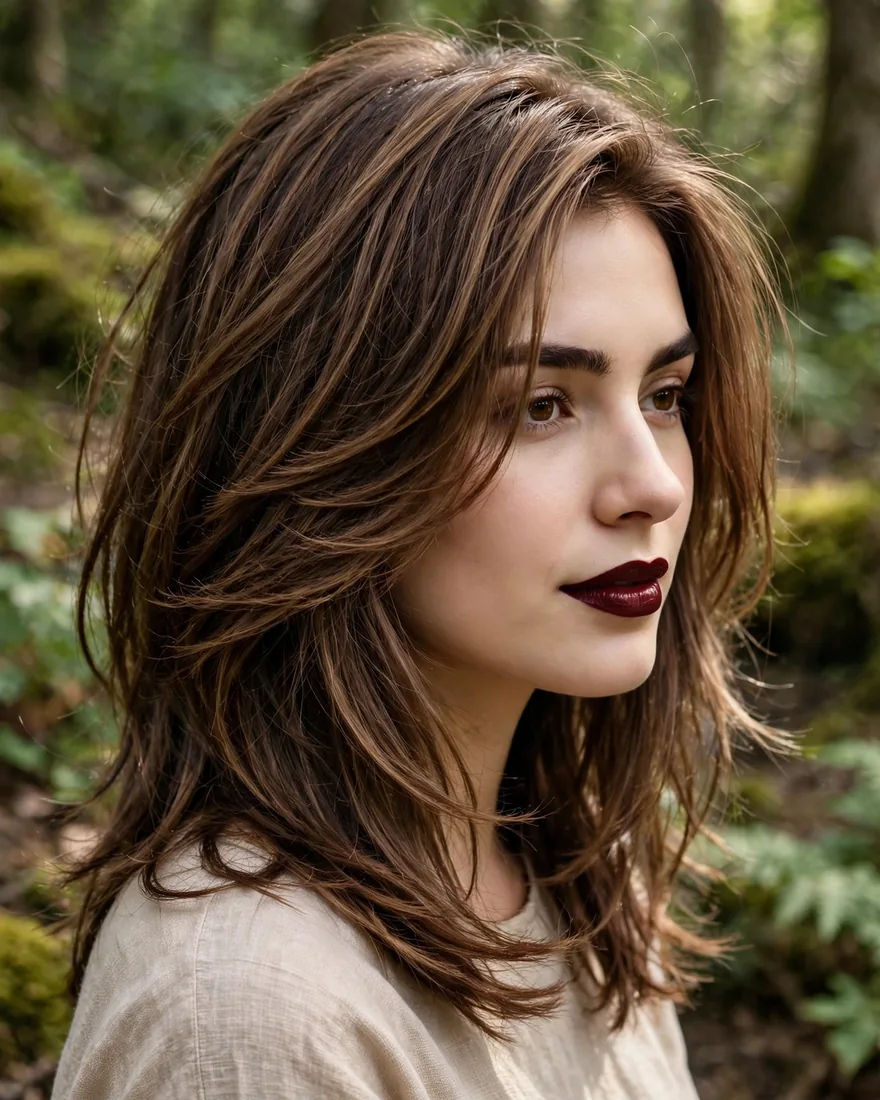
A rich, nutty light brown hair shade — deeper than golden brown, cooler than chestnut — in long layers that show its natural dimension. Walnut has a brunette’s depth with a brown’s lightness, flattering most skin tones because it sits perfectly neutral. The layers keep it from reading heavy.
Benefits:
- Neutral walnut flatters both warm and cool undertones — the safest shade here
- Long layers give the rich tone movement so it never looks one-note
- One of the most natural-looking light browns — reads as “great hair,” not “great color”
Pro Tip: Walnut’s neutrality is its strength and its risk — without enough dimension it can read flat. Ask for the layers to be cut with internal texture (not just perimeter layers) so light moves through the tone.
How To Style: Blow-dry with a round brush, over-directing at roots for lift. Walnut shows best with volume.
Best For: Natural bases level 5 to 7; all undertones, genuinely. Medium to thick hair carries the walnut depth best, though fine hair benefits from the layering.
13. Ombre on Caramel Light Brown
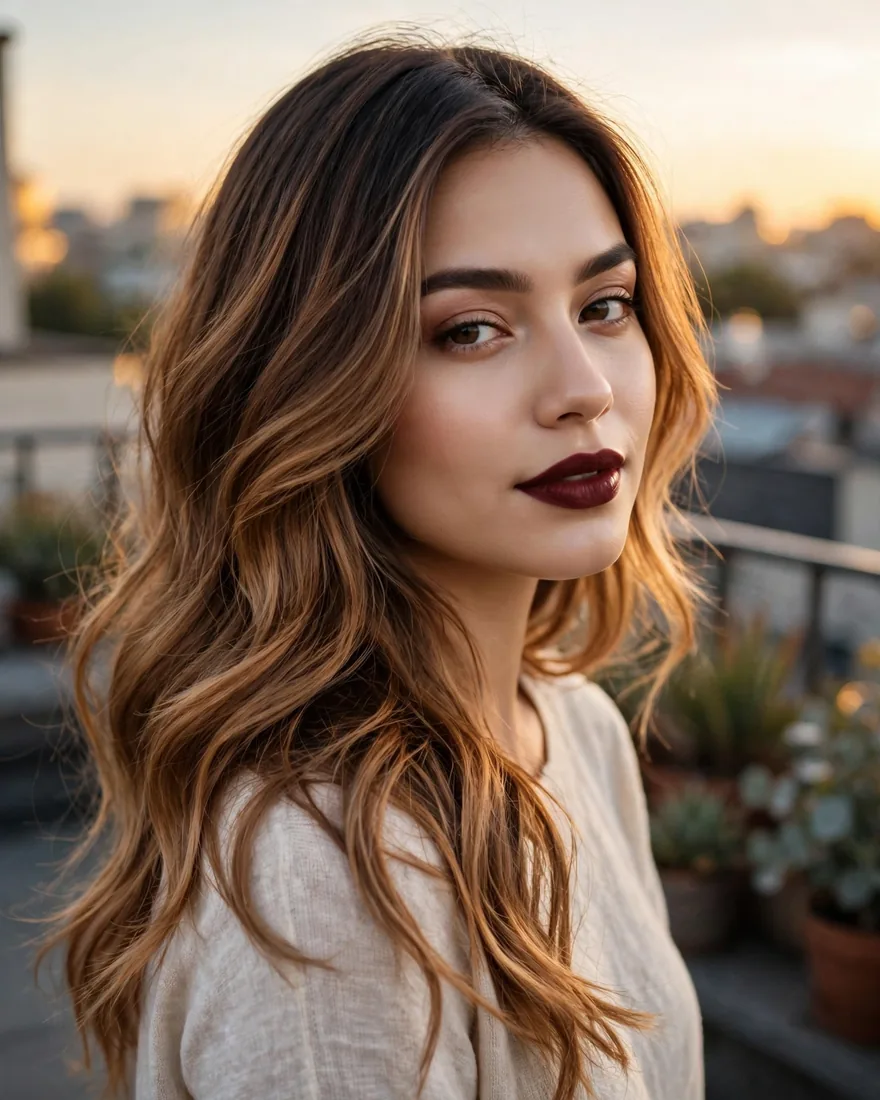
A modern ombre melting from light brown hair roots into caramel ends — soft smudged transition, no harsh line. The transition is melted with a demi-permanent gloss so light brown dissolves into caramel with no demarcation. Sunlit ends with the easiest grow-out of any lightened look.
Benefits:
- The melted transition means the most forgiving grow-out on this list
- Caramel ends make the whole head look lighter without lightening the roots
- Works as a stepping stone toward full balayage if you want more later
Pro Tip: The transition zone is everything — check it in natural daylight before leaving the salon. Overhead salon lighting hides demarcation lines that become obvious in sunlight. A hard line is what dates this look.
How To Style: Curl from mid-shaft down alternating direction, leaving the last inch straight to show the gradient.
Best For: Natural bases level 5 to 7; warm and neutral undertones. Medium to long hair gives the gradient room to develop — on short hair the ombre runs out of real estate.
How the 13 light brown hair looks compare at a glance:
| Style | Best Natural Base | Upkeep Level |
|---|---|---|
| Sun-Kissed Bronde Balayage | Level 5–7 | Low: re-lighten every 3–4 months |
| Creamy Mushroom Brown Bob | Level 6–8, neutral/cool | Medium: toner refresh every 6–8 weeks |
| Honey-Touched Light Brown Layers | Level 6–8 | Medium: honey fades fast, gloss every 6–8 weeks |
| Cool-Toned Light Brown Shag | Level 6–8, cool/neutral | Medium: toning to fight warmth |
| Caramel Drizzle Long Hair | Level 5–7 | Low: toner refresh every 10–12 weeks |
| Golden Bronde Waves | Level 6–8 | Low–medium: gloss every 8–10 weeks |
| Chestnut Balayage on Golden Brown | Level 5–7 | Medium: red fades fast, gloss every 6–8 weeks |
| Subtle Ash Brown Highlights | Level 6–7 | Low: micro-highlights stretch 4+ months |
| Soft Autumn Brown Waves | Level 6–8 | Medium: copper oxidizes, tone weekly |
| Mocha Brown Balayage | Level 4–6 | Low: soft contrast, refresh every 3–4 months |
| Cider Brown Gloss | Level 5–8 | Low: re-gloss every 6–8 weeks, zero damage |
| Walnut Brown Layers | Level 5–7 | Low: all-over tone, gloss as needed |
| Ombre on Caramel Light Brown | Level 5–7 | Low: the gradient hides regrowth for months |
Why Light Brown Drifts (and How to Stop It)
Light brown hair lives in the color spectrum’s most unstable band, and drift goes two directions. First, brassy drift: sun, hard water minerals, and heat styling push light brown warm, so golden browns slide toward orange. This is oxidation — underlying warm pigment gets exposed as cooler toner washes out. If your light brown hair looks great for three weeks then turns brassy, the fix is tone maintenance, not recoloring.
Second, muddy drift — usually self-inflicted over-toning. When brass appears, the instinct is ash toner or purple shampoo, but light brown hair has less pigment than dark brown, so repeated ash toning strips the golden reflect and leaves flat grayish-beige. Tone only when you see warmth, and stop when the brass is gone. A clear gloss between appointments restores shine without shifting color.
Prevention beats correction. Wash lukewarm — hot water accelerates toner loss. Use color-safe shampoo plus one tone-specific product for your drift direction: blue shampoo for orange drift, gold-depositing conditioner for muddy drift. Heat protectant every time you heat-style. And get a professional gloss every six to eight weeks — cheaper than chasing drift with box products.
Which Natural Bases Reach Light Brown Without Bleach
It depends entirely on your starting level. Natural hair at level 6 to 8 (dark blonde through medium brown) usually reaches light brown hair with permanent color alone — no bleach, one appointment, no damage. The colorist lifts and deposits in a single process. This ideal scenario covers most people considering light brown.
Natural bases at level 4 to 5 (medium to dark brown) typically need lightener — but not full bleach. A high-lift tint or gentle balayage bridges one to two levels; the mocha and bronde techniques here lighten strategically so most hair never sees lightener. One honest warning: near-black to light brown hair in a single session is how damage happens — plan two appointments six to eight weeks apart.
Previously colored hair is a different calculation. Box-dyed dark brown or black needs a color remover or careful lightening — less predictable than virgin hair. Be upfront about every box dye in the last two years. And if hair is compromised from old bleach, the cider gloss is the safest entry: it adds light brown hair tone with zero lift while hair recovers.
Honest Maintenance Cadence for Light Brown
Light brown hair asks for rhythm, not rescue. The baseline: a gloss refresh every six to eight weeks — the highest-impact habit for any light brown, resealing the cuticle and restoring shine in one appointment. Between glosses: color-safe shampoo, lukewarm water, heat protectant always, and one tone-specific product weekly at most.
Full color is rarer than expected. All-over light brown hair needs roots every six to ten weeks — closer to your natural color means longer. Balayage and ombre stretch to three or four months between lightening with only toner glosses between. Subtle ash highlights go longest, often four to six months. Over a year, balayage light brown usually costs less than all-over color needing constant roots.
Budget honestly. A gloss is the cheapest salon service and the one that matters most — skipping it is how good color looks cheap by month three. At home, buy the right shampoo for your tone direction, not a shelf of generics. Light brown hair rewards consistency over intensity.
FAQs
What is the difference between bronde and light brown hair?
Bronde is a technique — brown and blonde tones blended through balayage with visible lightness. Light brown is the base shade itself, wearable all-over with no blonde at all. Bronde is always light brown plus blonde dimension; light brown can be solid, highlighted, or bronde.
Why does my light brown hair turn brassy?
Brassiness is oxidation, not fading. As cool toner washes out over three to six weeks, your hair’s natural warm pigment gets exposed — sun, hard water, and heat accelerate it. Fix it with tone maintenance: blue shampoo weekly for orange drift plus a gloss every six to eight weeks, not a full recolor.
Do I need bleach to get light brown hair?
Not always. Bases at level 6 to 8 usually reach light brown with permanent color alone — no bleach. Level 4 to 5 typically needs a high-lift tint or gentle balayage. Only very dark or box-dyed hair generally requires lightener, and bronde balayage lightens strategically rather than globally.
What natural color suits mushroom brown best?
Best on natural bases level 6 to 8 with neutral to cool undertones — ashy hair takes it most easily. It is salon-only: the creamy finish comes from custom toner, and box “ash brown” often goes green. Warm bases can wear it with more frequent toning.
Can dark hair go light brown in one session?
Possible but risky — it usually needs aggressive lightening that compromises hair health. Safer: two appointments six to eight weeks apart, or a bronde balayage that lightens strategically. Box-dyed dark hair is the hardest case and needs an honest consultation first.
How often does light brown need a gloss refresh?
Every six to eight weeks. The gloss is the highest-impact habit for light brown hair — it reseals the cuticle and restores shine in one inexpensive appointment. Skipping glosses is why salon color looks dull by month three. Between visits, a tone-specific shampoo weekly keeps color on track.
Does light brown hair fade faster than dark brown?
Not faster, but fading shows more. Dark brown has more pigment depth to lose before change is visible; light brown’s narrower band means small tonal shifts read immediately. The difference is maintenance style: dark brown needs root touch-ups, light brown needs tone management through glosses.
Which light brown tone suits warm vs cool skin?
Warm undertones (green veins, gold jewelry) glow in honey, caramel, golden bronde, and chestnut. Cool undertones (blue/purple veins, silver jewelry) suit mushroom and ash shades. Neutral undertones can wear everything — walnut is the safest universal pick. Match shade temperature to your undertone.
Light brown hair earns its reputation as the most versatile mid-tone for a reason: it flatters nearly every skin tone, it photographs beautifully, and it never really goes out of style. The difference between light brown that looks expensive and light brown that looks tired comes down to three decisions — the right tone family for your natural base, a maintenance rhythm you actually follow, and drift prevention instead of drift correction. Get those three right, and any of these 13 looks will carry you through the season glowing.