Wolf Cut – 12 Viral Styles You Should Try in 2026
Everyone wants the wolf cut until the appointment is booked. Then the doubts arrive: will it grow out into a full mullet by month three? Will those choppy layers fall flat on straight, fine hair? And what if you hate the bangs in week two — are you stuck with them? These fears are reasonable, because a wolf cut is a commitment: short, textured crown layers paired with longer length, and most of the regret stories come from picking the wrong version for the wrong hair.
This guide fixes that. Below are 12 genuinely different wolf cut styles — not 12 near-identical photos — each with honest advice on who it suits, how much daily styling it really needs, what to ask your stylist for, and the limits nobody mentions. Find your match first, then book with confidence.
Table of Contents
- 12 Wolf Cut Styles That Define 2026
- Wolf Cut vs Butterfly Cut vs Shag: Which Is Yours
- How to Choose the Right Wolf Cut for Your Face Shape and Hair
- Common Mistakes to Avoid
- FAQs
- How much does a wolf cut really cost, including upkeep?
- Can I try a wolf cut without cutting my hair?
- Who should NOT get a wolf cut?
- How long does a wolf cut take to grow out?
- Does a wolf cut work on thin hair or thick hair?
- Do I have to get bangs with a wolf cut?
- How much daily styling does a wolf cut need?
- Will coloring damage my wolf cut layers?
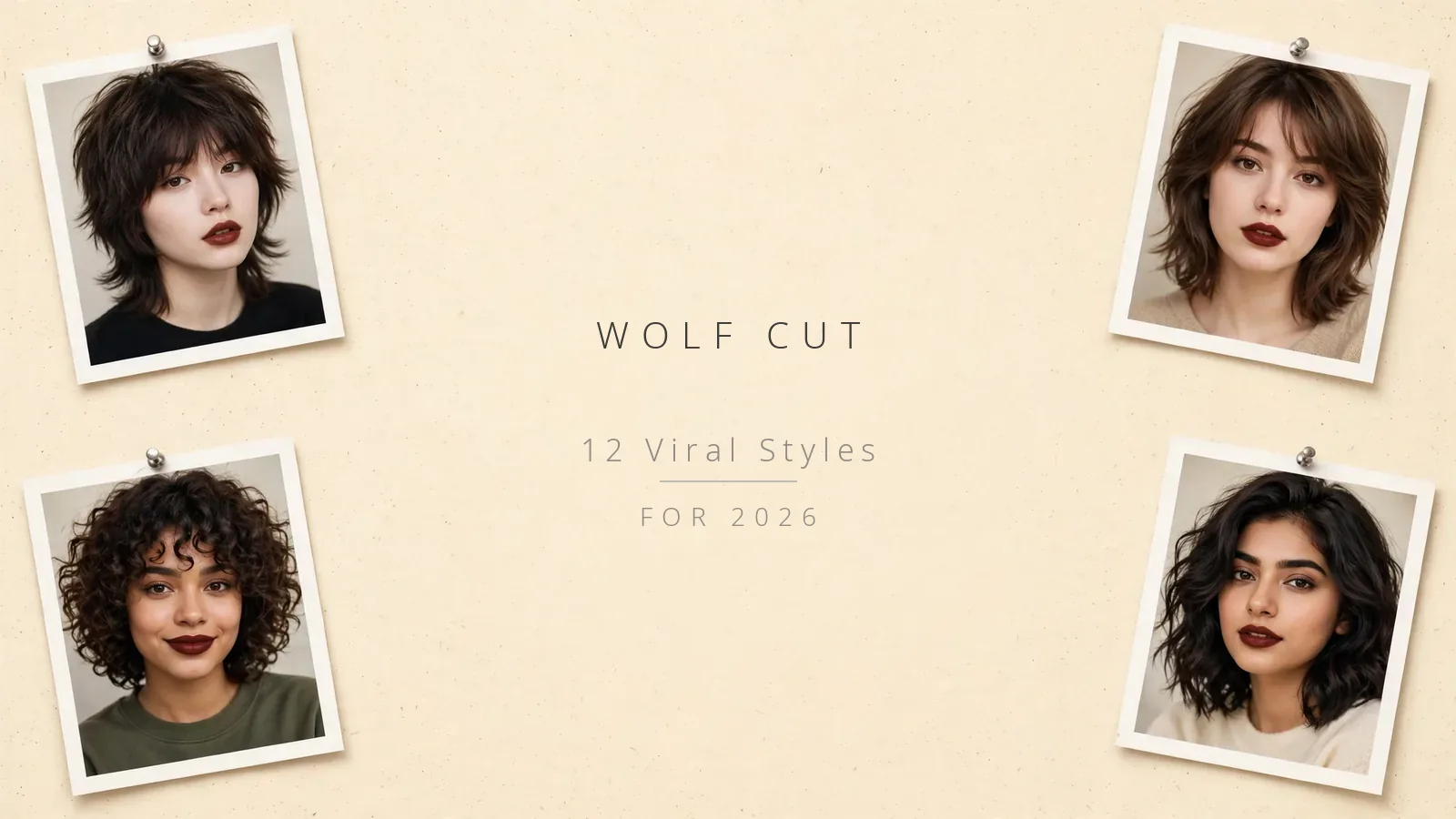
12 Wolf Cut Styles That Define 2026
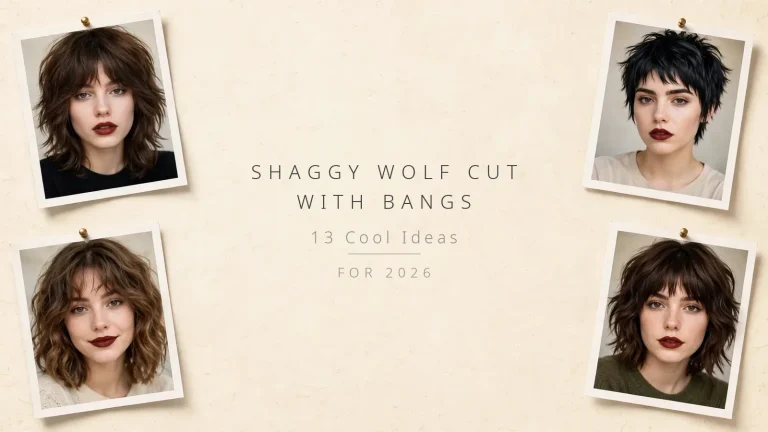
1. Classic Shag-Mullet Wolf Cut
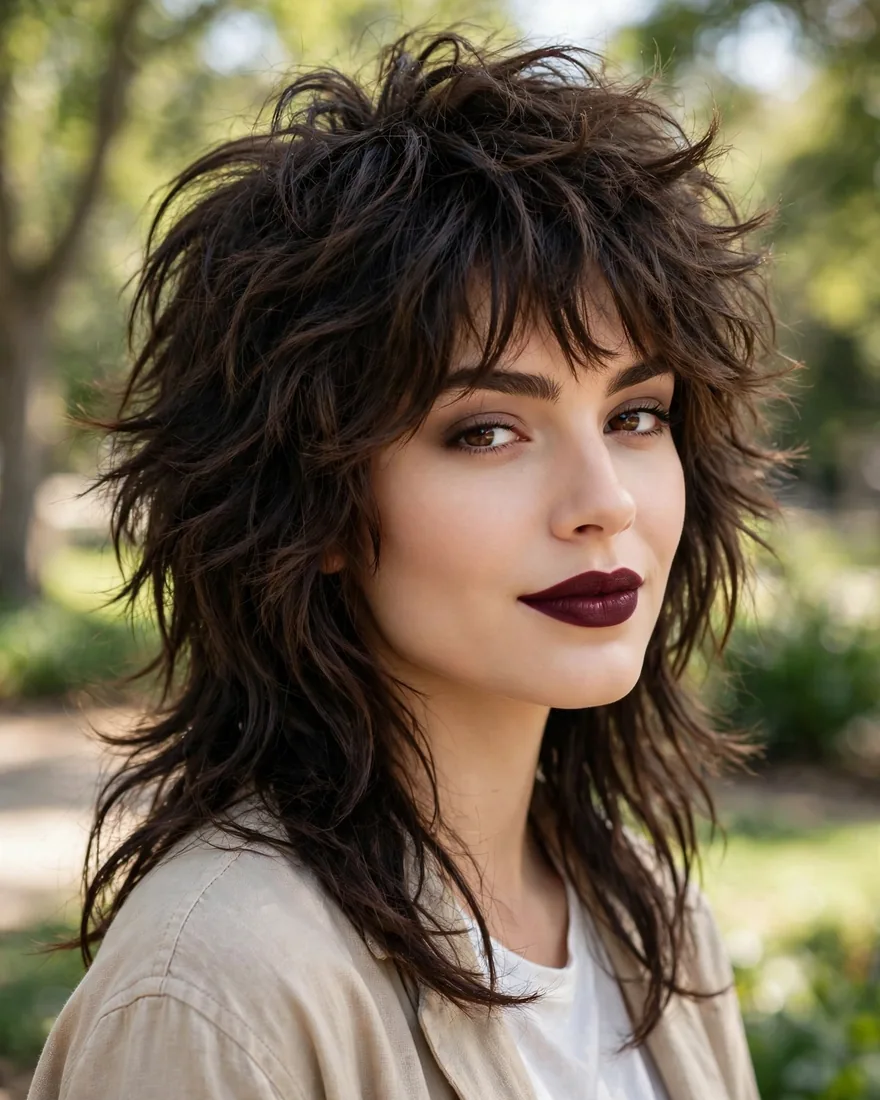
The original blueprint: a heavily layered crown falling into mullet-like length at the back, with piecey bangs. This is the version that went viral, and it still works best on medium to thick hair with natural wave. It looks effortless in photos, but be honest with yourself — it wants texture, and straight fine hair will need help every morning. If you want the full shag treatment with heavier fringe, our shaggy wolf cut with bangs guide breaks down every variation.
Benefits:
- Maximum volume at the crown where most haircuts fall flat
- Grows out into a deliberate shape rather than an awkward one
- One cut that reads edgy, retro, and modern all at once
Pro Tip: Ask for point-cutting through the crown, not blunt chops — blunt layers on this cut read mullet, point-cut layers read wolf.
How To Style: Rough-dry upside down for volume, then twist small sections with a dab of matte paste. Five minutes, done.
Best For: Oval and heart face shapes; medium to thick wavy or curly hair.
2. Soft Wolf Cut

The version for people who are scared of the full look. The layers are longer, the crown is less dramatic, and the bangs blend instead of chop. It keeps the silhouette — volume on top, tapered ends — without the commitment of heavy texture. This is the safest first wolf cut, and the easiest to grow out if you change your mind. It also plays well in conservative workplaces where the edgy versions would raise eyebrows.
Benefits:
- Lowest regret risk of any variation here
- Works in professional settings without looking rebellious
- Minimal styling — air-dries into shape on most hair
Pro Tip: Tell your stylist “soft layers, keep the length” — the moment the crown goes too short, it stops being soft.
How To Style: Air-dry with a little leave-in cream, or a quick round-brush pass for polish.
Best For: Round and square face shapes; fine to medium straight or wavy hair; first-timers.
3. Short Edgy Wolf Cut
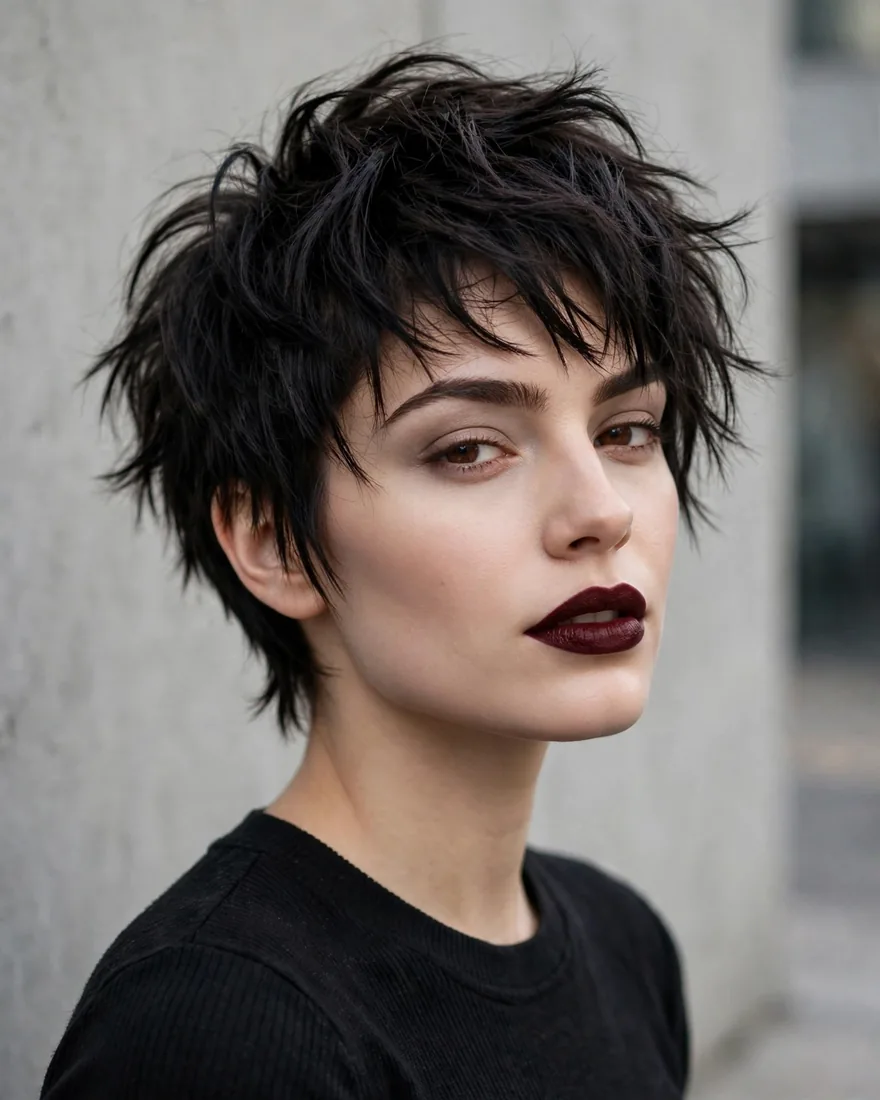
Cropped at the nape with a bold, choppy crown and statement bangs, this one is turned all the way up. It photographs incredibly and needs the least product of any version — but it is the highest-maintenance for trims, because short layers lose their shape fast. This is not a wash-and-go cut; it is a style-every-morning cut. Own that before you commit.
Benefits:
- Dramatic transformation with relatively little hair removed overall
- Tiny amount of product needed — texture does the work
- Makes fine hair look twice as thick at the crown
Pro Tip: Book the trim at the same appointment — short wolf cuts need reshaping every 4 to 6 weeks, not 8.
How To Style: Blow-dry the crown forward with fingers, pinch ends with wax. Skip the round brush; this cut wants rough.
Best For: Oval and long face shapes; fine to medium hair that needs volume; confident stylers.
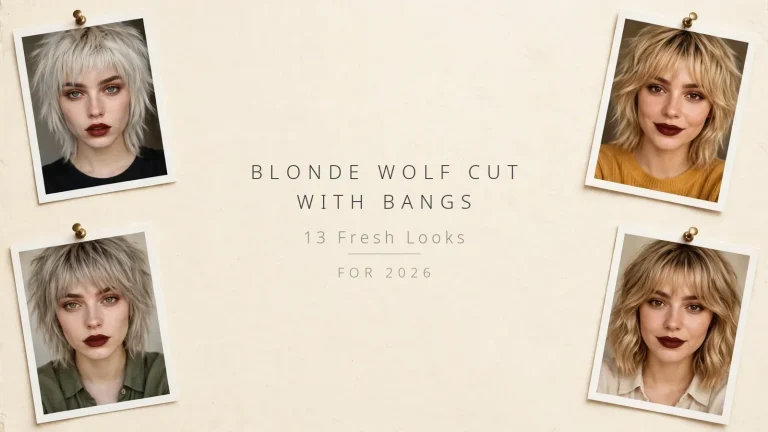
4. Medium Versatile Wolf Cut

Shoulder-grazing length with balanced layers — the most wearable of the twelve, and the one stylists recommend most. It ties back into a ponytail without a fight, survives gym days, and takes color beautifully. Medium length also shows off dimensional blonde shades better than any other length, which is why the blonde wolf cut with bangs looks so good at this length. If you can only pick one version blind, pick this one.
Benefits:
- Ponytail- and gym-friendly — the fringe still behaves when tied back
- Flatters nearly every face shape with small adjustments
- The easiest version to grow out or reshape later
Pro Tip: Keep the shortest crown layer at cheekbone level, not higher — that is the line between versatile and mullet.
How To Style: Air-dry or diffuse; scrunch in salt spray for texture days, smooth with serum for polished days.
Best For: All face shapes; all hair densities; anyone who wants the look without the lifestyle change.
5. Long Dramatic Wolf Cut

Full-length hair with a shaggy, voluminous crown — for people who refuse to lose their length. The drama comes from the contrast: short, piecey layers up top melting into long ends. It needs the most detangling care, and very thick hair may need serious debulking to avoid a triangle silhouette. Pair it with face-framing fringe for the full effect — the long wolf cuts with curtain bangs guide covers that combination in detail.
Benefits:
- Keeps your length while adding the signature movement
- Styling options stay endless: braids, buns, waves all still work
- The contrast between crown and ends photographs beautifully
Pro Tip: Ask for internal layers (hidden under the top layer) rather than surface chops — long hair shows every harsh cut line.
How To Style: Focus volume at the roots with a blow-dryer; let the lengths fall naturally or add loose waves with an iron.
Best For: Long and oval face shapes; medium to thick straight or wavy hair.
6. Curly Wolf Cut
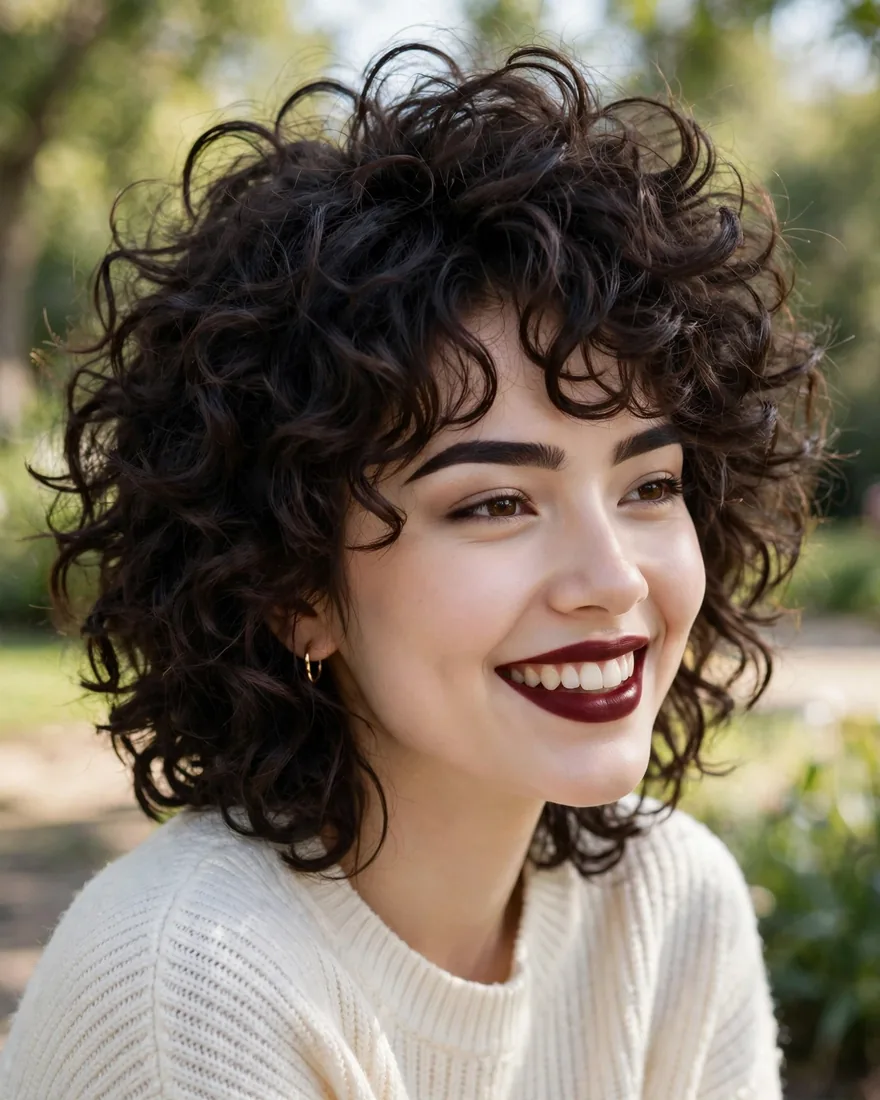
Arguably this style’s truest form — curls already have the volume and texture the cut is trying to create. The layers let each curl spring at its own length instead of stacking into a pyramid. But it must be cut dry or by a curl specialist; cutting curls wet and hoping for the best is how shrinkage disasters happen. Done right, it is the lowest-effort version there is. Our curly wolf cut styles guide goes deep on curl patterns and cutting methods.
Benefits:
- Curls do the styling work — wash, scrunch, done
- Layers prevent the dreaded triangle shape curly cuts fall into
- Shrinkage actually works in your favor, adding crown height
Pro Tip: Never let anyone razor-cut your curls for this — razors create frizz on curly hair. Scissors and point-cutting only.
How To Style: Scrunch in curl cream on soaking-wet hair, diffuse or air-dry. Refresh with water, not more product.
Best For: All face shapes; 2B to 3C curl patterns especially.
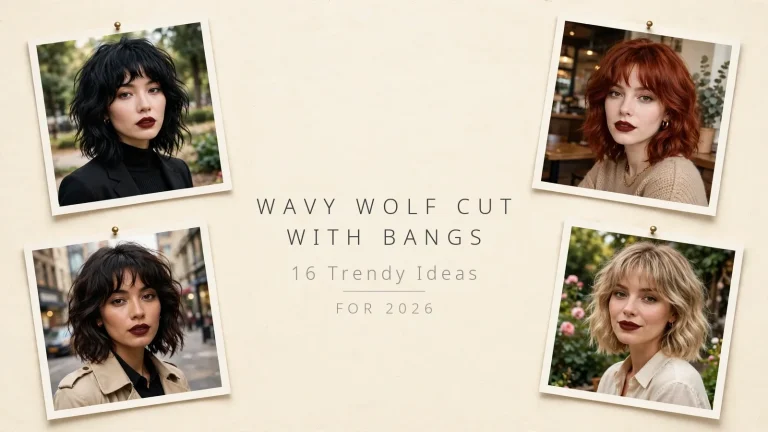
7. Wavy Wolf Cut
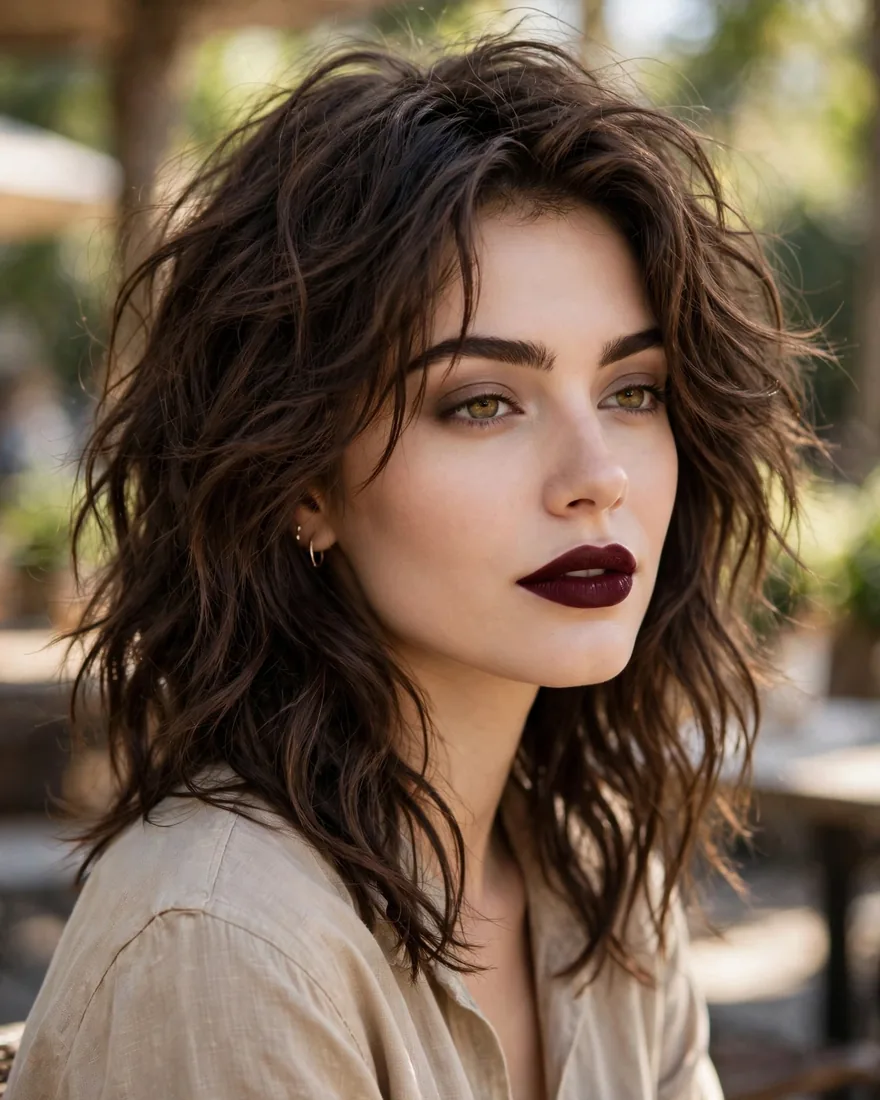
The sweet spot between straight and curly: natural waves get amplified by the layering into that effortless, slept-in texture everyone is chasing. This is the version you see most on social media because waves photograph like texture even when you did nothing. The catch is that truly straight hair will not magically wave — you will need heat or overnight braids. For the full breakdown of wave patterns and products, see wavy wolf cut with bangs.
Benefits:
- The most “effortless” looking of all the versions
- Second-day hair genuinely looks better than wash day
- Waves hide grow-out better than any other texture
Pro Tip: Salt spray on damp hair, then do not touch it while it dries — touching waves while they set creates frizz, not texture.
How To Style: Scrunch with mousse, diffuse on low heat, or braid damp hair overnight for heat-free waves.
Best For: Oval, heart, and long face shapes; naturally wavy to wavy-straight hair.
8. Straight Textured Wolf Cut
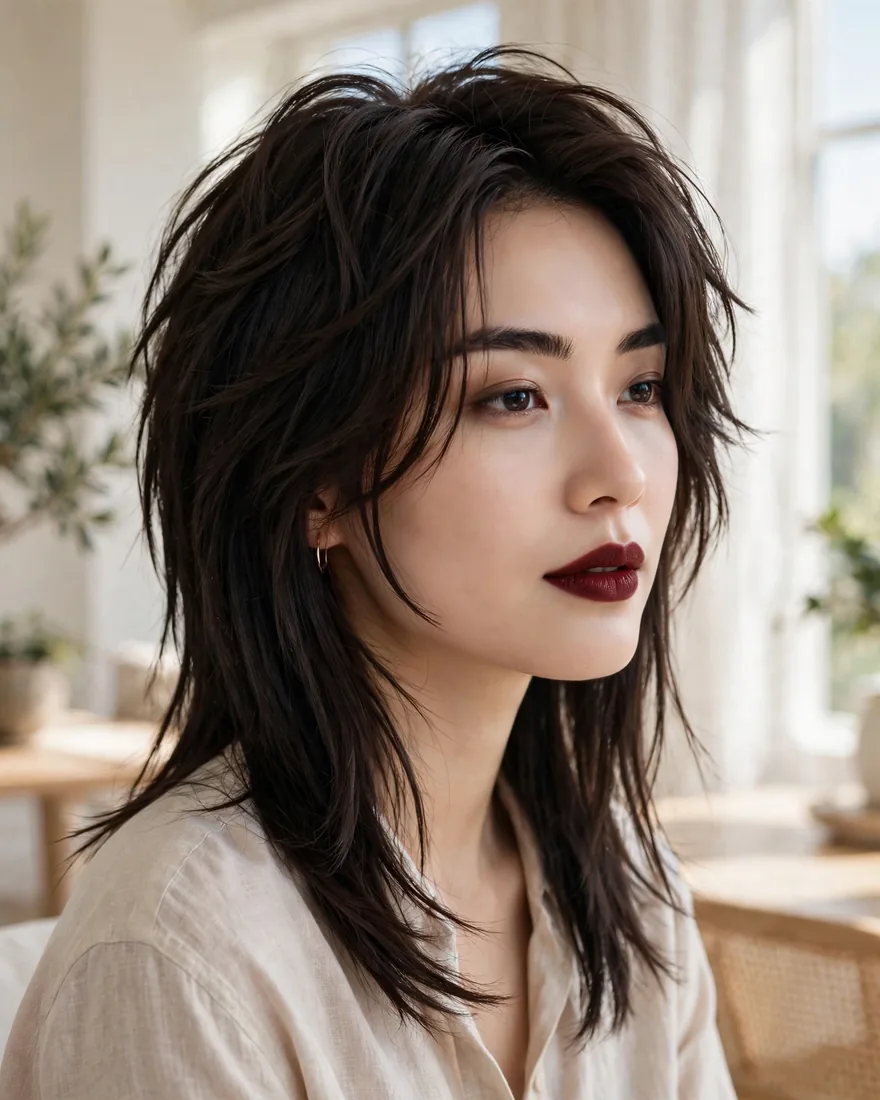
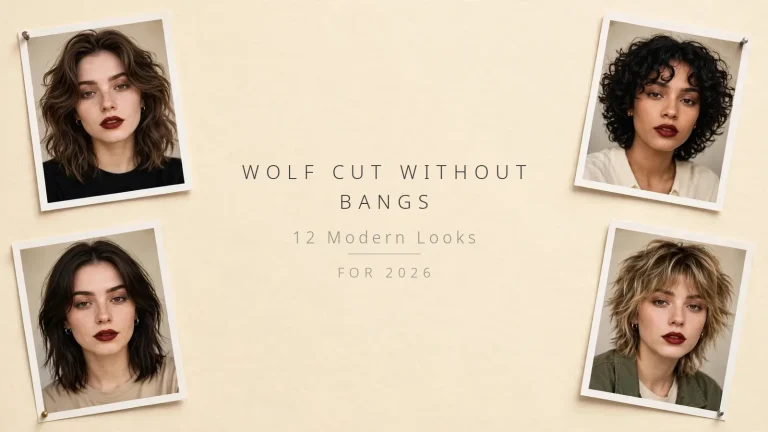
Proof that waves are not required: on straight hair, the texture comes from the cutting technique itself — point-cutting, slide-cutting, and razor work that create movement in otherwise flat hair. It looks sleek-edgy rather than tousled, and it is the sharpest, most fashion-forward version. The trade-off: it needs the most precise cutting, so choose your stylist carefully. And if bangs are the part holding you back, the wolf cut without bangs keeps this exact silhouette with a clean forehead.
Benefits:
- The most polished, editorial version of the cut
- Shows off shine and healthy ends better than textured versions
- Fastest morning routine — straight hair air-dries straight
Pro Tip: This version lives or dies on the cut quality. Bring reference photos of straight-hair wolf cuts specifically, not wavy ones.
How To Style: Blow-dry smooth with a paddle brush, or flat-iron sections and flick the ends. A pea of serum, no more.
Best For: Oval and heart face shapes; naturally straight medium to thick hair.
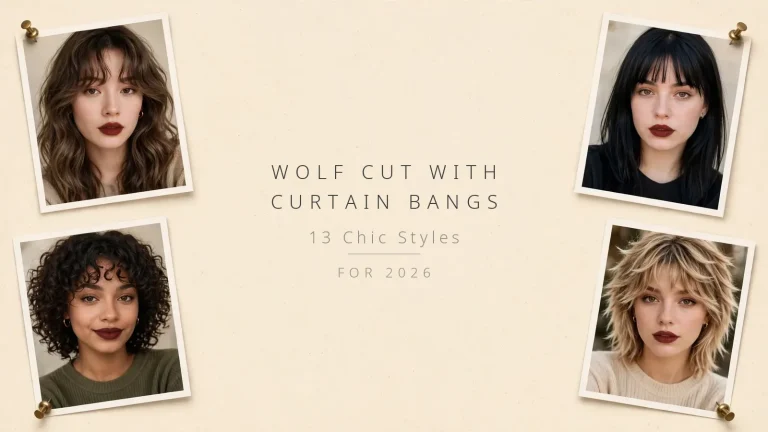
9. Curtain-Bang Wolf Cut
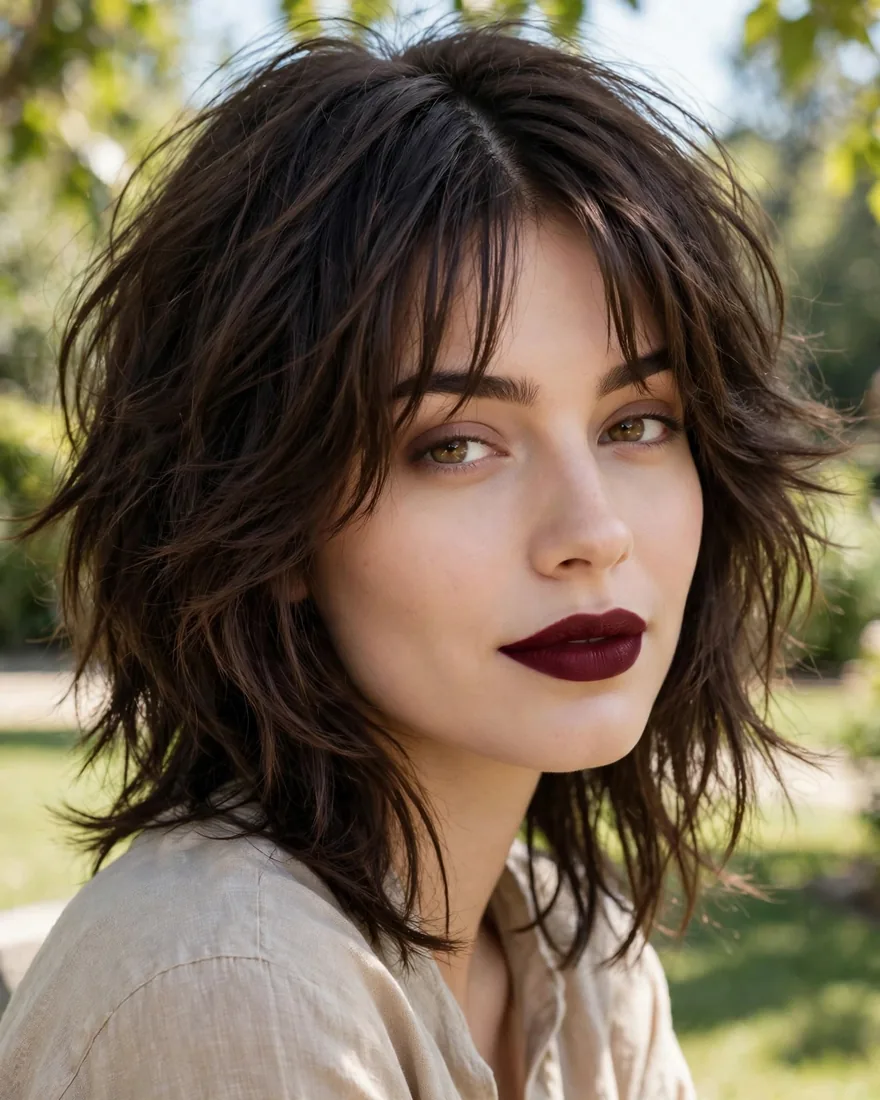
The curtain-bang version is this cut at its most wearable: a center-parted fringe that drapes along the cheekbones instead of sitting heavy on the forehead. It softens every face shape, grows out gracefully, and works with glasses — which blunt bangs do not. It is also the version most people actually picture when they hear the name. The full mechanics of the drape, the bedhead reset, and the trim schedule are in our wolf cut with curtain bangs guide.
Benefits:
- The most face-flattering fringe option — suits nearly everyone
- Grows out into face-framing layers instead of an awkward stage
- Works with glasses and sunglasses, unlike blunt bangs
Pro Tip: The curtain part must be cut longer than you think — chin-grazing at minimum, or it springs up too short.
How To Style: Blow-dry the fringe away from the face with a round brush, or twist damp and let it set while you do makeup.
Best For: Round, square, and heart face shapes; all hair textures.
10. Colored Money-Piece Wolf Cut
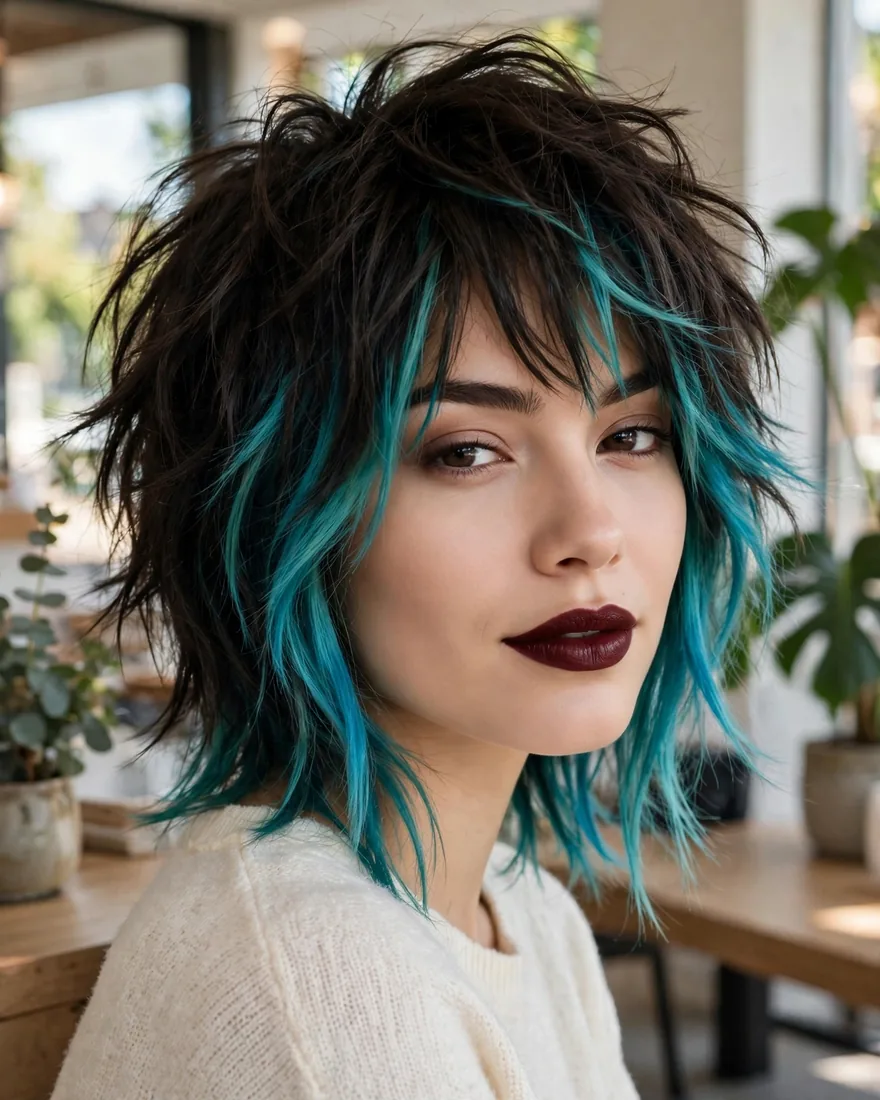
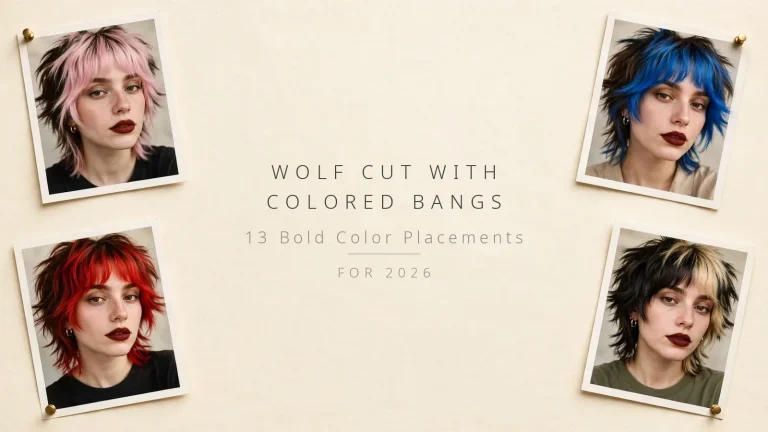
Color as architecture: bright face-framing pieces painted through the front layers, drawing the eye exactly where you want it. The money piece makes the cut’s layering visible even in flat lighting, and it is far lower-commitment than all-over color — regrowth is a feature, not a flaw, when it is only the front. Bleach wisely, though: the short crown layers are the most damage-prone part of any textured cut. For bolder full-fringe color ideas, browse wolf cut with colored bangs.
Benefits:
- Makes the layering pop without changing the cut itself
- Regrowth blends naturally — no harsh line like all-over color
- Cheaper and faster than full-head coloring
Pro Tip: Keep bleach off the very shortest crown pieces if your hair is fine — that is where breakage shows first.
How To Style: Style as usual; add a color-depositing conditioner once a week to keep the money piece vivid.
Best For: All face shapes; anyone wanting impact without full color commitment; medium to thick hair.
11. Shullet Wolf Cut
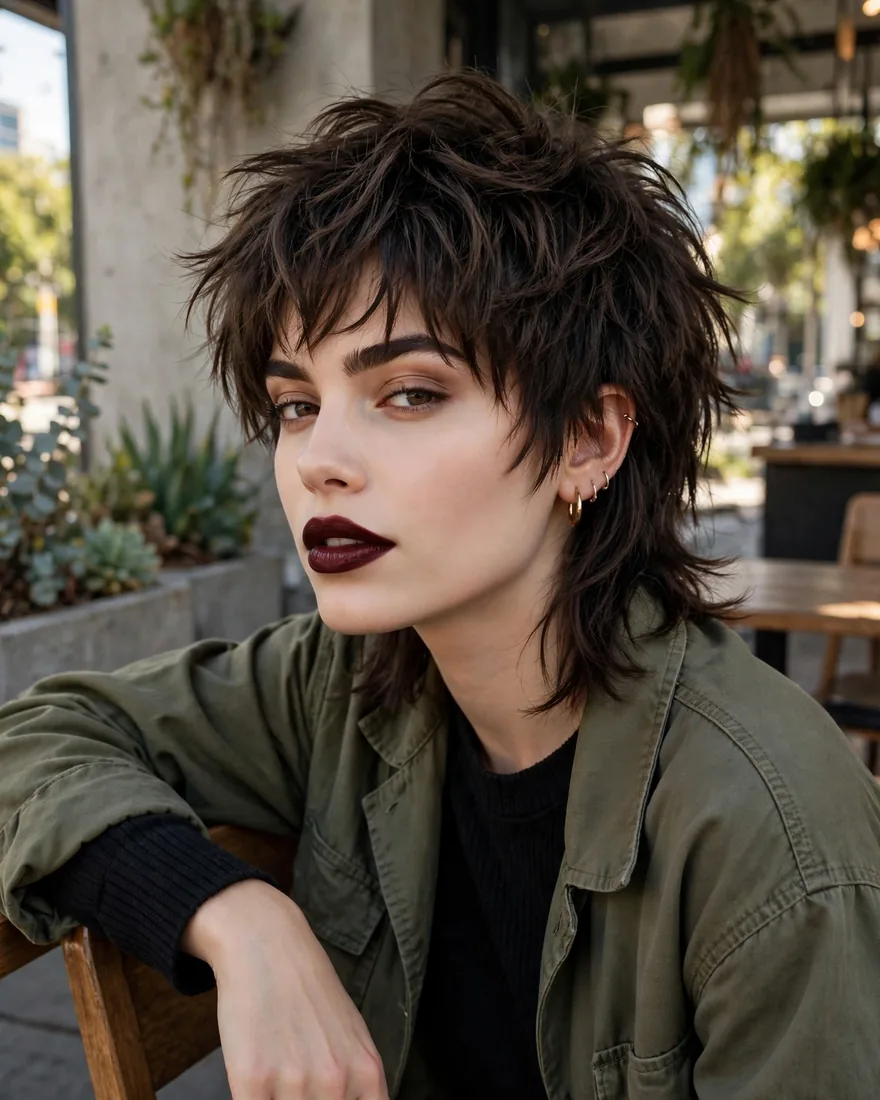
The shag-mullet hybrid’s sleeker cousin: longer, more blended layers than the classic version, with the mullet length kept subtle. It reads more 70s rock than TikTok edgy, and it is the version your stylist probably already knows how to cut. If the classic wolf cut feels too choppy for you, the shullet is the compromise that still delivers movement. It suits thicker hair especially well, since the blending tames bulk without thinning shears.
Benefits:
- The most “grown-up” version — works at any age
- Blended layers mean less daily styling to look intentional
- Handles very thick hair better than choppier versions
Pro Tip: Ask for “long blended layers with a shorter crown” rather than saying “shullet” — half of stylists will not know the term.
How To Style: Blow-dry with a round brush for the feathered finish, or air-dry for a relaxed version.
Best For: Oval and square face shapes; thick straight to wavy hair.
12. Korean Soft Wolf Cut
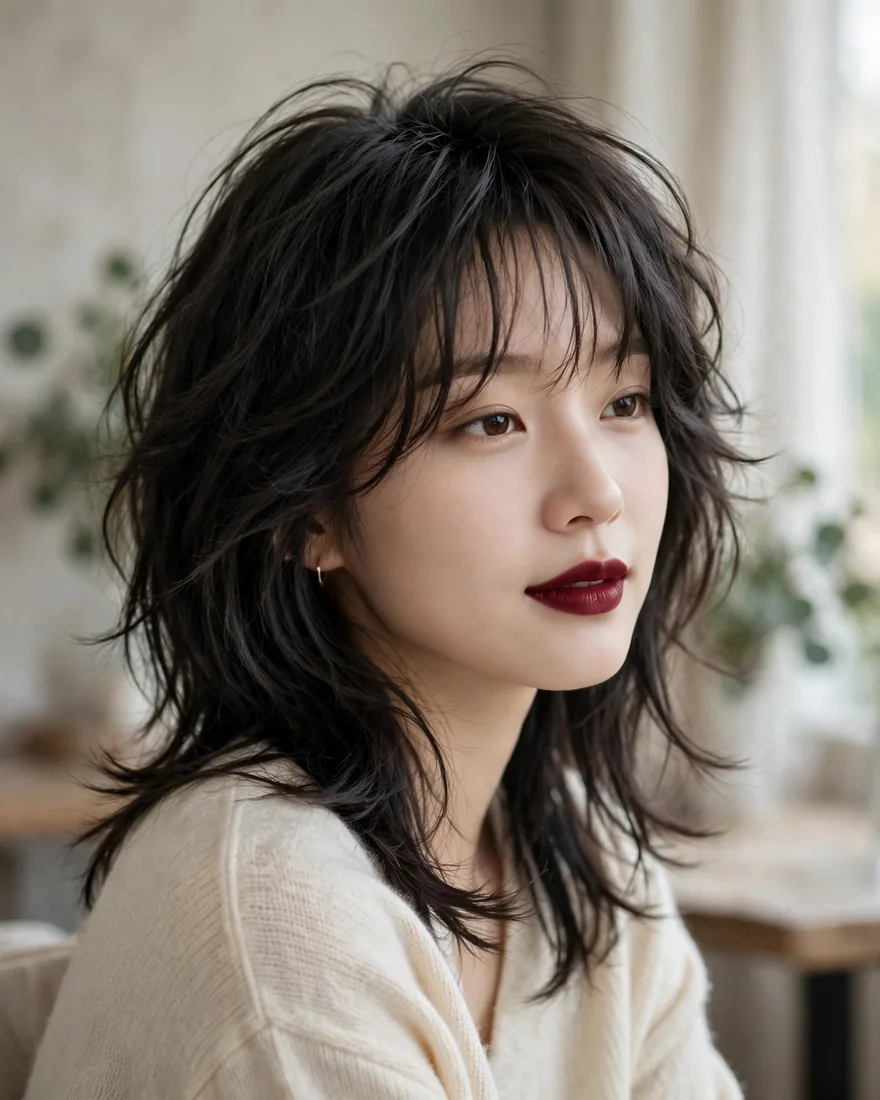
The K-beauty interpretation: hush-cut softness, airy curtain fringe, and layers so blended they look untouched. It is the edgy cut stripped of edge — romantic, face-framing, and extremely flattering on straight to slightly wavy hair. The styling secret is the C-curl blow-dry at the ends, which gives the signature soft flip. It needs the least product of any version but the most blow-dry skill, so practice the technique before committing.
Benefits:
- The most universally flattering version — hard to get wrong
- Looks polished with minimal product
- Grows out beautifully thanks to the blended cutting
Pro Tip: The C-curl ends are the whole look — if you will not blow-dry, pick a different version.
How To Style: Round-brush the ends under into a soft C shape; a light cream keeps it smooth without stiffness.
Best For: Round and heart face shapes; straight to slightly wavy fine to medium hair.
Wolf Cut vs Butterfly Cut vs Shag: Which Is Yours
These three get confused constantly, and picking the wrong one is the top source of haircut regret. Here is the honest breakdown. The wolf cut is short, textured crown layers with longer length — maximum contrast, maximum edge. It suits people who want visible texture and do not mind daily styling. The butterfly cut keeps long, face-framing layers that mimic short hair when tucked — it is the illusion of a big change with none of the commitment, and it suits people who want movement without losing the safety of long hair. The shag is the wolf cut’s parent: all-over layers with heavy bangs, rock-and-roll rather than edgy-modern.
Pick this cut if you want texture and edge and will style it. Choose the butterfly cut if you want the look of layers in photos but need to tie your hair back daily or work somewhere conservative. Choose the shag if you want the full retro statement with bangs as the main event. None is objectively better — they solve different problems, and being honest about your lifestyle picks the right one.
How the 12 styles compare at a glance:
| Style | Best Face Shape | Best Hair Type |
|---|---|---|
| Classic Shag-Mullet Wolf Cut | Oval, heart | Medium–thick wavy/curly |
| Soft Wolf Cut | Round, square | Fine–medium straight/wavy |
| Short Edgy Wolf Cut | Oval, long | Fine–medium |
| Medium Versatile Wolf Cut | All | All densities |
| Long Dramatic Wolf Cut | Long, oval | Medium–thick straight/wavy |
| Curly Wolf Cut | All | 2B–3C curls |
| Wavy Wolf Cut | Oval, heart, long | Naturally wavy |
| Straight Textured Wolf Cut | Oval, heart | Straight, medium–thick |
| Curtain-Bang Wolf Cut | Round, square, heart | All textures |
| Colored Money-Piece Wolf Cut | All | Medium+ (color-safe) |
| Shullet Wolf Cut | Oval, square | Thick straight–wavy |
| Korean Soft Wolf Cut | Round, heart | Fine–medium straight/wavy |
How to Choose the Right Wolf Cut for Your Face Shape and Hair
Start with your hair, not your face. Thick hair needs debulking and blended layers (shullet, long dramatic); fine hair needs short crown layers and texture products (short edgy, classic). Curly hair should go to a curl specialist and be cut dry. Straight hair needs a precision cut — the texture has to be cut in, not hoped for. If your hair cannot hold a wave for more than an hour, do not pick the wavy version expecting magic.
Then the face shape, honestly. Round faces want height at the crown and length past the chin — avoid heavy blunt bangs that widen. Long faces want width: curtain bangs and cheekbone layers shorten visually. Square faces want softness around the jaw — curtain bangs and feathered ends, not sharp chops at the jawline. Heart faces want balance at the chin, which these layers do naturally. And who should skip it entirely? Very fine, limp hair that collapses by noon; anyone unwilling to spend five minutes styling; and tight corporate dress codes — the soft version is the only one that passes there.
Common Mistakes to Avoid
The biggest mistake is removing too much bulk too fast — over-thinned ends look stringy within weeks, and you cannot glue hair back. Second: copying a wavy reference photo onto straight hair and being surprised when it does not match. Third: cutting the bangs too short on day one; bangs always spring up, so start long and go shorter at the follow-up trim. Fourth: ignoring the grow-out timeline. Around weeks 6 to 8 the crown softens and the back starts reading mullet — that is your signal for a reshape, not a failure of the cut. A 15-minute dusting of the ends and a fringe trim every 6 to 8 weeks keeps every version of this cut looking intentional instead of accidental.
FAQs
How much does a wolf cut really cost, including upkeep?
The cut itself typically runs $50 to $120 depending on your salon and city — textured cuts take longer than a basic trim, so expect the higher end. Upkeep is where the real cost lives: a reshape every 6 to 8 weeks ($40 to $80), plus texture products like salt spray, matte paste, or curl cream ($10 to $25 each, lasting months). Budget roughly two trims and one product restock per season, and the cut stays sharp all year.
Can I try a wolf cut without cutting my hair?
Yes, and you should. Clip-in curtain bangs let you test the fringe for a week before committing. A layered wig in your color shows you the full silhouette. Even simpler: pin the top section of your hair up into a faux short crown with bobby pins and leave the rest down — it approximates the shape surprisingly well. If you love the mirror test for a full week, book the real cut.
Who should NOT get a wolf cut?
Be honest about three things. If your hair is very fine and goes limp within hours, the texture will not hold without daily heat styling — pick the soft version or skip it. If you will not spend five minutes styling most mornings, the cut will look unfinished rather than edgy. And if your workplace or school has strict appearance rules, only the soft wolf cut passes — the edgier versions do not.
How long does a wolf cut take to grow out?
The awkward phase is shorter than people fear. Weeks 1 to 6 look great. Around weeks 6 to 8, the crown softens and the back starts leaning mullet — a quick reshape fixes it. By months 3 to 4, the layers have blended into a long shag, which is a legitimate style on its own. Full grow-out to one length takes 6 to 9 months depending on your hair’s growth rate, and regular dusting trims keep every stage wearable.
Does a wolf cut work on thin hair or thick hair?
Both, with opposite approaches. Thin hair needs short crown layers and texture products to fake volume — the short edgy and classic versions do this best — and you must avoid over-thinning, which makes thin hair look thinner. Thick hair needs the reverse: debulking through internal layers so the cut does not balloon into a triangle. Tell your stylist your density upfront; it changes the entire cutting plan.
Do I have to get bangs with a wolf cut?
No. Bangs are the signature, but the cut works with long face-framing layers instead of a true fringe — the silhouette stays intact and the grow-out is even easier. The only trade-off is losing some of the cut’s edge; without bangs it reads more shag than wolf. If you are bang-curious but nervous, start with curtain bangs — they are the easiest fringe to grow out.
How much daily styling does a wolf cut need?
Honestly: 5 to 15 minutes depending on your hair and the version. Curly and wavy hair needs the least — scrunch in product and go. Straight-hair versions need the most, since the texture has to be created daily with heat or product. The fastest routine is damp hair, salt spray, scrunch, air-dry — under five minutes. The polished routine is a blow-dryer and round brush — about fifteen.
Will coloring damage my wolf cut layers?
It can, specifically on the short crown layers — they are the finest, most processed-prone pieces, and bleach there shows damage first. The safest approach is keeping bleach on the longer lengths and the money piece, away from the shortest crown bits. If you go platinum all over, commit to bond-building treatments and accept that the crown may need more frequent dusting. Balayage and root smudges are the lowest-risk color options for this cut.
The right wolf cut is not the most viral photo — it is the version your hair texture can actually hold, your face shape flatters, and your mornings can sustain. Pick honestly from the twelve above, tell your stylist exactly which one you want, and the cut stops being a gamble.