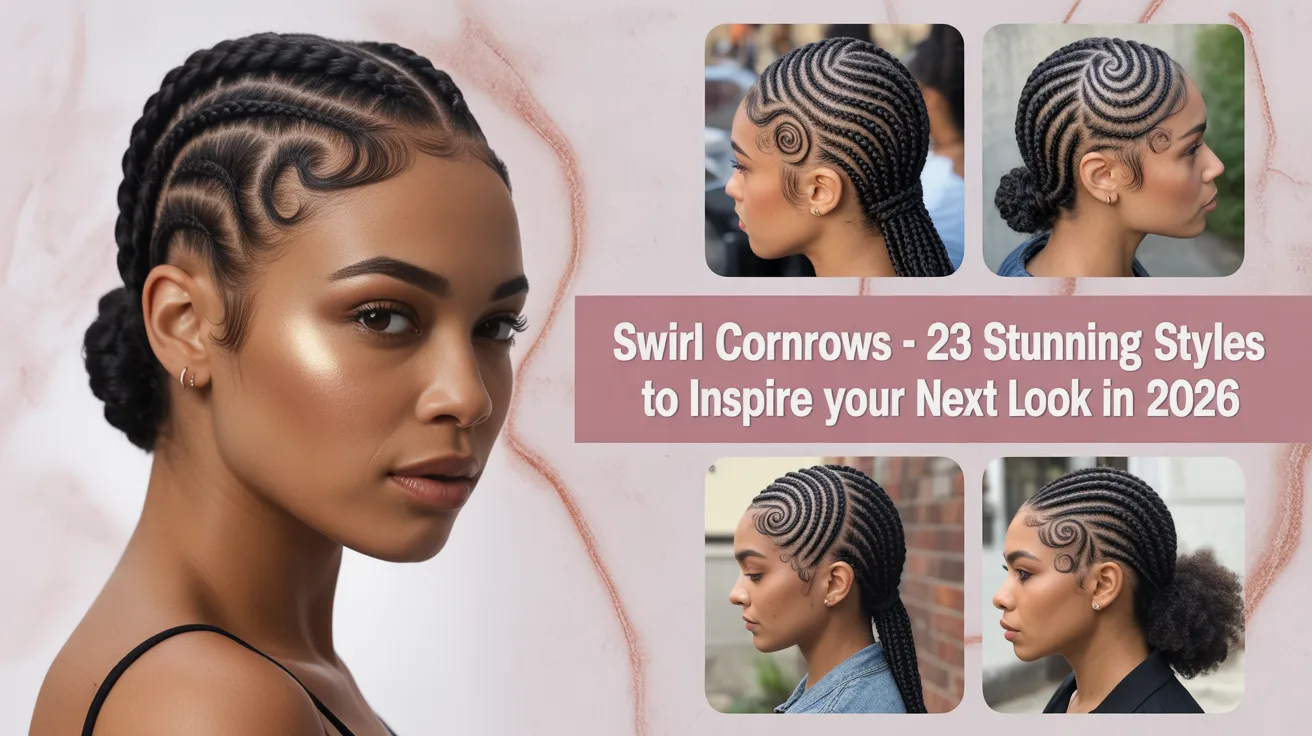
Swirl Cornrows – 23 Stunning Styles to Inspire Your Next Look in 2026
After spending time around braiding studios and speaking with experienced stylists, it became clear that swirl cornrows have quietly become one of the most requested protective styles of the decade. These designs stand apart from standard braids because of the way the patterns curve, loop, and flow across the scalp in fluid, artistic directions.
During regular observations at local salons, it was noticed that people often arrive with phone screenshots of these styles rather than describing them in words. The look communicates something on its own — structured yet creative, bold yet clean — which is a large part of why demand for this style has continued to grow so steadily.
What Are Swirl Cornrows and Why Are They Popular
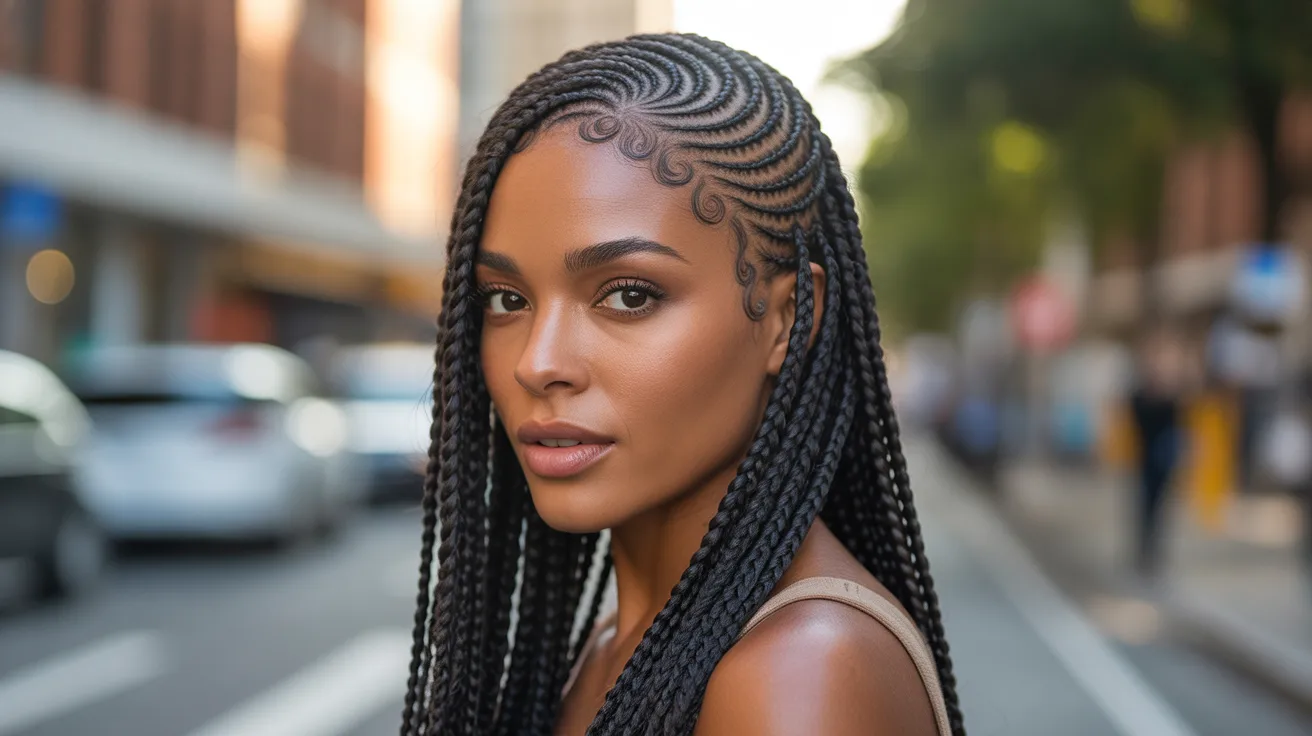
Swirl cornrows are a braiding technique where the rows are laid in curved, circular, or spiral paths across the scalp rather than in straight lines. This design approach transforms a simple protective style into something that feels more like wearable art on the head.
The appeal has been found to come from how versatile the technique actually is in practice. Whether the final look is tight and geometric or loose and flowing, the result tends to hold its shape well and attract attention in a way that straight-row braids rarely do.
Style 2 – Classic Single Swirl Pattern
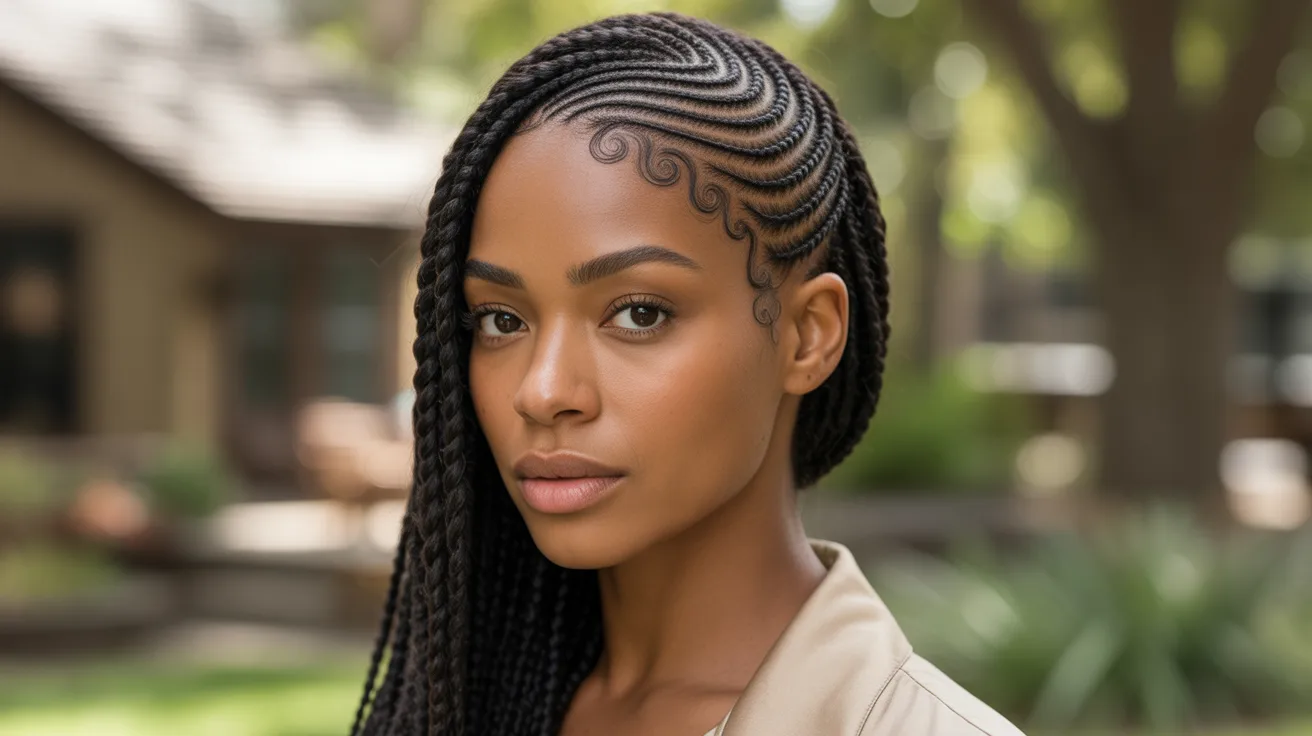
On a normal styling session, this particular pattern was the first swirl cornrows design many beginners choose because of its clean, uncomplicated appearance. A single spiral starts near the front hairline and wraps gently toward the back, giving the scalp a balanced and organized look.
This design tends to work well on oval and round face shapes where the curve of the braid mirrors the natural contours of the head. It is also one of the easier patterns to maintain at night, which makes it a practical choice for people who are new to wearing braided protective styles.
Style 3 – Double Swirl With Center Part
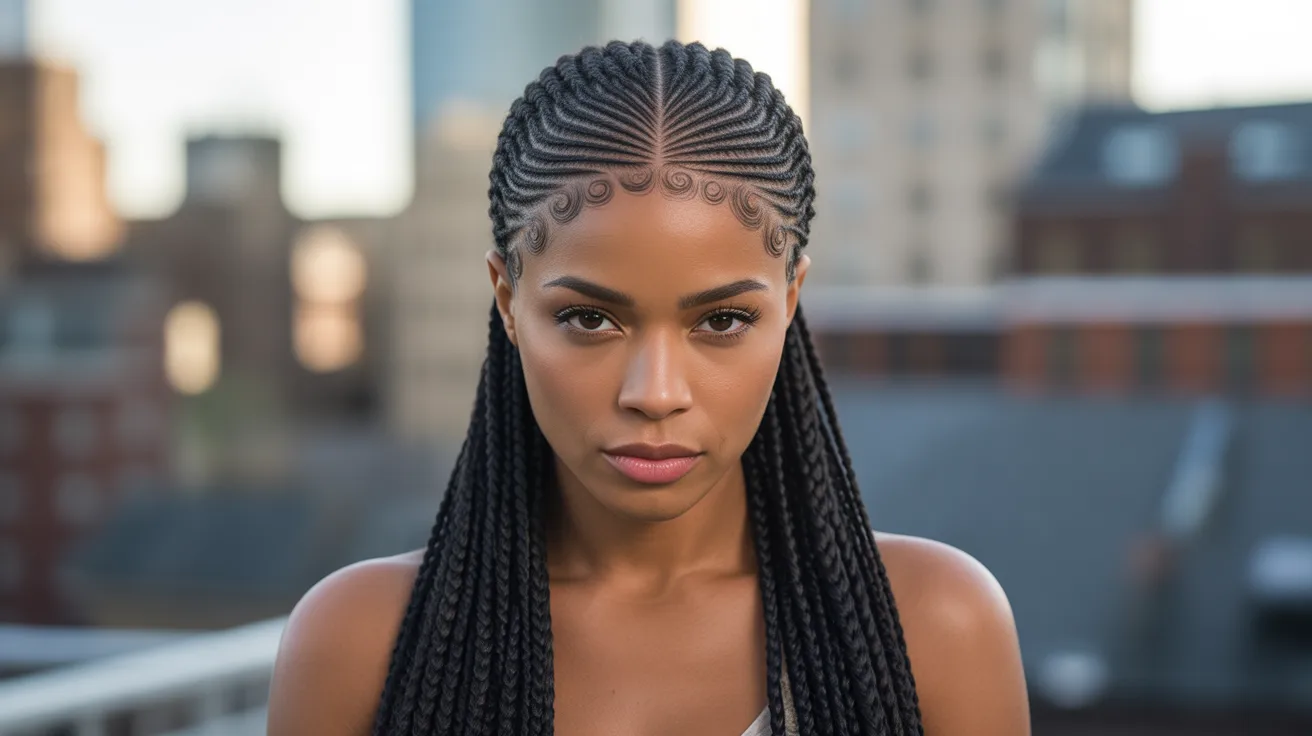
This look uses two separate swirl paths that begin at a center part and curve outward in opposite directions toward each ear. The symmetry created by this design is what draws most attention, especially when the braids are laid flat and smooth against the scalp.
After trying this style during a summer period, it was discovered that the center part needs to be kept sharp in order for the full effect to register. A crooked or wide part tends to disturb the visual balance that makes this particular design so striking in the first place.
Swirl Cornrows for Short Hair – What to Expect
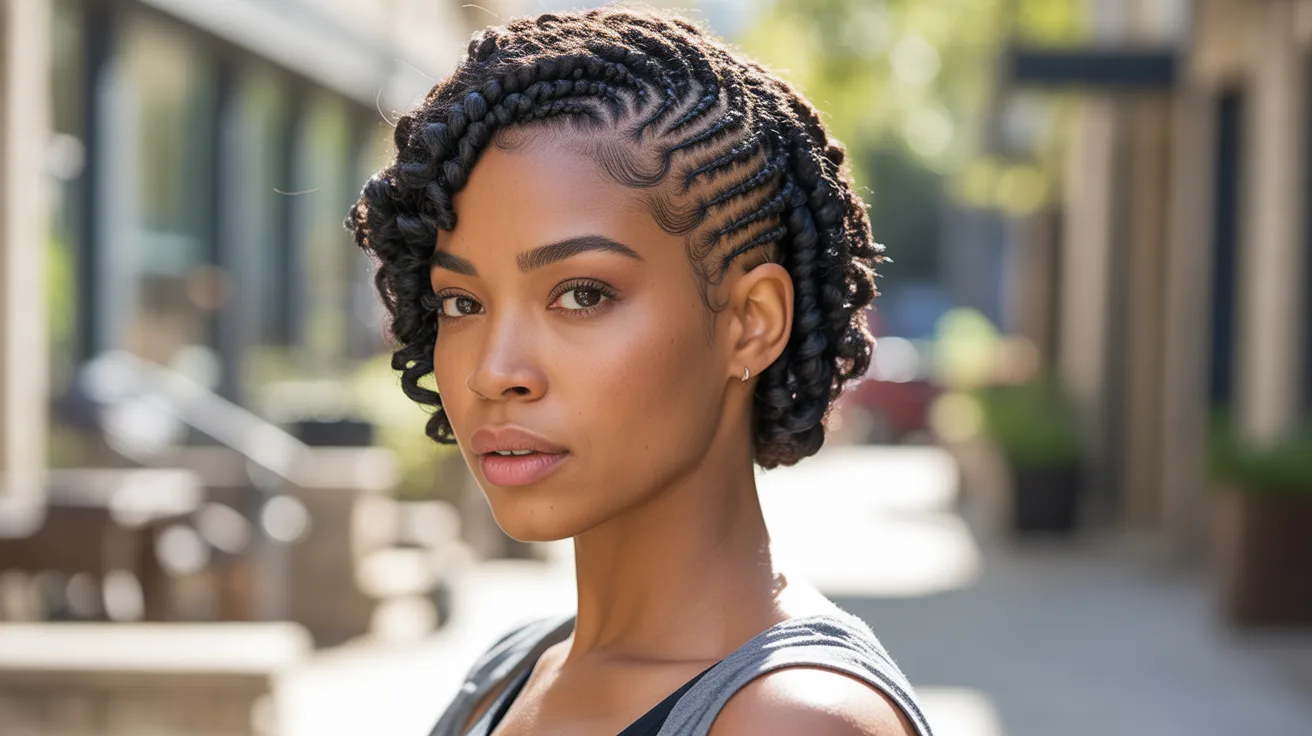
Swirl cornrows can absolutely be done on shorter hair, though the pattern needs to be adjusted based on how much length is available to work with. Stylists typically create smaller, tighter loops on shorter lengths to keep the design readable and intact throughout the wear period.
A small limitation worth mentioning here is that very short hair near the edges may not hold certain swirl shapes as cleanly as longer growth does. Discussing this honestly with the stylist before the appointment helps set realistic expectations and leads to a more satisfying final result.
Style 5 – Feed-In Swirl Braids
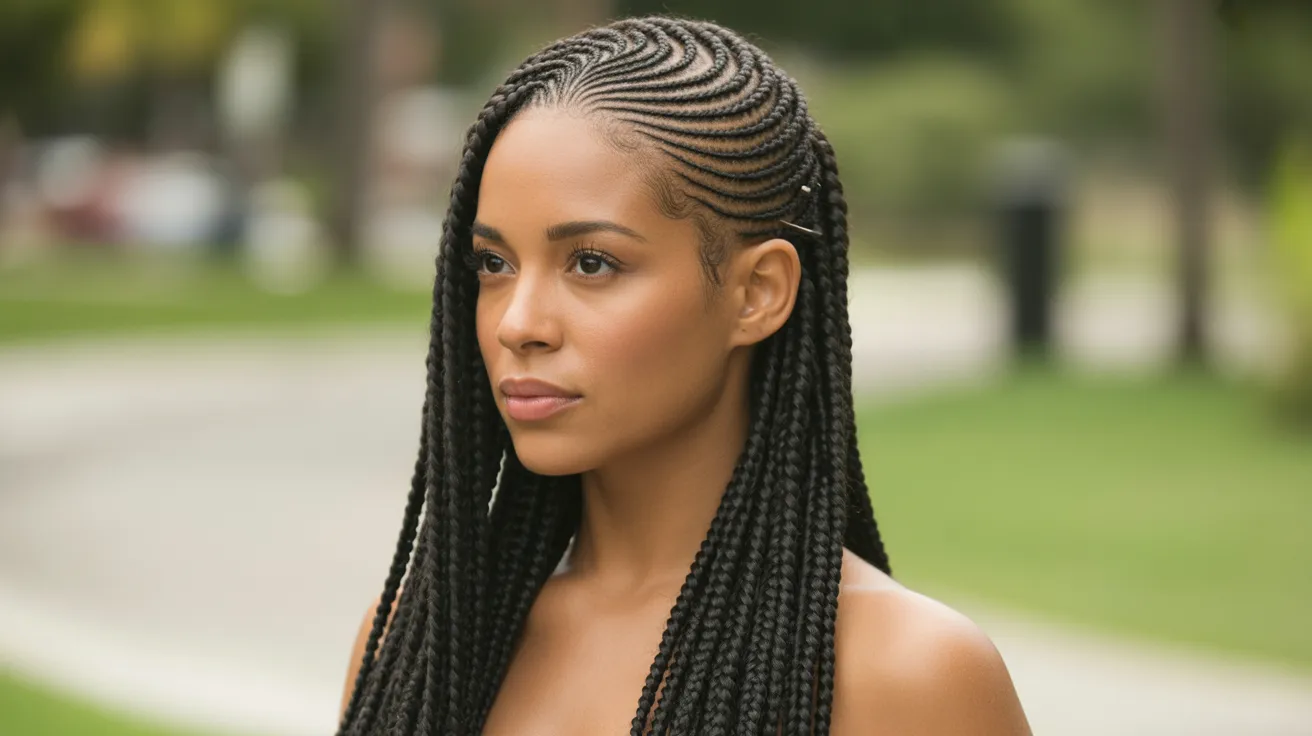
Feed-in braids involve gradually adding hair extensions into the braid as it progresses along the scalp, which creates a tapered, natural-looking start at the hairline. When this technique is applied to a swirl pattern, the result looks incredibly seamless and polished from every angle.
The weight of the added hair is something that was noticed more toward the end of longer wear periods, particularly around the temples. Choosing a lighter extension hair and avoiding overly thick braids near the front can reduce this feeling significantly during the weeks of wear.
Style 6 – Zigzag Swirl Combination
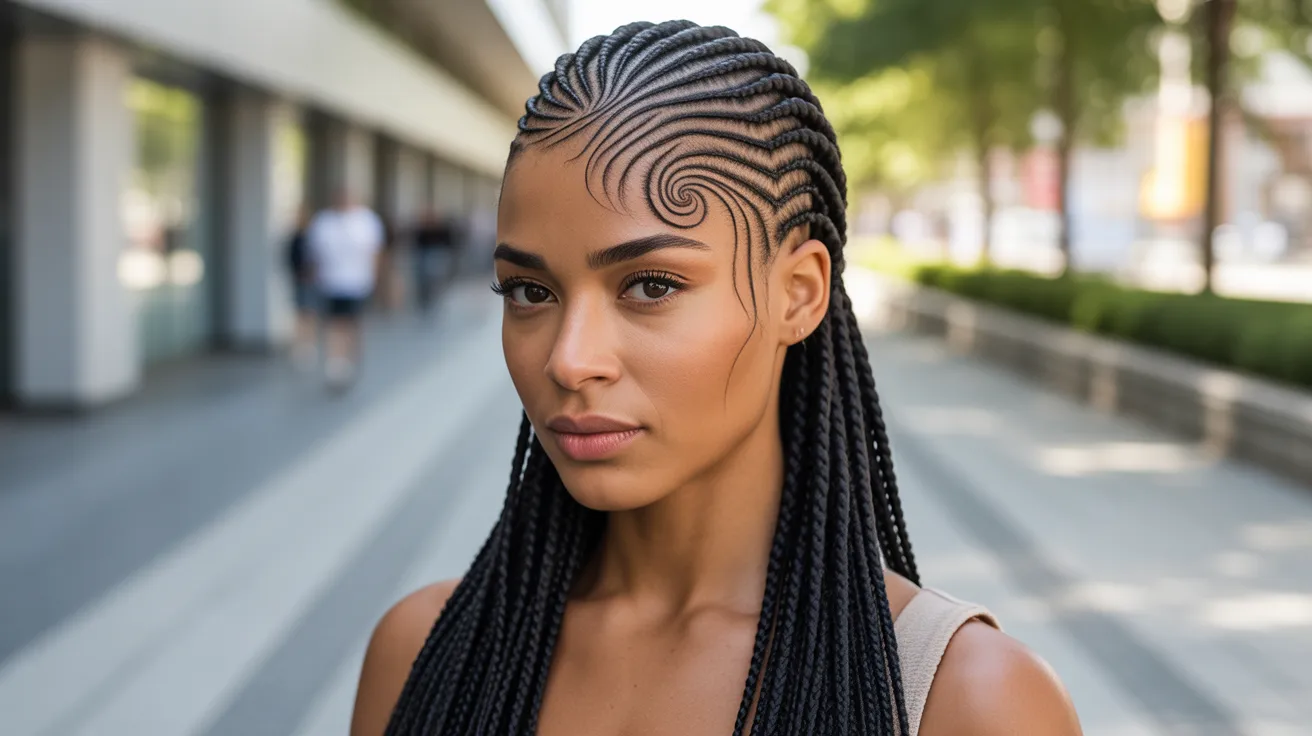
This design blends the softness of a swirl path with the edginess of a zigzag parting, and the two elements together produce a look that is layered and visually complex. It is one of those styles that requires a skilled stylist who has worked with unusual parting patterns before.
During regular conversations with braiding clients, swirl cornrows done in this zigzag combination were frequently mentioned as a style people wanted to try for special occasions rather than everyday wear. The added detailing makes it feel more intentional and suitable for events where a distinct look is desired.
Style 7 – Goddess Swirl With Curly Ends
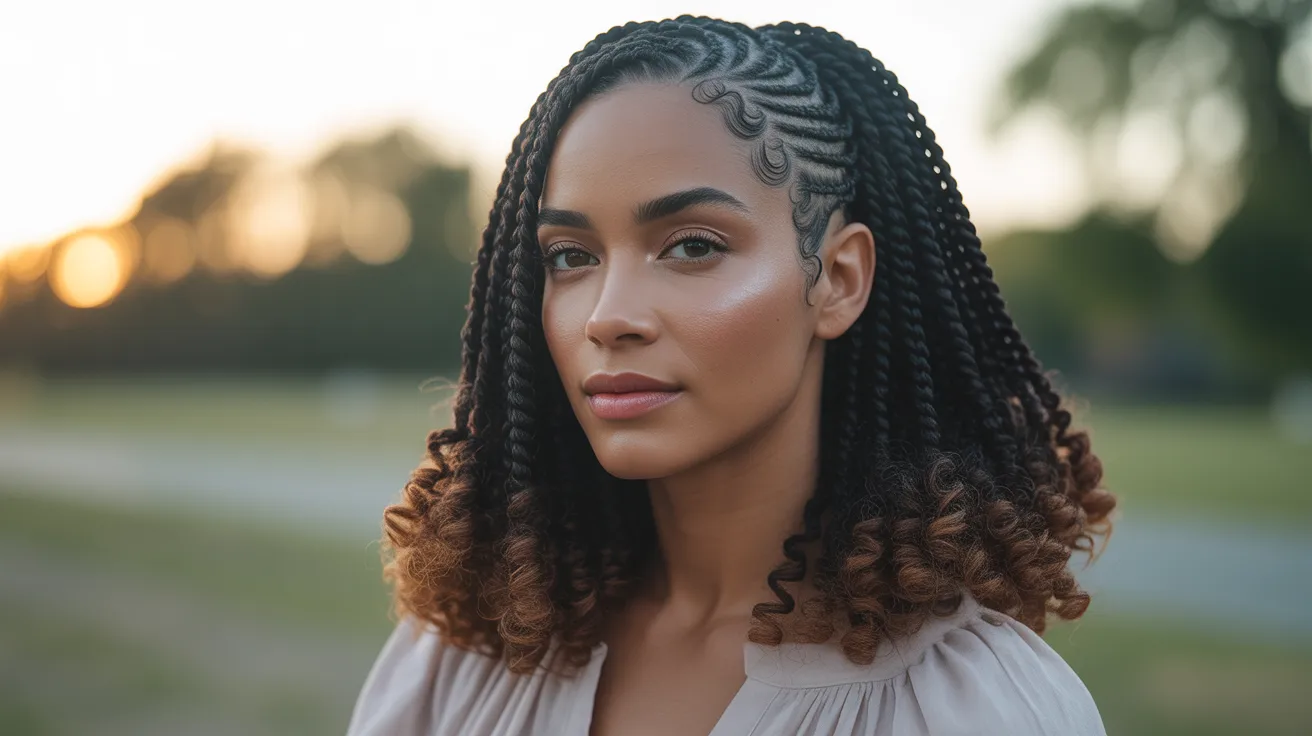
The curly ends left unbraided at the tips soften the overall structure of this look and give it a more relaxed, romantic quality. When the swirl paths are laid flat and the ends are allowed to coil naturally, the contrast between the two textures creates a beautiful finished effect.
On a normal setup, the curly ends tend to last longest when they are moisturized regularly and wrapped in a satin scarf at night. Letting them dry out causes frizz that starts to work upward into the braided section, which shortens the overall lifespan of the style noticeably.
Swirl Cornrows With Beads and Accessories
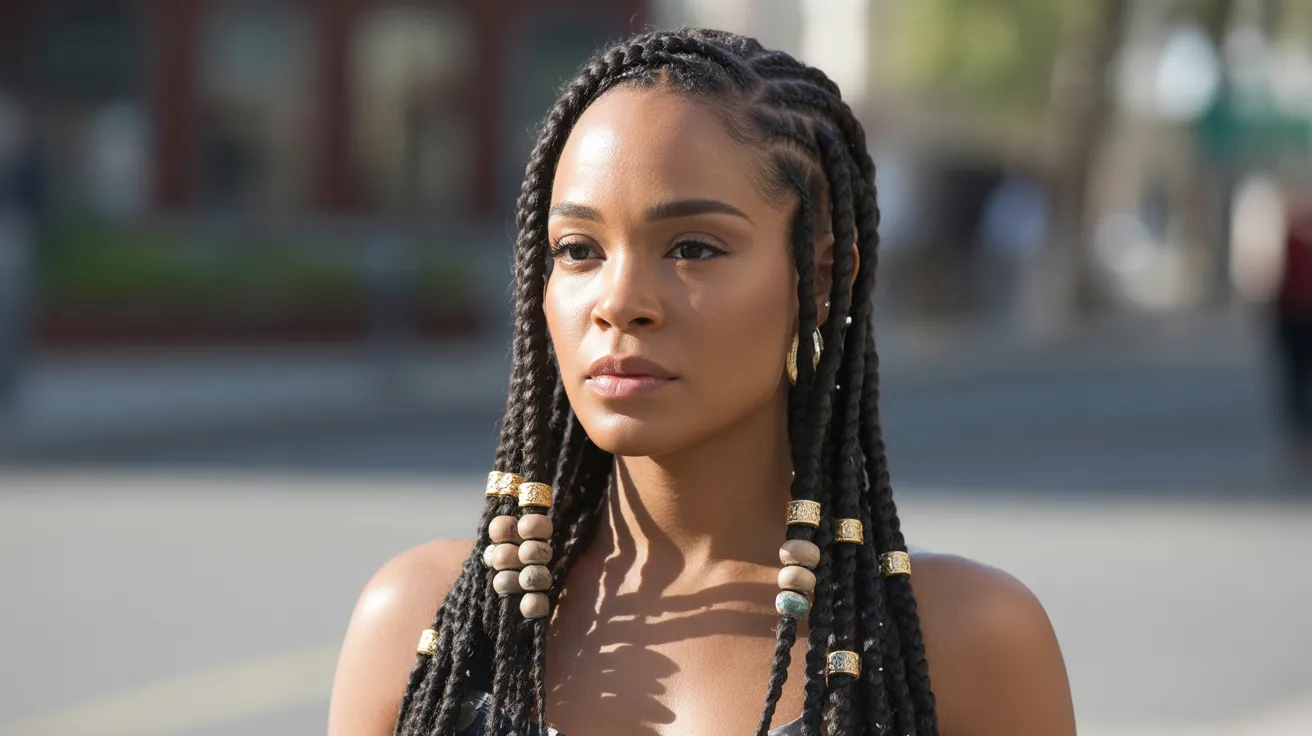
Swirl cornrows become even more expressive when beads, cuffs, or thread wraps are added at selected points along the braids. These additions catch light differently depending on the material used, and they give the style a layered, personalized quality that plain braids rarely achieve on their own.
The placement of accessories deserves more thought than most people give it before sitting in the stylist’s chair. Heavier beads placed too close to the scalp can pull on new growth and cause discomfort after several days of wear, so lighter decorative pieces near the midsection of the braid tend to work more comfortably.
Style 9 – Side-Swept Swirl Design
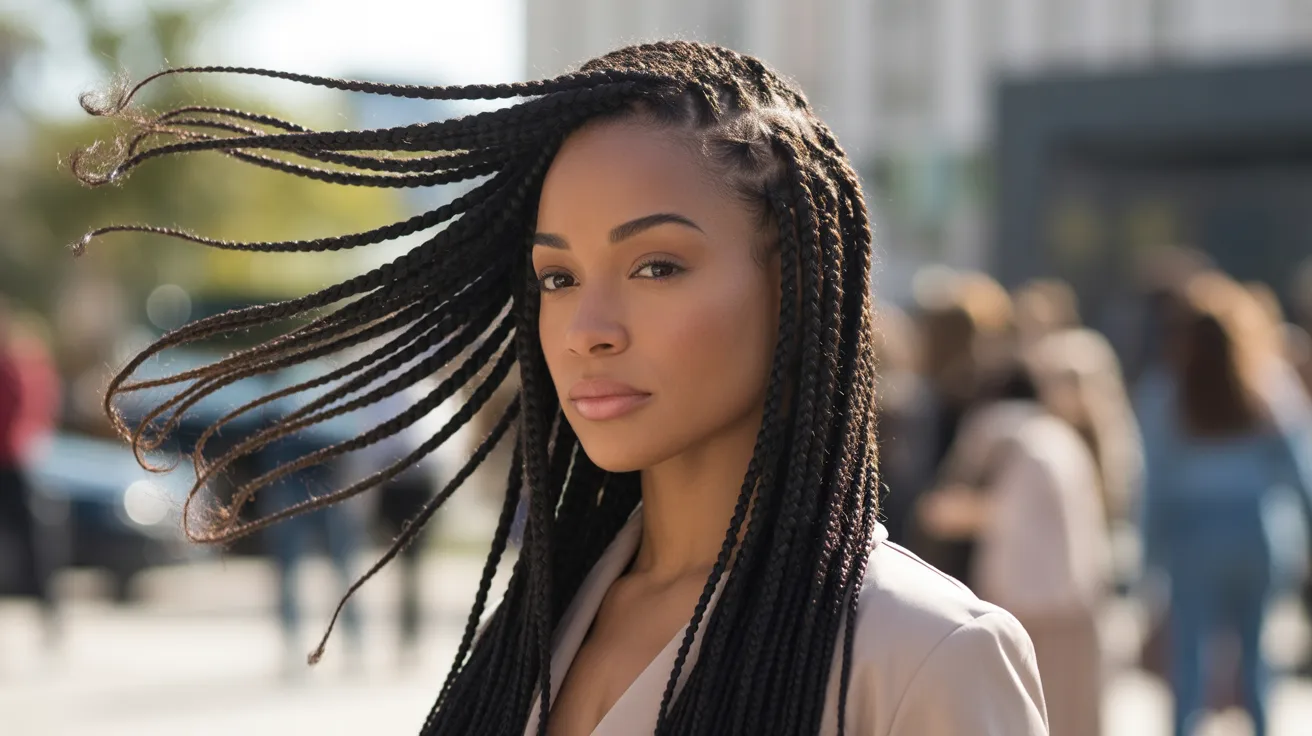
This asymmetric look directs all of the braid paths toward one side of the head, creating a dramatic sweep that resembles the movement of water across the scalp. The weight of the style on one side is something the neck and shoulders adjust to over the first day or two.
From observation, this design reads differently depending on the hair’s thickness and natural density at the temples. On people with thicker edges, the braid paths lay more densely and the sweep looks more defined, while finer edges may require a bit more blending work near the hairline to achieve the same effect.
Style 10 – Crown Swirl Pattern
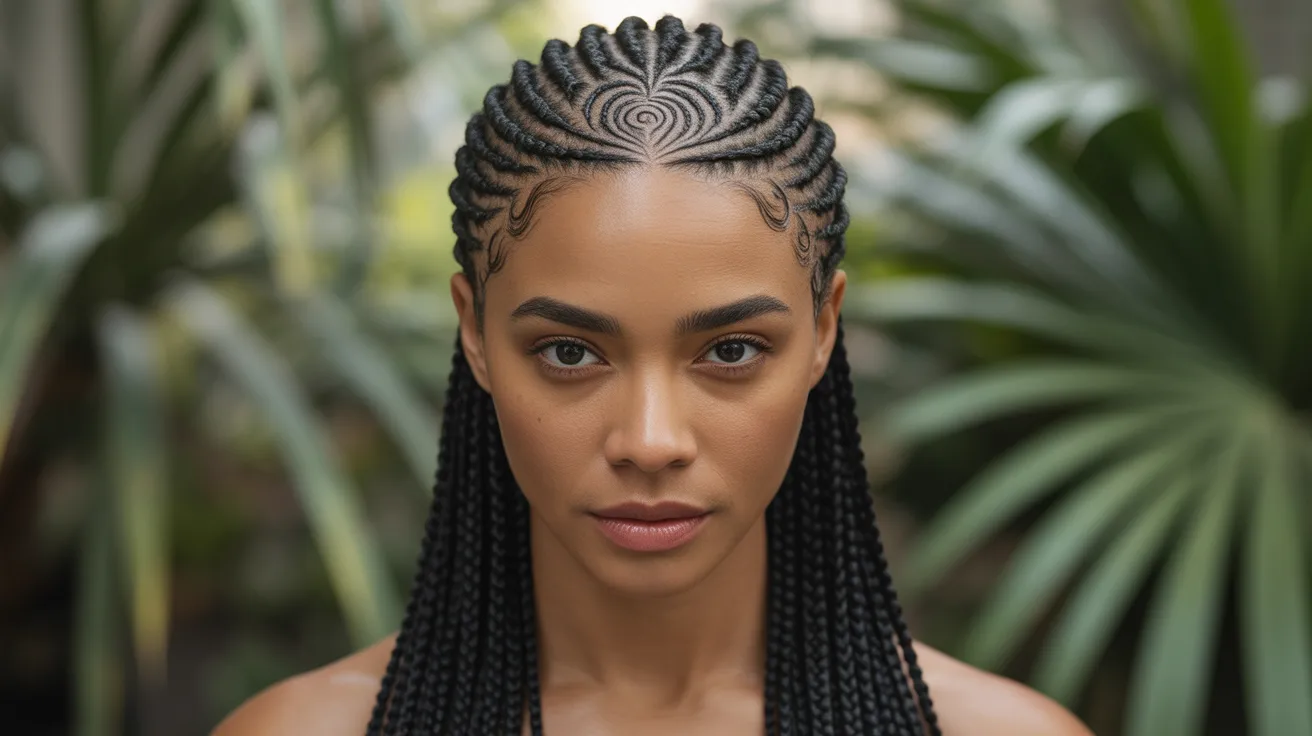
The crown swirl is a design where all the braid paths circle toward a central gathering point at the top of the head, creating the appearance of a woven crown sitting flat against the scalp. Swirl cornrows done in this circular pattern require patience during installation but the result is one of the most visually impactful of all available designs.
After seeing this style done several times at different salons, it became clear that the center point needs careful attention from the stylist. If the gathering point is slightly off-center, the whole symmetry of the design shifts in a way that becomes more obvious once the style is viewed from above or in a full-length mirror.
Style 11 – Half Up Swirl Style
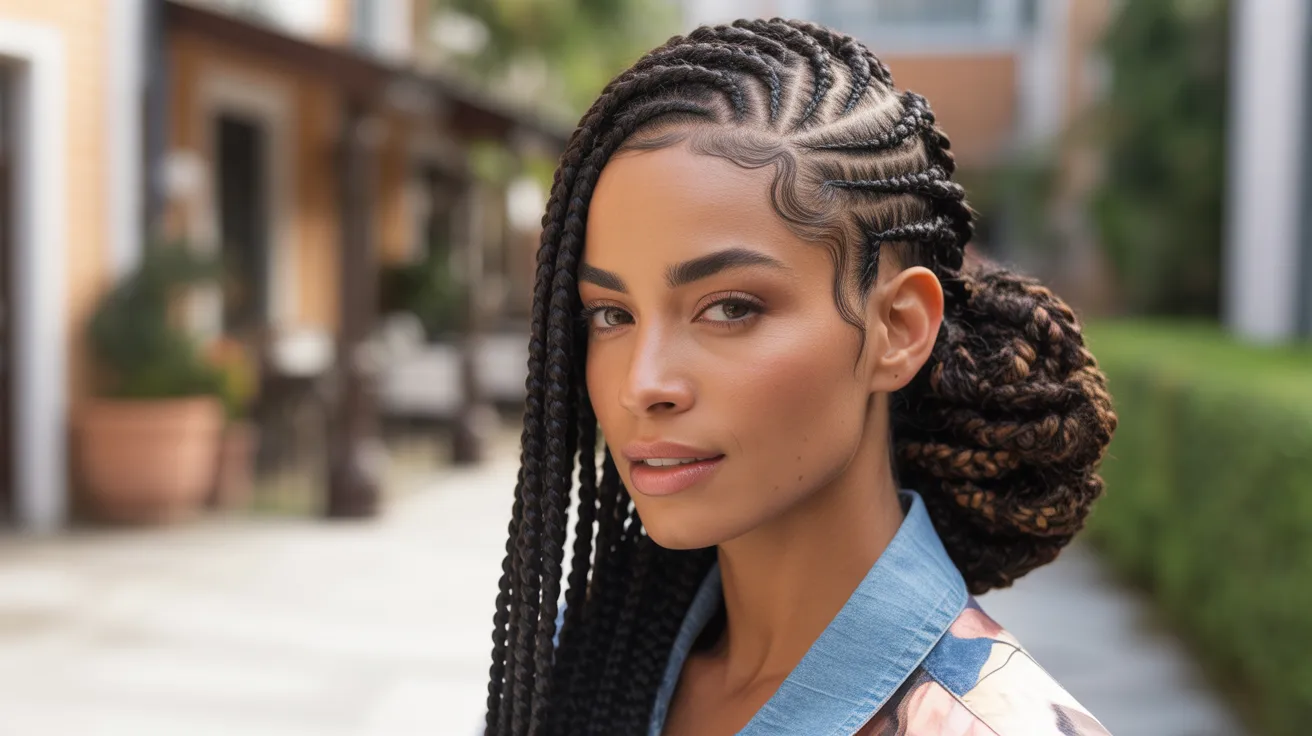
The front section of the hair is braided in a swirl pattern while the back is left loose or gathered into a puff, giving this design a flexible, hybrid quality. It works particularly well on medium-length hair where there is enough growth to create both a defined braided section and a full back portion.
One practical advantage noticed with this style is that the loose back section can be refreshed independently without disturbing the braided front. This makes it a smart choice for people who want the look of a braided protective style without committing every strand to the process at once.
Style 12 – Micro Swirl Cornrows
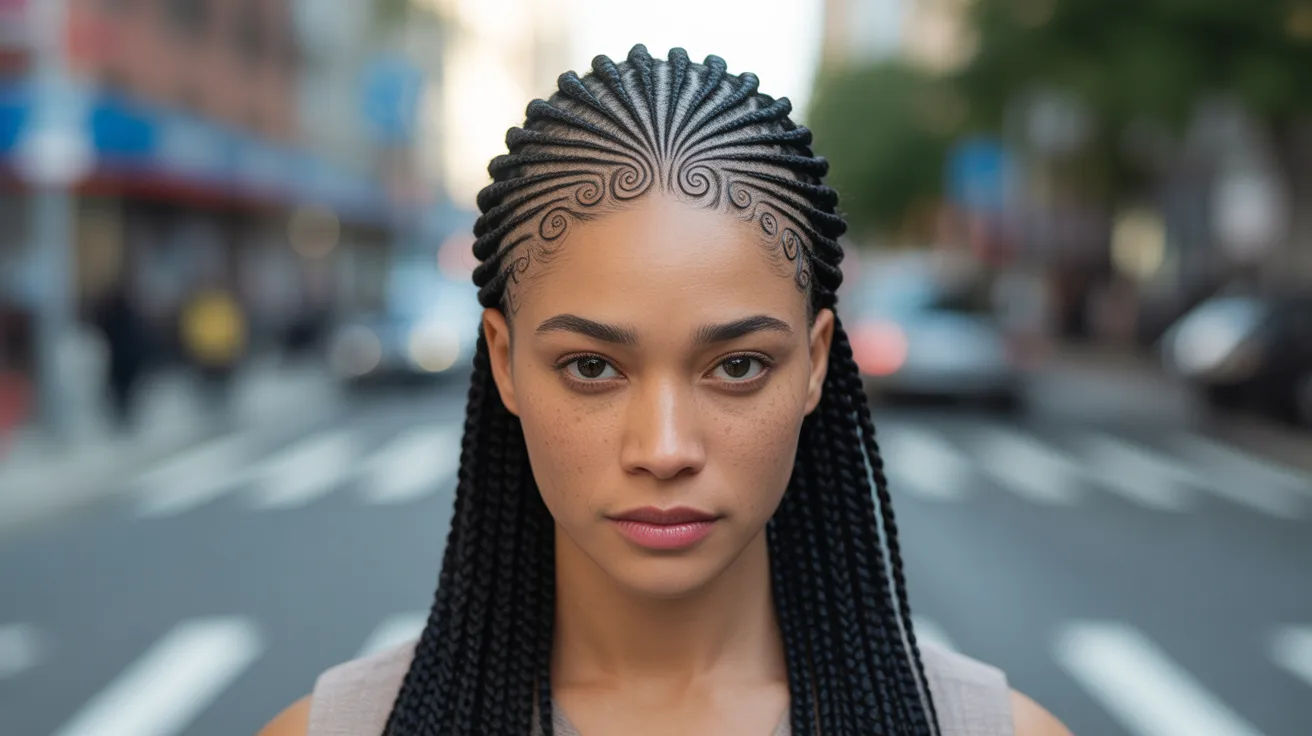
Micro braids made in a swirl pattern are thin enough to create an incredible amount of detail across the scalp, producing a texture that looks almost like lace from a slight distance. The installation time for this style is significantly longer than standard-thickness braids, which is something worth planning for in advance.
On a normal setup, micro swirl braids tend to require a longer sitting session of anywhere between six and ten hours depending on the length and fullness of the final look. Having food, entertainment, and proper neck support for the long appointment makes the entire experience much more manageable from start to finish.
Style 13 – Tribal Swirl Cornrows
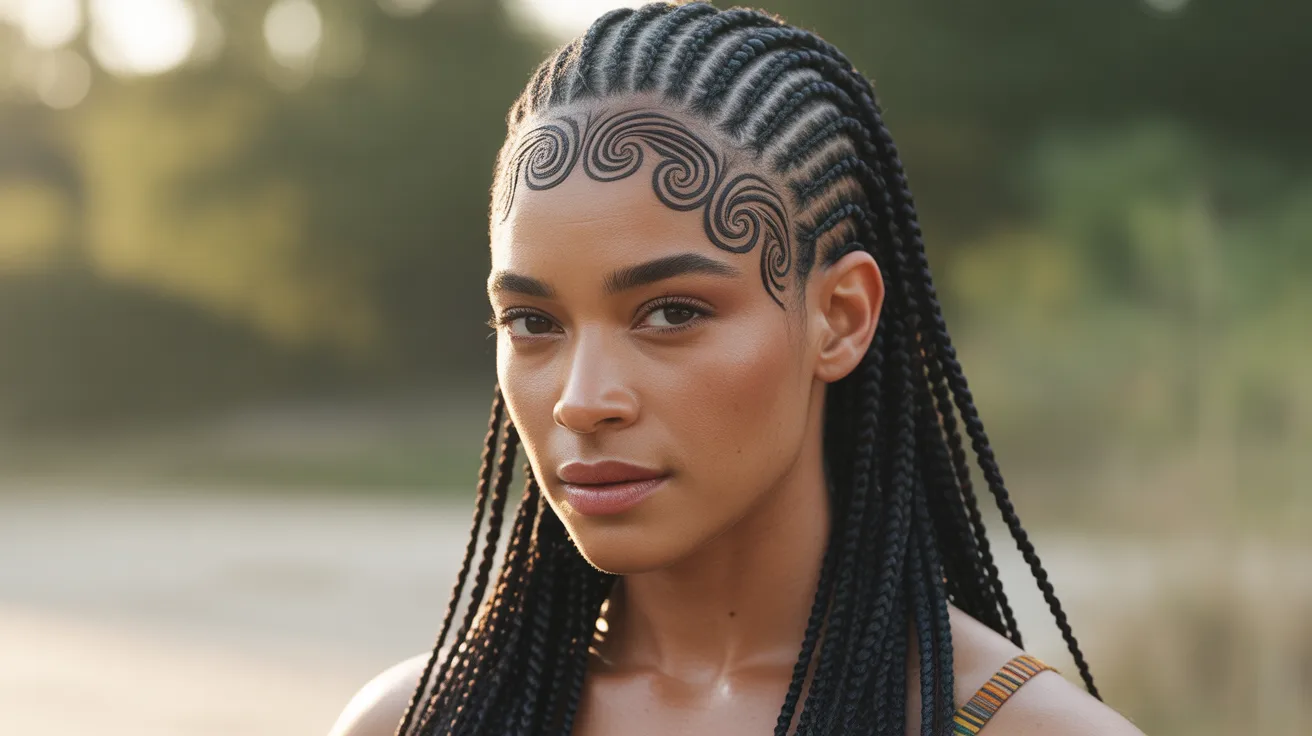
Tribal braiding techniques draw from traditional African styling methods and often feature bold, irregular parting patterns that feel more organic and less geometric than modern salon styles. When these methods are applied to a swirl format, the result carries both cultural weight and striking visual energy.
A small limitation with this style is that not every braider is trained in traditional tribal patterns, which means finding the right stylist may take a bit more searching than usual. Checking a stylist’s portfolio for examples of tribal-influenced work before booking helps ensure the final result matches the vision.
How Long Do Swirl Cornrows Actually Last
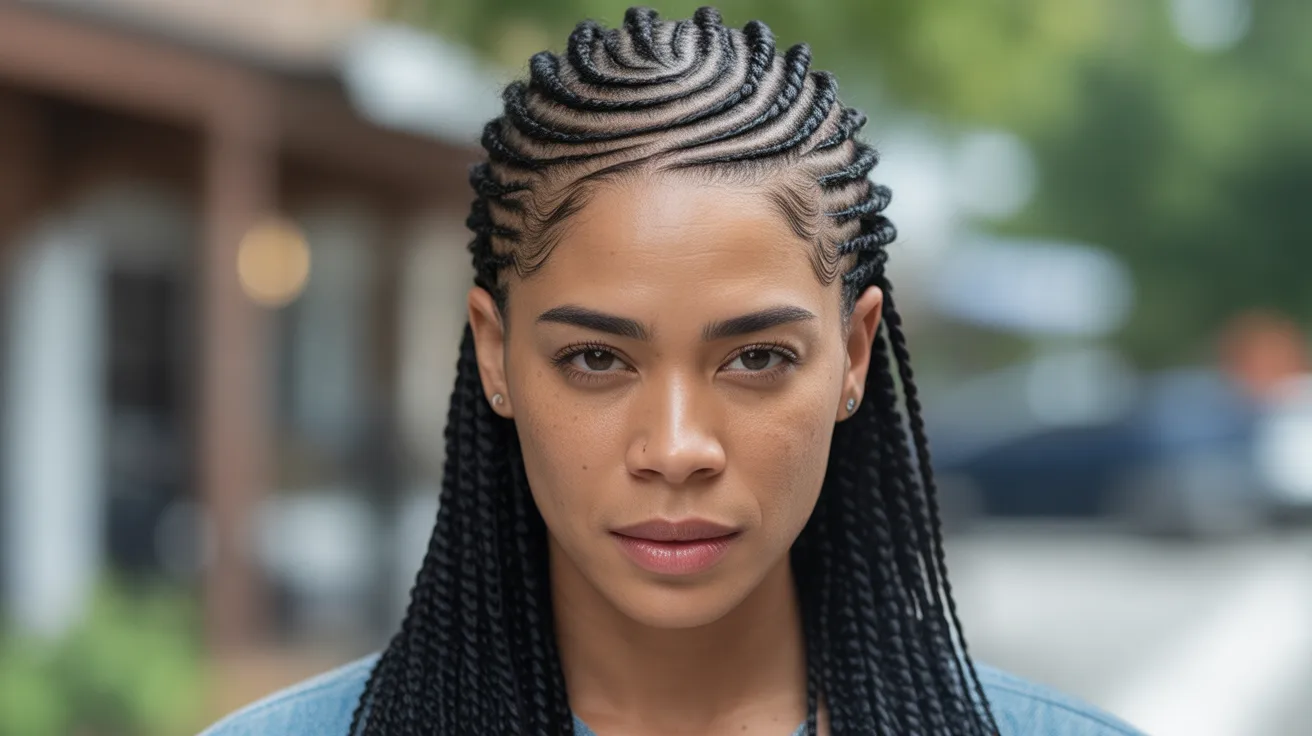
Swirl cornrows, when properly installed and consistently maintained, can last between four and eight weeks depending on the hair’s growth rate and how well the edges hold up over time. This duration places them among the more practical protective style options available for natural hair types.
The first two weeks typically show the cleanest results, with the braids sitting flat and the parting lines staying sharp. After the third or fourth week, new growth at the scalp begins to create lift near the roots, which is completely normal and simply signals that a touch-up or fresh install is approaching.
Style 15 – Knotless Swirl Braids
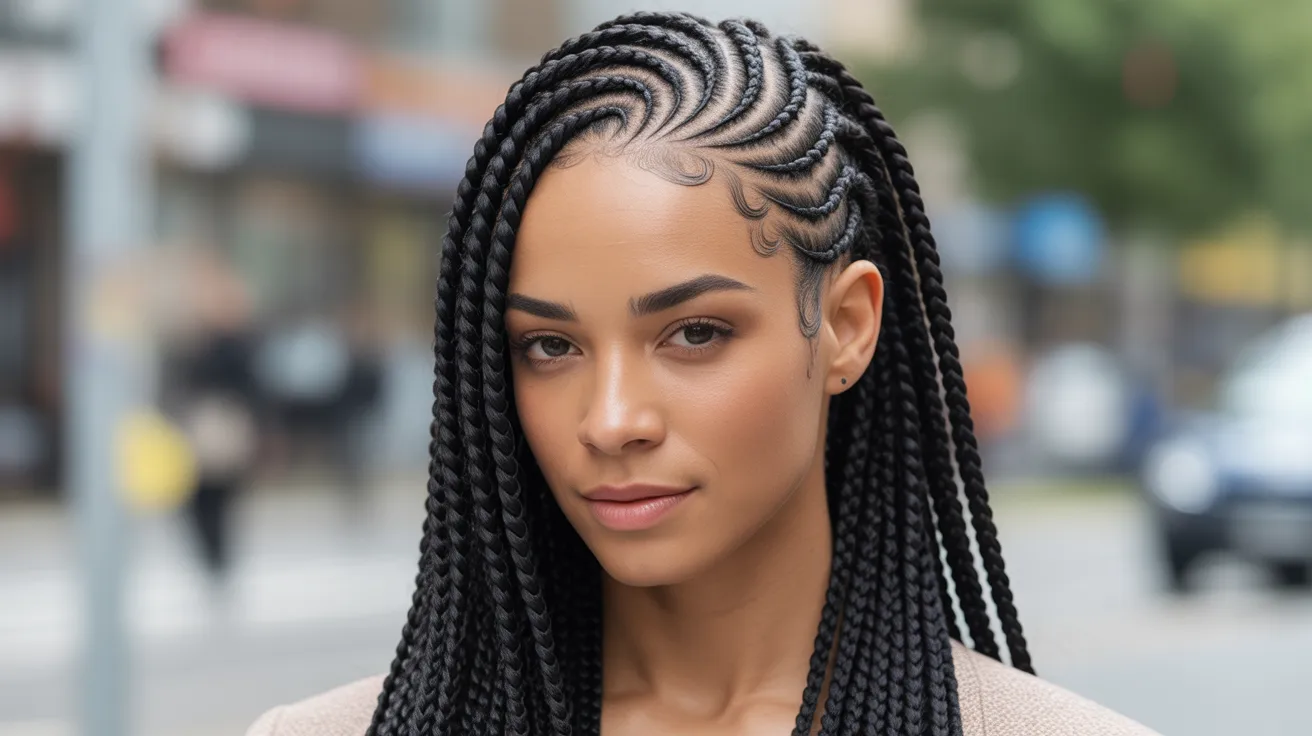
Knotless braids eliminate the small knot at the base of each braid start, which reduces tension on the scalp and makes the installation feel more comfortable from the very beginning. When this gentler technique is used to build swirl patterns, the result is a style that looks soft and natural rather than stiff and pulled.
During regular use, the reduced tension at the roots was found to be especially noticeable for people who experience sensitivity around the hairline area. The trade-off is a slightly longer install time compared to traditional knotted braids, but most people find the added comfort well worth the extra time in the chair.
Style 16 – Swirl Cornrows Into a Bun
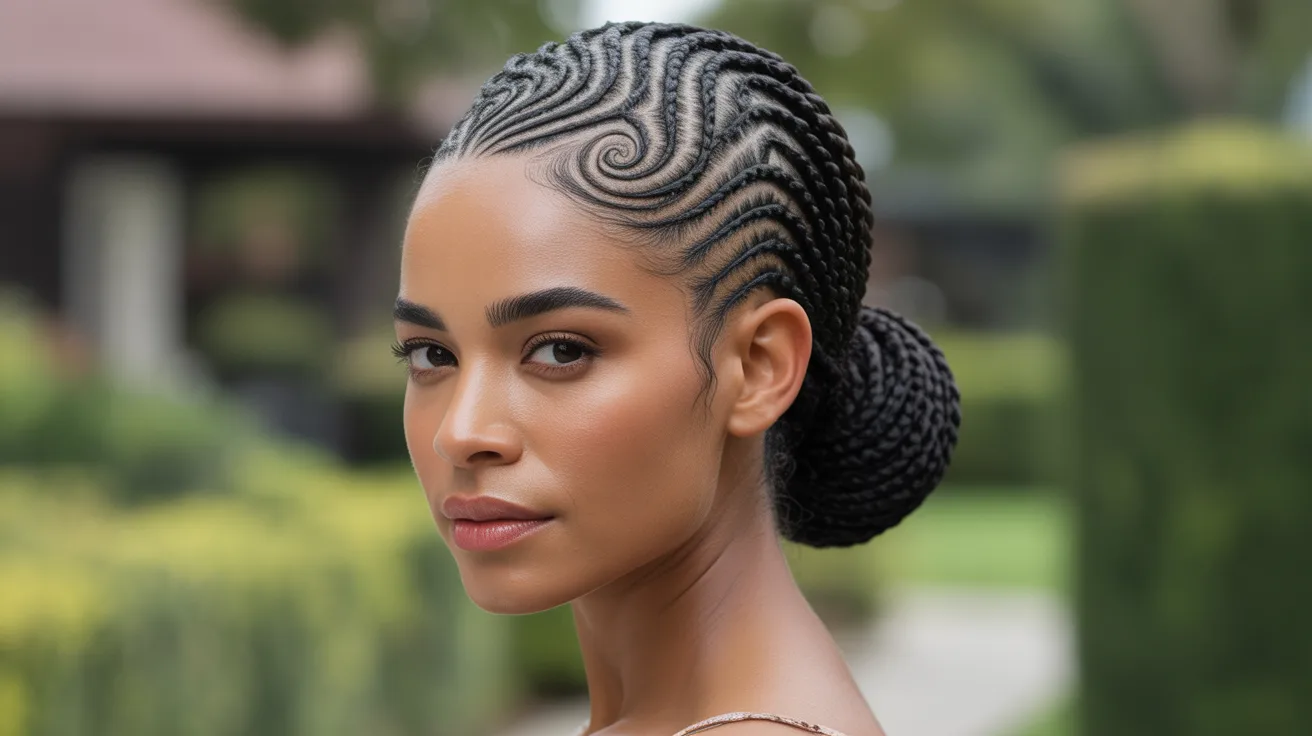
All the swirl braid paths are directed toward a single gathering point at the back of the head where they are secured into a neat bun, combining two classic looks into one cohesive design. The bun gives the style a polished, occasion-ready finish that works in both casual and formal settings.
After trying this look for a work event, it was found that using a satin scrunchie to secure the bun reduced the amount of frizz and breakage at the gathering point compared to a standard rubber band. Small adjustments like this make a noticeable difference in how fresh the style continues to look over the following weeks.
Style 17 – Swirl Cornrows With Color
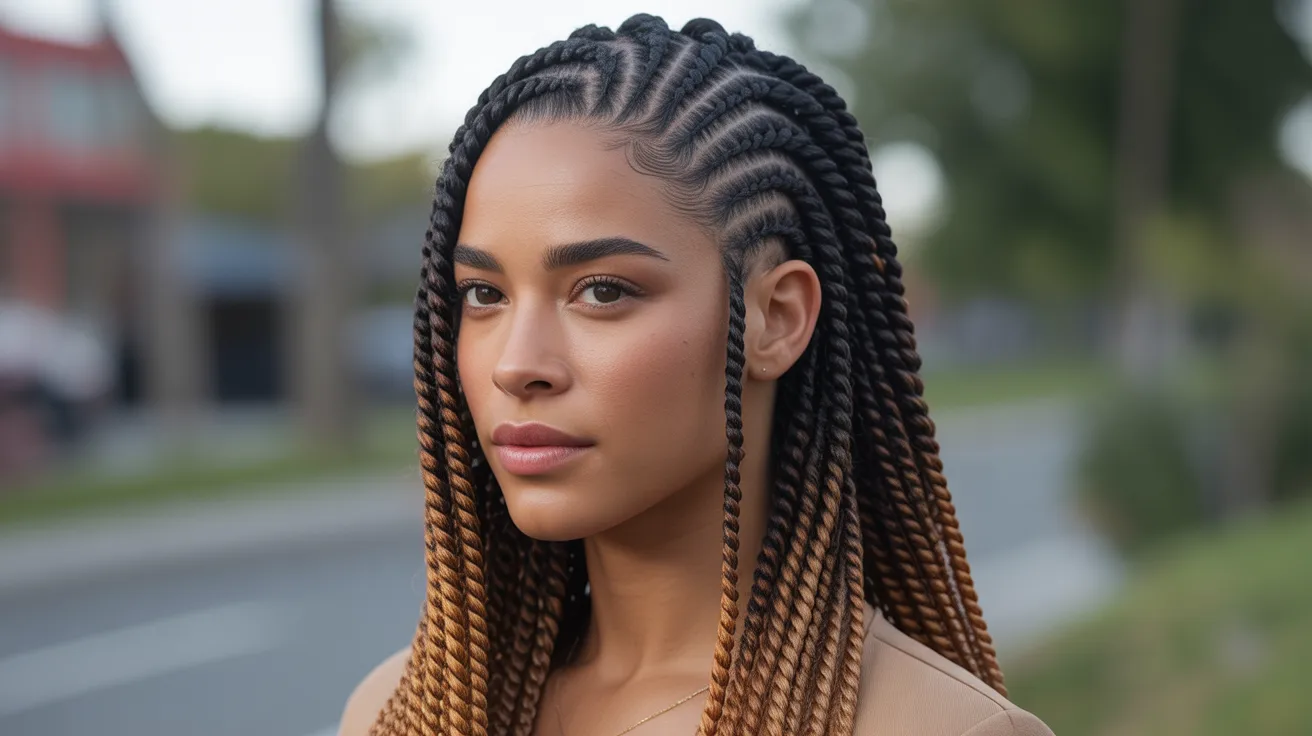
Adding colored extensions or dye to specific braid sections creates highlights that emphasize the curves and swirl paths in ways that a single color cannot achieve on its own. The colored sections essentially trace the design’s movement, drawing the eye along the braid path from root to tip.
In swirl cornrows styled with color, the choice of where to place the highlights matters more than the color itself in terms of overall impact. Placing a lighter color along the outermost edge of each swirl path makes the circular movement more visible, which is the detail most people respond to immediately.
Style 18 – Loose Swirl Cornrows
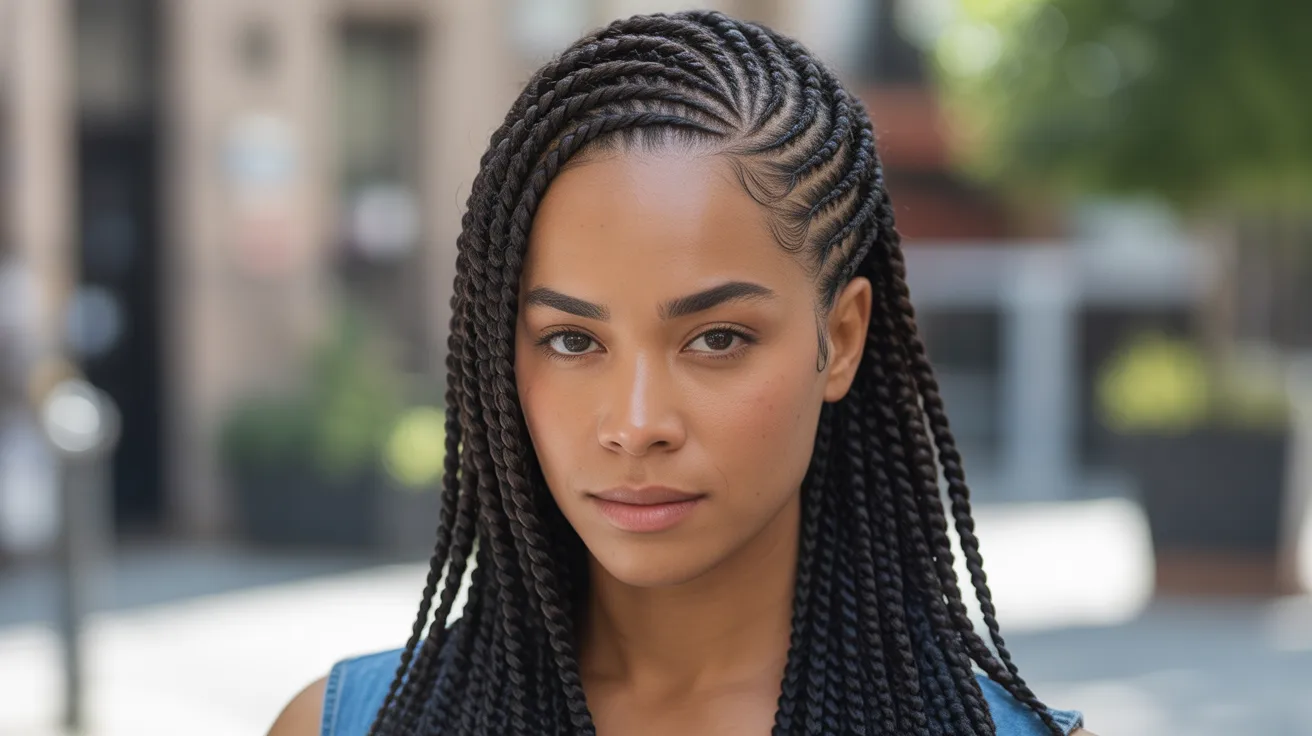
Loose braids use less tension during installation and create a slightly softer, more textured finish compared to tightly laid styles. This approach is a good fit for people whose scalp responds poorly to tight braiding or who prefer a more relaxed aesthetic day to day.
One honest observation from regular wear of this style is that loose braids do not hold their shape quite as long as tightly installed ones. By the second week, some loosening at the roots is noticeable, though the overall pattern remains readable and the style continues to look intentional rather than undone.
Style 19 – Swirl Cornrows for Kids
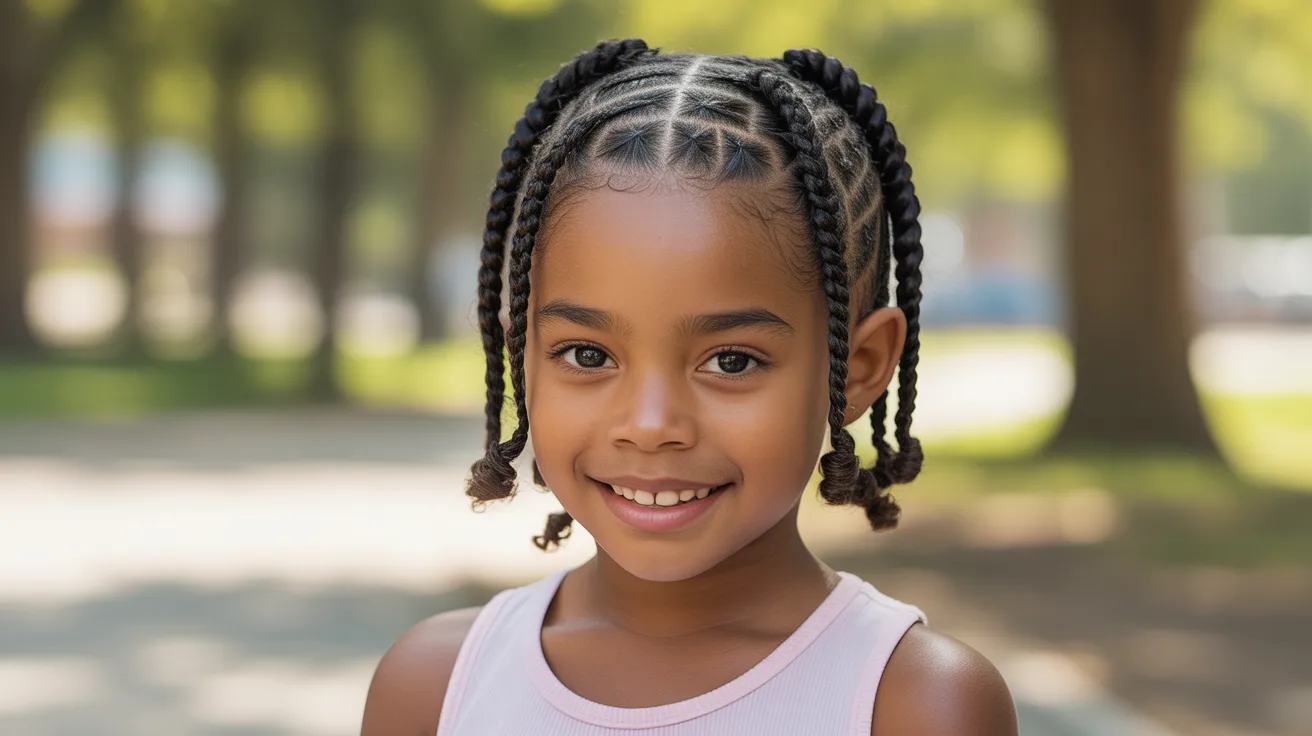
Children’s swirl styles are typically done with fewer braid sections and simpler swirl paths to keep the installation shorter and more comfortable for younger clients. The lighter weight and reduced complexity also make the style easier to maintain at home between salon visits.
After observing several children’s braiding appointments, it was clear that the overall experience goes much smoother when the design is kept simple and the session is broken into manageable segments. Bringing familiar snacks and keeping the child engaged with something they enjoy helps the appointment feel much less overwhelming.
Swirl Cornrows Maintenance Tips That Really Work
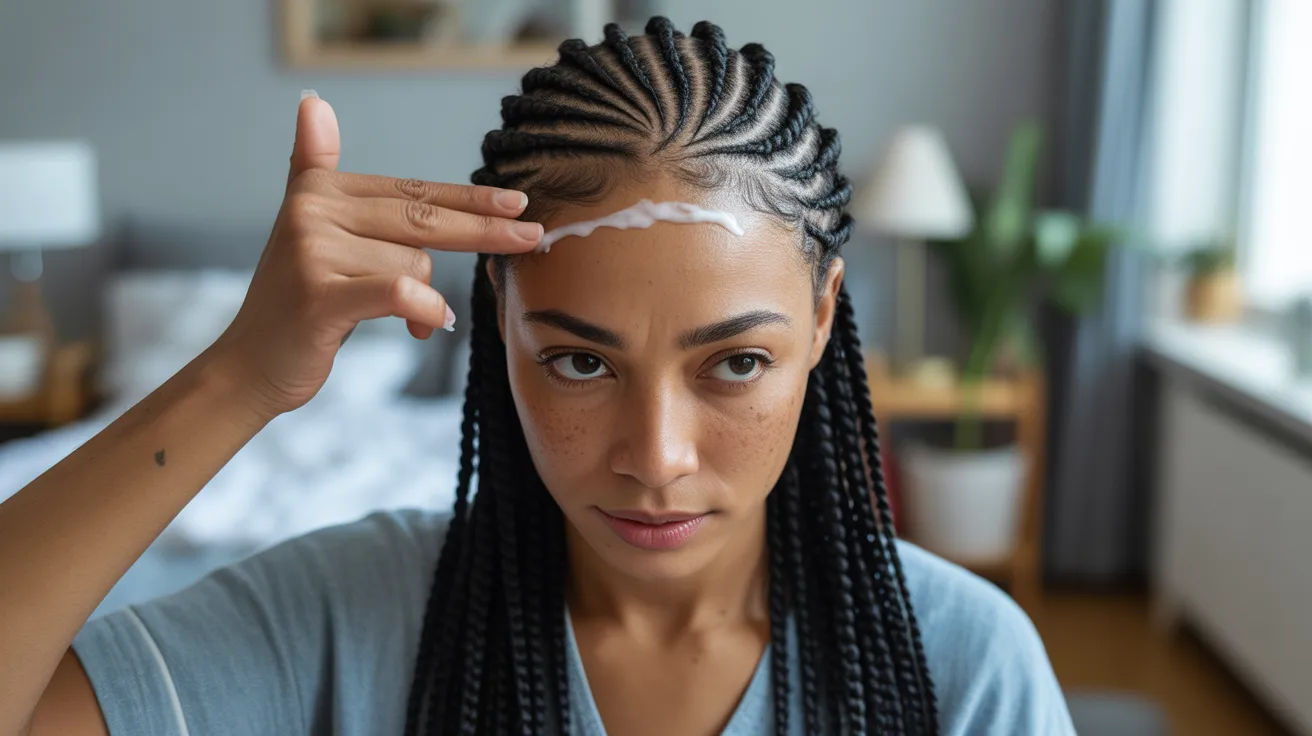
Maintaining swirl cornrows in good condition between appointments comes down to a few consistent habits that take very little time once they become part of a routine. Wrapping the hair in a satin bonnet or sleeping on a satin pillowcase every night is the single most impactful step available for extending the life of the style.
Regular scalp oiling along the parting lines every two to three days keeps the scalp from drying out, which reduces the itching that causes people to scratch aggressively and disturb the laid braids. Light oils like jojoba or sweet almond work well for this because they absorb without leaving a heavy residue on the braids themselves.
Style 21 – Swirl Cornrows Into a Ponytail
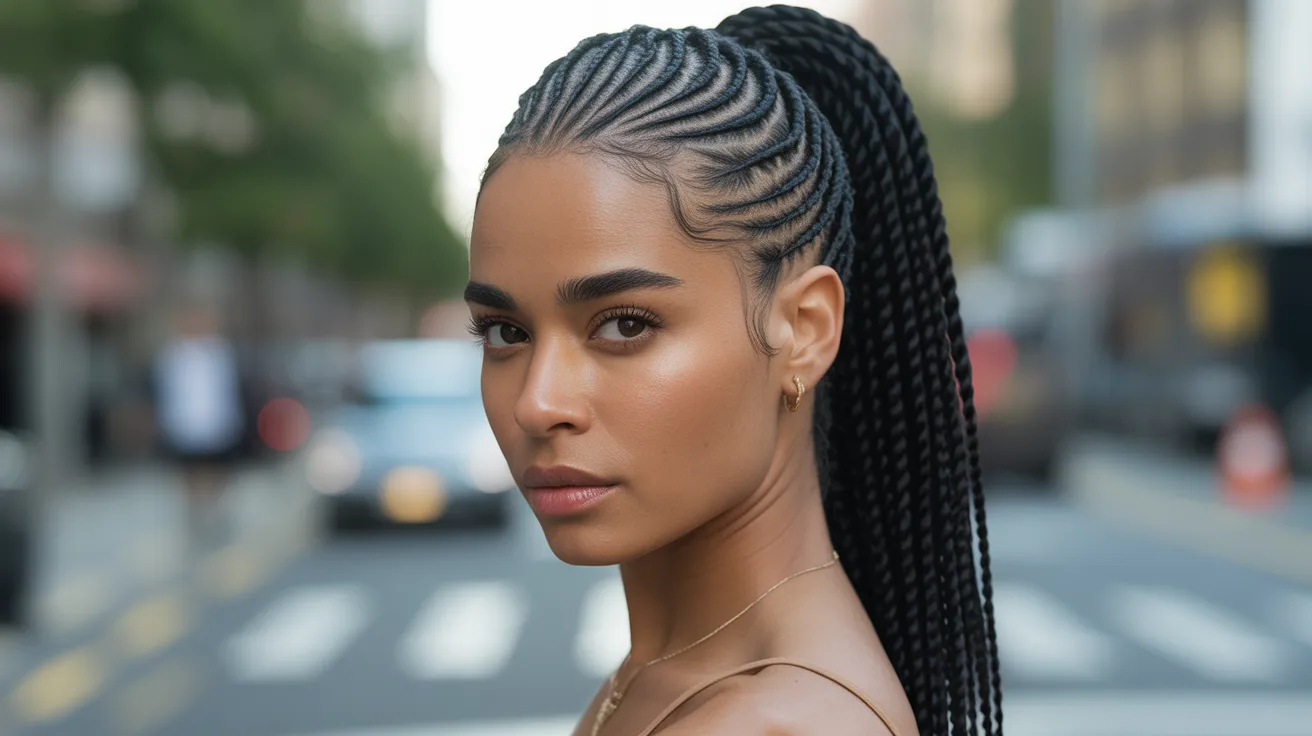
All braid paths are directed toward a high or low ponytail position where they are gathered and secured, creating a clean and elongated silhouette from behind. This style is especially popular among people who want a braid look that also keeps all the hair off the neck and shoulders during warmer months.
On a normal setup where the ponytail sits high, the style creates an optical lengthening effect that makes the neck look longer and the overall silhouette more refined. Spraying the braids lightly with a braid sheen before the final gathering gives the finished look a healthy, polished gleam.
Style 22 – Geometric Swirl Cornrows
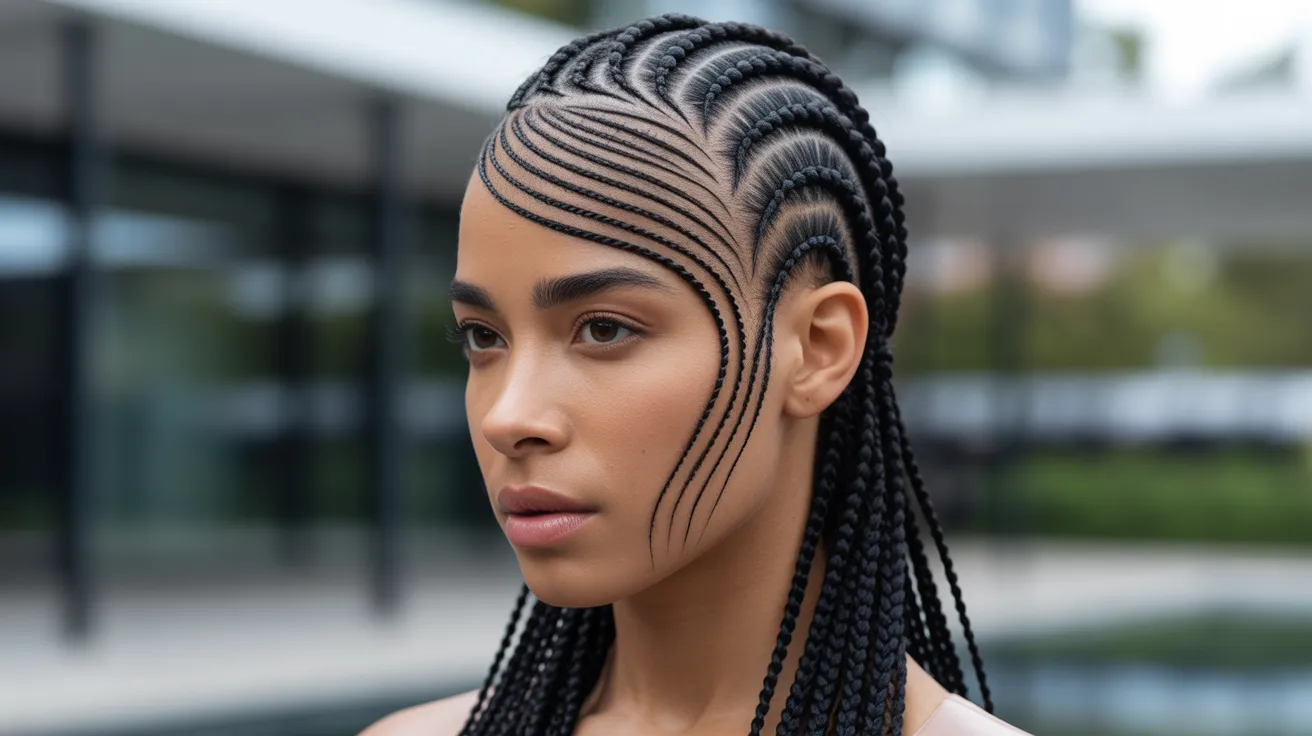
Geometric designs use precise, angular parting lines combined with curved braid paths to create patterns that look almost mathematical in their precision. When swirl cornrows are placed within this kind of structured framework, the result is a style that feels both artistic and architectural at the same time.
During regular appointments with stylists who specialize in geometric work, it was observed that these designs require a chalk pencil or fine-tooth comb to draw the partings before any braiding begins. Rushing through this planning phase almost always results in a pattern that looks slightly uneven once the braiding is complete.
Style 23 – Full Scalp Swirl Cornrows
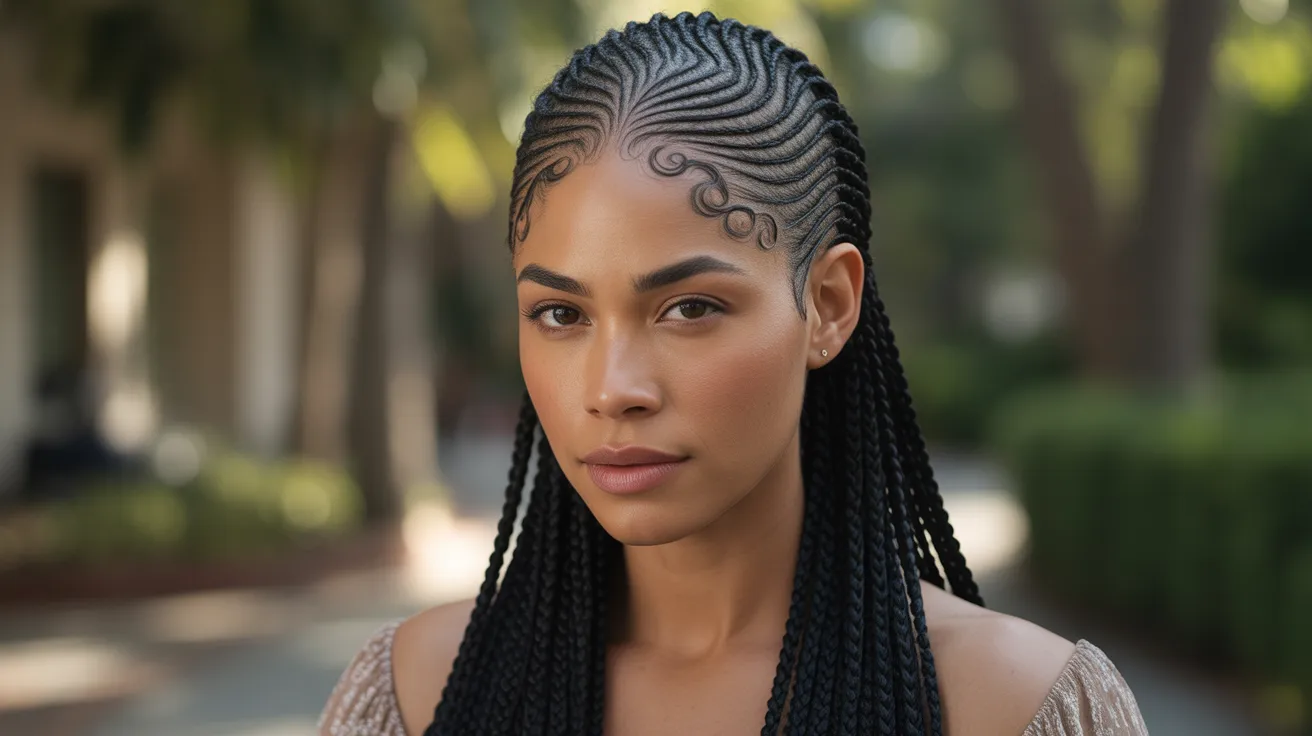
This approach covers the entire scalp with interconnecting swirl paths that leave no section unbraided, creating a dense, complete coverage that looks almost like a woven map of the head. It is the most time-intensive design on this list and typically requires the most skill from the stylist to execute cleanly.
After experiencing a full scalp installation that lasted nearly eight hours, the final result was considered entirely worth the time invested. The look lasted well past the six-week mark with proper maintenance, and the level of visual detail it produced was something that genuinely stopped people mid-conversation to ask questions about the work.
Conclusion
These 23 designs show just how broad and creative the world of swirl cornrows has become, from simple single-path looks to complex full-scalp patterns that require hours of skilled work to complete. Whether a new style is being tried for the first time or a familiar one is being revisited, the variety available makes it easy to find something that fits the lifestyle and the vision.
Taking time to consult with a skilled braiding stylist before every appointment is always the best starting point, regardless of which design is being considered. Showing reference photos, discussing hair health openly, and asking about maintenance expectations will consistently lead to a result that looks great for weeks and holds up through daily life without constant upkeep.