
Hairstyles With Dyed Locs – 24 Stunning Looks for 2026
When it comes to personal style, hairstyles with dyed locs have become one of the most creative and expressive options available today. People from different backgrounds are now choosing this style because it combines the strength of locs with the beauty of color. The result is a look that feels both bold and deeply personal at the same time.
Over the past few years, more people have been experimenting with color on their locs, and the variety of looks being shared is genuinely impressive. Whether someone prefers soft natural tones or bright vibrant shades, there is always a way to make dyed locs feel like their own. These 24 looks are meant to offer real inspiration for anyone ready to try something new.
1. What Makes Hairstyles With Dyed Locs Stand Out
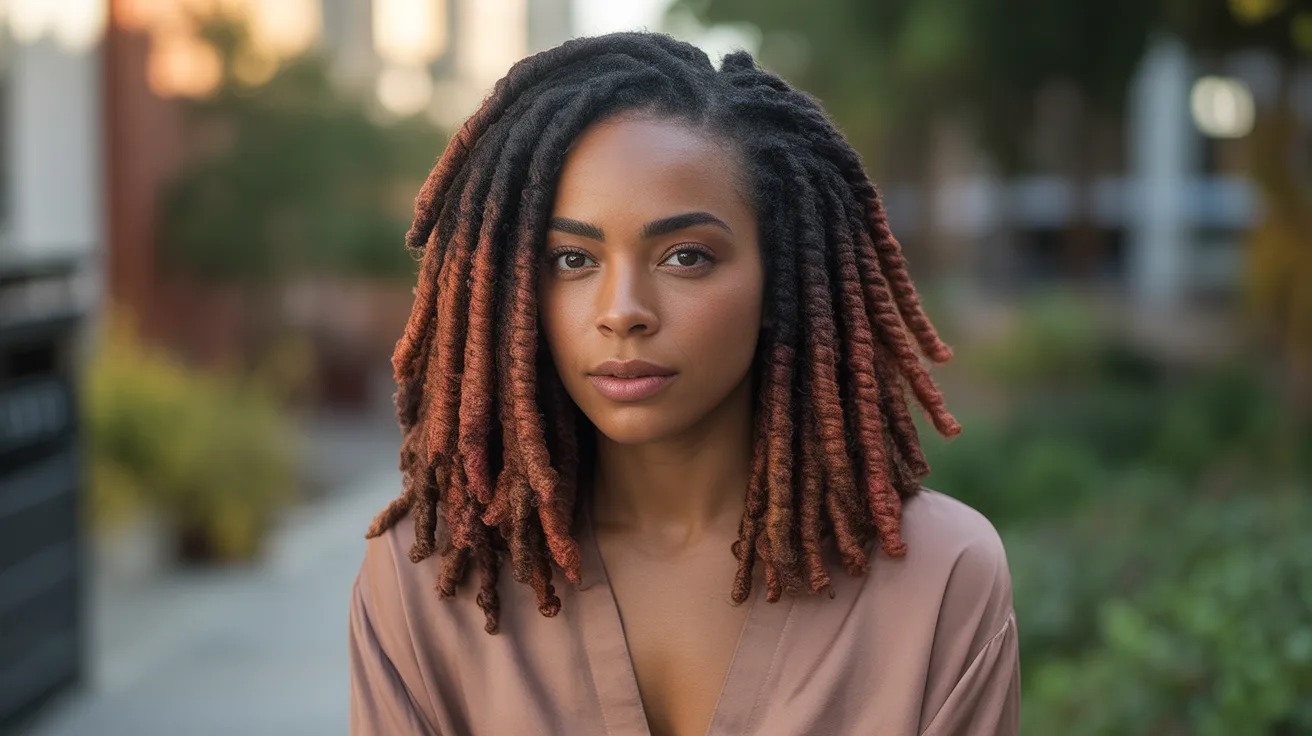
Hairstyles with dyed locs stand out because they carry a visual richness that plain styles simply cannot match. When color is added to locs, the natural texture of the hair becomes even more visible, and the overall shape of the style is highlighted in a way that feels organic rather than forced. After trying a few dyed loc styles over the years, it was noticed that even a small amount of color at the tips can completely change the energy of a look.
The combination of structure and color is what makes these styles so attractive. Locs already have a distinctive form, and when a dye is introduced, that form becomes even more defined. The color draws attention to the movement of the hair, to the way locs fall or are pinned, and to the overall intention behind the style. This is why so many people find that once they try color on their locs, they rarely want to go back to a single shade.
2. Short Hairstyles With Dyed Locs to Try
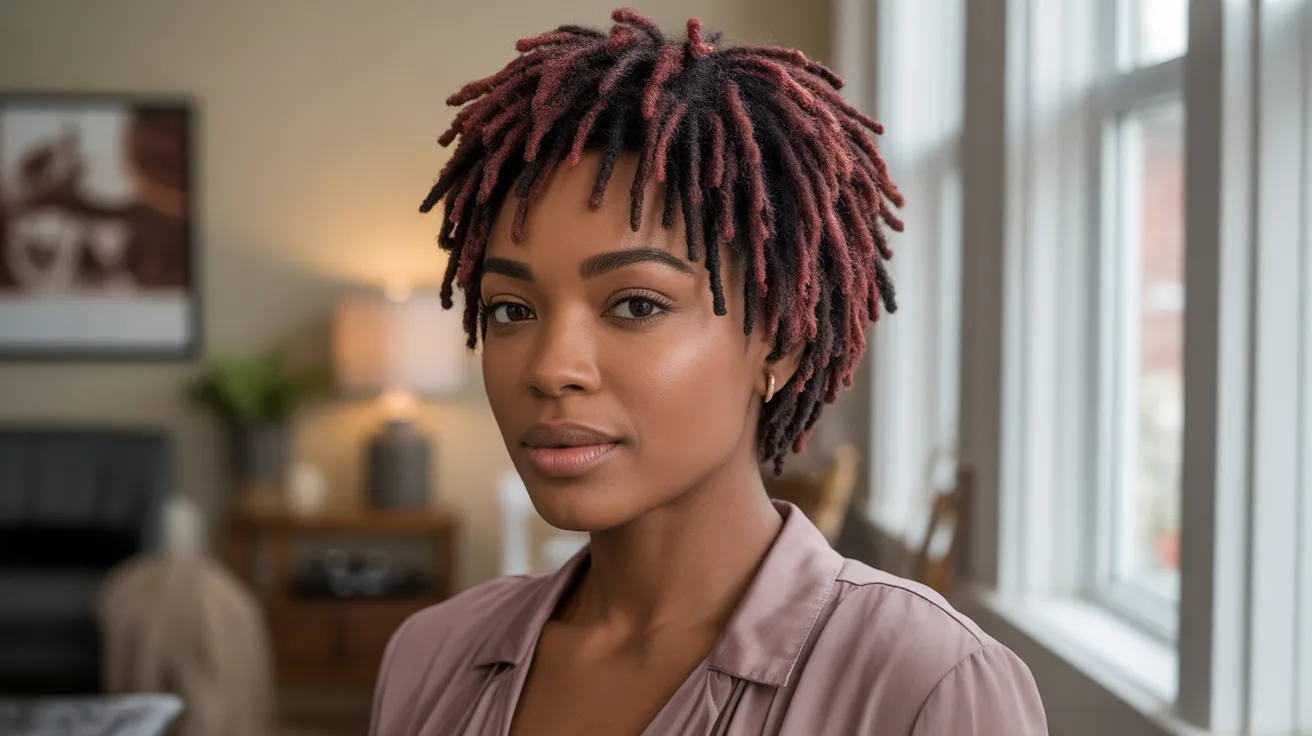
Short hairstyles with dyed locs offer a clean and modern look that works well in both casual and professional settings. The shorter length keeps the style easy to manage while still allowing the color to be a central feature. During regular use, it was found that short dyed locs tend to hold color longer because they go through less physical stress from weight and movement.
Short locs also dry faster after washing, which is a practical benefit that many people appreciate over time. When color is applied to short locs, even a single tone can create strong visual contrast depending on the natural base color of the hair. Styles like a slight taper at the sides or a rounded shape at the top pair especially well with dyed shades, giving the look a neat and intentional finish that many people find very appealing.
3. Long Hairstyles With Dyed Locs That Work Well
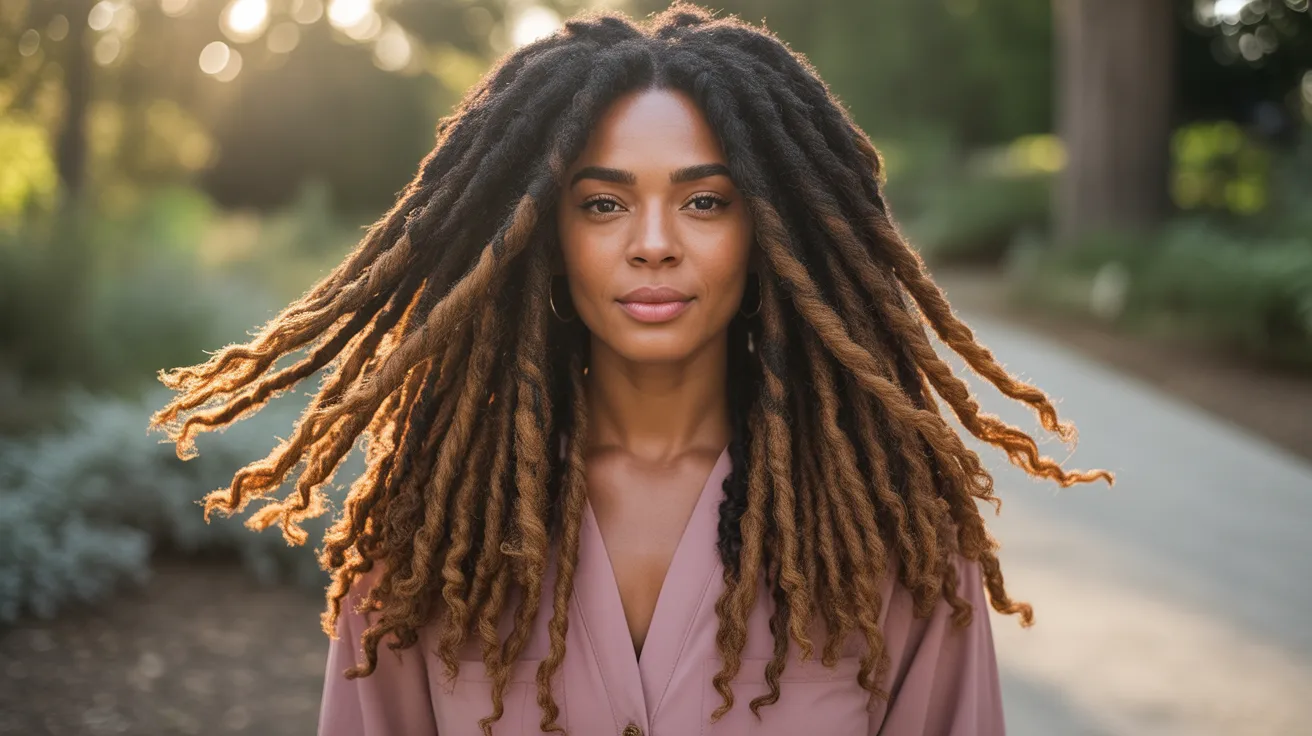
Long locs give a lot of room for creativity, and the options for styling them are almost endless. When color is part of the picture, long locs become even more dynamic because the color is seen in motion as the hair moves. On a normal setup, it was noticed that longer dyed locs create a striking visual effect when worn loose, especially when the tips have been colored differently from the roots.
The length also allows for a wider variety of hairstyles with dyed locs, from loose flowing styles to gathered looks and half-up arrangements. Many people find that ombre or dip-dye effects look especially beautiful on long locs because the transition between colors is gradual and follows the natural shape of the hair as it falls. Long locs require more maintenance, but the visual payoff is something that most people feel is well worth the effort invested.
4. Updo Hairstyles With Dyed Locs for Special Days
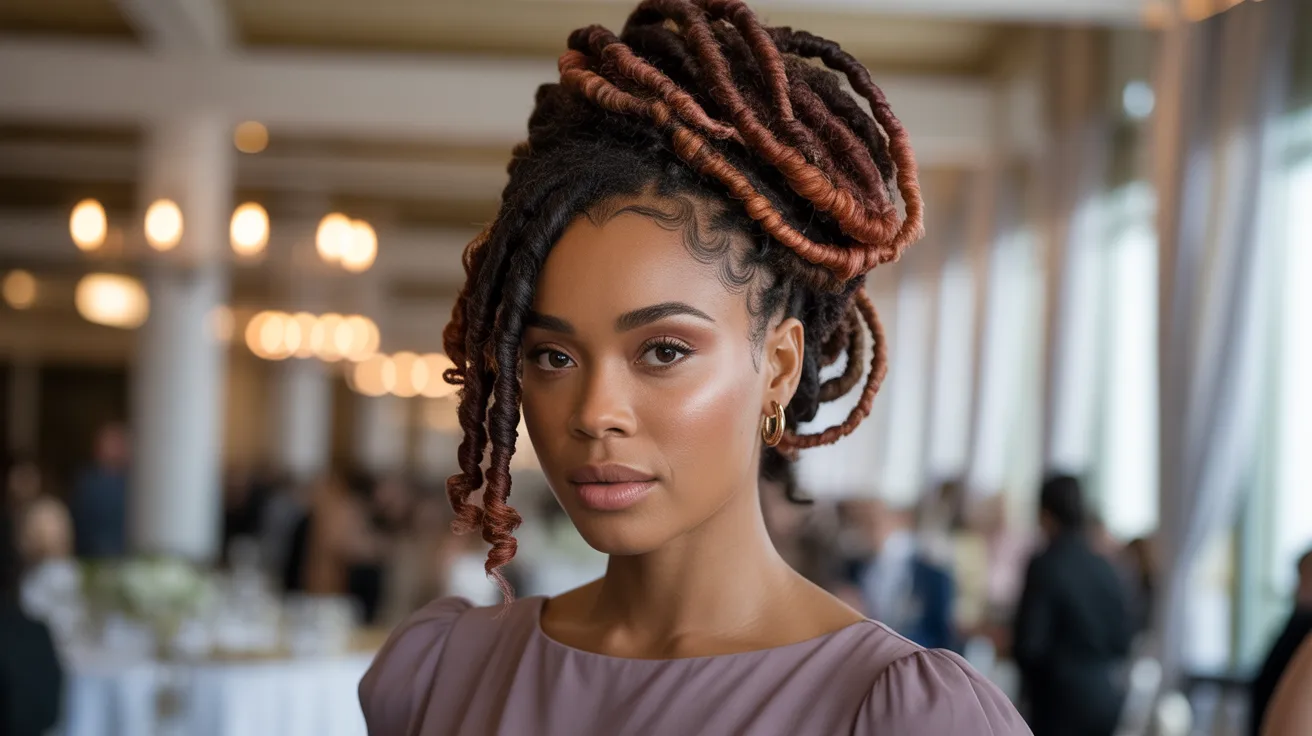
Updo styles work incredibly well with dyed locs because the gathered shape of an updo naturally highlights the color from multiple angles. When locs are pinned or tied up, the dyed sections become more concentrated and visible, creating a look that feels polished and deliberate. After trying this on a few occasions, it was clear that even a simple high bun with dyed locs can look exceptionally elegant without much effort.
Updos are also practical for warmer weather or active days when wearing hair down is not comfortable. A twisted updo, a pinned crown style, or a messy bun all look significantly more interesting when the locs being used carry a color. The contrast between the gathered shape and the visible dye creates a layered visual effect that works well for events, gatherings, or any day when a little extra effort is appreciated by those around you.
5. Bold Color Options in Hairstyles With Dyed Locs
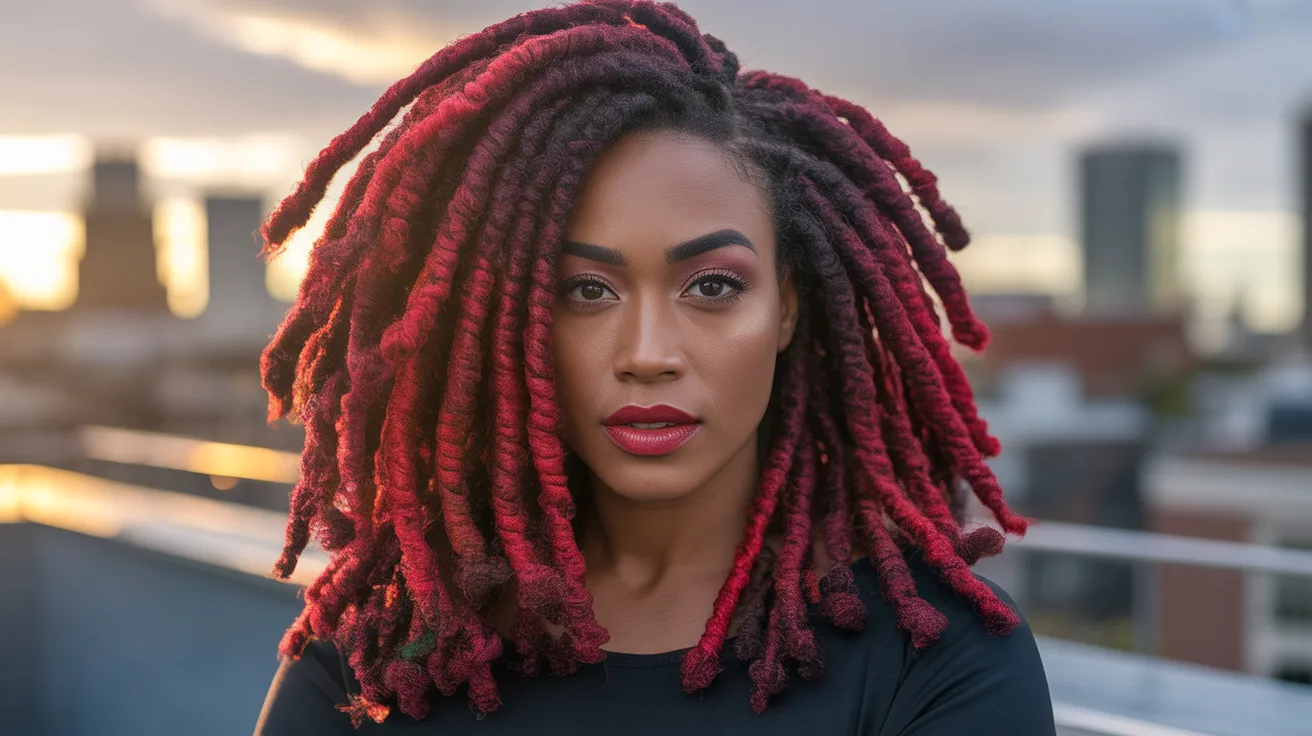
Bold colors have always been a popular choice among people who want their style to make a strong statement. Shades like deep burgundy, electric blue, bright copper, and vivid red are regularly seen on locs and each one brings a completely different energy to the overall look. These hairstyles with dyed locs in bold shades tend to attract attention immediately and are often chosen by people who are confident in their personal expression.
Bold colors do require more maintenance because they tend to fade faster than natural or muted tones. However, many people find that the fading process itself creates interesting results, as the color shifts over time into softer versions of the original shade. This gradual change can actually be treated as a feature rather than a flaw, turning one dye job into several different phases of color that keep the look evolving without any additional effort needed.
6. Soft Tone Hairstyles With Dyed Locs That Feel Natural
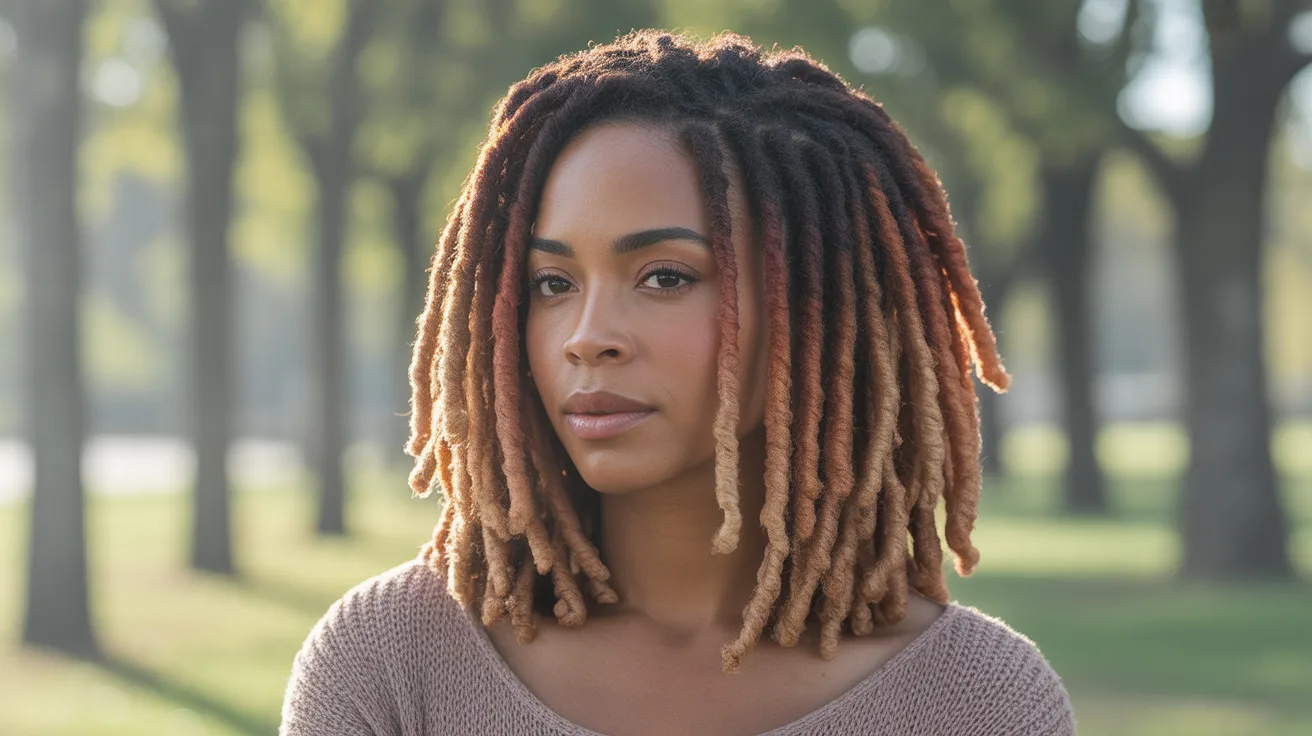
Soft and natural tones have grown significantly in popularity among people who want to add color to their locs without making a dramatic change. Shades like honey brown, warm auburn, soft copper, and sandy blonde all blend smoothly with darker bases and create a look that feels warm and approachable. Hairstyles with dyed locs in soft tones are often described as looking sun-kissed, which gives them a relaxed and effortless quality that many people find very attractive.
These tones are also easier to maintain over time because they fade more gracefully than bold shades. During regular use, it was observed that soft tones tend to require touch-ups less frequently, making them a practical option for people who want color without committing to a high-maintenance routine. The result is a style that looks considered and intentional while still feeling completely natural and easy to carry in everyday situations.
7. Protective Hairstyles With Dyed Locs for All Seasons
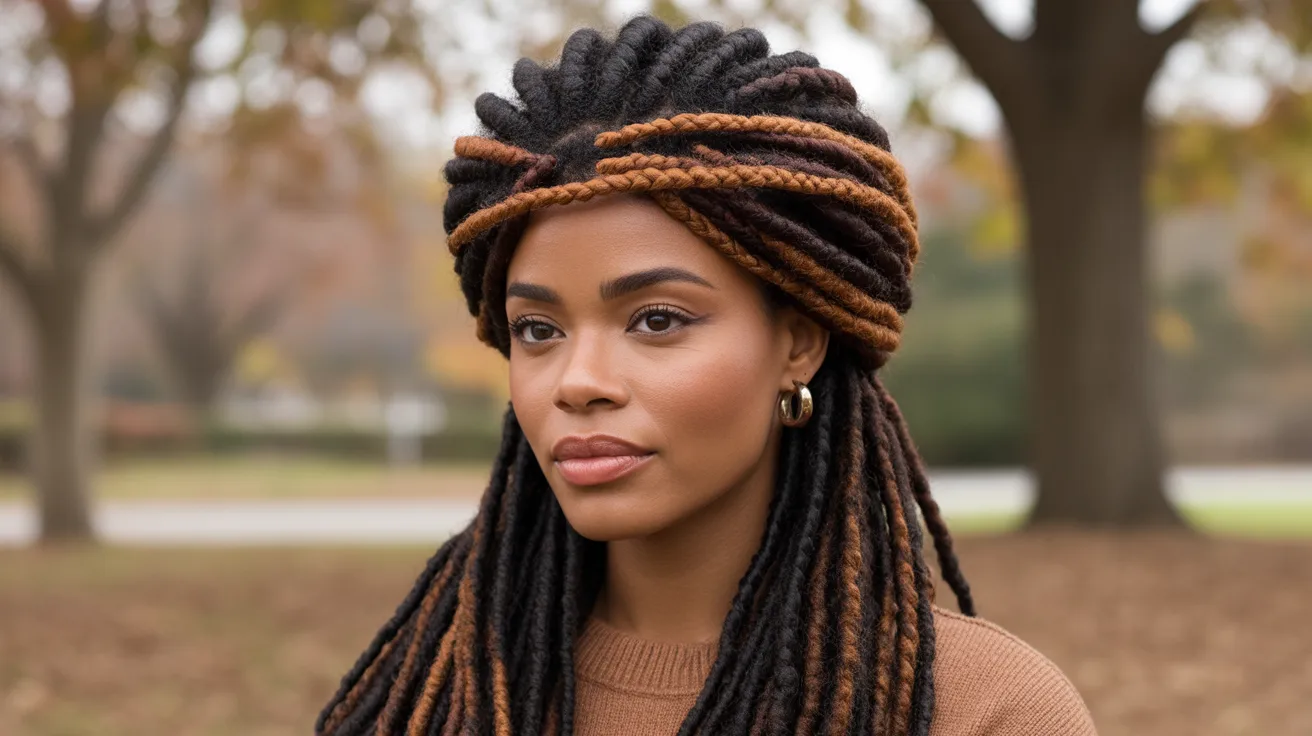
Locs are already considered a protective style, but when they are styled in specific ways, they offer even more protection to the hair and scalp. Gathered styles, wrapped looks, and tucked-in ends all reduce the exposure of the hair to environmental elements like wind, sun, and dry air. Protective hairstyles with dyed locs are especially useful in extreme weather seasons when the hair needs extra care to stay healthy and retain moisture.
In colder months, keeping locs tucked away or wrapped helps prevent dryness and breakage at the tips, which is where most color-treated locs tend to be most vulnerable. In summer, protective styles reduce direct sun exposure to the dyed sections, which helps preserve the color for a longer period. These styles are practical without sacrificing appearance, and they tend to look neat and deliberate, making them suitable for both casual and more formal settings throughout the year.
8. Everyday Hairstyles With Dyed Locs for a Simple Look
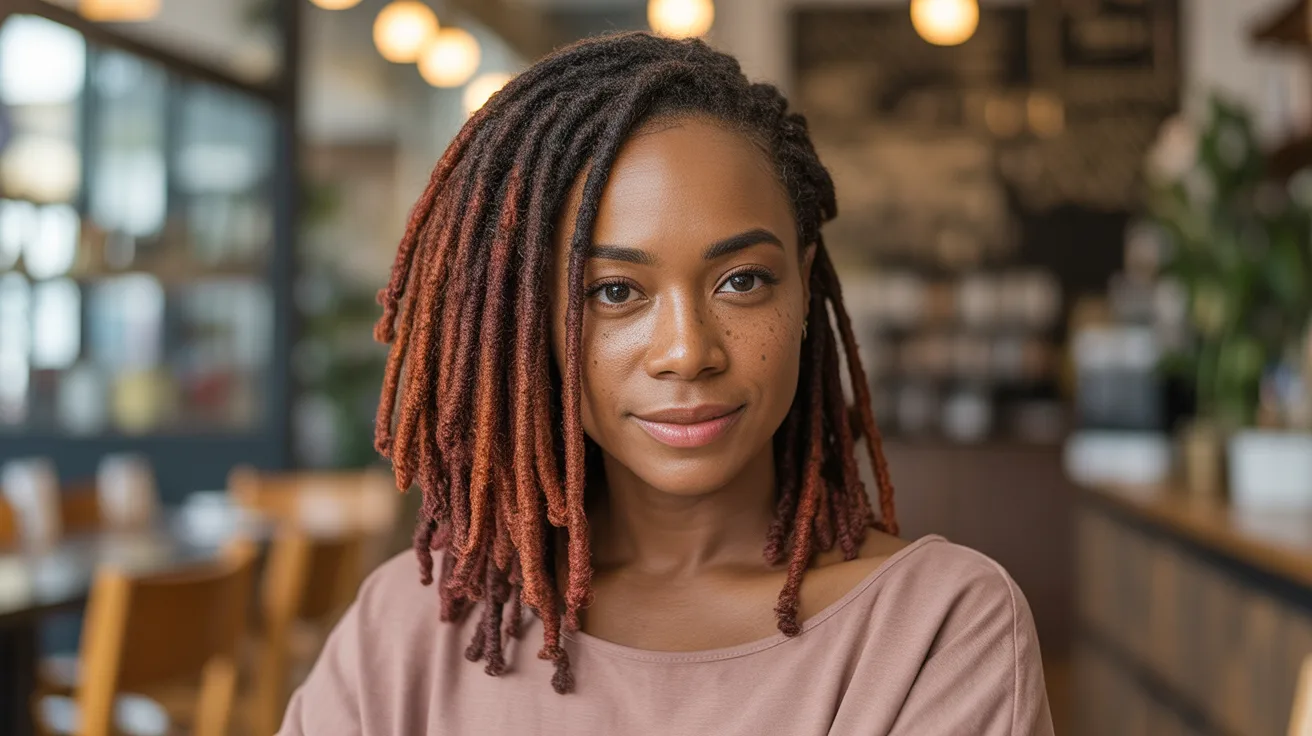
Not every day calls for an elaborate style, and everyday hairstyles with dyed locs are designed to be simple, quick, and comfortable. Wearing locs loose, pulling them back with a simple band, or letting them rest over one shoulder are all low-effort options that still look good because the color does most of the visual work. The color itself makes even the simplest arrangement feel intentional and put together.
These casual styles are also better for the health of the locs in the long run because they involve less manipulation and fewer products. A low-effort style that still looks stylish is something most people genuinely appreciate on busy mornings. After wearing dyed locs in simple everyday arrangements for an extended period, it was clear that the color is always the element that keeps the style interesting, even when everything else about the arrangement is kept minimal and relaxed.
9. Two-Tone and Split Dye Ideas for Locs
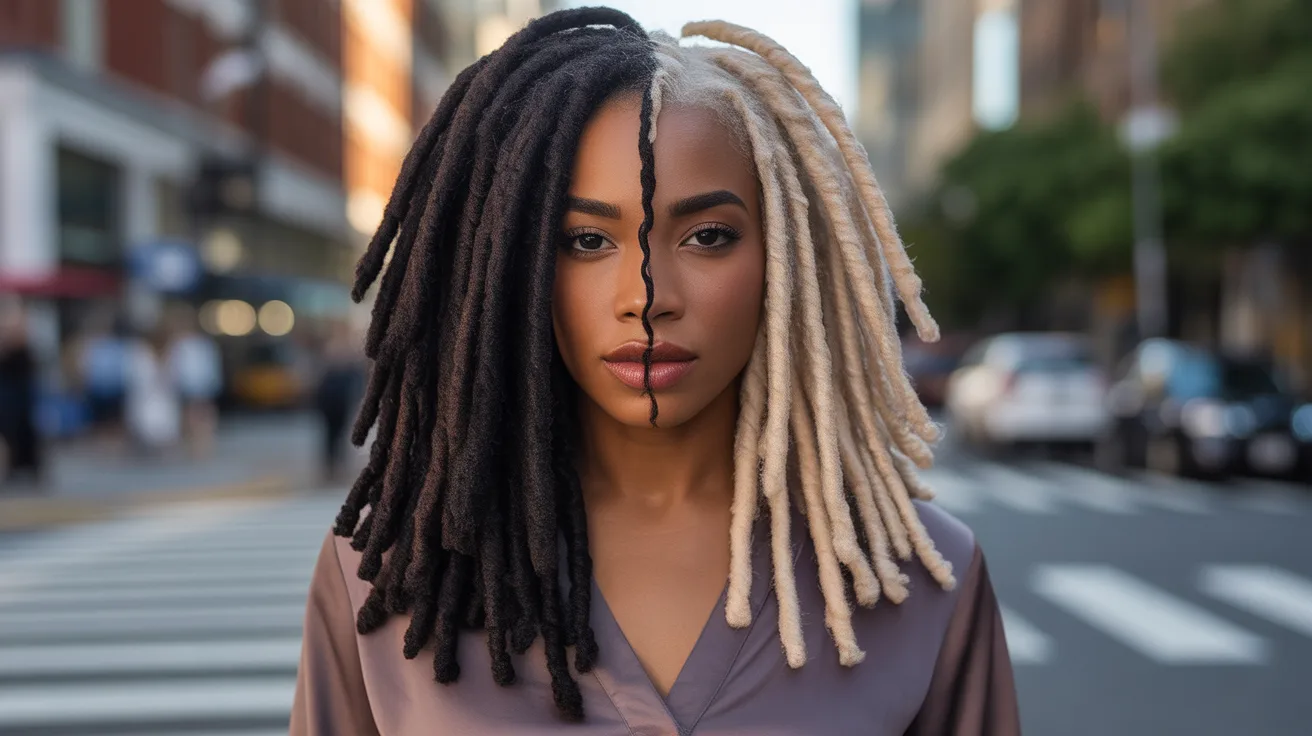
Two-tone dye styles involve coloring different sections of the locs in contrasting shades, creating a look that has visual depth and variety built into the hair itself. Common combinations include black and blonde, brown and red, or dark blue and light purple. The contrast between the two shades draws the eye across the full shape of the style and creates a dynamic effect that changes depending on how the hair is arranged on any given day.
Split dye is a more specific version of this concept where one side of the head is one color and the other side is a different color. This approach has been used by many people to create a striking and memorable look that feels both artistic and intentional. The key to making two-tone styles work well is choosing colors that complement each other, so the contrast feels balanced rather than jarring or unplanned when seen in full.
10. Ombre Effects on Dyed Locs
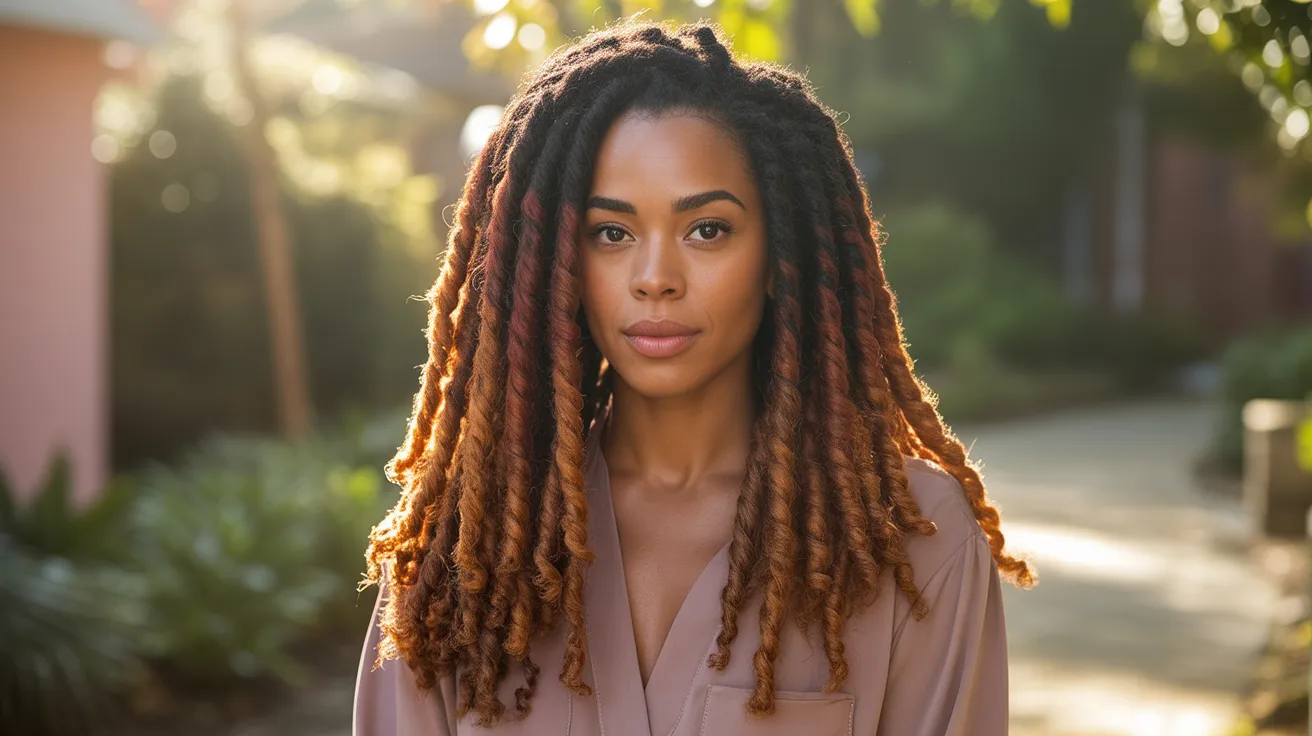
Ombre is one of the most widely used color techniques on locs because it creates a smooth and gradual transition from one color to another along the length of the loc. The most common version involves a darker root that gradually lightens toward the tips, but the technique can also be applied in reverse or with completely contrasting shades. The result is a look that feels dimensional and adds a sense of movement to the hair even when it is completely still.
During regular use, it was found that ombre effects on locs tend to age well because the gradual nature of the color means that fading happens evenly across the length of the loc rather than in patches. This makes ombre a practical and visually rewarding choice for people who want color without the pressure of frequent touch-ups. The blended look also has a softness to it that works well with many different face shapes and personal styles.
11. Highlighted Locs for a Subtle Dyed Look
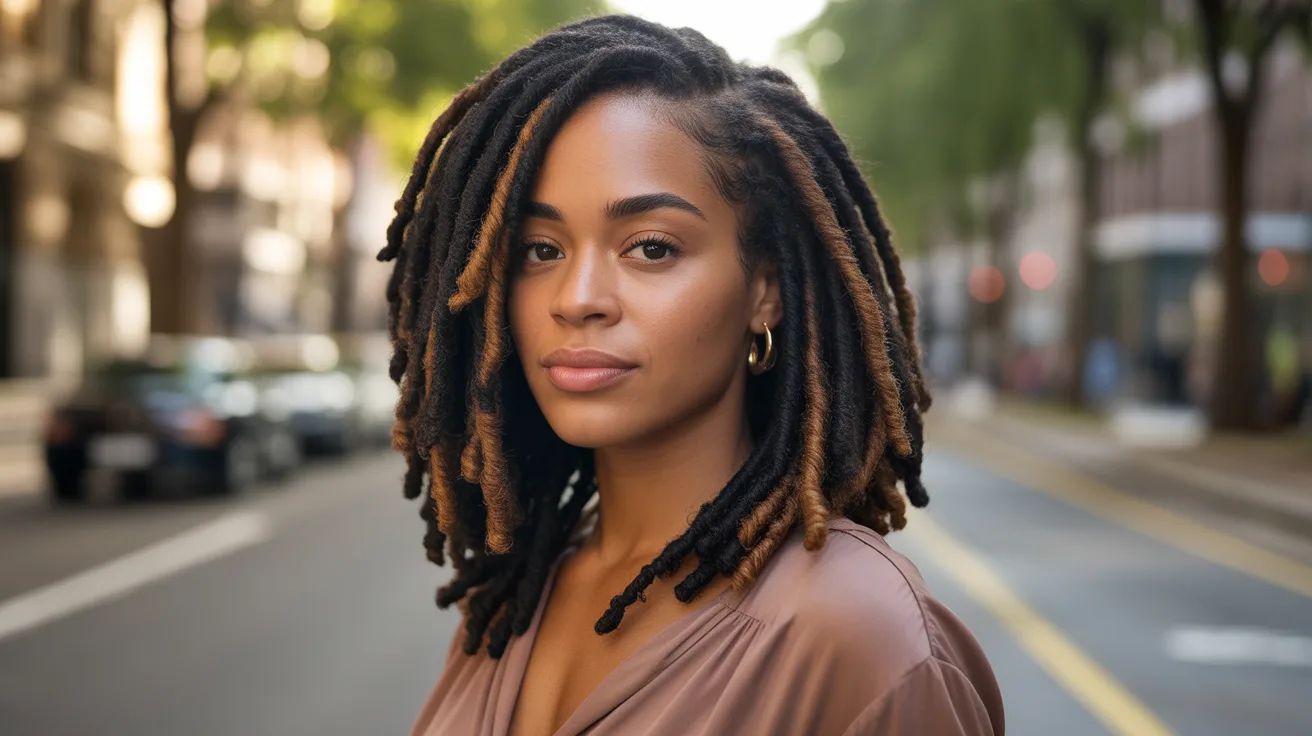
Highlights on locs involve selecting specific individual locs or small groups of locs and applying a lighter or contrasting color to them. This creates a scattered effect that looks similar to how natural sunlight might affect hair, with certain strands catching the light while others remain darker. The result is a very natural-looking and low-key version of color that suits people who want something subtle without committing to a full dye.
Highlighted locs can be customized extensively by choosing where the lighter locs are placed. Some people prefer highlights concentrated around the face for a brightening effect, while others distribute them more evenly throughout the head for a balanced look. After trying this on a normal setup, it was clear that highlights are one of the most flexible color options available for locs because they can be as visible or as understated as the person prefers.
12. Front Locs Dyed for a Face-Framing Effect
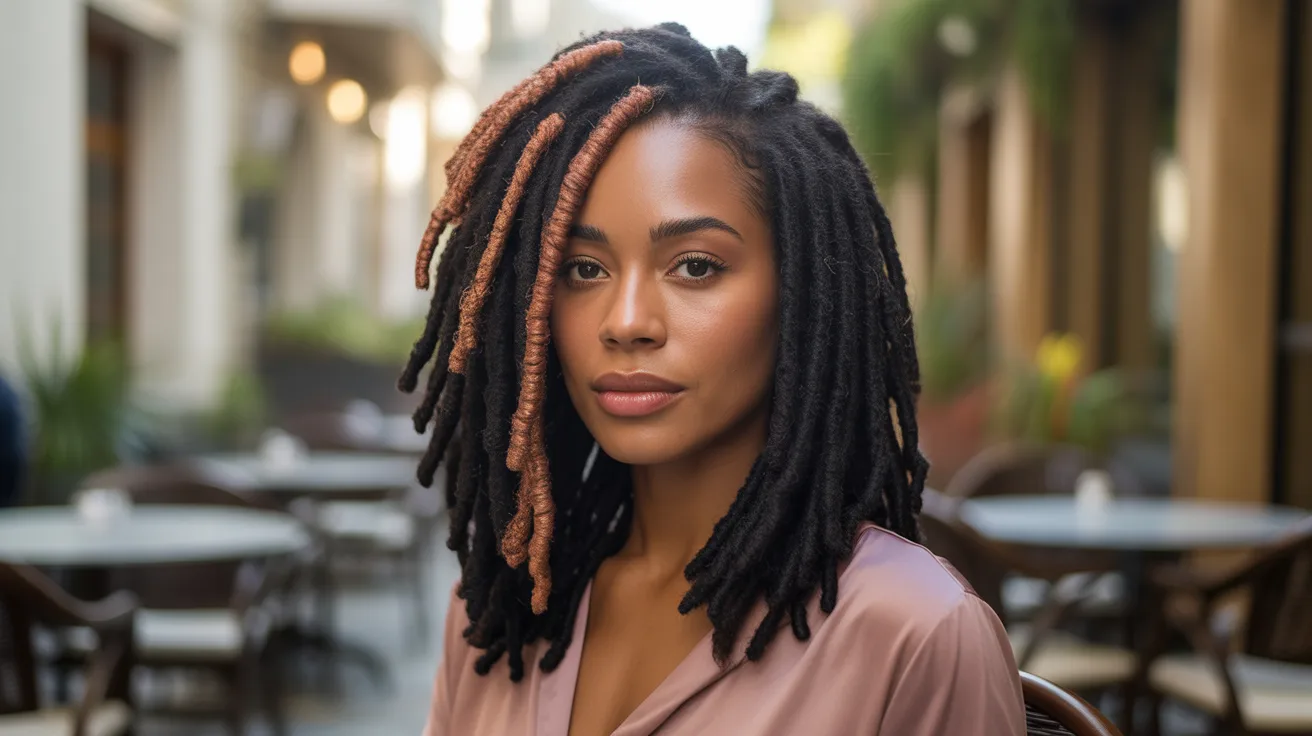
Dyeing only the front locs is a popular technique because it creates a framing effect around the face without requiring a full head of color. The front sections of the hair are the ones most visible in daily interactions, so placing the color there ensures it is always seen and appreciated. This approach is also more manageable in terms of maintenance since only a portion of the hair needs to be recolored over time.
Many people find this technique to be a good entry point for color on locs because it is less of a commitment than dyeing all the hair. The front locs can be colored in a shade that complements the natural color of the rest of the hair, or they can be something bold and contrasting for a more dramatic effect. Either way, the result is a look that draws attention to the face in a flattering and purposeful way.
13. Pastel and Faded Shades on Locs
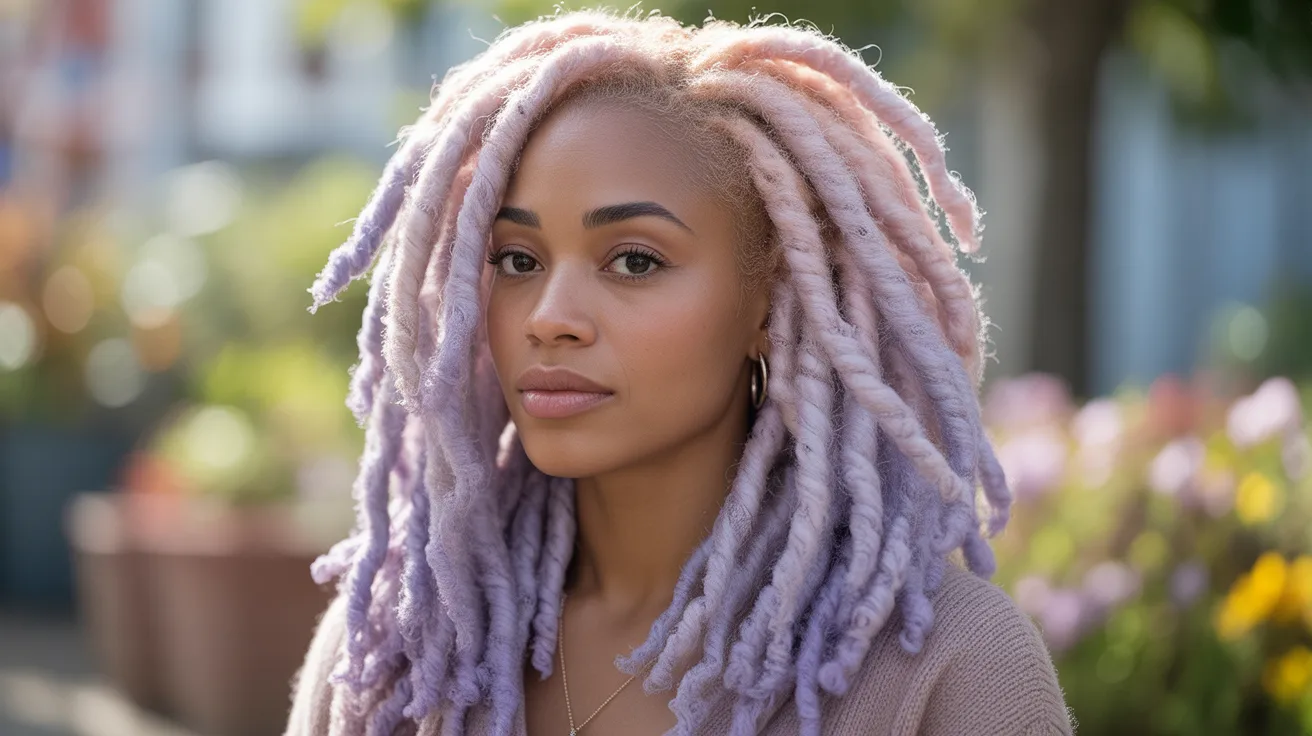
Pastel colors have a softness to them that feels dreamy and gentle when applied to locs. Shades like lavender, baby pink, soft mint, and light peach all create a look that is eye-catching but not overwhelming. These colors work best on lighter bases, which means some level of pre-lightening is often needed before the pastel can be applied at full vibrancy. On a normal setup, this step adds time and care to the process but the final result tends to be worth it.
Faded pastel locs have become particularly popular because the fading process produces soft, washed-out versions of the original shade that many people find even more appealing than the fresh color. A loc that started as bright lavender and has faded to a soft grey-purple carries a worn and lived-in quality that feels unique and personal. These styles tend to attract a lot of positive attention because they look considered and artistic without appearing overdone or too formal.
14. Red and Copper Tones for Warm Dyed Locs
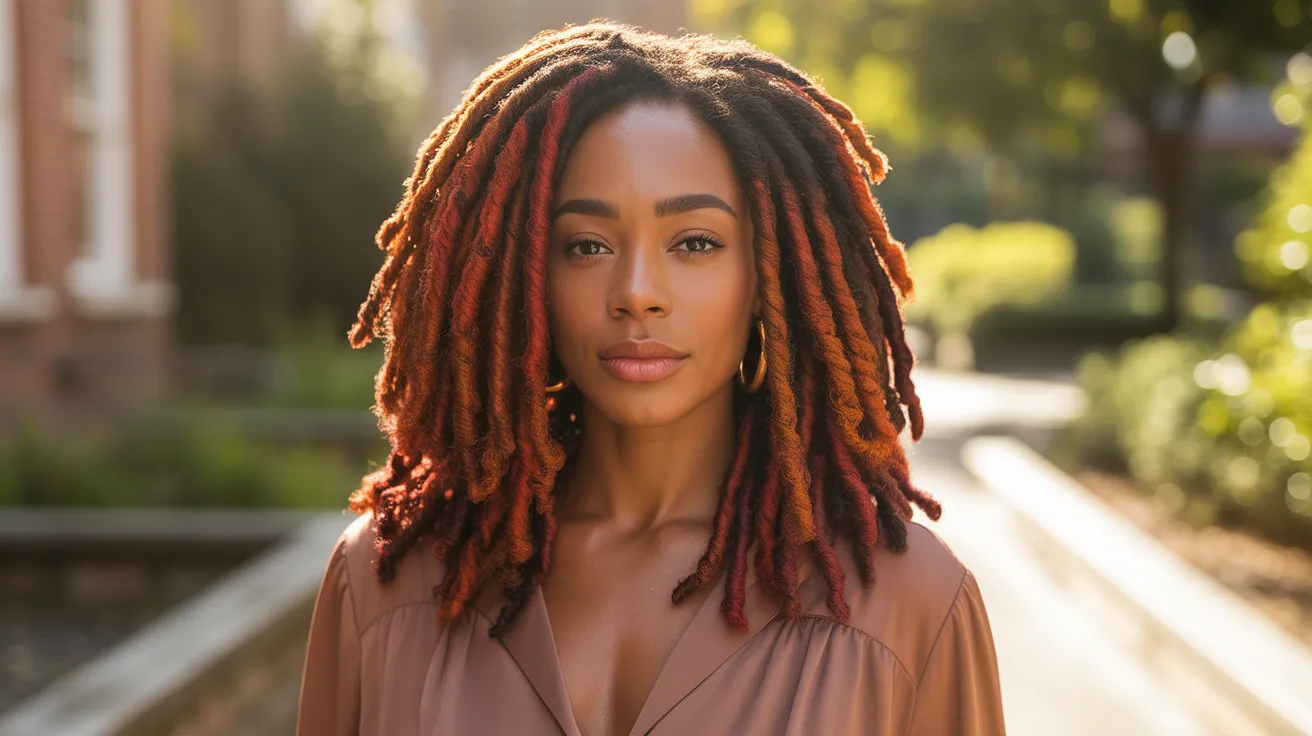
Red and copper are among the most flattering shades available for dyed locs, particularly for people with warm undertones in their skin. These colors have a richness to them that catches light beautifully and gives the hair a warm, glowing appearance. Deep reds feel luxurious and bold, while copper shades feel earthy and approachable, making both options appealing depending on the mood or setting being aimed for.
After trying this on different occasions, it was noticed that red tones on locs tend to fade toward a warmer orange or copper shade, which many people end up appreciating as much as the original color. This natural progression means that a single dye job can produce several different looks over time without any additional work. Red and copper dyed locs pair particularly well with earth-toned clothing and accessories, creating a cohesive overall look that feels warm and naturally styled.
15. Blue and Green Shades for Cool Dyed Locs
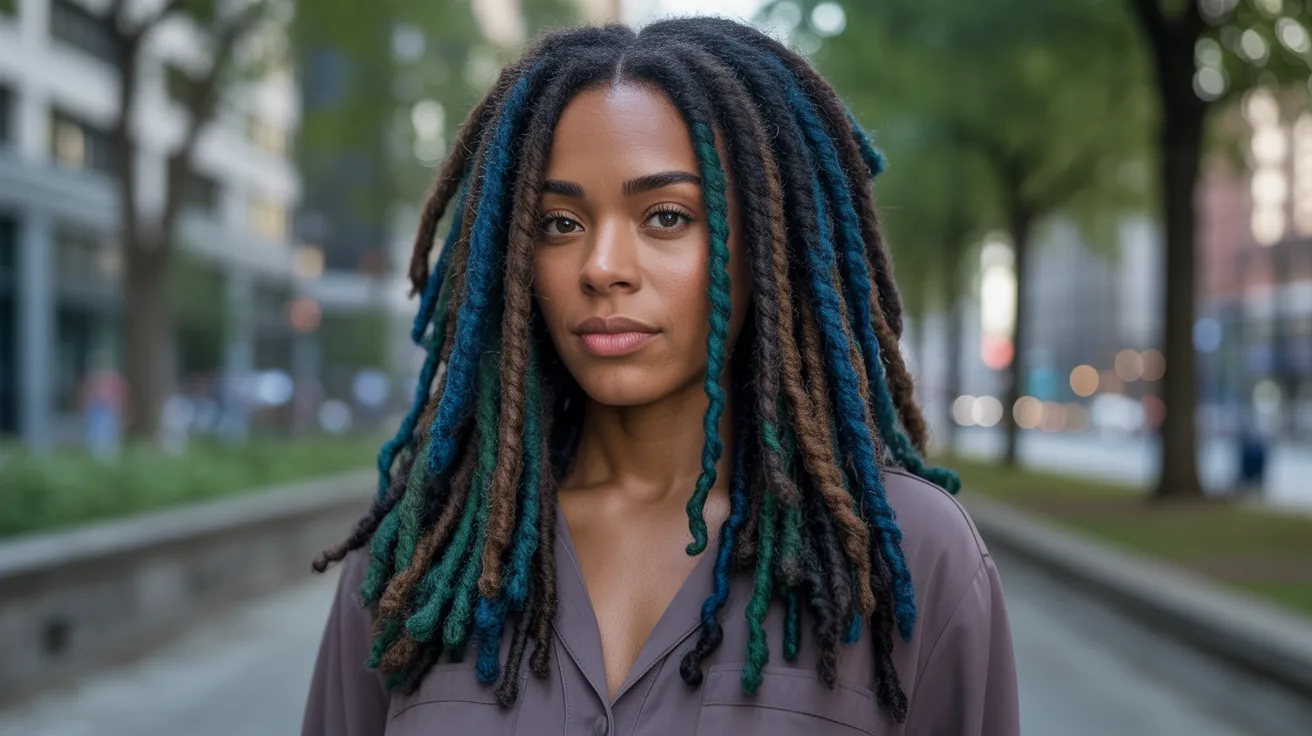
Cool-toned colors like deep navy, teal, forest green, and bright turquoise create a striking contrast when applied to darker loc bases. These shades feel bold and creative while still maintaining a certain depth that keeps them from looking too costume-like or unrealistic. Blue and green dyed locs are often chosen by people who want to express individuality through their hair in a way that feels artistic rather than casual.
These colors also have a tendency to fade in interesting directions, with blue often softening into a steel grey and green shifting toward a lighter, more muted sage. Many people find that they enjoy the faded versions of these shades just as much as the original, which makes the overall color experience feel like a journey rather than a one-time result. Cool-toned dyed locs photograph especially well and tend to stand out in both natural and artificial lighting conditions.
16. Black and Blonde Combination Locs
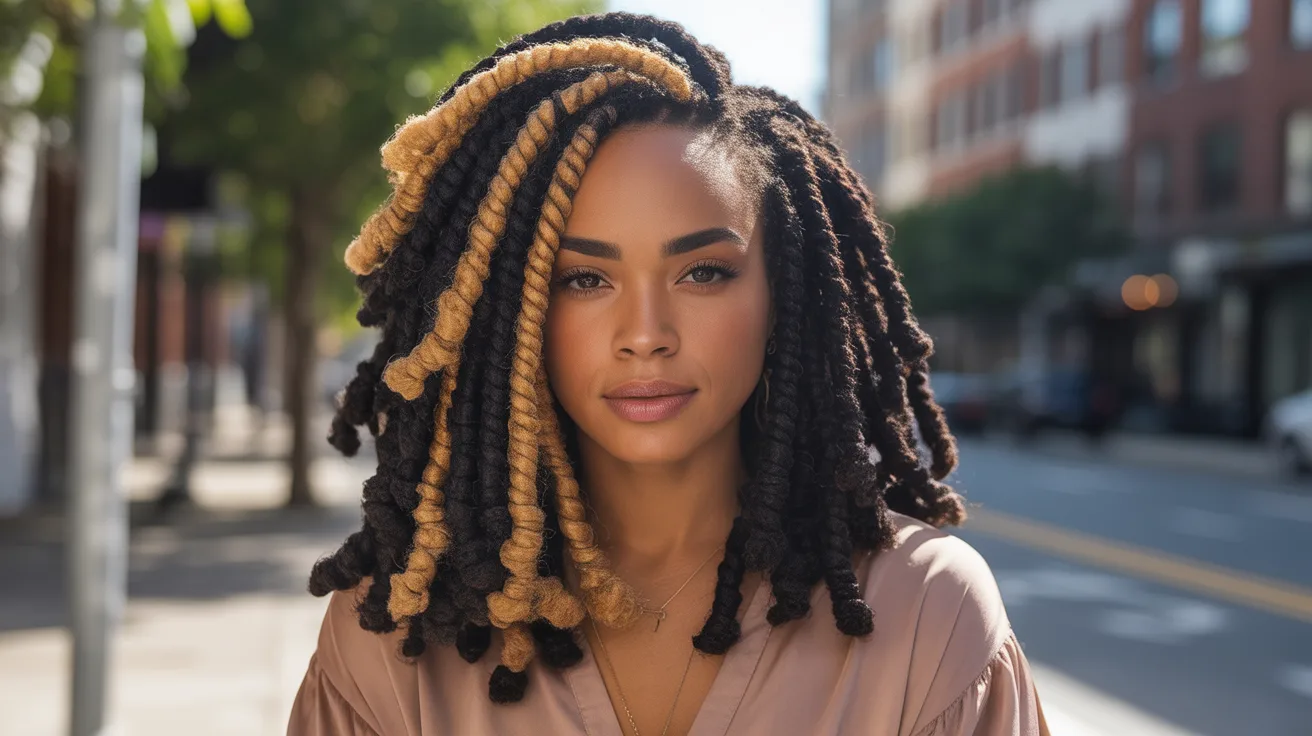
The pairing of black and blonde on locs is a timeless choice that creates maximum contrast with relatively simple colors. Some people achieve this by dyeing all locs blonde while keeping the roots dark, while others select specific locs to bleach while leaving the rest natural. Either approach creates a bold and visually interesting result that works with many different loc lengths and textures.
Black and blonde locs also offer flexibility in how they are styled because the high contrast means that even simple styles like a ponytail or a loose arrangement look striking. The blonde sections catch light easily, which adds dimension to the hair and makes the overall look feel dynamic and well-considered. This combination has remained popular over many years because it is both versatile and consistently attractive across different personal styles and settings.
17. Purple and Violet Tones on Locs
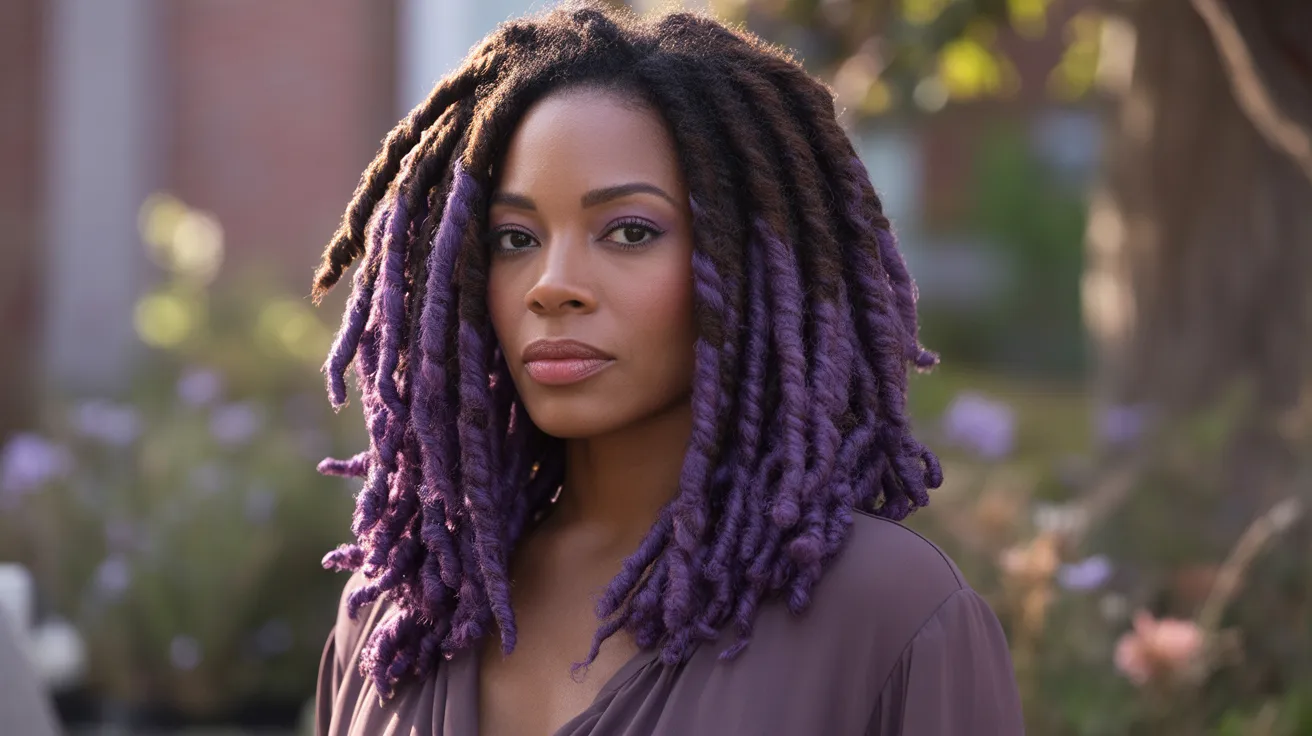
Purple shades have a unique quality on locs because they feel simultaneously bold and sophisticated. Deep plum and violet tones have a richness that works beautifully on darker hair, while lighter lavender shades offer something softer and more whimsical. Purple dyed locs are a popular choice among people who want color that feels special without leaning too far into bright or neon territory.
The shade also tends to complement a wide range of skin tones, making it one of the more universally flattering color choices for locs. During regular use, it was found that purple tones tend to fade relatively quickly on locs without regular color maintenance, but the faded versions often carry a beautiful dusty quality that many people find just as appealing. Purple locs tend to pair well with both casual and dressed-up styles, making them a very practical color choice for everyday wear.
18. Loc Length and Color Pairing Tips
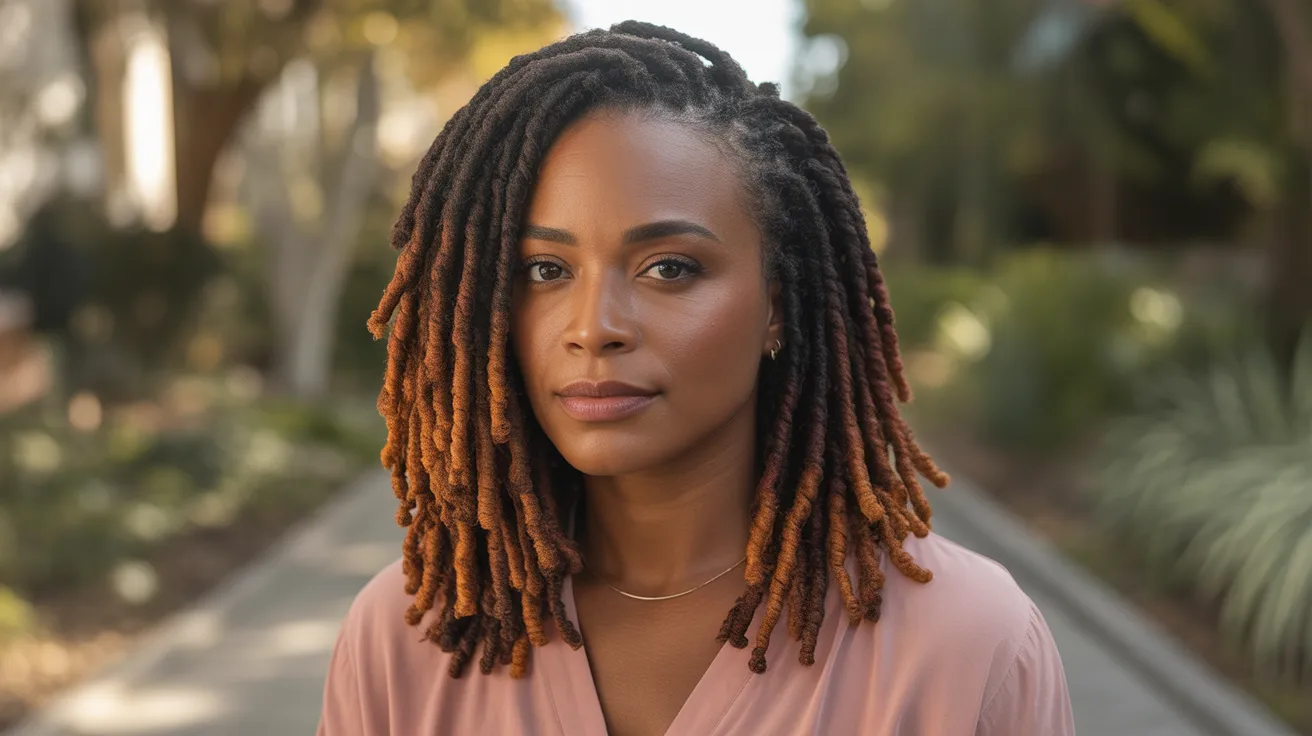
Choosing the right color for a specific loc length can make a significant difference in how the final result looks and feels. Short locs benefit from single bold shades because the color has limited space to express itself and a concentrated tone tends to read more clearly at that length. Longer locs, on the other hand, have enough surface area to accommodate gradients, multiple tones, and more complex color placements.
Medium-length locs sit in a versatile zone where most color techniques tend to work well. Highlights, ombre, and solid dye all look balanced at medium length and are relatively easy to maintain over time. Regardless of length, it is generally recommended to start with tones that are close to the natural hair color before moving to more dramatic changes, as this allows the hair to adjust gradually and reduces the risk of damage from aggressive chemical processing.
19. Maintaining Color on Locs Over Time
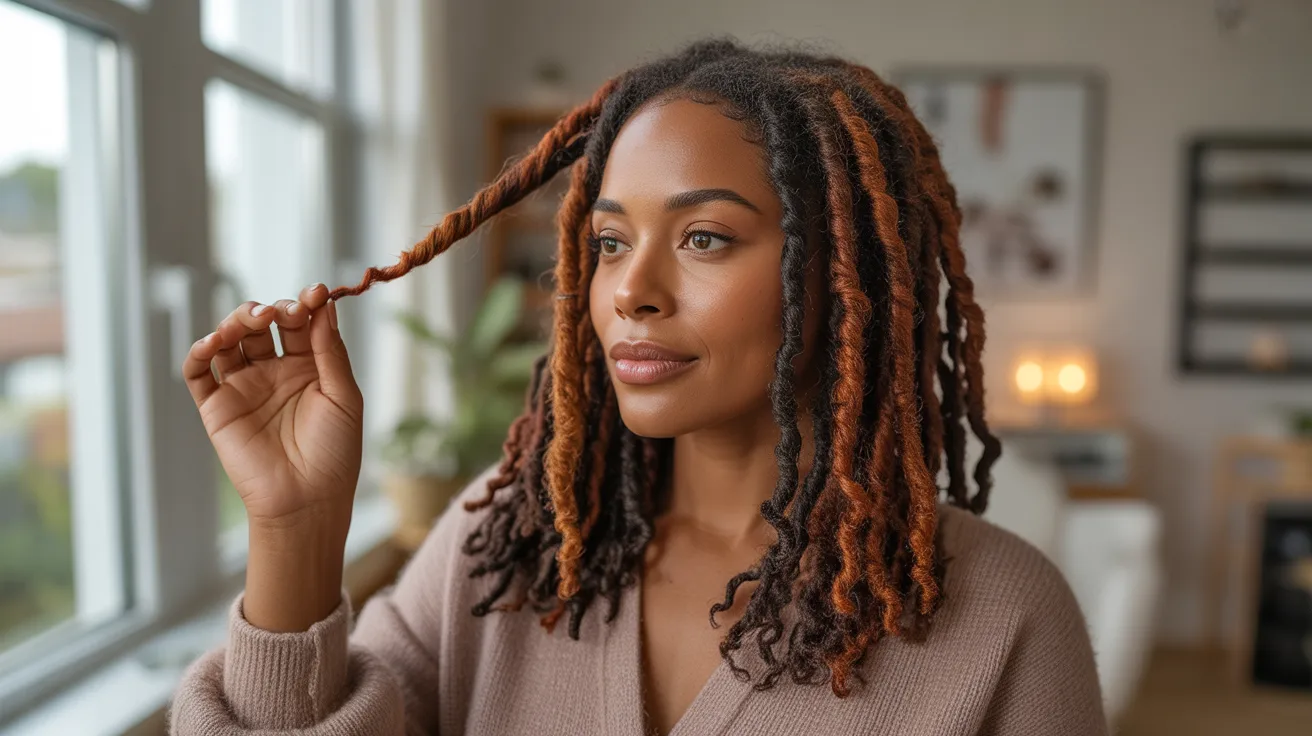
Color-treated locs require a slightly different maintenance approach than natural locs because the dye can affect the moisture balance of the hair. Using sulfate-free cleansers and moisturizing products helps preserve both the color and the overall health of the loc. After trying different maintenance routines, it was found that washing color-treated locs less frequently and using a gentle dry shampoo between washes helps the color last significantly longer.
Direct sun exposure is one of the fastest ways to fade dyed locs, so protecting the hair with a light scarf or hat on very sunny days is a practical habit worth building. Sealing the locs with a light oil after washing also helps lock in moisture and creates a barrier that slows color fading. With consistent care, even bold dye jobs can remain vibrant for several months before a touch-up becomes necessary, which makes the investment in color feel much more worthwhile over time.
20. Color Options for Mature Locs
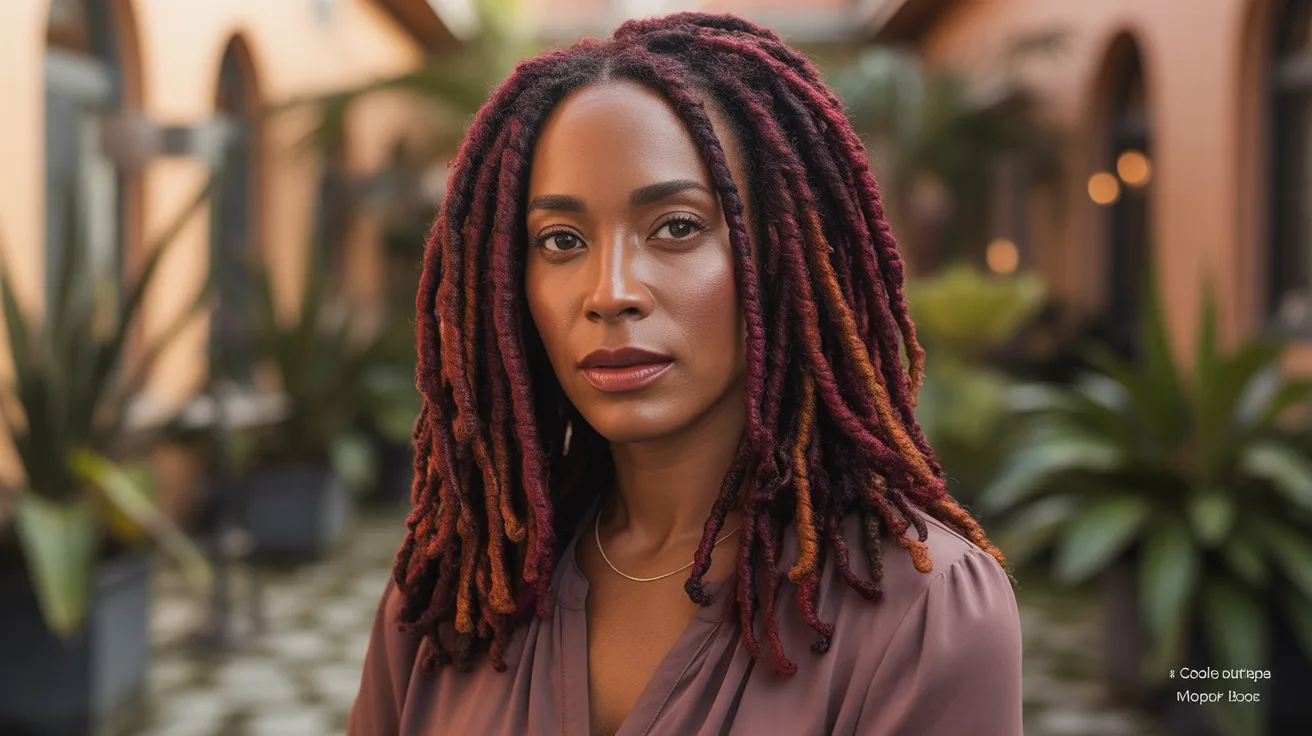
Mature locs, meaning locs that have been grown and maintained for several years, tend to have a more uniform texture and density that takes dye very evenly. This makes them an excellent canvas for color work of all kinds. Because mature locs are often thicker and more tightly sealed at the surface, the color tends to sit in a more controlled way and fade more gradually than on newer locs.
People with mature locs often find that they have more flexibility in their color choices because the locs themselves are more resilient and can handle the chemical process of dyeing with less risk of damage. Bold shades, bleach-based lightening, and complex multi-color techniques are all more achievable on mature locs that have been properly conditioned and maintained. The patience required to grow locs to maturity is genuinely rewarded when color is introduced, as the results tend to be especially rich and well-defined.
21. Starter Locs and Dye Considerations
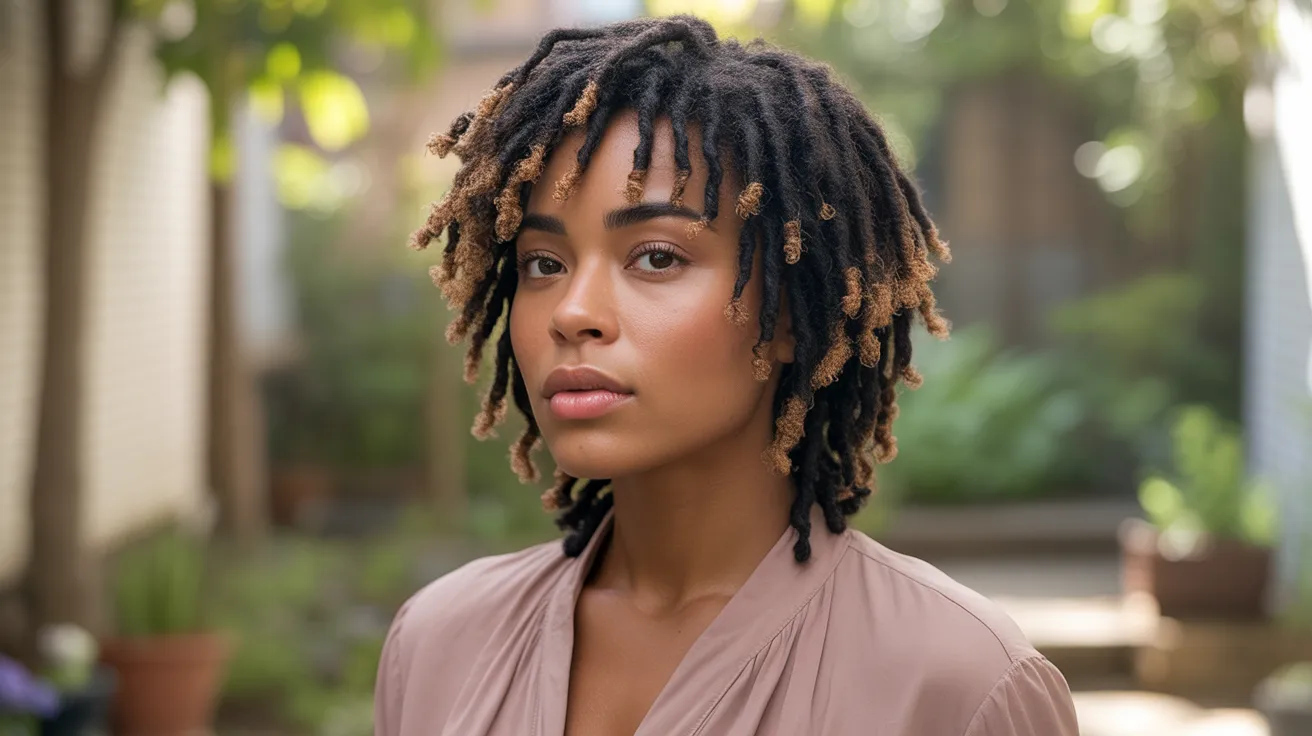
Starter locs are much more delicate than mature locs and require a more careful approach to color. The budding and locking process involves the hair going through structural changes, and introducing dye during this period can interfere with how the locs form. It is generally advised to wait until locs have fully locked before applying any chemical treatments, including dye, to reduce the risk of damage or unraveling.
If color is desired during the starter phase, gentler options like temporary rinses or henna-based colors are sometimes used as alternatives to permanent dye. These options add color without the same level of chemical exposure and wash out gradually over time. The limited color options at this stage can feel frustrating for some people, but the patience practiced during this period tends to pay off significantly once the locs have matured and more color options become safely available.
22. Natural Dye Alternatives for Locs
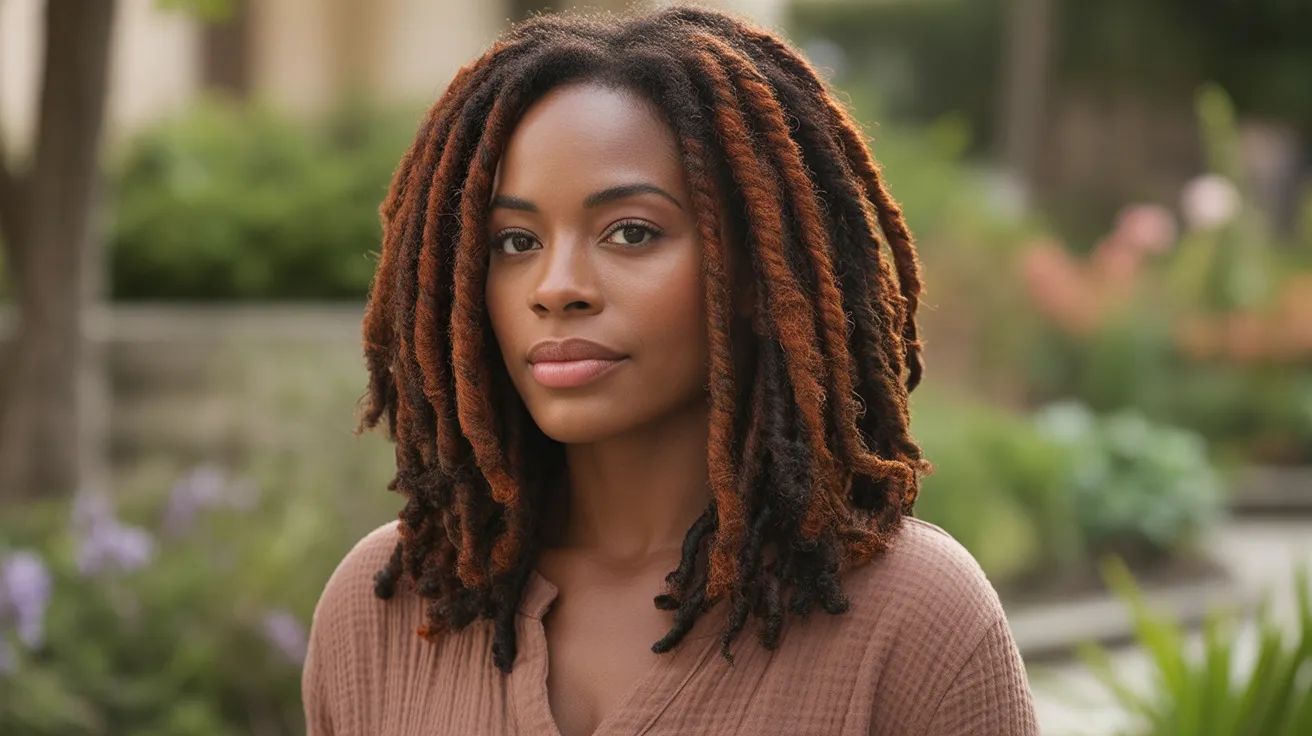
Some people prefer to use natural dye alternatives on their locs to avoid the chemical exposure that comes with conventional salon dye. Henna is one of the most widely used natural options and produces a rich reddish-brown tone on darker hair bases. Cassia and indigo are sometimes combined with henna to produce different shades ranging from deep brown to near-black, depending on the ratio used in the mixture.
These natural alternatives are gentler on the hair and scalp than chemical dyes, though they do come with limitations in terms of the range of colors achievable. Bright blues, purples, and greens are not achievable through natural methods alone, which is why many people who want bold colors still turn to conventional dye. However, for those seeking warm, earthy tones while keeping their hair care routine as natural as possible, plant-based options represent a genuinely practical and effective alternative worth exploring.
23. Professional vs At-Home Dyeing for Locs
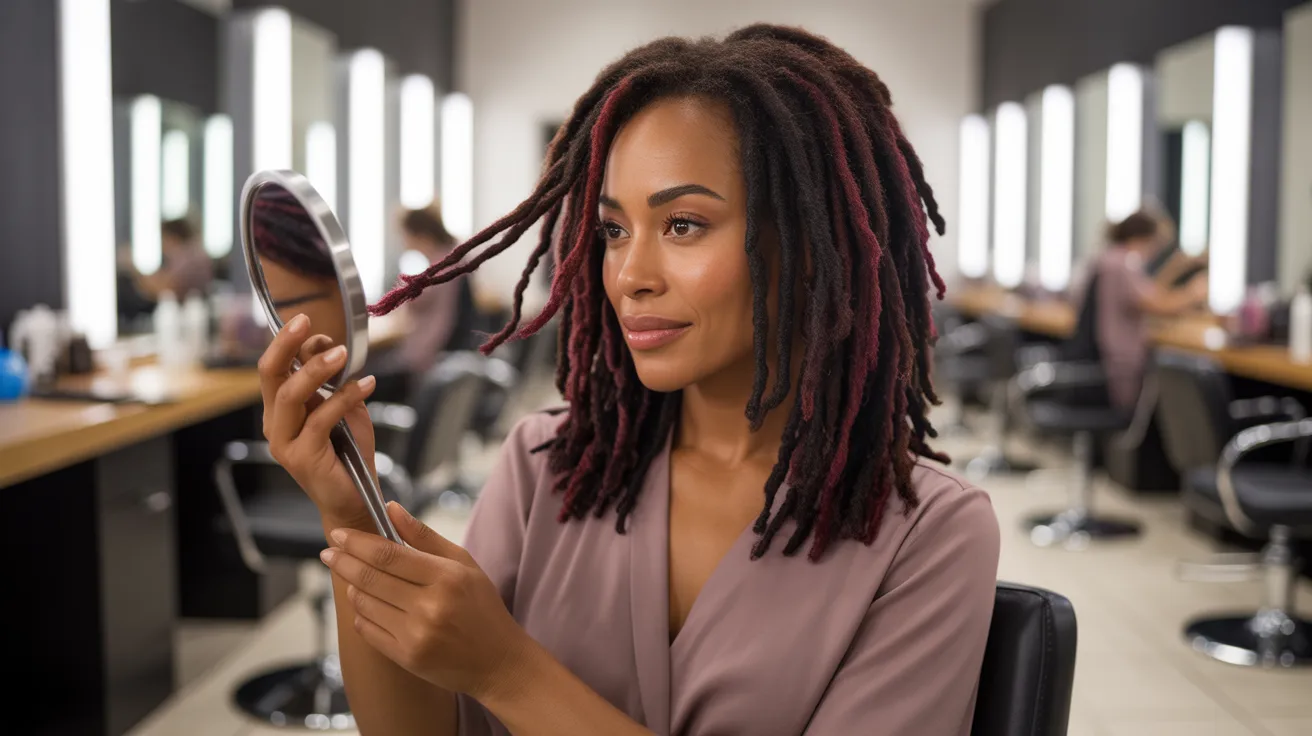
Dyeing locs can be done either at a salon by a professional or at home using box dyes and technique guides. Professional dyeing offers the advantage of experience, access to higher-quality products, and the ability to achieve more complex color effects that are difficult to replicate at home. The cost is higher, but many people find that the results justify the investment, particularly for bold or multi-tonal color work on longer locs.
At-home dyeing is a popular choice for people working with single colors or simple techniques like dip-dyeing the tips. The process requires patience and some preparation, including protecting the skin around the hairline and ensuring the dye is mixed and applied evenly. On a normal setup at home, solid and manageable results can be achieved with careful preparation and the right products. Starting with a simple color technique at home before moving to more complex approaches is generally considered the most sensible way to begin.
24. Choosing the Right Dye for Loc Texture
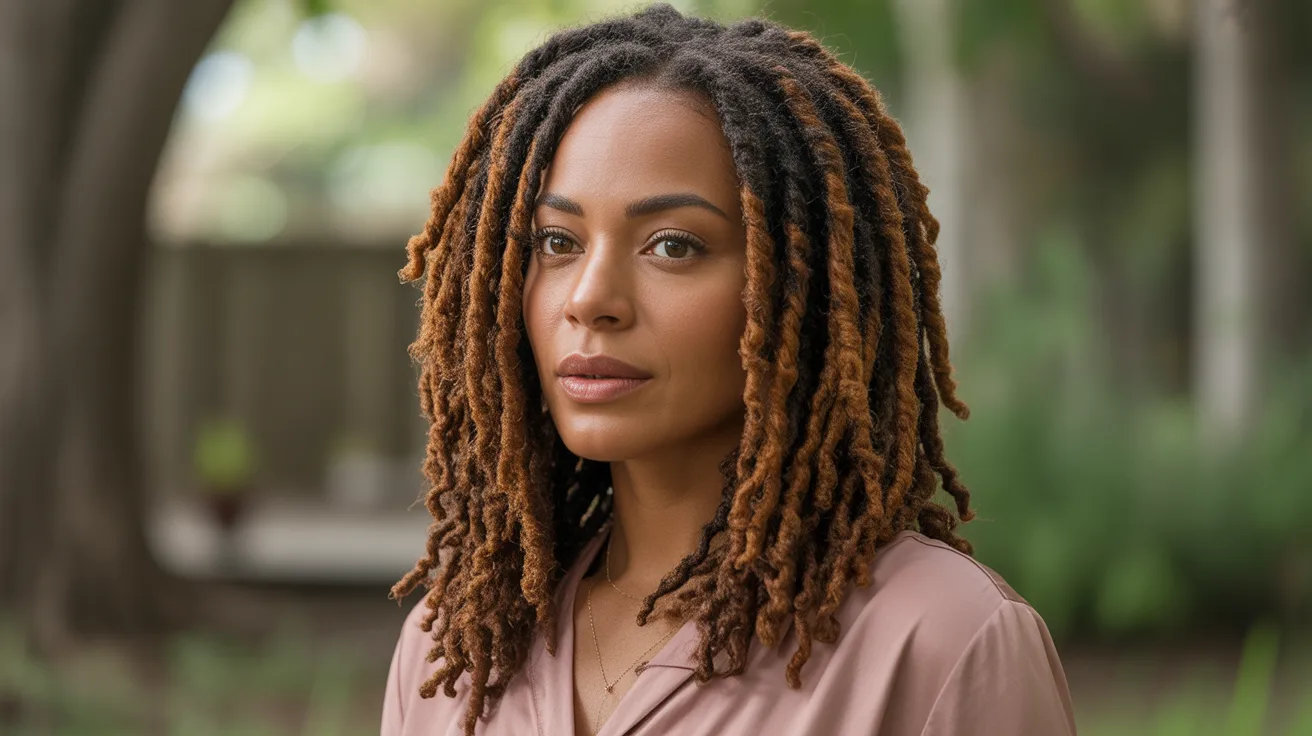
Different loc textures absorb dye in different ways, and understanding this before starting the coloring process helps produce more consistent and satisfying results. Finer locs tend to absorb color more quickly and can sometimes process faster than expected, which means monitoring the color closely during application is important. Thicker and denser locs may require a longer processing time to ensure the color saturates the loc fully and evenly from surface to core.
Cream-based dyes are often recommended for locs because they cling to the surface more effectively than liquid formulas and reduce the amount of dripping during application. This matters especially for longer locs where controlling the dye during application can become physically challenging. Choosing a product specifically formulated for textured or natural hair is also advisable, as these formulas tend to be more hydrating and less likely to cause dryness or brittleness in the loc structure over time.
Conclusion :
These 24 looks show just how versatile and expressive hairstyles with dyed locs can be across different lengths, textures, and color choices. Whether something subtle or something bold is the goal, dyed locs offer a way to make any style feel more personal and intentional. The key is finding the color and technique that fits the hair and the lifestyle of the person wearing it.
Trying something new with locs is always a process, and not every color works perfectly on the first attempt. With the right preparation and a reasonable sense of what to expect, the results can be genuinely rewarding and long-lasting. The variety shown in these 24 styles is meant to make that first step feel a little easier and a lot more exciting for anyone ready to explore color on their locs.