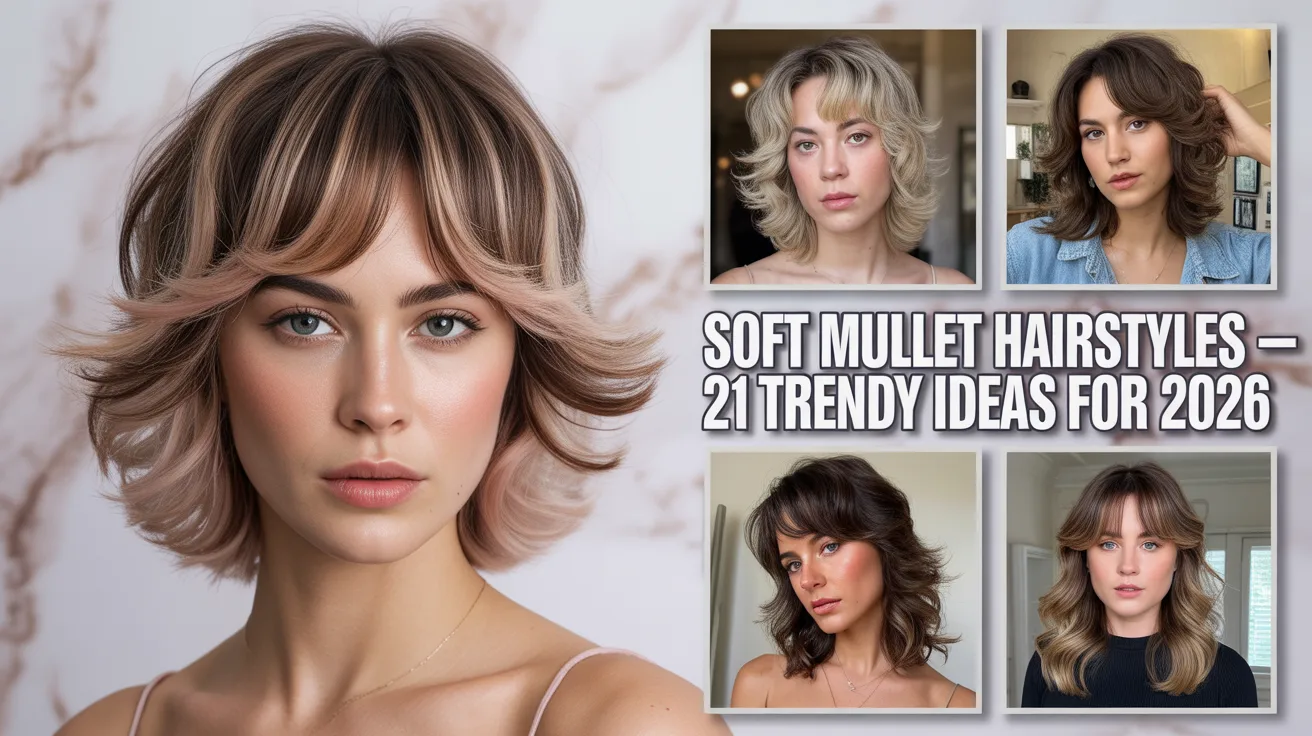
Soft Mullet Hairstyles – 21 Trendy Ideas for 2026
The soft mullet has quietly become one of the most requested cuts at salons everywhere. After seeing it on different people during regular salon visits and casual outings, it becomes clear why this style keeps showing up. It sits between edgy and wearable in a way that most haircuts simply do not. This cut works for a wide range of hair types, face shapes, and lifestyles, which makes it genuinely practical rather than just fashionable.
What makes this cut stand out is how it blends length and movement without going extreme. It keeps things relaxed at the front and sides while building interest toward the back. During regular wear, the shape holds up well and does not demand constant maintenance. Whether someone is heading to work or a weekend gathering, the style fits naturally without much effort. These 21 ideas cover different ways to approach it based on what suits you best.
1. The Classic Soft Mullet for Everyday Wear
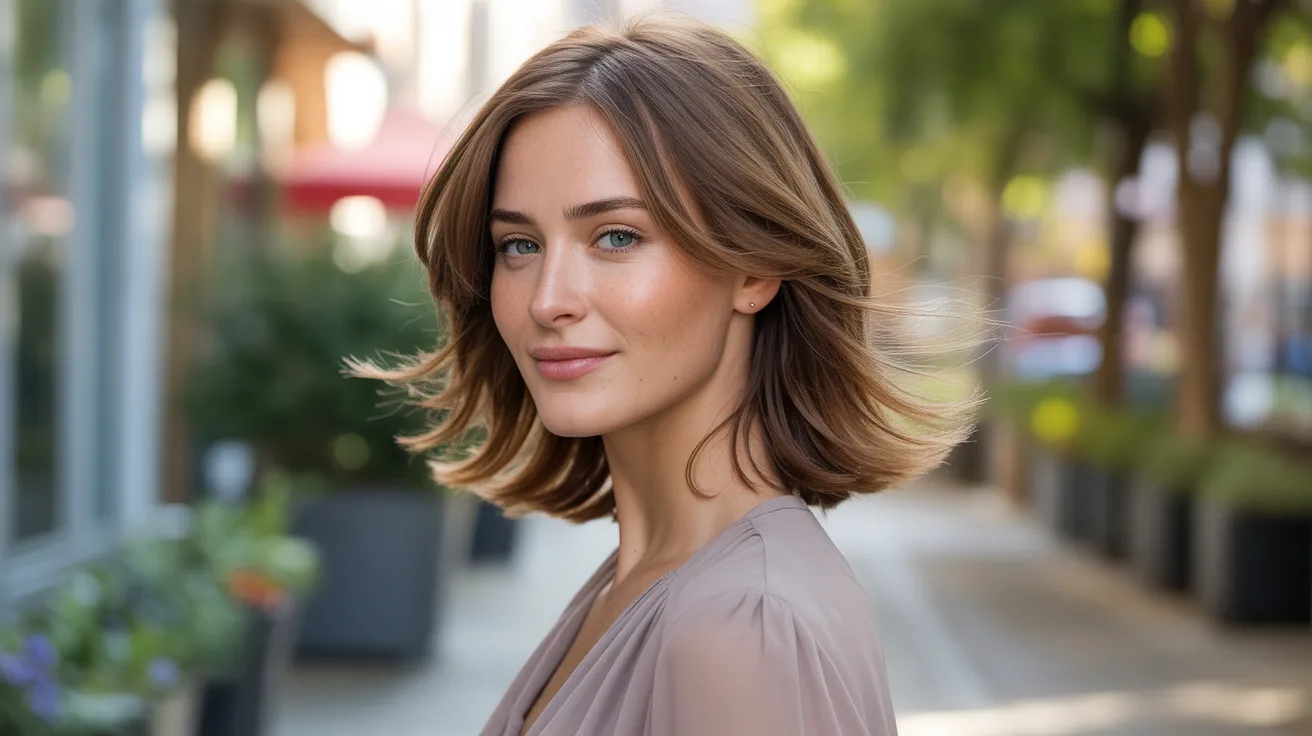
The most straightforward version of this style keeps the top and sides at a medium length while the back falls slightly longer. It is not a dramatic drop in length, which is exactly what makes it easy to wear without drawing too much attention. The transition between sections feels gradual and natural. After trying this on a standard setup, it was noticed that the shape stays neat even on days when styling is minimal or skipped entirely.
This version works especially well for those who want something modern without committing to anything too bold. This particular cut in its classic form is forgiving on most hair textures and holds up well in different weather conditions. It was noticed during regular use that fine to medium hair tends to respond well here because the layers add the illusion of thickness without requiring products to maintain that look throughout the day.
2. Wavy Texture with a Soft Mullet Cut
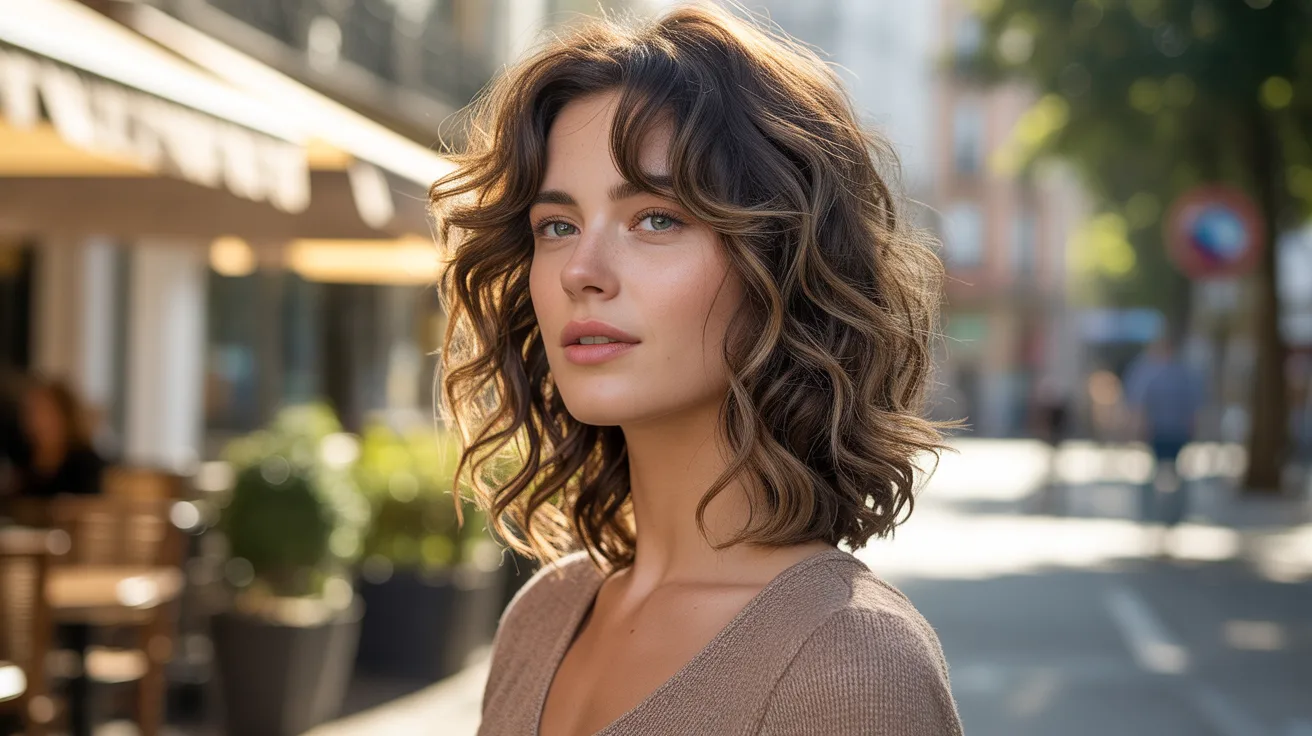
Wavy hair and this kind of cut are a genuinely good match. The natural movement of waves gives the style a lived-in quality that works well with the layered shape. The longer back section shows off wave patterns in a way that straight cuts sometimes cannot. It was noticed on a normal setup that wavy strands tend to fall into place naturally once the cut is fresh, reducing the time spent on morning styling routines considerably.
This approach here benefits from the way waves add visual texture without needing extra product. A light curl cream or sea salt spray applied to damp hair is usually enough to bring out the movement. The front sections can be left loose or lightly swept to one side depending on preference. This pairing tends to photograph well and looks equally good in person, making it one of the more versatile options covered here.
3. Curly Soft Mullet for Natural Hair
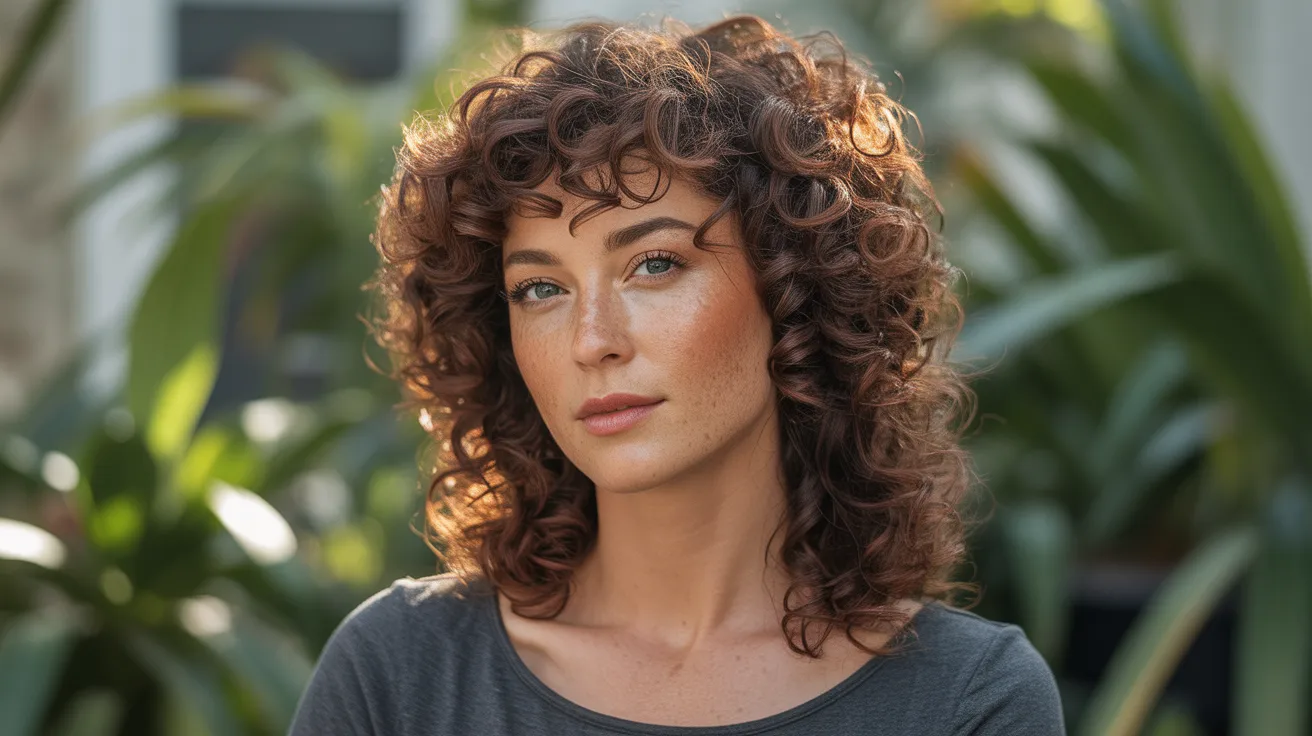
Curly hair takes on a whole different personality when shaped into this kind of cut. The volume at the top becomes a feature rather than something to manage, and the longer back section stretches curls just enough to show their full pattern. After trying this approach on naturally curly hair, it was found that the definition improves significantly when the cut removes bulk strategically rather than reducing overall length too aggressively. The shape becomes more intentional without losing character.
This cut on curly hair does require a stylist who understands curl patterns. Dry cutting tends to work better here because the curl shrinkage factor can be accounted for more accurately. During regular use it was observed that moisture-based leave-in products help the layers fall consistently. The result is a cut that feels expressive and personal, suited to people who want their natural texture to do the visual work rather than relying on styling tools to shape the look.
4. Blunt Fringe on a Soft Mullet
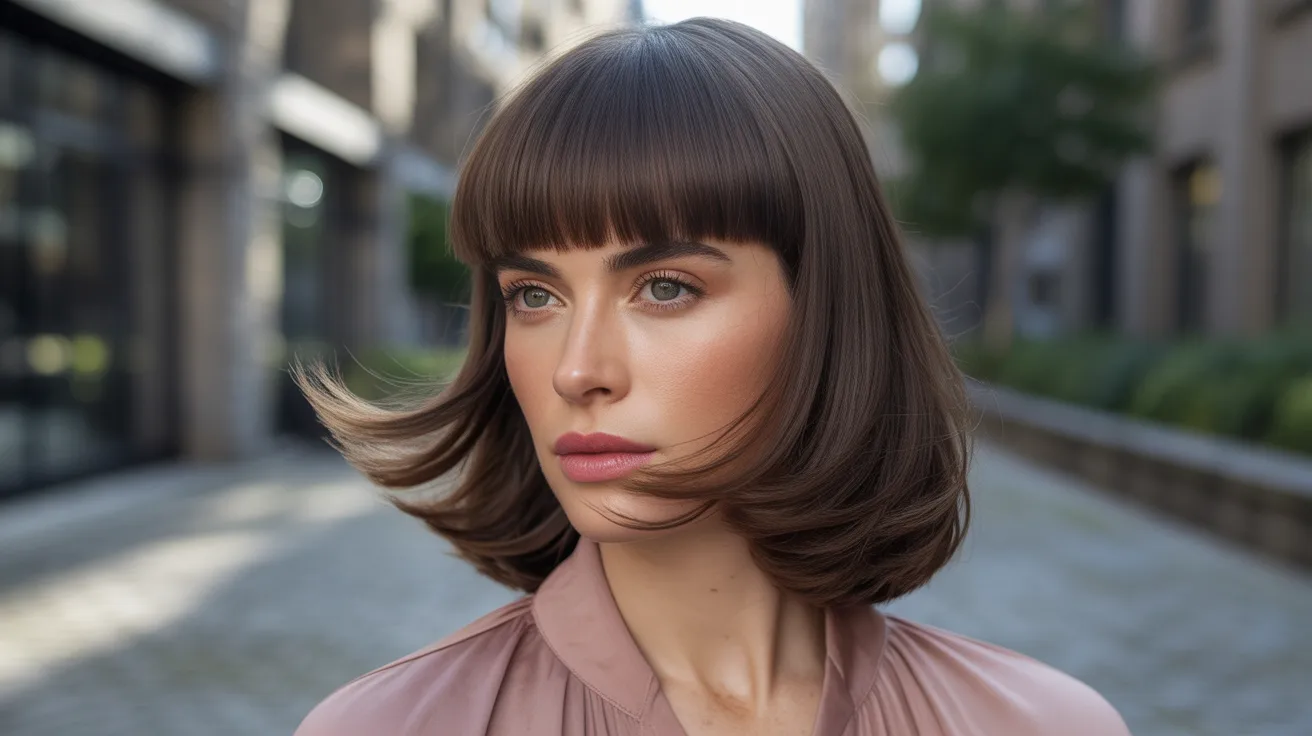
Adding a blunt fringe to this cut creates a stronger visual contrast at the front. The straight, clean edge of the fringe against the softer layered body of the style produces a look that feels intentional and modern. It was observed on a normal setup that this combination works best when the fringe is kept at eyebrow level or just above it, since longer fringe can blend too much into the layers and reduce the impact of the contrast. A precise cut at the front makes all the difference here.
This version suits those with oval or heart-shaped faces particularly well. The horizontal line of the fringe balances wider foreheads, and the longer back adds length without drawing the eye downward too sharply. During regular use it was noted that blunt fringes require trimming more frequently than other fringe styles, roughly every three to four weeks. Despite that maintenance point, the overall look is clean and holds its shape well between salon visits when kept properly.
5. Layered Soft Mullet with Volume
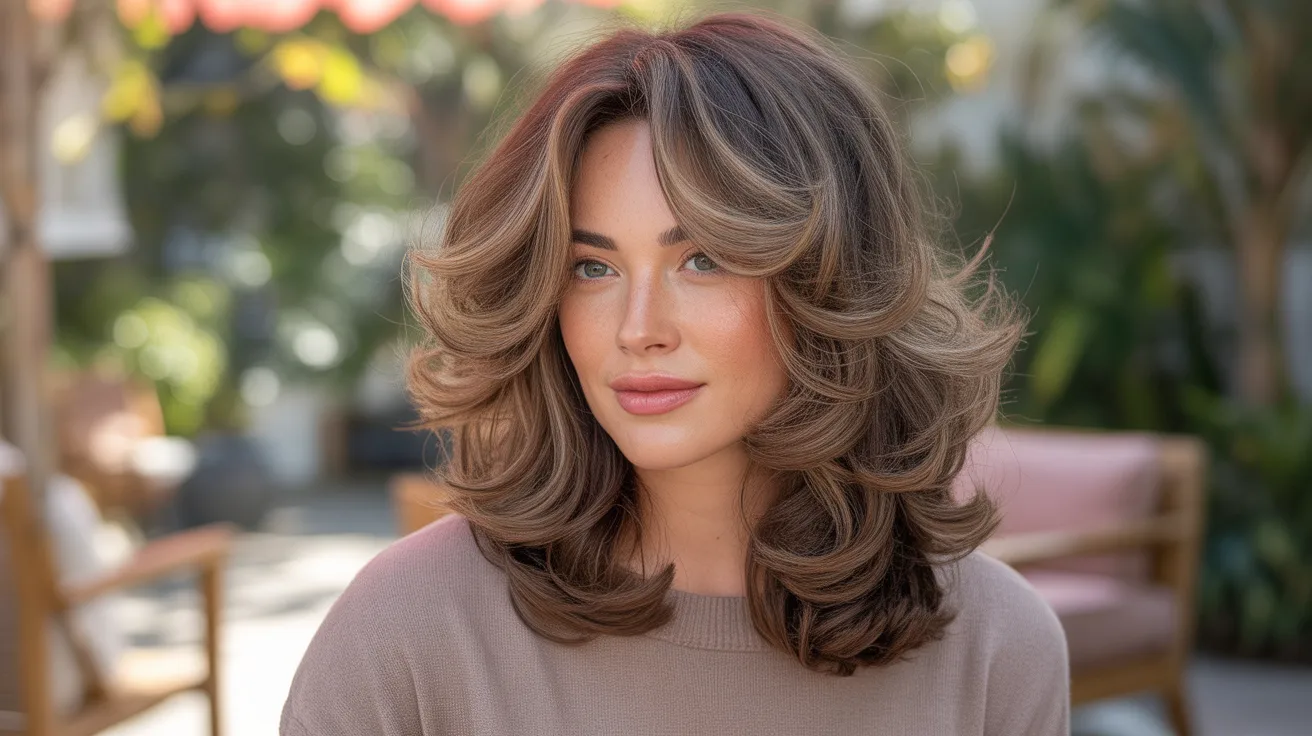
Layering throughout the top and mid-sections of this cut creates a look with more movement and lift. The layers allow air to move through the hair, which naturally adds volume without requiring heat tools every day. After trying this on medium-length hair, it was found that the added body at the crown makes the overall silhouette feel fuller and more dynamic. The soft mullet becomes more expressive with this approach rather than sitting flat against the head.
This works especially well for those with fine or thin hair who want more visual presence. The layers are cut to fall at varying lengths rather than all meeting at the same point, which creates a cascading effect when the hair moves. During regular use it was noticed that a lightweight volumizing spray applied at the roots before blow drying enhances the effect without weighing the hair down. The result holds throughout the day without feeling stiff or overdone at any point.
6. Wispy Ends on a Soft Mullet
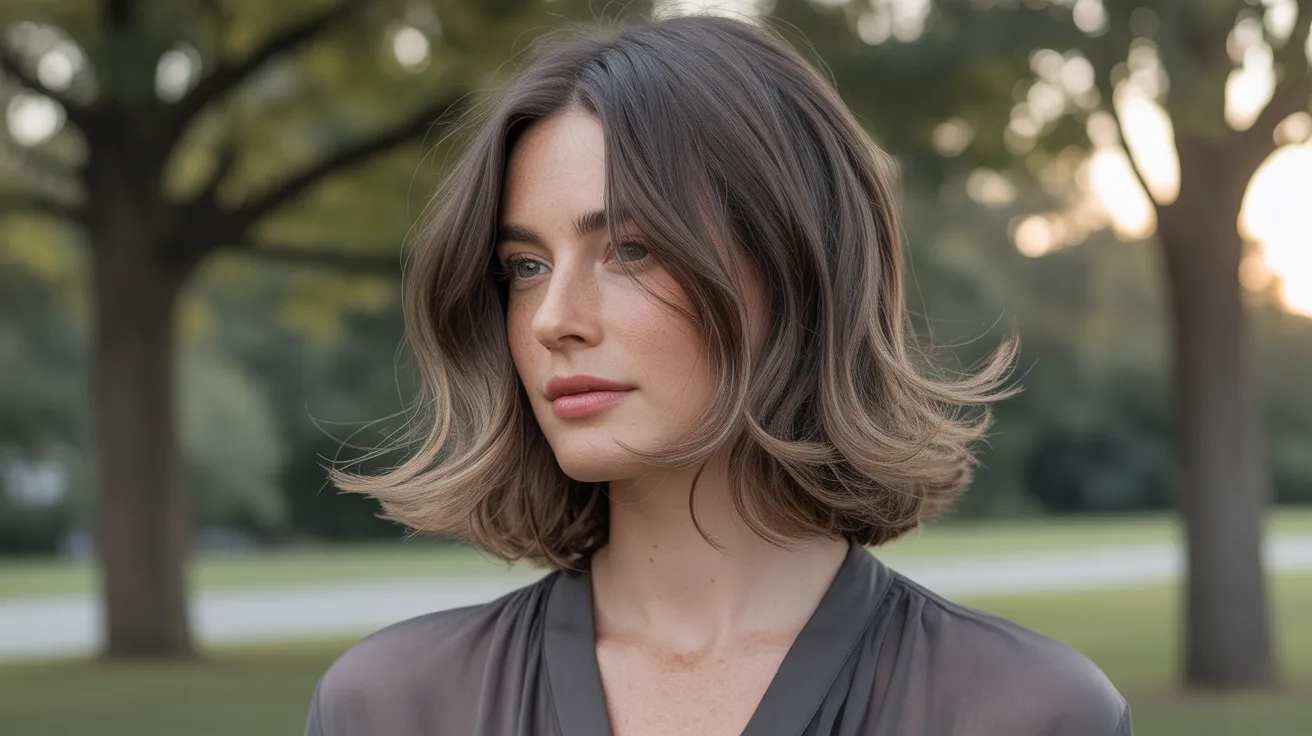
Point cutting or razoring the ends produces a wispy, feathered finish that feels deliberately undone in a stylish way. This approach softens the overall outline of the cut and makes transitions between sections almost invisible. It was observed during regular use that wispy ends tend to move more freely, which gives the style a natural, low-effort look even when nothing has been applied to the hair. The effect is particularly noticeable from the back, where the longer section gains an airy, floating quality.
This style with wispy ends tends to suit those who prefer a relaxed, casual aesthetic over something more structured. It pairs well with both straight and slightly wavy hair. On straight hair, the wispy ends prevent the style from looking too rigid or blunt. After trying this finish during regular wear, it was found that occasional use of a lightweight serum helps keep the ends from looking too dry or frayed while maintaining the intentional texture that makes this variation appealing.
7. The Shaggy Soft Mullet Look
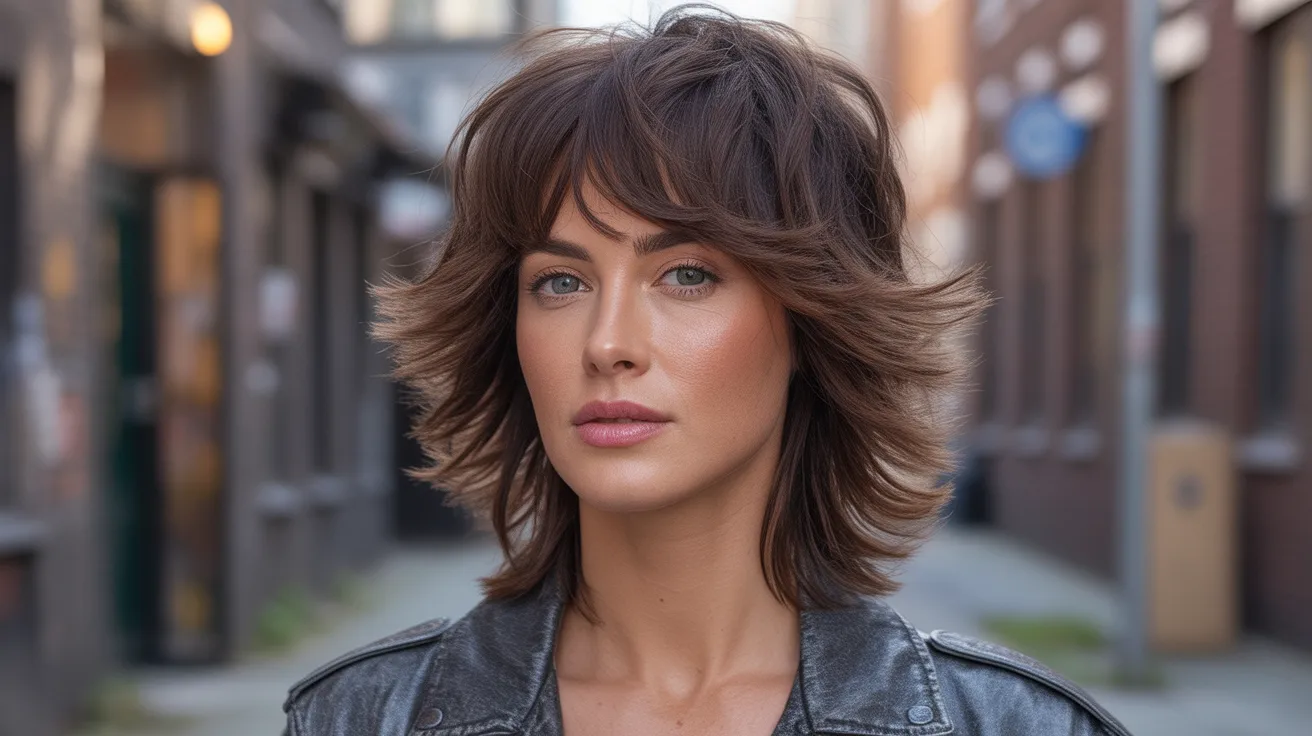
The shaggy version takes inspiration from 70s rock style and brings it into a modern context. Heavy layering throughout the entire cut creates a full, textured silhouette that looks effortlessly cool without appearing messy. After seeing this on a normal setup, it was noticed that the shaggy soft mullet actually requires very little daily styling. The layers fall into each other in a way that looks intentional, and most of the work is done by the cut itself rather than the styling routine.
This style suits those with medium to thick hair who have been looking for a way to work with their volume rather than fighting it. The layering removes excess bulk while keeping the overall shape full and present. During regular use it was observed that a small amount of styling paste worked through dry hair helps define the layers and prevents the style from looking too unruly. The shaggy quality is part of the appeal here, and the key is keeping that balance between structured and relaxed.
8. Textured Top with Soft Mullet Neckline
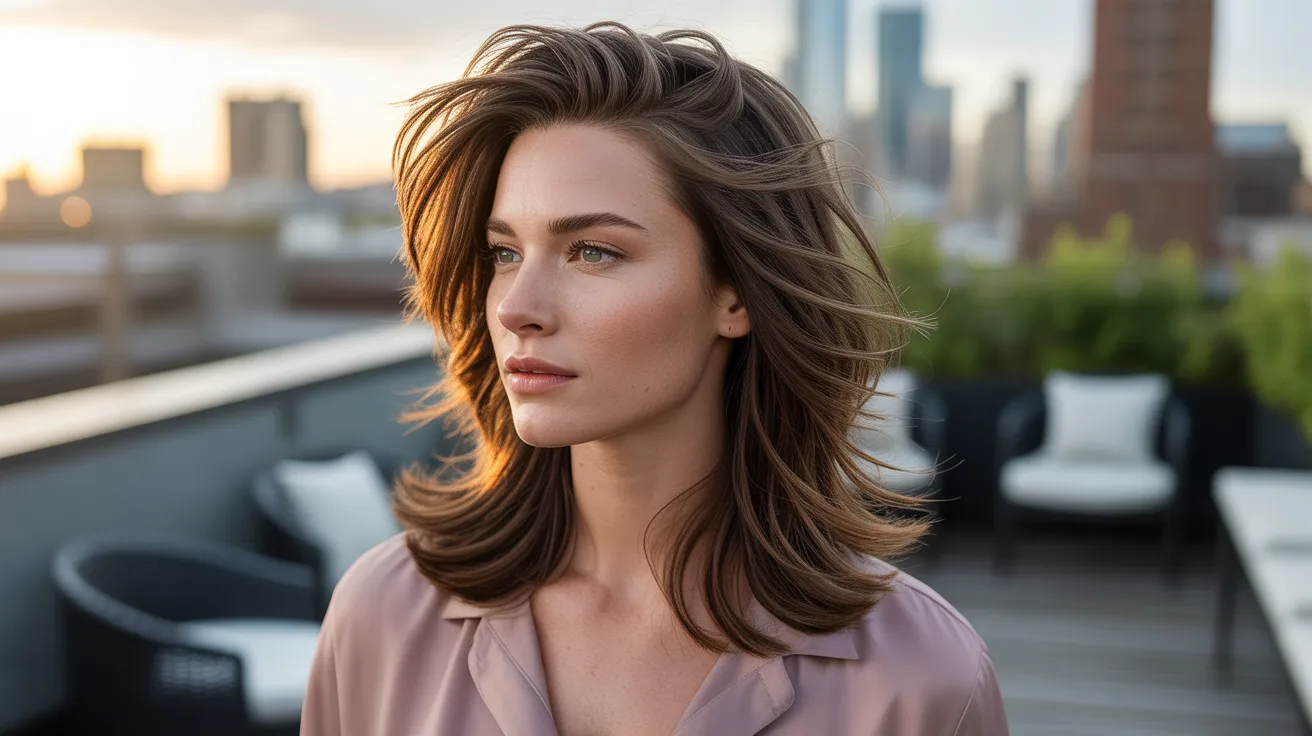
Focusing texture primarily on the top while keeping the neckline clean creates an interesting contrast. The top layers are cut shorter and point-cut to create movement and grip, while the back is left longer and smoother. This combination was tested on a normal setup and it was found that the contrast between the textured top and the cleaner neckline gives the style a more polished quality than fully textured versions. It feels considered and put-together even on casual days.
The soft mullet works well here because the neckline remains the defining element at the back while the top does the expressive work. This version is a good choice for those who want something interesting without going too far from a conventional-looking cut. During regular use it was noticed that product use is most effective when concentrated at the top section only, allowing the back to stay smooth and unaffected. A small amount of matte clay or paste at the roots of the top section is usually all that is needed.
9. Color-Treated Soft Mullet Options
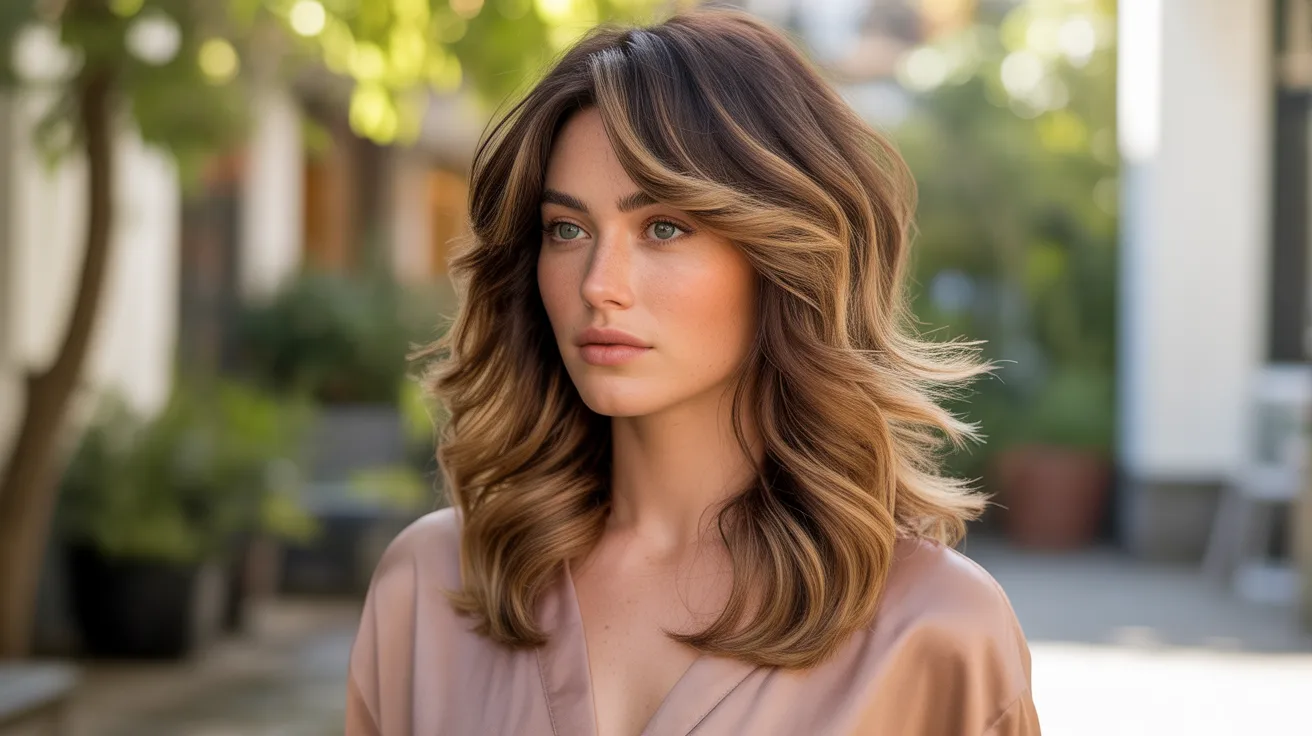
Color adds another layer of dimension to this style. Balayage or lived-in highlights placed through the longer back section draw the eye toward the shape of the cut and make the movement of the hair more visible. After trying color combined with this cut, it was found that lighter pieces toward the ends of the longer section create a natural-looking gradient that enhances the overall shape. The soft mullet benefits from color in a way that shorter cuts often cannot simply because there is enough length to show the variation properly.
Tonal color choices work well here too. A single-process color that is one or two shades lighter than the natural base adds warmth without dramatic contrast. During regular use it was observed that color-treated versions of this cut require slightly more moisture-focused products to keep the ends looking healthy. A weekly deep conditioning treatment goes a long way toward maintaining the integrity of color-treated strands. The visual payoff of adding color to this style is considerable and tends to make the cut look more intentional and custom.
10. Short Sides with a Soft Mullet Back
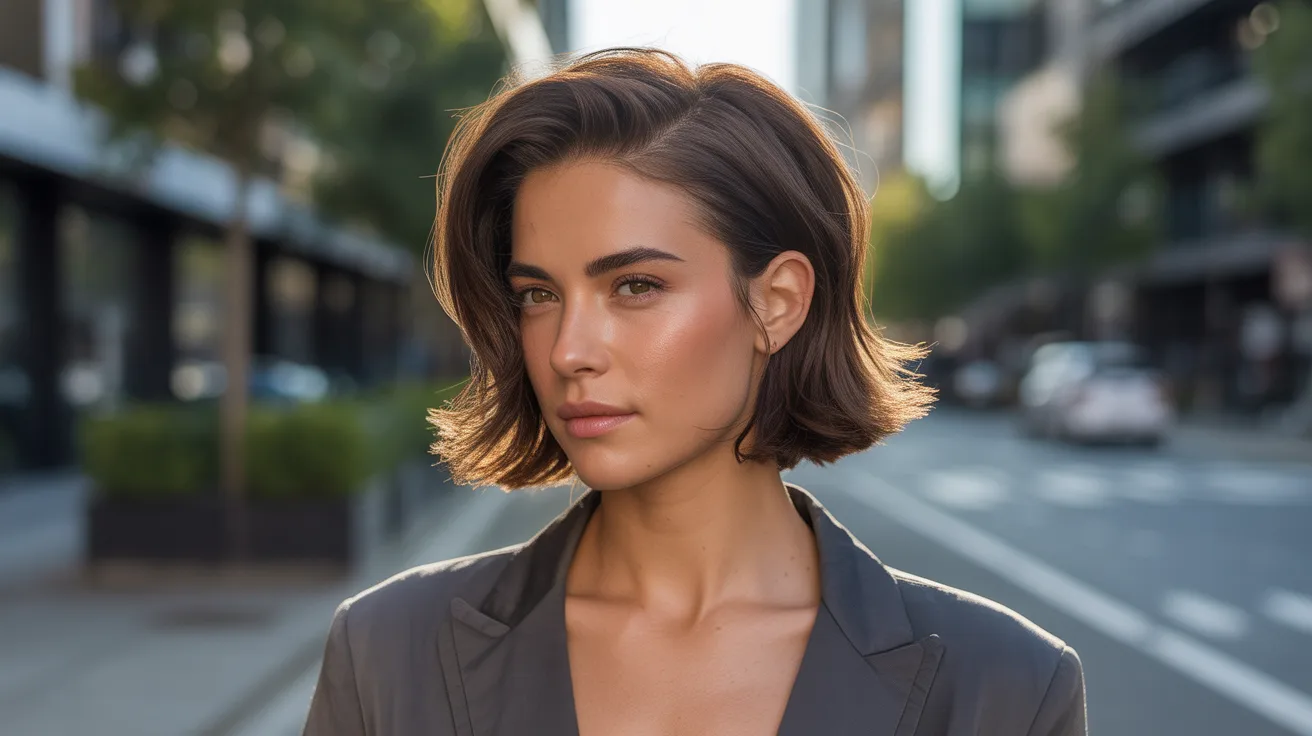
Keeping the sides noticeably shorter than the top and back creates a cleaner, more defined version of this style. The contrast is sharper here than in the classic version, giving the cut a more structured appearance overall. After trying this on a normal setup, it was noticed that short sides make the longer back section appear even more prominent, which can be a good thing for those who want the length at the back to be the main feature. The overall silhouette reads as intentional and modern.
The soft mullet with short sides requires slightly more frequent trips to the salon since the sides grow out noticeably faster than the rest of the style. This was observed during regular use, where the sides began to blend too much with the top after about six weeks. For those comfortable with regular maintenance, this version looks sharp and contemporary. It suits square and oval face shapes particularly well, and the shorter sides work to frame the face more clearly than versions with heavier side sections.
11. Bangs Variation on a Soft Mullet
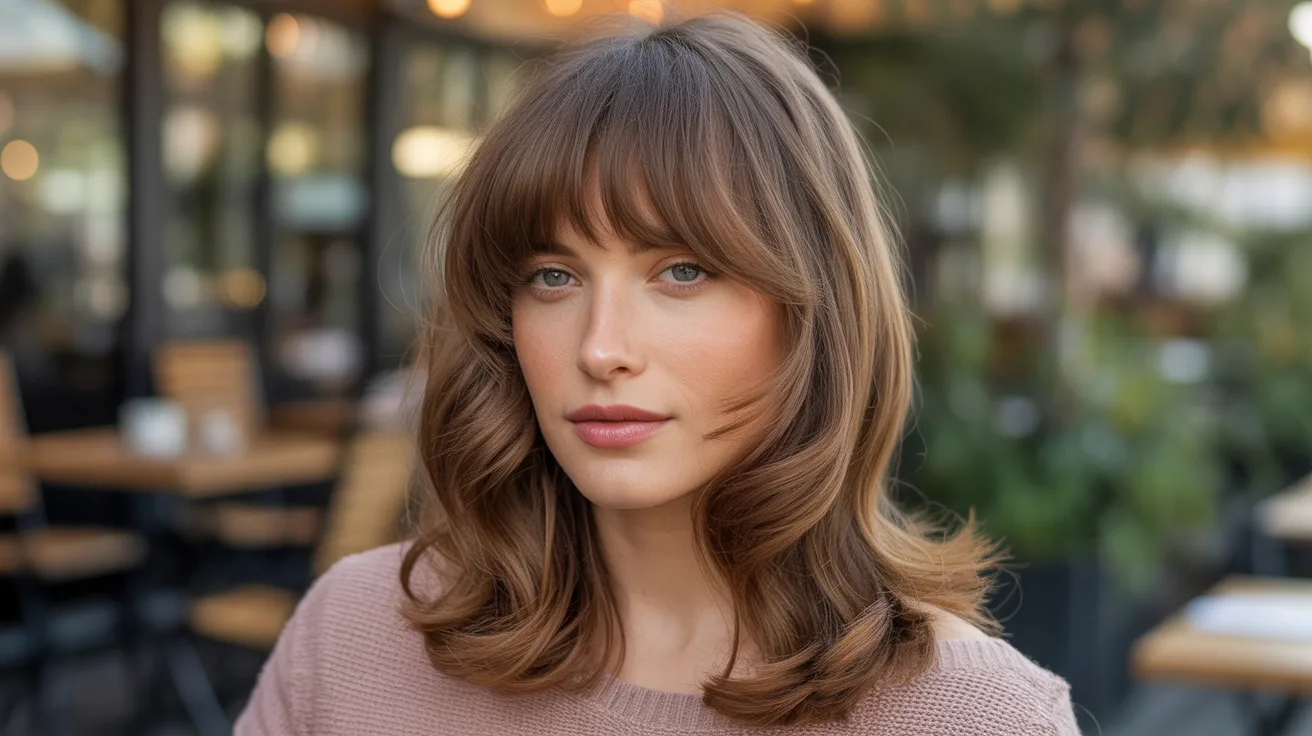
Curtain bangs are one of the most popular ways to approach the fringe element in this kind of cut. They part naturally down the middle or slightly off-center and frame the face with a soft, 70s-inspired quality. After trying this variation during regular wear, it was found that curtain bangs grow out more gracefully than blunt fringes, which reduces the pressure of frequent trimming. The middle part creates symmetry that works well with the asymmetrical quality of the longer back section.
Side-swept bangs are another option worth considering with the soft mullet. They direct the eye horizontally across the forehead before guiding attention toward the layered body of the style. During regular use it was noted that side-swept bangs work particularly well for those with higher foreheads, as the diagonal line of the fringe creates a natural balance. Either bang style adds a softening element to the face while keeping the overall cut looking current and well thought out.
12. Voluminous Crown on a Soft Mullet
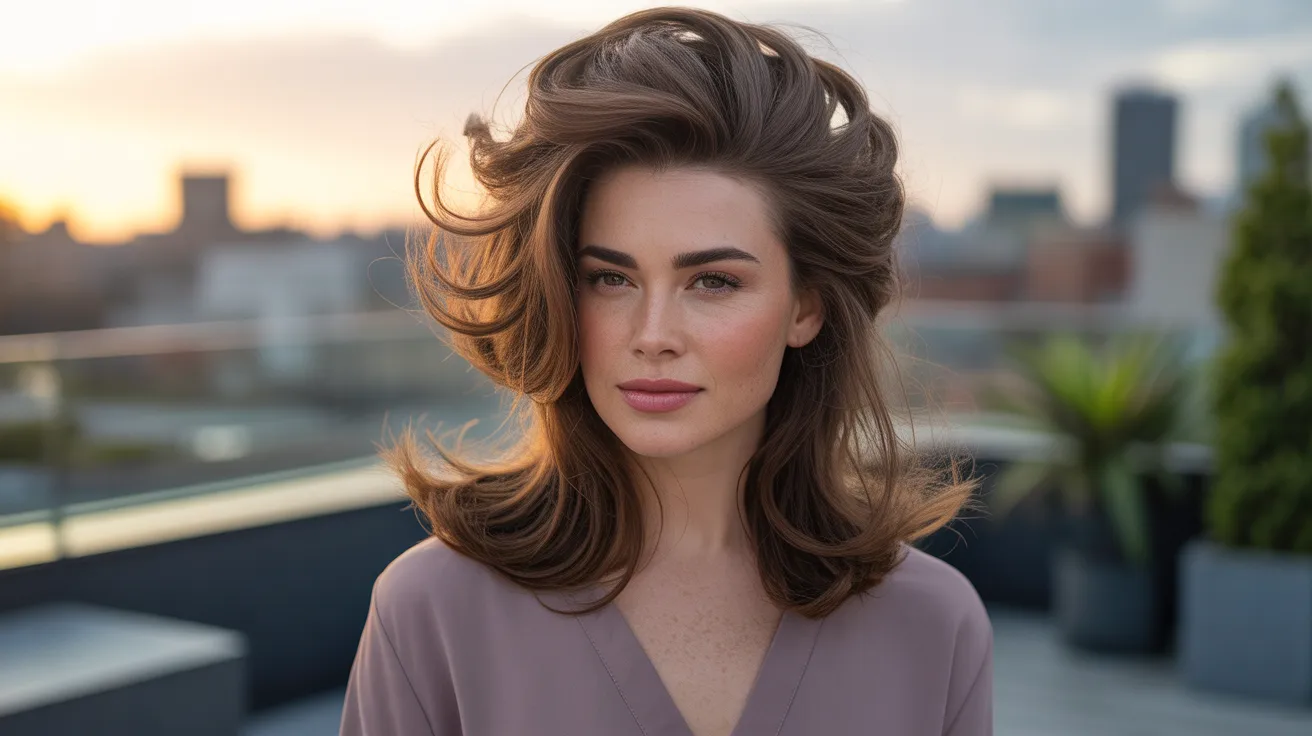
Prioritizing lift and fullness at the crown while keeping everything else relaxed produces a striking silhouette. The height at the top contrasts with the longer, flatter back section in a way that creates visual interest from multiple angles. After trying this approach on a normal setup, it was noticed that backcombing lightly at the roots before applying a light-hold spray achieves the volume without damaging the hair or making it feel stiff. The soft mullet becomes more dramatic with this treatment while remaining wearable.
This version suits those with naturally thick or medium hair who want the cut to make a statement. Fine hair can also achieve this look with the right volumizing products, though the hold may not last as long throughout the day. During regular use it was observed that sleeping with loosely braided hair and then releasing it in the morning can provide natural root lift without heat. The voluminous crown approach is particularly effective for events or occasions when a more elevated version of the everyday style is needed.
13. Feathered Layers on a Soft Mullet
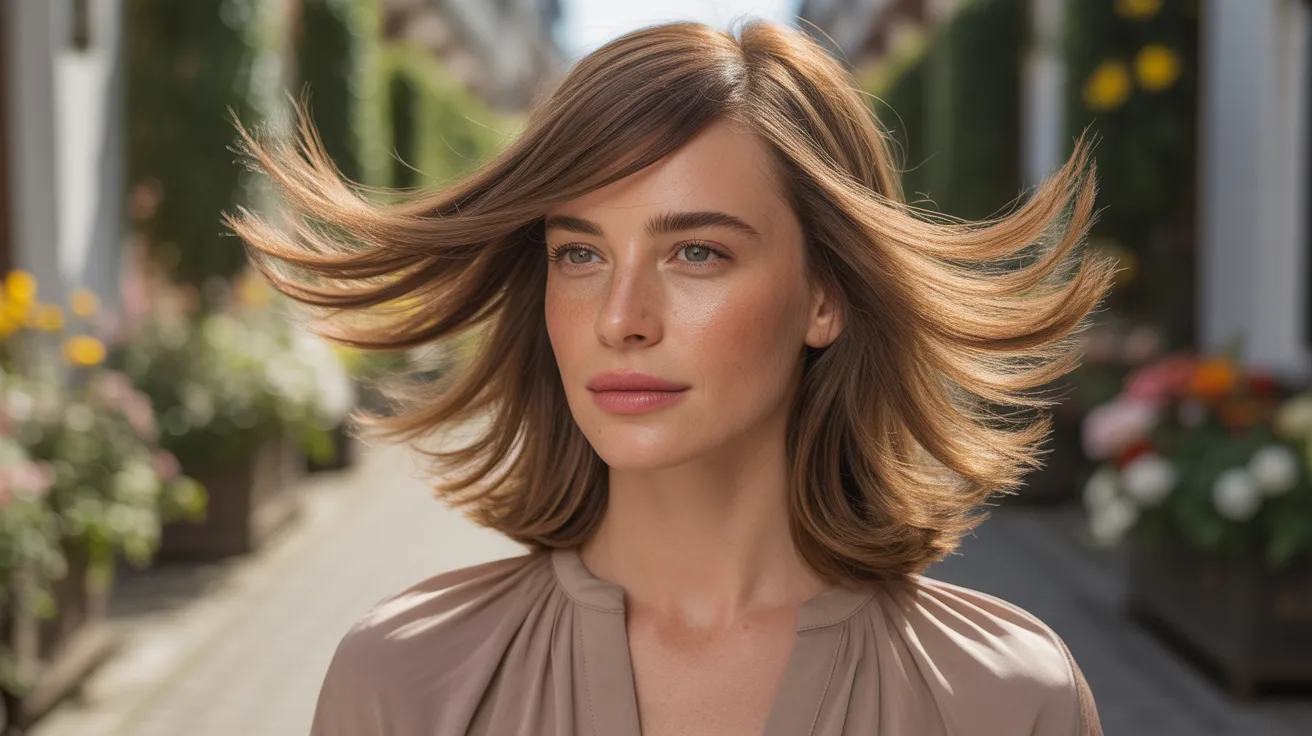
Feathering refers to a specific cutting technique where layers are blended outward from the face and toward the back of the head in a wing-like pattern. This technique was commonly used in the 1970s and has returned as a deliberate stylistic choice. After seeing feathered layers applied to this cut on a normal setup, it was noticed that the result looks both retro and genuinely modern at the same time. The technique adds width at the sides while keeping the back section airy and light.
The soft mullet responds well to feathering because the existing layered structure supports the outward movement of the layers. A round brush and a blow dryer are the main tools needed to maintain the feathered look at home. During regular use it was found that directing heat outward from the face while brushing locks the shape in for the day. This version works best on straight to slightly wavy hair, as tighter curl patterns tend to collapse the feathered shape over time.
14. Lived-In Soft Mullet for Effortless Days
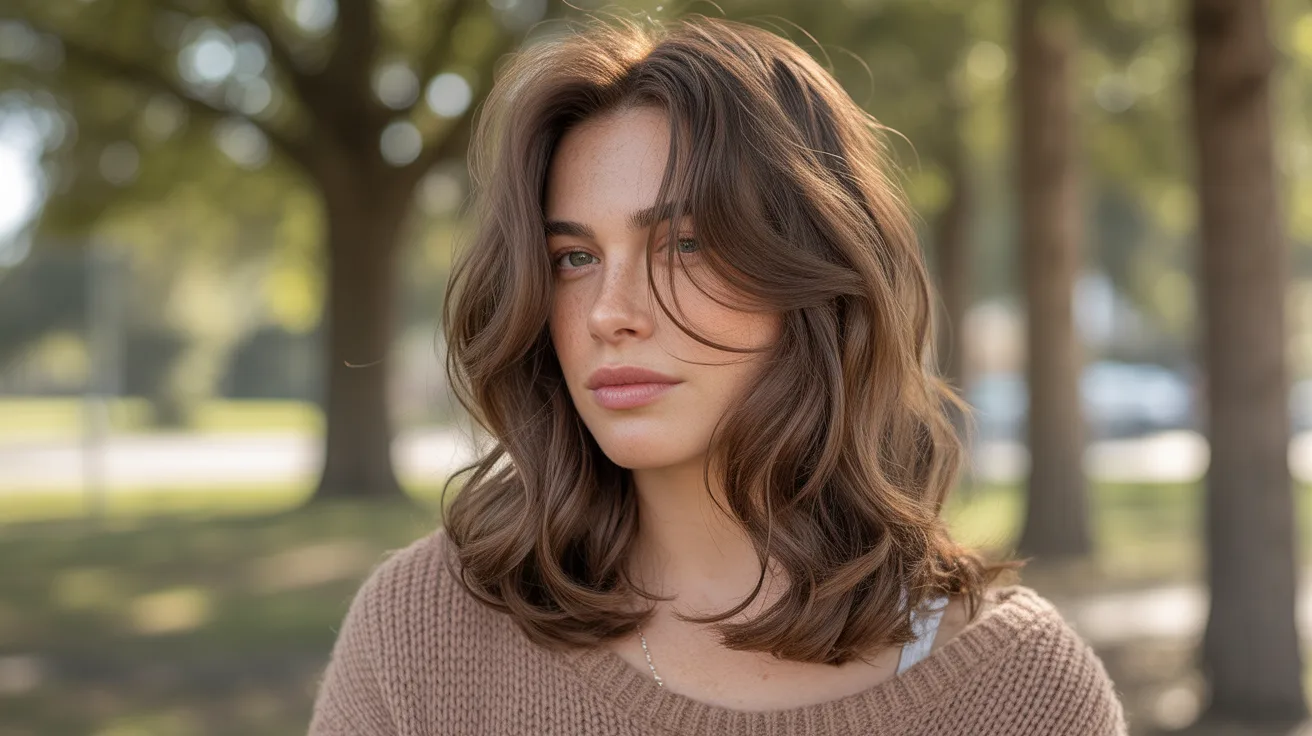
Some versions of this cut are specifically designed to look best when they appear slightly unstyled. The lived-in quality is achieved through a combination of layering, point cutting, and intentional texture throughout the entire shape. After trying this approach during regular wear over several weeks, it was found that the style actually improves with a day or two of natural oil buildup at the roots. The hair settles into its shape in a way that can look more natural and relaxed than a freshly styled version.
The lived-in soft mullet is ideal for those with a busy schedule who cannot commit to daily styling. It suits beach and outdoor environments well, as wind and movement tend to enhance rather than disrupt the look. During regular use it was observed that a small amount of texturizing spray or dry shampoo applied to the roots on day two or three refreshes the volume and separates the layers without making the style look overdone. This is one of the most practical versions covered here for real daily life.
15. The Polished Soft Mullet for Events
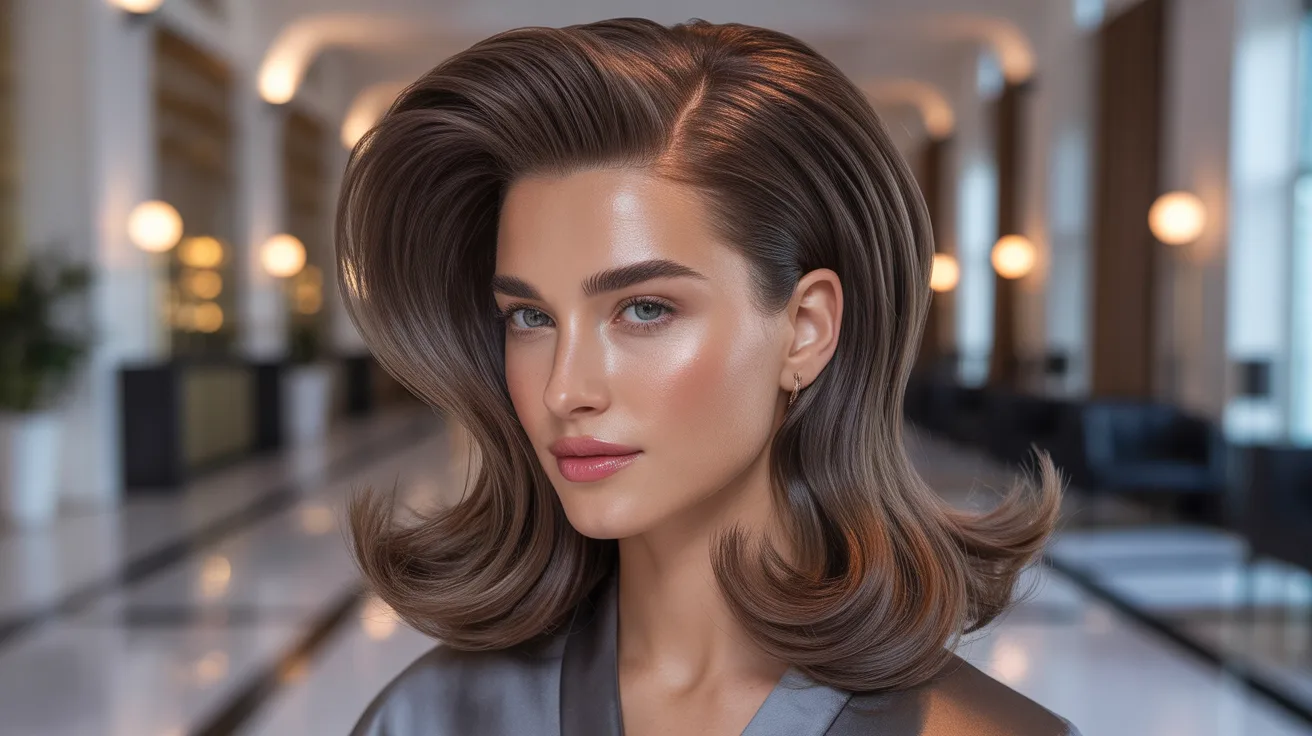
A more refined version of this cut can be achieved by smoothing the top and sides with a brush while keeping the back section slightly more relaxed. The contrast between the sleek upper section and the textured back creates a look that works for more formal occasions without abandoning the character of the style. After trying this approach on a normal setup before a social event, it was noticed that a medium-hold heat protectant serum applied before blow drying produces the smooth finish needed while keeping the hair healthy and hydrated.
This version requires a bit more preparation time than the everyday variations, but the result is noticeably elevated. The polished quality at the front and crown draws attention to the face, while the longer back section adds dimension from behind. During regular use it was noted that using a flat iron only on the top and side sections while leaving the back to air dry partially creates the right balance between smooth and textured. This approach works across most hair types with minor adjustments to product choice.
16. Short Bob-Adjacent Style for Beginners
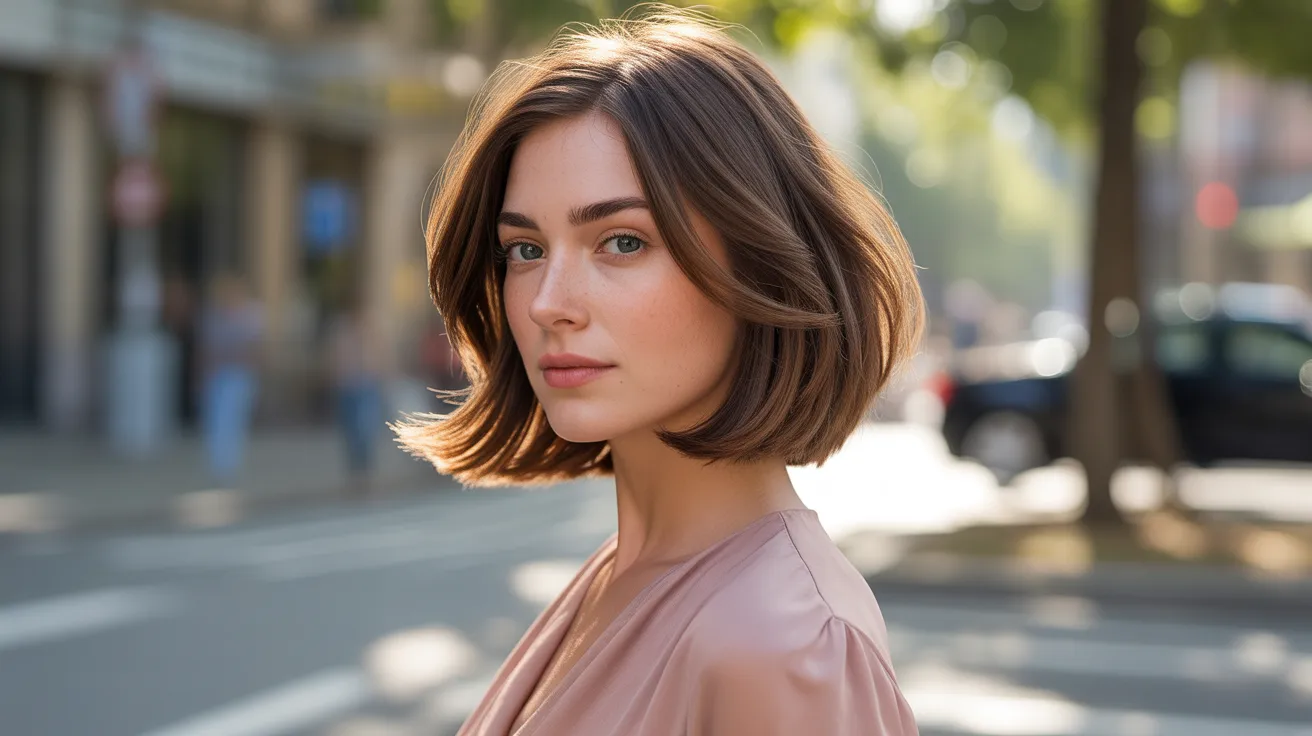
This variation sits at the intersection of a short bob and the mullet silhouette. The sides and front are cut to jaw length while the back extends just past the collar. It was noted on a normal setup that this soft mullet version is one of the more wearable options for those who want the back length without committing to something dramatically longer. This length feels fresh and contemporary without straying too far from conventional short haircut territory, making it an accessible entry point for first-timers.
The proportions here are more subtle than in longer versions, which makes the back extension feel like a natural part of the shape rather than a deliberate style choice. During regular use it was observed that this version grows out relatively gracefully, with the back length becoming gradually longer while the front and sides maintain their shape for a reasonable period. Those on the fence about committing to a full mullet silhouette often find this version to be the most approachable and least intimidating starting point.
17. Asymmetrical Cut for a Custom Look
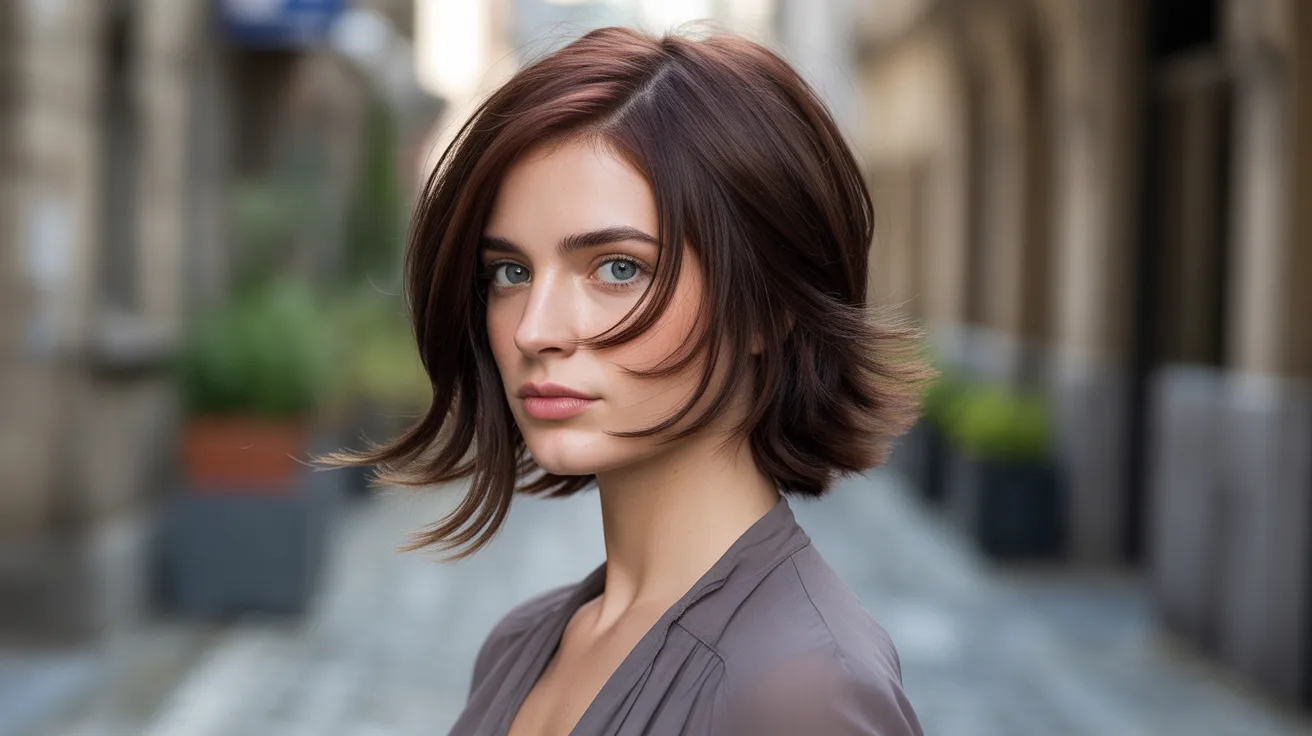
An asymmetrical approach introduces uneven lengths on either side of the front section, adding an element of visual tension to the cut. One side may be cut slightly shorter than the other, or the fringe may be angled rather than straight. After testing this soft mullet style during regular wear, it was noticed that the asymmetry draws attention in a subtle way that feels artistic without looking accidental. This variation suits those who want their cut to feel more custom and individual than standard versions.
The key to making asymmetry work is keeping the rest of the cut relatively straightforward so that the uneven element does not compete with too many other features at once. During regular use it was found that asymmetrical versions require slightly more precision at the salon to maintain properly, since the difference between sides becomes more apparent as the hair grows out. Communicating clearly with the stylist about the angle and degree of asymmetry preferred helps ensure the result matches expectations from the start.
18. Undercut Beneath a Textured Top Section
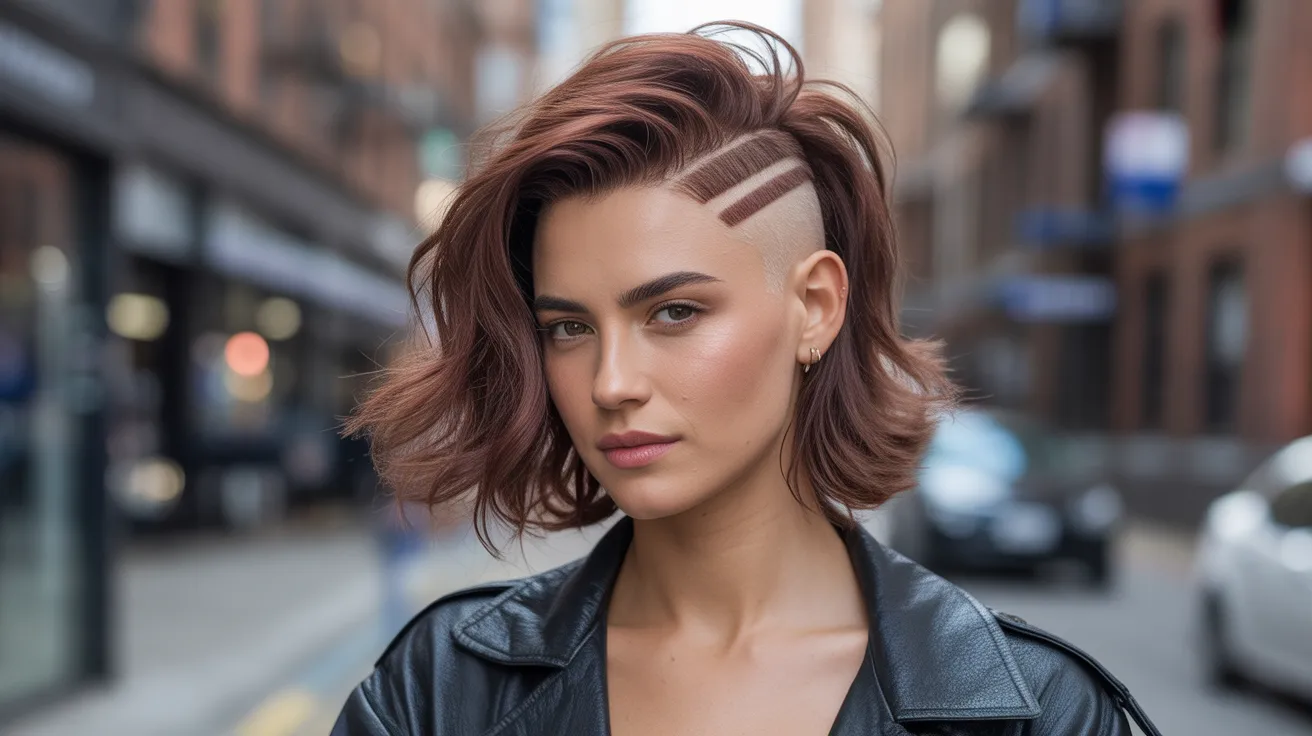
An undercut beneath the top section adds a hidden element of contrast that becomes visible when the top layer is lifted or pulled back. The undercut removes weight from underneath while keeping the top looking full and voluminous. After noticing this soft mullet combination on a normal setup, it was found that the style sits and behaves differently when the underneath is removed, as there is less bulk weighing the outer layers down. The shape becomes lighter and moves more freely throughout the day.
This version is popular among those who want a more fashion-forward approach to the style. The undercut also provides practical benefits in warmer climates, as the reduced weight and bulk makes the style more comfortable to wear through the day. During regular use it was observed that the undercut section grows back in fairly quickly, roughly every four to six weeks, which adds to the maintenance schedule. For those who enjoy frequent salon visits, this version consistently looks fresh and well-maintained between appointments.
19. Retro-Inspired Variation with Modern Layers
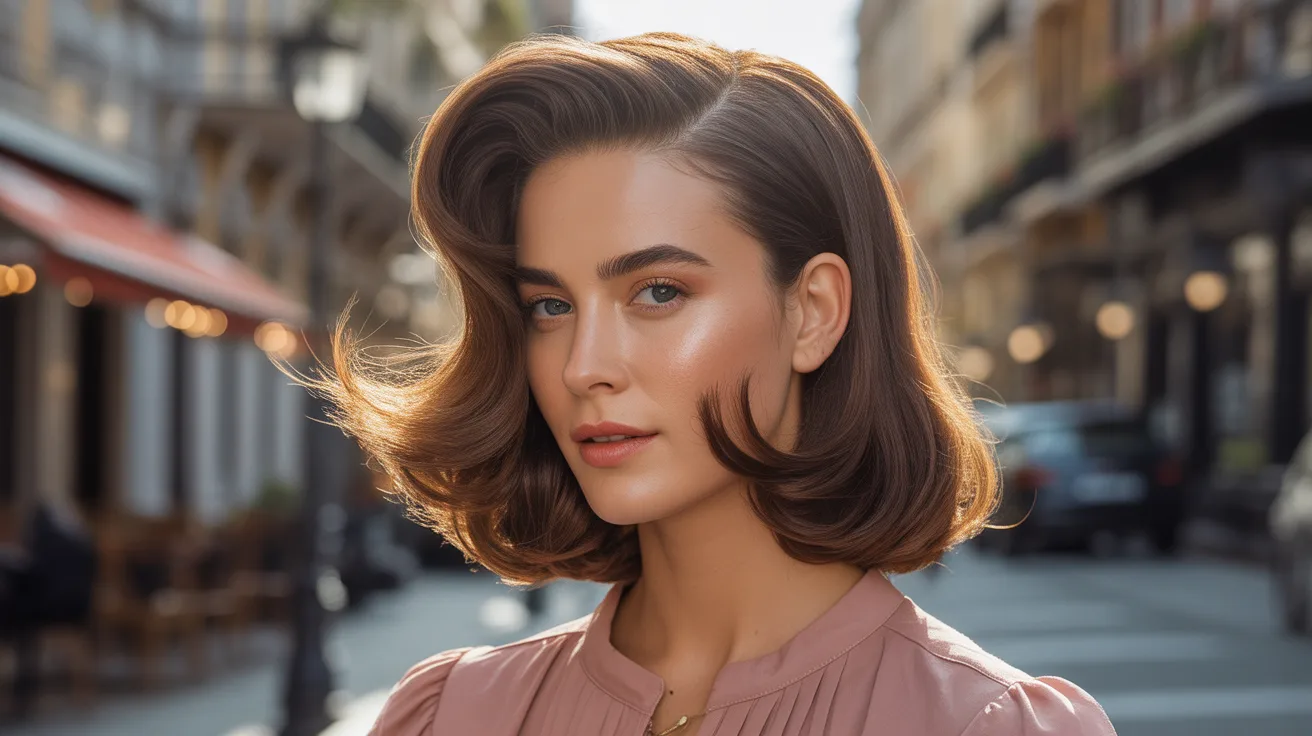
Drawing from 1970s and 80s hairstyle references, this version leans into the vintage quality of the mullet silhouette while keeping the overall finish modern. Deep side parts, defined layers, and slightly flipped ends at the back characterize this approach. A soft mullet styled this way was observed during regular wear to look unexpectedly sophisticated, partly because the retro references are familiar and partly because the modern layering technique prevents it from looking like a direct costume imitation. The balance between old and new is part of what makes it interesting.
This version pairs well with period-inspired clothing and accessories, but it also works as a contrast to more contemporary outfits. During regular use it was noted that a round brush blow dry directed away from the face at the sides and slightly upward at the back achieves the retro flip without requiring hot rollers or vintage styling tools. A light-hold spray keeps the shape in place without making the style look stiff. This is one of the more expressive options covered here, and it rewards those willing to commit to the aesthetic.
20. Gender-Neutral Styling for Any Presentation
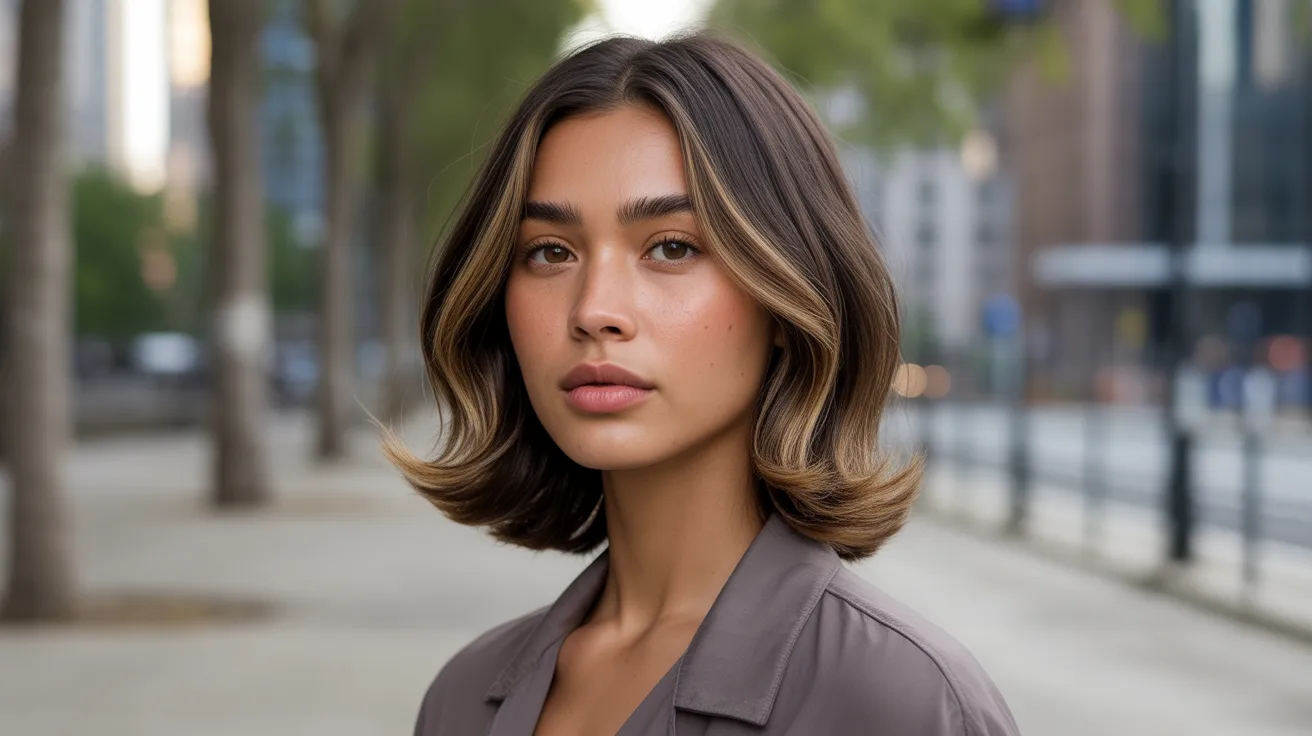
This cut has become widely adopted across gender categories, and many of the most popular versions are intentionally designed to look equally at home on anyone regardless of how they present. The gender-neutral approach typically relies on clean lines, balanced proportions, and a restrained use of styling products. After observing a soft mullet worn in a gender-neutral context during regular wear, it was noted that the versatility of the cut is one of its strongest qualities. The same basic shape can read very differently depending on styling choices.
The fringe and side proportions play a large role in how the overall style registers visually. A more centered part with even side sections tends to produce a more balanced look that sits comfortably within a range of presentations. During regular use it was observed that minimal product use is often the right choice for gender-neutral versions, allowing the shape of the cut itself to carry the look rather than relying on styling to define a particular aesthetic direction. This version is among the most broadly wearable options in this list.
21. Long-Back Dramatic Style for a Bold Look
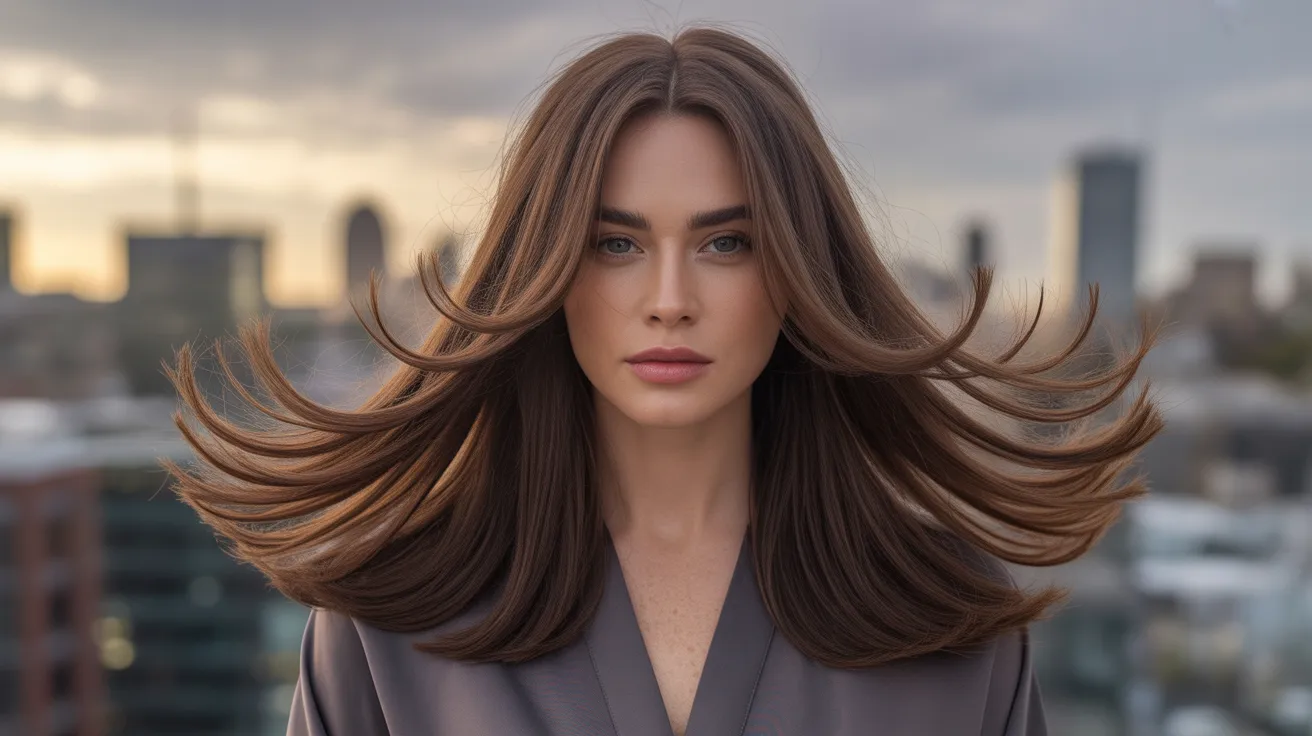
Taking the back section noticeably longer than in standard versions creates a more dramatic silhouette that makes a clear statement. The back may extend to the shoulder blades while the front and sides are kept at chin length or above. After seeing this on a normal setup, it was noticed that a soft mullet with this proportion looks striking from behind and creates a very recognizable shape. The drama is in the contrast between the shorter front and the substantially longer back section.
This version requires more commitment than shorter variations, as growing the back out takes time and the difference in length becomes very visible during the transition. During regular use it was found that keeping the ends trimmed every six to eight weeks maintains the health and clean appearance of the longer back section. Split ends at this length are more noticeable and can make the overall cut look unkempt if left untreated. For those willing to invest in the maintenance, this dramatic version delivers one of the most visually impactful looks in this entire collection.
Conclusion :
These 21 variations show how much range a single haircut can offer when approached thoughtfully. From short and subtle to long and dramatic, the options covered here span different hair types, lifestyles, and personal aesthetics in a way that makes it easy to find something that genuinely fits. The soft mullet continues to be one of the most adaptable cuts available because it does not lock someone into one specific look. It shifts naturally with texture, color, fringe choices, and styling preferences.
Finding the right version often comes down to being honest about how much time is available for daily upkeep and what kind of overall impression feels most comfortable. Starting with a more conservative version and gradually adjusting from there tends to work well for those who are uncertain. Discussing the specific variations covered here with a trusted stylist makes it easier to communicate exactly what the goal is. The cut has earned its popularity through real-world wearability, and the right version of it is genuinely worth trying.