Short Shaggy Hair – 20 Cool Ideas Worth Trying in 2026
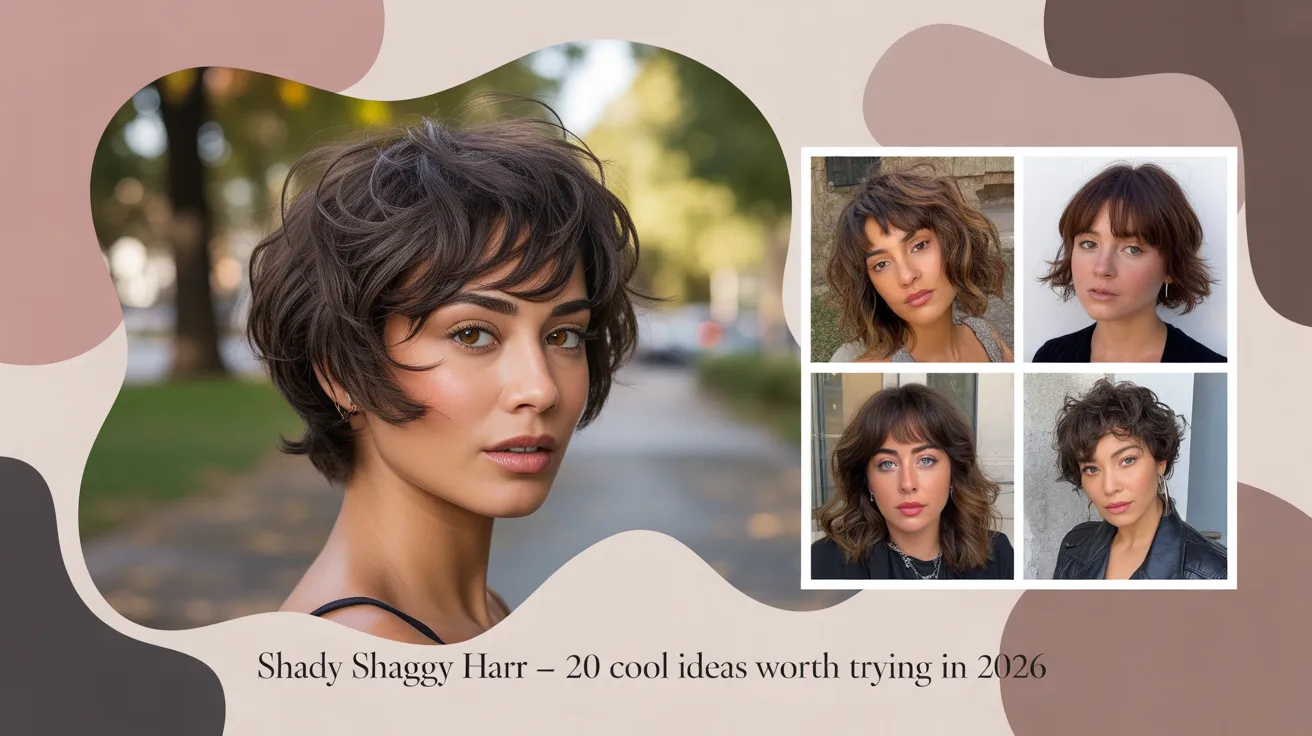
Short shaggy hair has been a go-to style for decades, and it continues to hold its place among the most popular cuts seen at salons worldwide. The texture, movement, and easy upkeep make it a style that is chosen by people across different ages and hair types. After trying several cuts over the years, it becomes clear why this one keeps coming back in style.
There is something genuinely appealing about a cut that does not demand a full styling routine every morning. Short shaggy hair sits in a comfortable middle ground — it looks put-together without needing much effort to maintain. Whether someone is heading to work or spending a relaxed weekend outdoors, this kind of cut adapts well to both settings.
1. The Classic Short Shaggy Hair Layered Cut
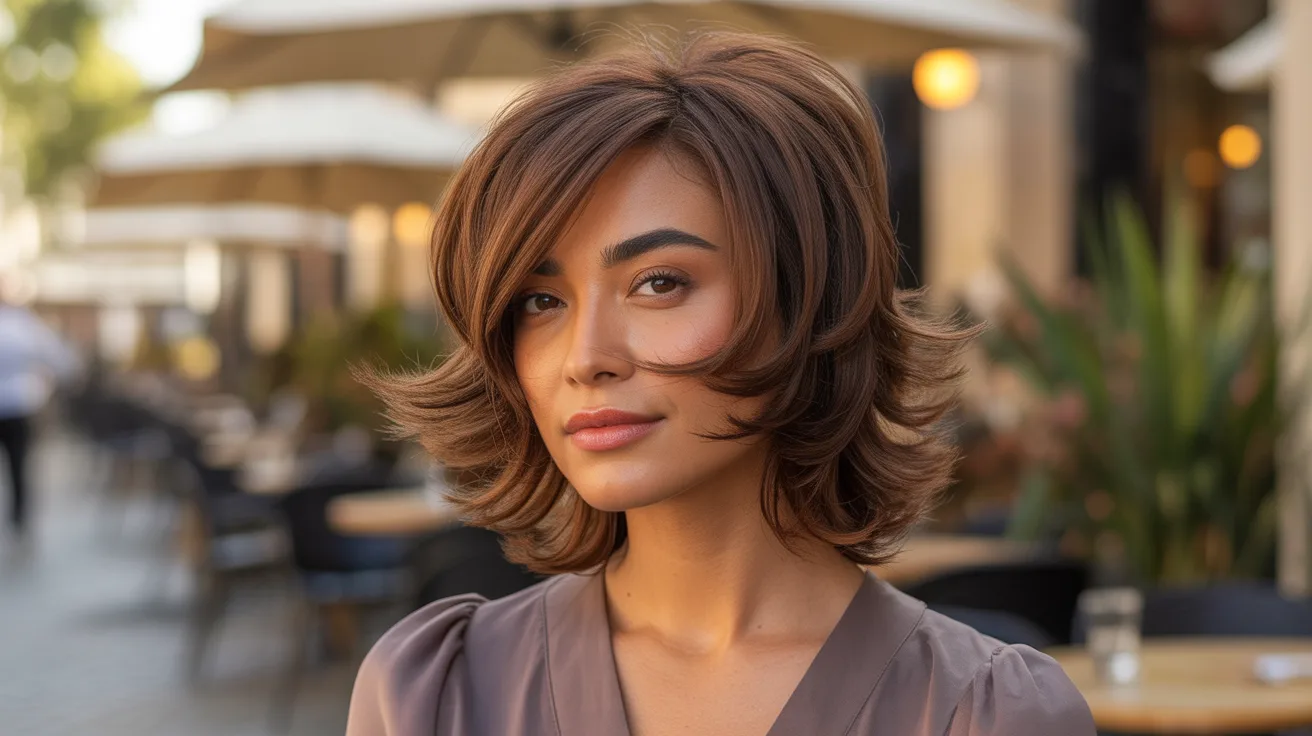
The layered version of this cut is one of the most widely requested styles at salons. Layers are added at different lengths throughout the hair, which creates movement and prevents the overall shape from looking too heavy or flat. During a regular trim session, a stylist will usually use point-cutting or a razor to build those layers in naturally.
This approach works particularly well on medium-density hair that tends to sit flat without some added structure. The layers give each section of hair its own direction, which means the finished style looks lively even without product. It is a reliable choice for those who want a cut that holds its shape through the week with minimal touchups.
2. The Shag with Soft Bangs
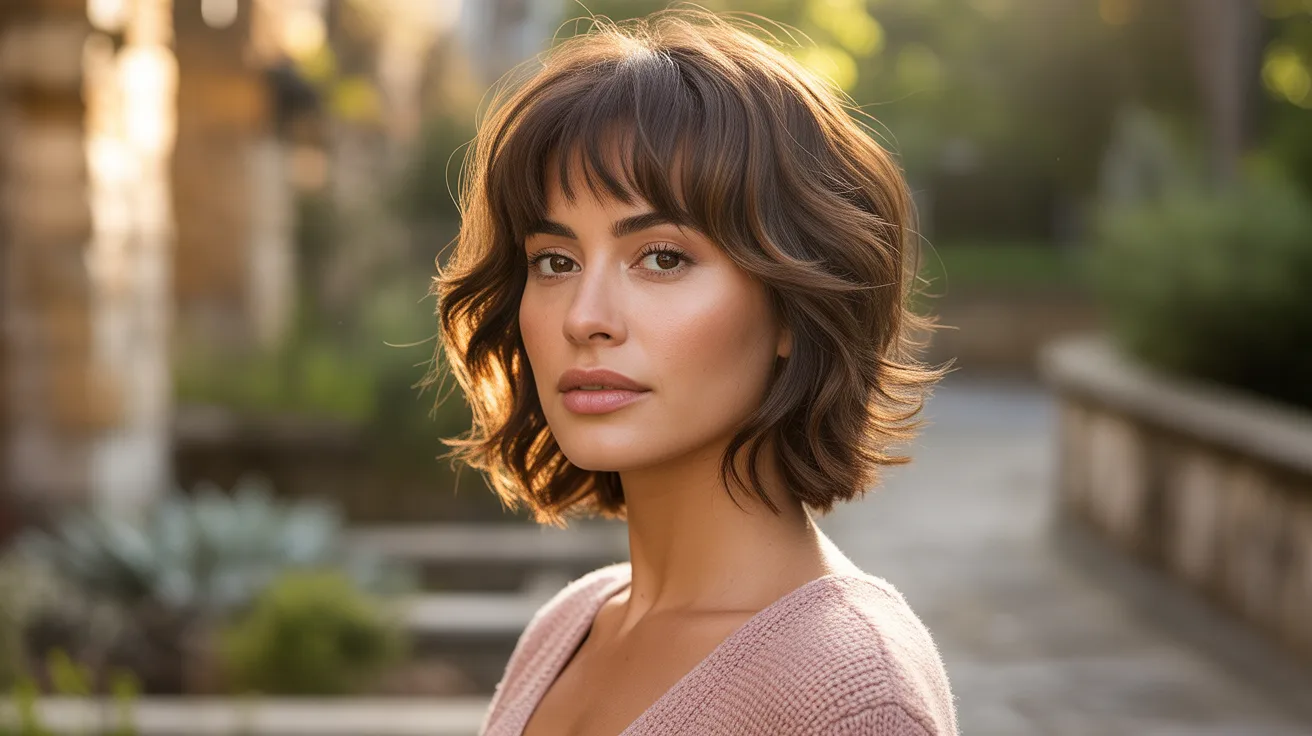
Bangs added to a shag cut bring the focus toward the face without making the look feel too styled or forced. Soft, wispy bangs are the most common choice here because they blend into the rest of the layers rather than standing apart as a defined line. On a normal setup, this tends to suit oval and heart-shaped faces particularly well.
The gentle movement of soft bangs paired with a layered body creates a style that feels complete and deliberate. Short shaggy hair with this kind of bang variation tends to work across both straight and slightly wavy textures. It is the type of cut where very little adjustment is needed between salon visits to keep the look fresh.
3. The Wavy Shag Cut
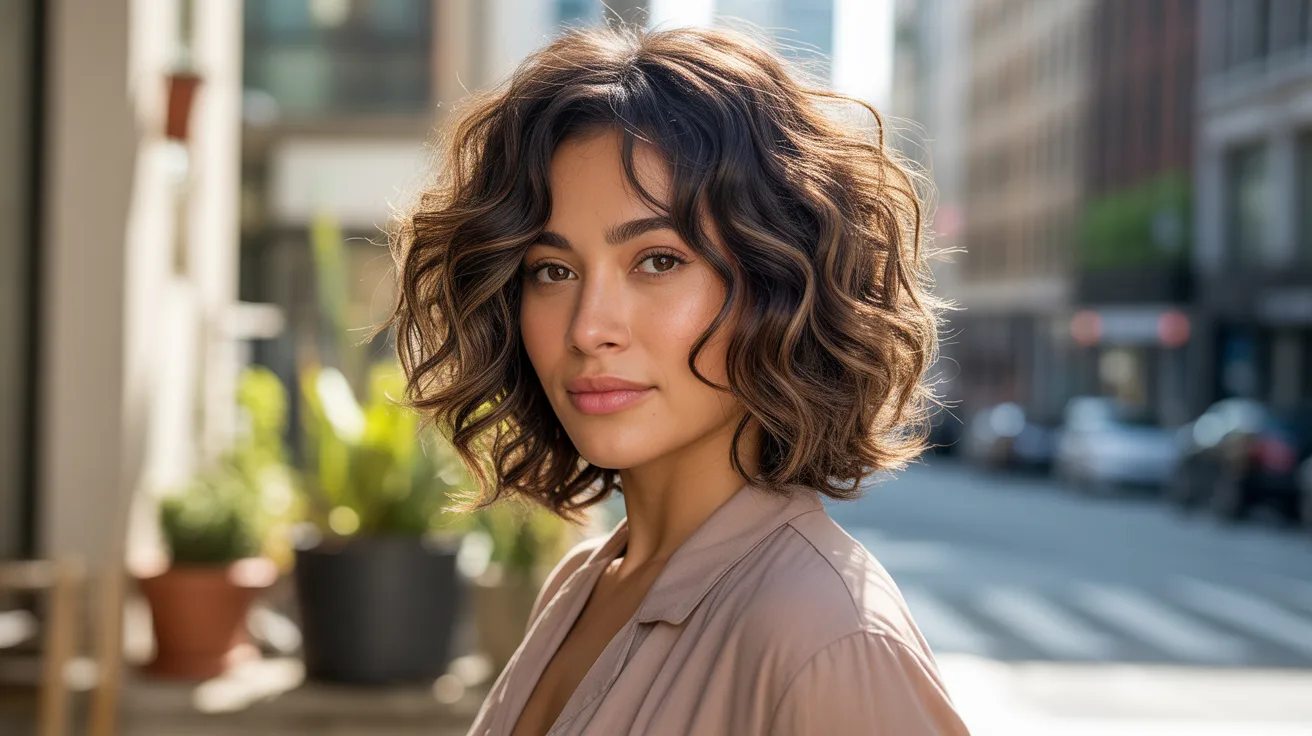
Wavy hair and a shag cut are a natural match. The natural bends in the hair add volume and shape between layers, which means the finished look has more dimension than a similar cut done on straight hair. After trying this on naturally wavy hair, the texture practically does the work on its own.
A diffuser or light styling cream is enough to enhance the wave pattern without overloading the hair. The movement between layers keeps the style from ever looking too stiff or overdone. This is a cut that tends to look better on the second or third day after washing, when the natural texture has had time to settle.
4. The Shag with Face Framing Layers
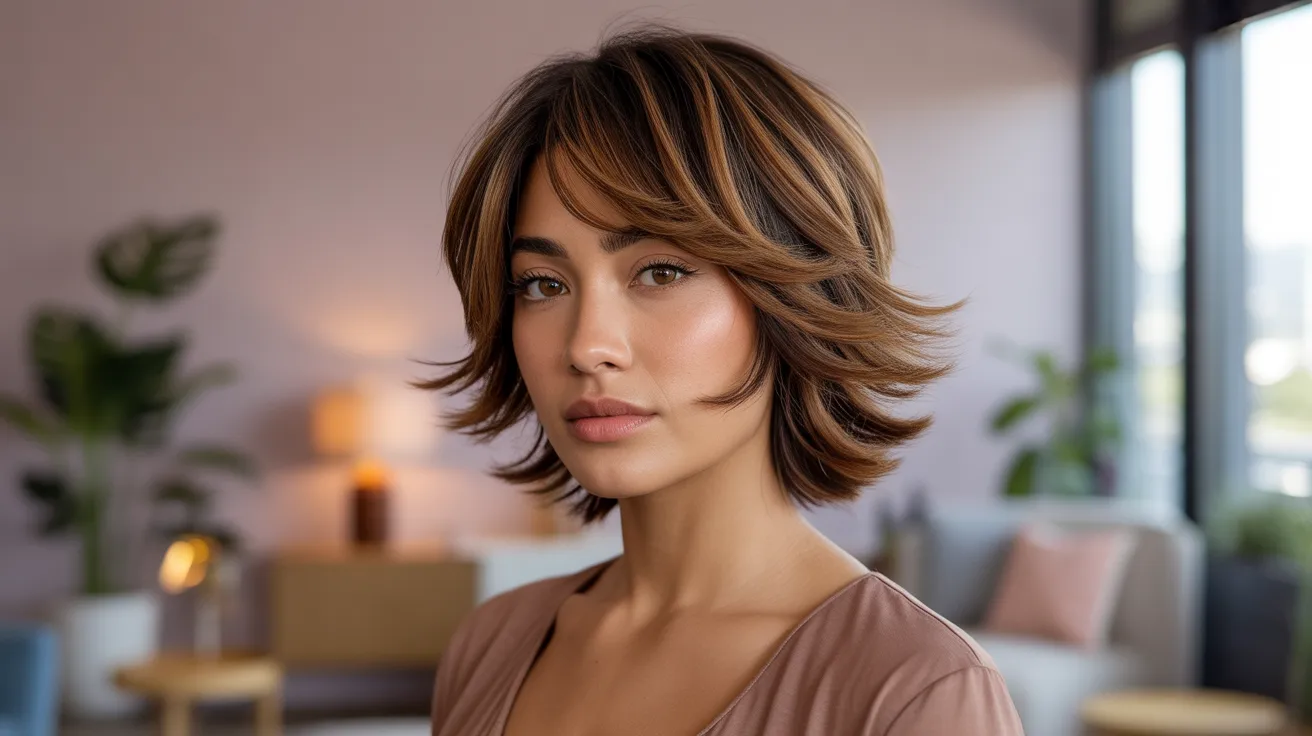
Face framing layers are placed around the front sections of the hair to draw attention to the cheekbones and jawline. These layers fall forward slightly and are usually cut at a different angle than the layers further back. Short shaggy hair styled this way tends to feel more structured than other versions of the cut.
The framing effect can be adjusted depending on how dramatic the contrast between the front and back layers is kept. A subtle version works well for everyday wear, while a more defined version suits those who prefer a stronger visual contrast. This style tends to hold well on both fine and medium hair densities.
5. The Curtain Bang Short Shaggy Hair Style
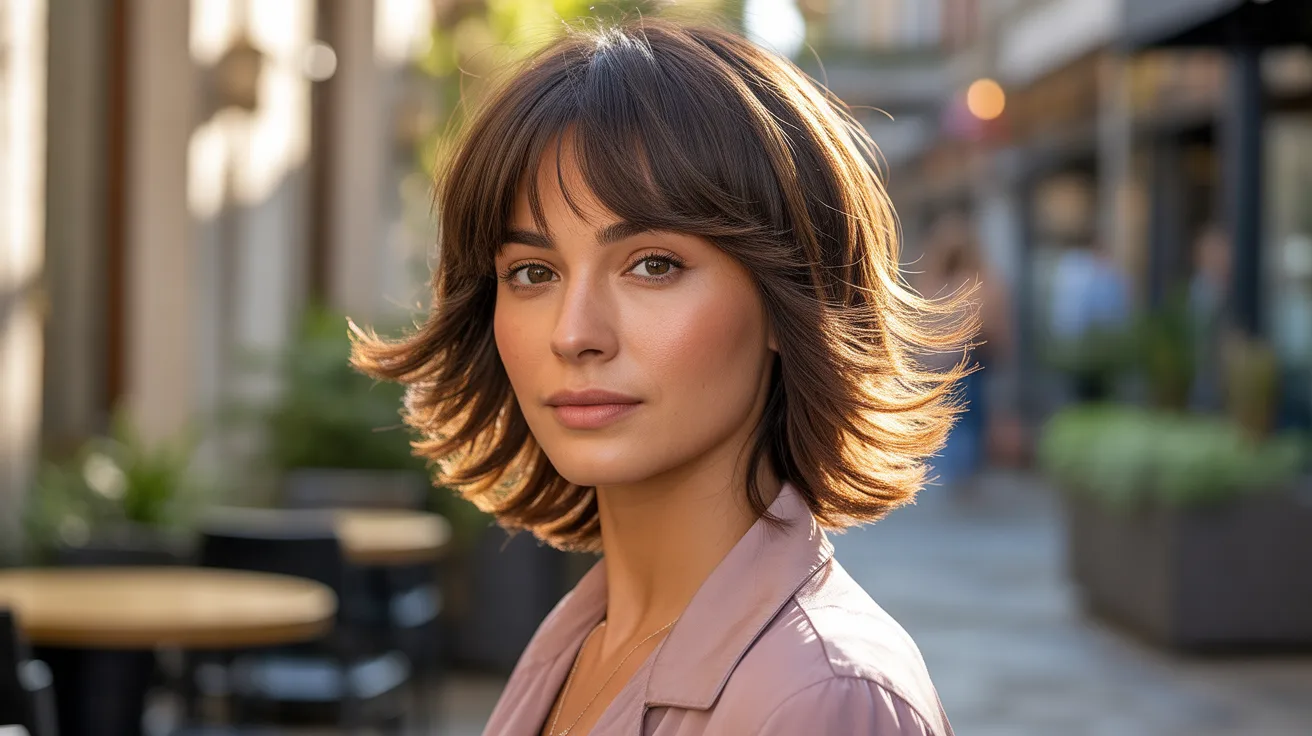
Curtain bangs split at the center and fall on both sides of the forehead, creating a soft, open frame around the face. When combined with a shag cut, the overall look becomes one of the more effortlessly stylish options currently seen in salons. The combination has been a particularly popular request over the last couple of years.
The curtain bang works well when the rest of the layers are kept at a medium length, allowing the bangs to blend in without looking disconnected from the style. Minimal styling is needed — a round brush or even finger-drying is usually enough to set the shape. It is a low-maintenance addition that adds a lot of visual interest to an otherwise simple cut.
6. The Pixie Shag Blend
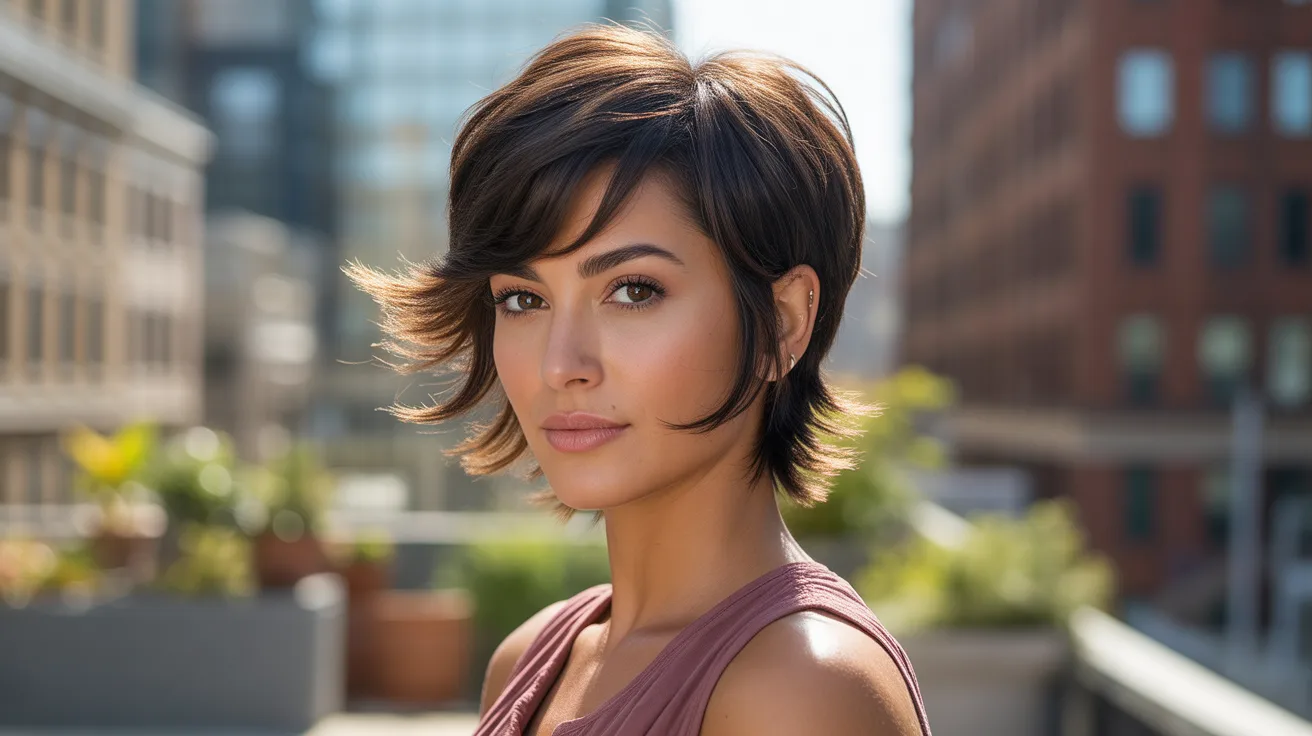
The pixie shag sits at the shorter end of the shag spectrum and suits those who want something easy to manage without sacrificing texture. The back and sides are cut closer to the head, while the top section retains some length and layering to keep the shaggy character intact. It is a cut that looks neat while still having visible movement.
This style works particularly well on fine or thin hair because the close cut at the back and sides removes the bulk that would otherwise make the hair lie flat. A small amount of texturizing product applied to the crown area is usually enough to lift the top section and maintain the intended shape throughout the day.
7. The Shag Bob
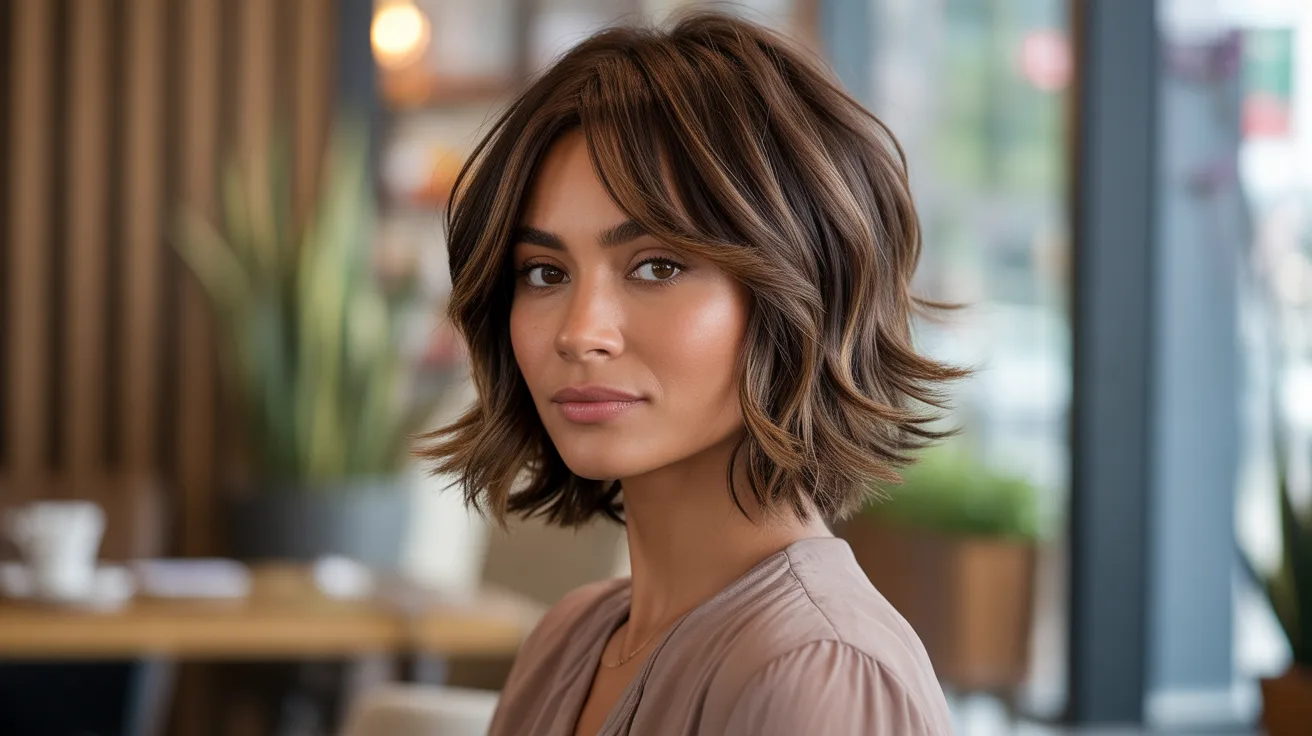
The shag bob combines the structured outline of a bob with the textured, layered quality of a shag cut. It sits between the chin and the shoulders and is often finished with a slightly undone edge rather than a clean, sharp line. During regular use, this style tends to maintain its shape well between cuts.
Short shaggy hair in bob form is one of the more versatile options because the structure of the bob gives a defined outline while the layers prevent the look from becoming too polished or stiff. It is a cut that works for both straight and wavy hair and holds up well even on days when no styling product is used.
8. The Messy Short Shaggy Hair Bob Cut
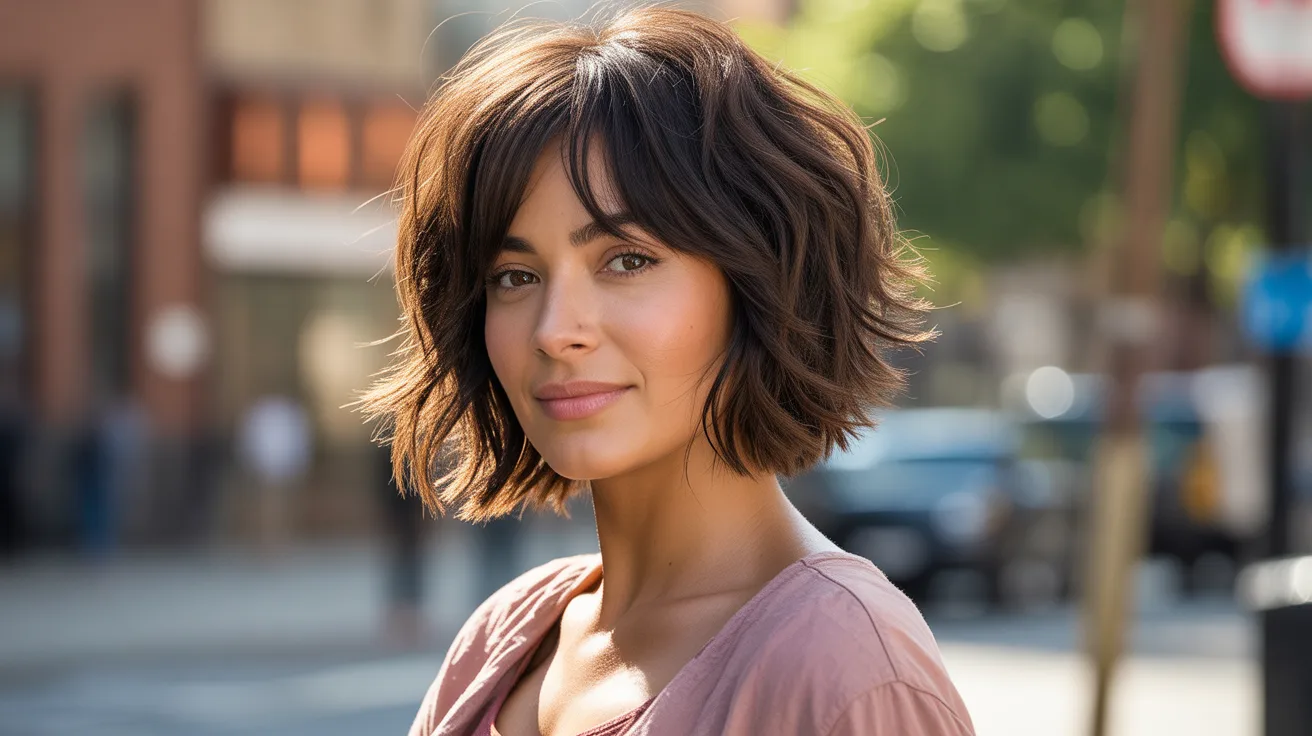
The messy version of the shag bob leans fully into the undone, effortless quality that makes shag cuts so appealing. Layers are cut without strict uniformity, and the ends are often finished with a razor to create a slightly frayed texture. This gives the cut a natural, lived-in look that many people find easier to manage than a more structured style.
A small amount of sea salt spray or texturizing paste is enough to enhance the natural messiness of this cut without making the hair feel stiff or product-heavy. This style tends to look particularly good on those with naturally thick hair because the deliberate disorder balances out the density rather than fighting against it.
9. The 70s Inspired Shag
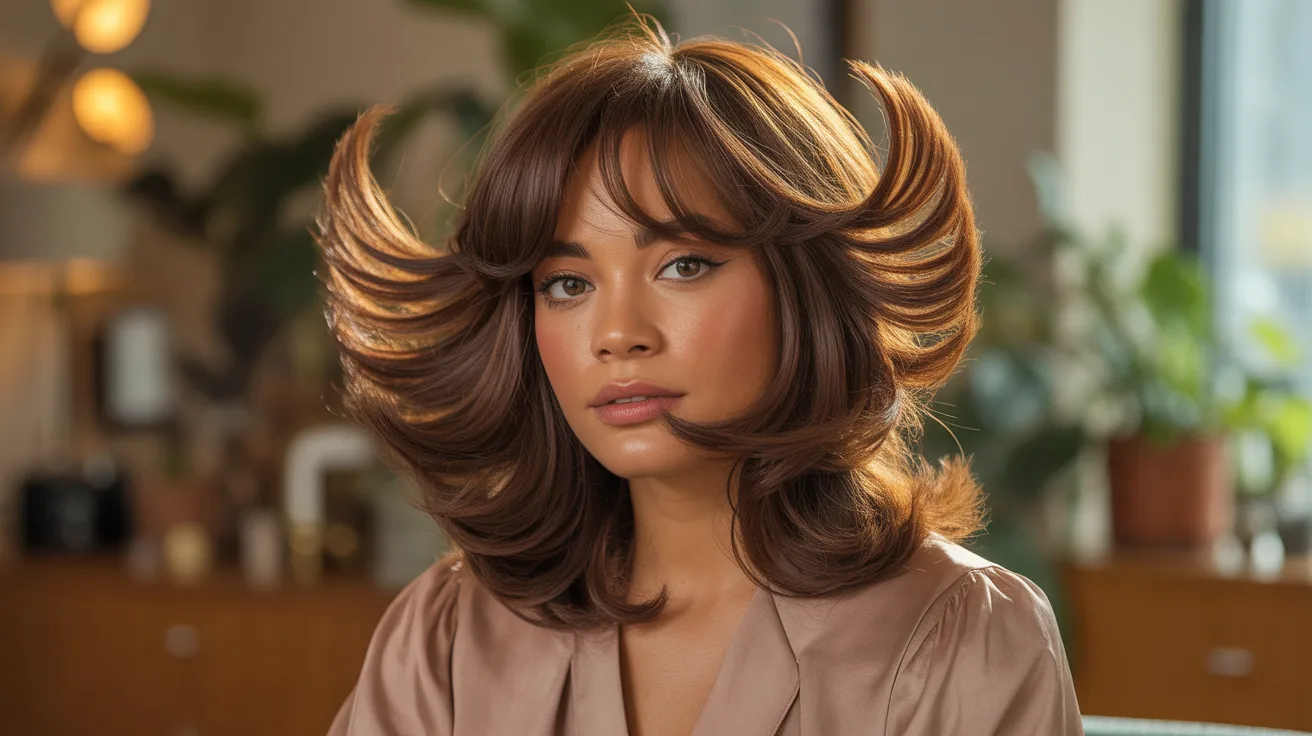
The 70s shag is built around heavy layers, wide-set wings near the temples, and a slightly dramatic overall silhouette. It draws from the iconic styles seen during that decade and has been revisited regularly in modern salons as a retro-influenced option. On a normal setup with medium-length hair, this cut delivers a strong, recognizable shape.
The wings near the temples give the style a slightly theatrical quality that suits those who prefer their hair to make a visual statement. A round brush and a blow dryer are typically used to set the wings during styling, though the cut holds its general shape even when air-dried. It is a bold choice that still manages to feel wearable in everyday settings.
10. The Shag with Highlights
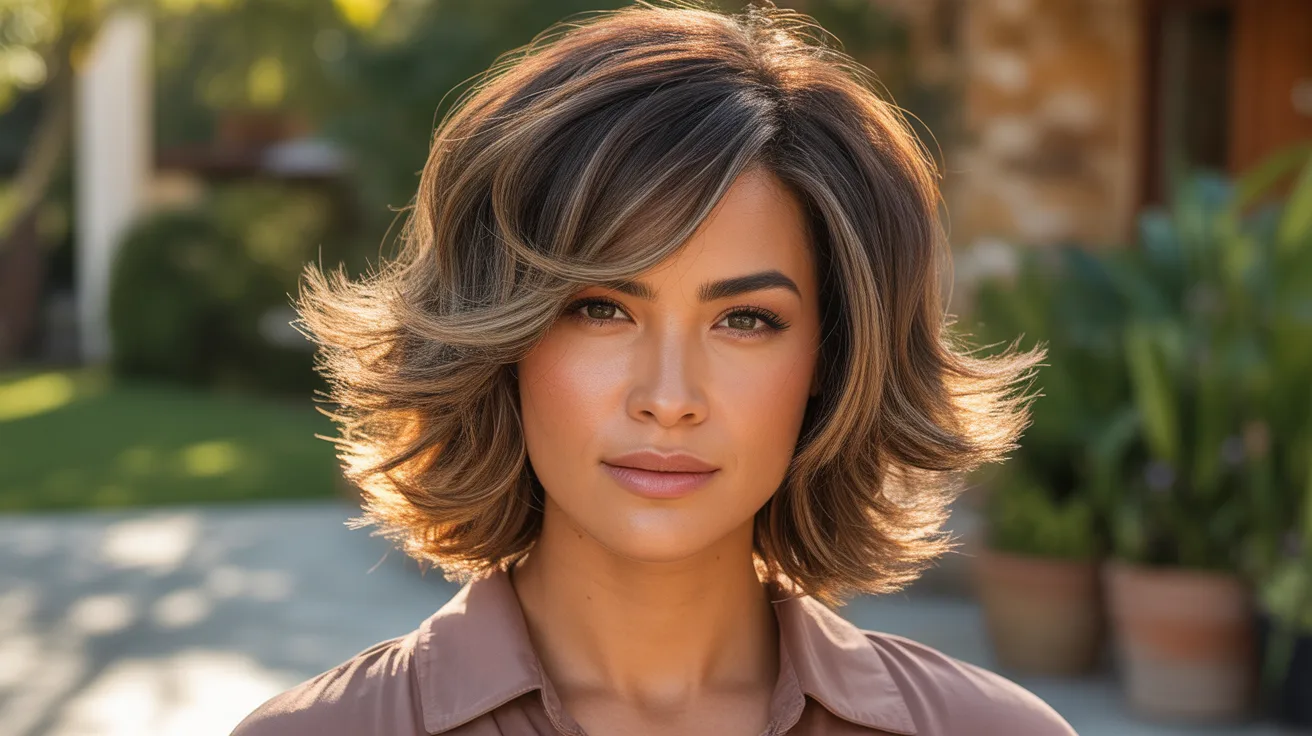
Adding highlights to a shag cut enhances the layered structure by making each section of hair visually distinct from the next. When lighter tones are placed throughout the layers, the movement within the cut becomes easier to see. Short shaggy hair treated this way tends to look fuller and more textured than the same cut done on a single, flat color.
Balayage-style highlights are the most common choice because they are applied freehand and follow the natural fall of each layer rather than sitting in uniform sections. The result is a color effect that looks natural and requires fewer touch-up appointments than traditional highlights. This combination of cut and color tends to be one of the more popular requests seen in salons during any given year.
11. Short Shaggy Hair with a Feathered Finish
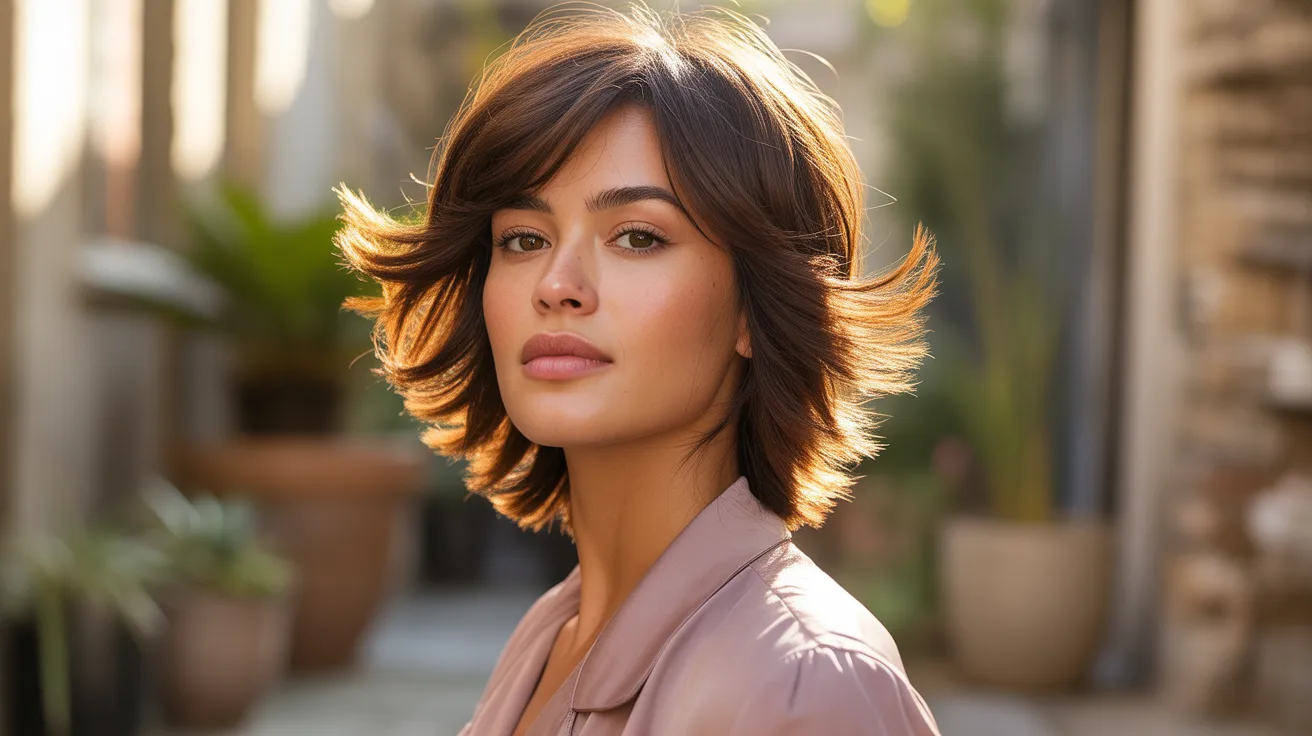
Feathered layers are cut so that the ends of the hair taper outward rather than falling straight down. This creates a light, airy effect at the tips of each layer, which adds softness to the overall silhouette of the cut. The technique has been in use since the 1970s and remains one of the more reliable ways to add movement to a shorter style.
The feathered effect works especially well on straight to slightly wavy hair because the natural fall of the hair allows the tapered ends to stay visible. On very curly hair, the same technique is sometimes applied but the curls can close up the feathered ends once the hair dries. A light serum or finishing spray can help keep the ends in their intended position throughout the day.
12. The Shag for Curly Hair
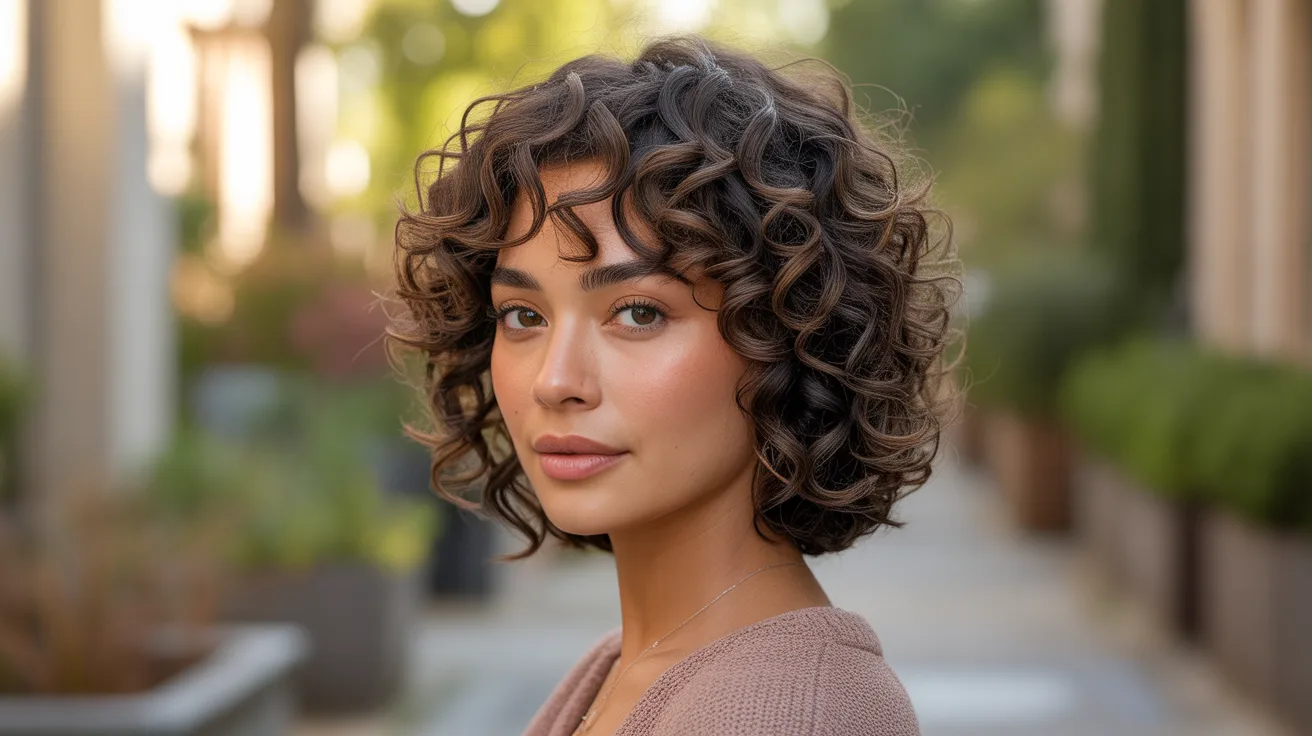
Curly hair responds well to shag-style layering because the layers remove some of the bulk that would otherwise cause the curls to collapse under their own weight. Each layer is cut individually to account for the curl pattern, which means the finished result looks intentional rather than uneven. After trying this approach on tight curls, the volume improvement is consistently noticeable.
A defining cream or curl-activating product is usually applied after washing to enhance each curl cluster and prevent frizz. The layers help the curls spring up rather than sitting heavy, and the overall shape stays fuller throughout the day. This is a cut where the styling process actually becomes easier compared to a blunt or uniform cut on the same hair type.
13. The Shag for Fine Hair
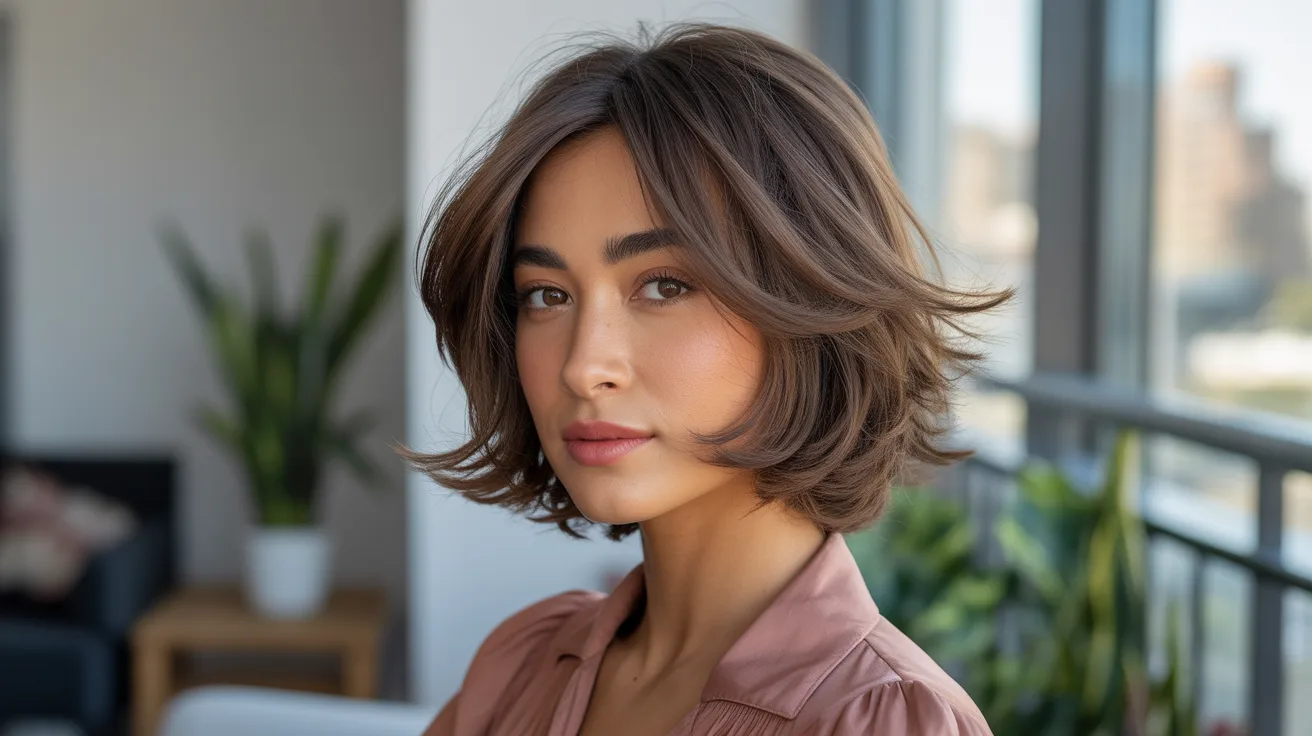
Fine hair benefits from shag-style layering because the added texture and movement create the appearance of more volume than a straight cut would allow. Layers are placed throughout the hair to lift each section away from the scalp, and the overall result looks fuller than the actual density of the hair would suggest. Short shaggy hair is one of the more commonly recommended options for those dealing with thin or fine strands.
A volumizing mousse or root-lifting spray applied at the roots before blow-drying can enhance the effect of the layers further. The key is keeping the layers at a length where they can hold their shape without flopping flat. A stylist experienced with fine hair will typically leave slightly more length at the ends to prevent the tips from becoming too wispy.
14. Short Shaggy Hair with a Razor-Cut Edge
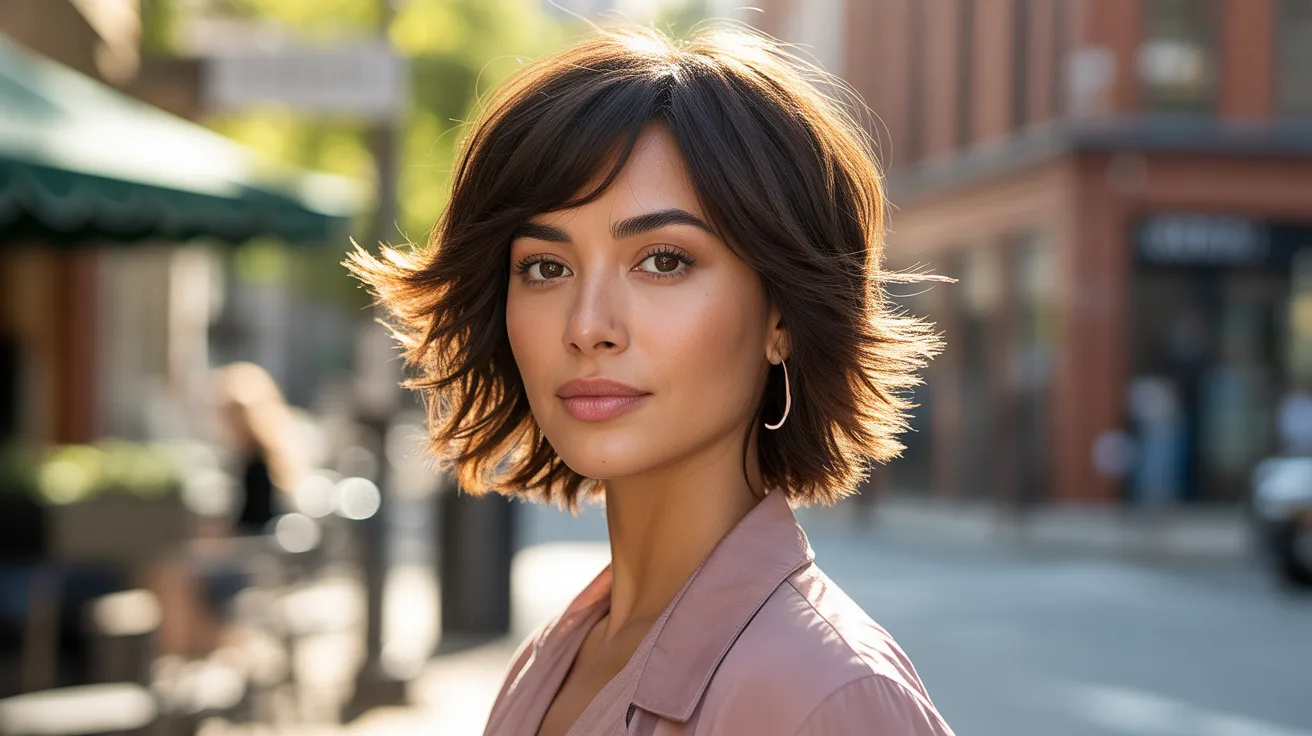
The razor-cut technique uses a straight razor rather than scissors to finish the ends of the hair, which creates a naturally frayed and textured edge rather than a clean, blunt line. This is a finishing method that is commonly applied to shag cuts because it enhances the undone, effortless quality that makes the style appealing. During a standard salon visit, the razor work is usually done at the very end of the cutting process.
The textured ends created by razor cutting hold onto product more easily than blunt-cut ends, which makes styling simpler. A small amount of paste or wax worked through the ends is usually enough to define the texture and add a slight shine. This technique is particularly effective on medium-to-thick hair densities where the added texture prevents the cut from looking too heavy.
15. The Shag with an Undercut
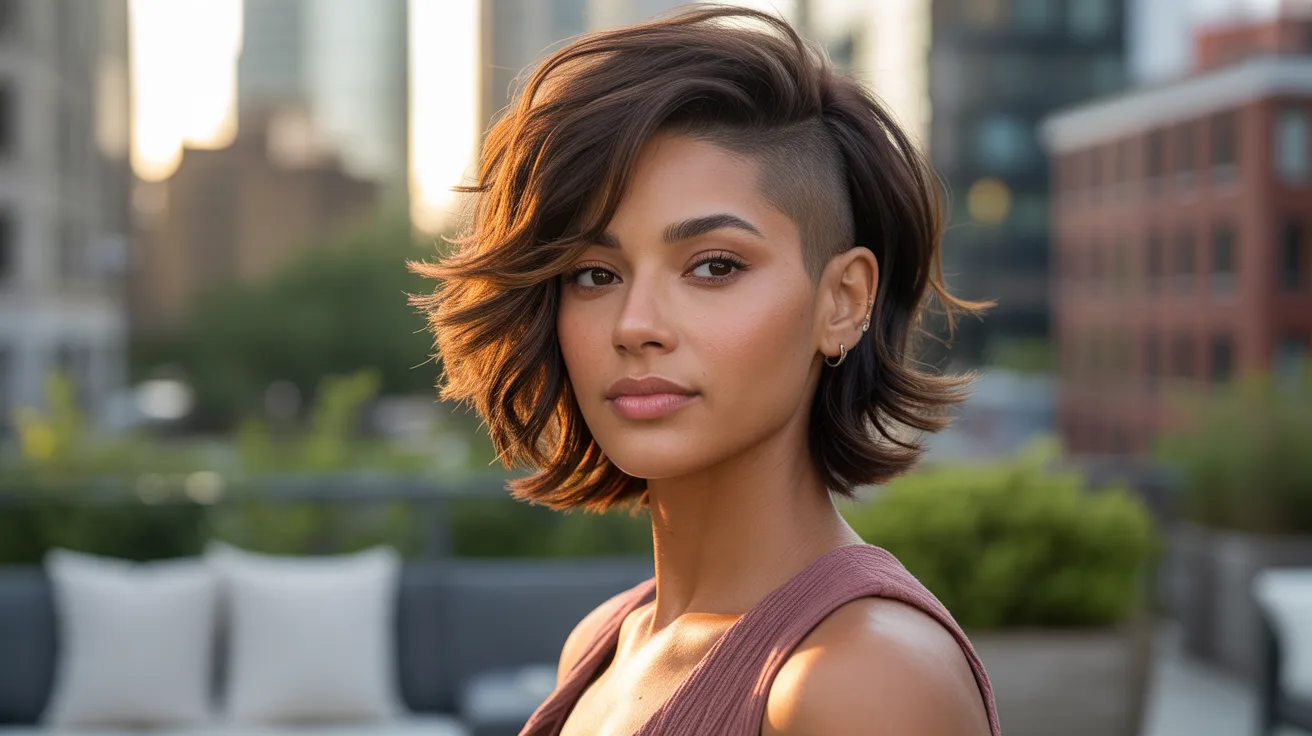
The undercut variation involves cutting the hair beneath the top layer very short while keeping the top section at a longer length. This creates a hidden contrast that adds lightness and lift to the overall style. The undercut portion is not visible when the top layer falls over it, but it removes a significant amount of weight from the interior of the cut.
This approach works well for people with thick or dense hair who want the appearance of a shag cut without the weight that normally comes with it. The top layers can be styled freely because the bulk underneath has been reduced. It is also a versatile option because the undercut section can be revealed or concealed depending on how the top layers are styled on any given day.
16. The Side-Parted Shag
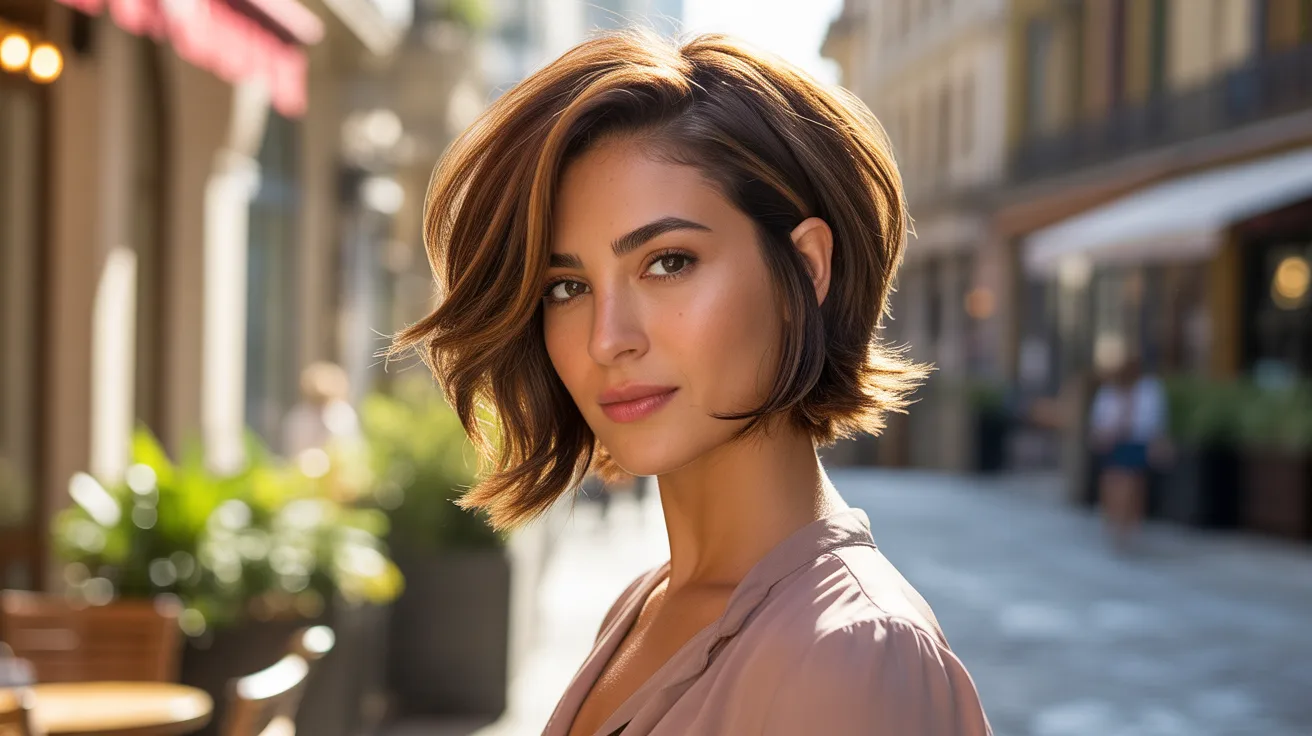
A side part changes the distribution of the hair and creates an asymmetrical effect that suits the informal, textured nature of a shag cut. The heavier side falls with more volume, while the shorter side sits closer to the face and ear. Short shaggy hair styled with a deep side part tends to look more dramatic than a center-parted version of the same cut.
The side part also allows the face-framing layers to fall in a more directional way, which can emphasize certain facial features more effectively. Applying a light-hold product before setting the part in place helps the hair maintain the chosen direction throughout the day. This is a simple adjustment that significantly changes the character of the overall style.
17. Short Shaggy Hair in a Choppy Textured Form
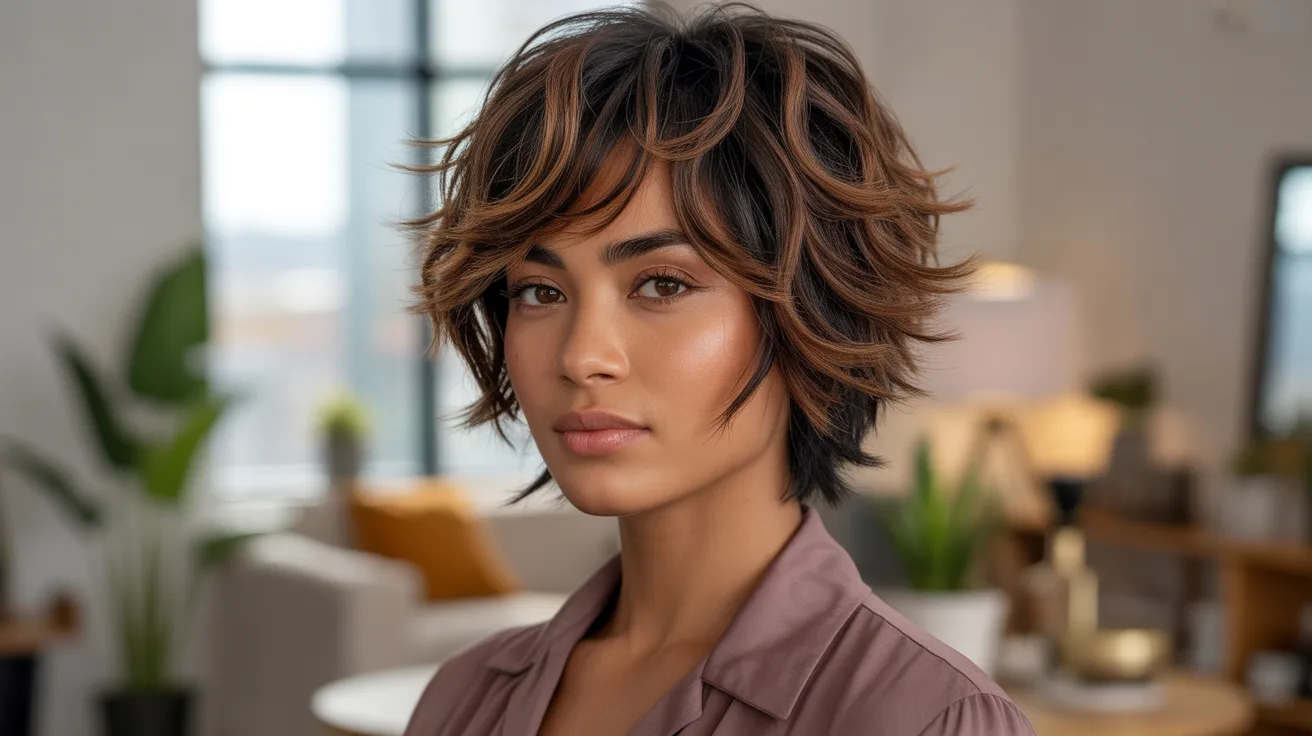
The choppy version of this cut uses deliberate, irregular layer lengths to create a more dramatic, high-contrast texture throughout the hair. Rather than blending seamlessly between lengths, the choppy cut allows distinct sections to stand apart from one another. This creates a strong visual effect that suits those who prefer a more expressive, fashion-forward look.
A matte paste or clay worked through the hair after blow-drying is the typical finishing step for this style. The product helps separate the choppy sections and keeps them defined without making the hair look stiff or overly structured. This cut tends to look particularly striking on darker hair colors where the contrast between layers is most visible.
18. The Low-Maintenance Shag
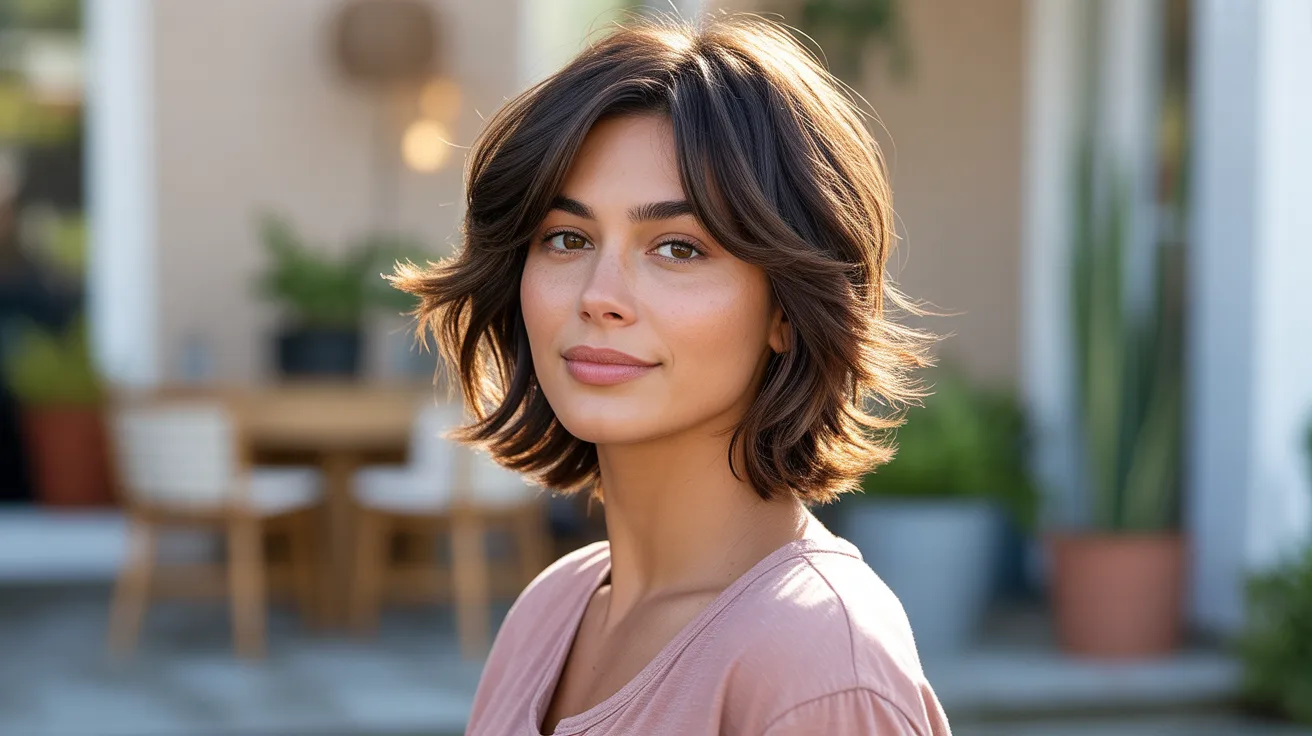
The low-maintenance version of this cut is designed specifically for people who want a style that looks intentional even when it has not been formally styled. Layers are cut at lengths that fall naturally into place after washing, which means the hair does not need to be dried or shaped before leaving the house. This is a genuine advantage for those with limited time in their daily routine.
Air-drying is typically enough to bring this style to life, especially on hair with some natural wave or texture. A light leave-in conditioner applied while the hair is still wet can enhance the natural movement of the layers and prevent frizz. This is a cut where simplicity is the actual goal rather than a compromise.
19. Short Shaggy Hair for a Textured Boho Look
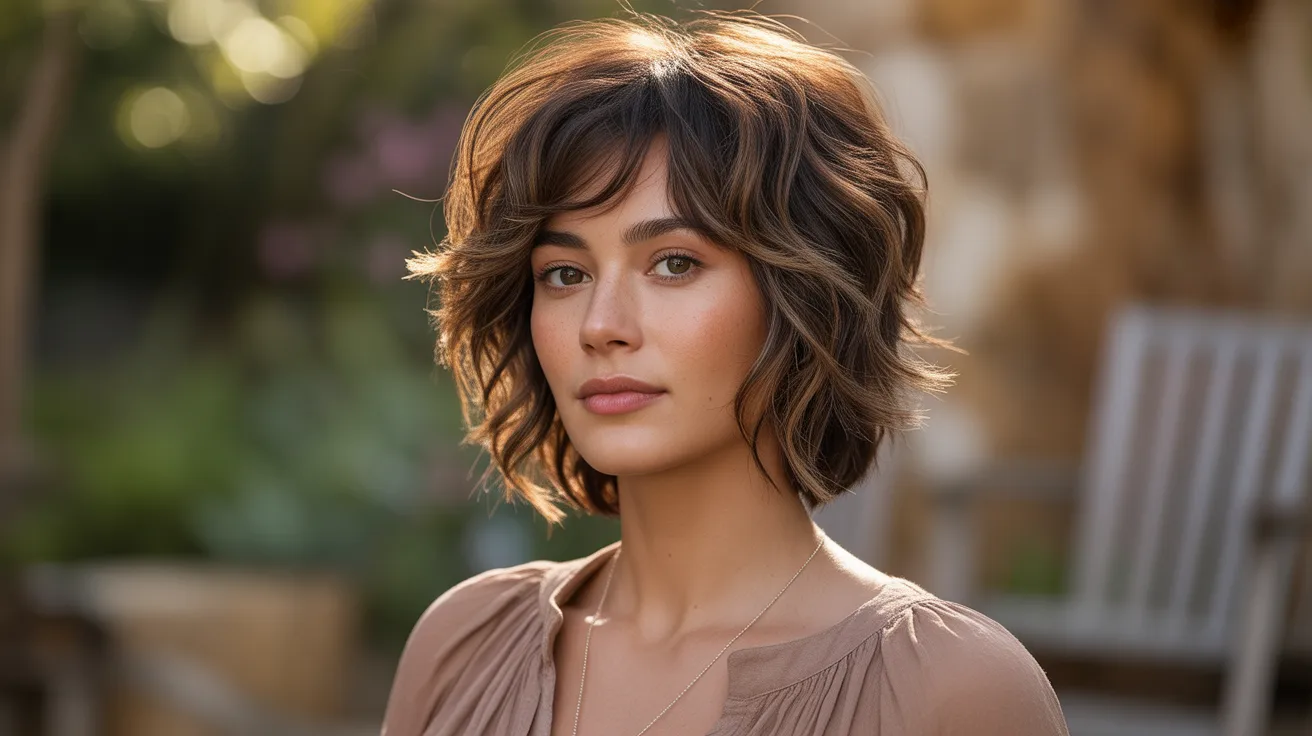
The boho-inspired version of short shaggy hair leans into a relaxed, nature-influenced aesthetic that feels deliberate without appearing overly styled. Layers are kept soft and irregular, and the ends are usually left with minimal finishing to preserve a natural edge. After trying this approach on medium-length hair, the overall effect is one of the more effortlessly stylish outcomes possible with this cut.
A sea salt spray or a texturizing mist applied to damp hair before air-drying is the most common styling method for this look. The natural movement of the layers is allowed to develop on its own rather than being directed by heat tools. Accessories like simple clips or headbands pair particularly well with this style and add to the relaxed visual tone.
20. Short Shaggy Hair for an Effortless Everyday Look
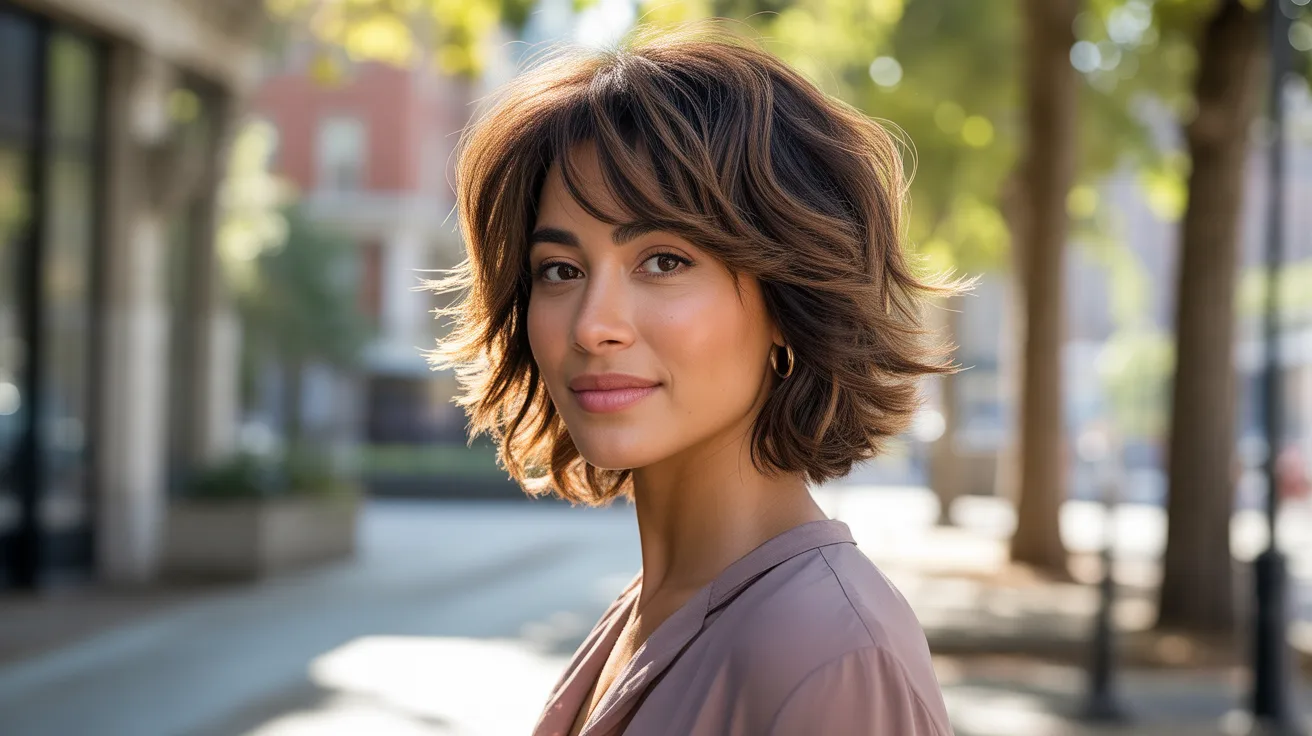
The everyday version of this cut is about finding a balance between style and practicality that can be maintained without a significant time investment. Layers are kept at a length that suits the natural texture of the hair, and the overall shape is designed to look good at any point during the day rather than only right after styling.
This is perhaps the most honest reason why the shag cut has remained popular for so long. It works in real life — during busy mornings, through changing weather conditions, and across different activities. A cut that looks good consistently without demanding attention is genuinely useful, and the shag has always delivered that in a way that few other styles can match.
Conclusion
Choosing the right variation of this cut depends on hair texture, density, and the amount of time available for daily upkeep. A stylist who understands the structure of layered cuts can guide the selection toward the option that will work best for a specific hair type. It is worth discussing not only the desired look but also the realistic styling routine before committing to a particular version.
The appeal of this kind of cut lies in its adaptability. It can be adjusted, refined, or extended in a new direction at the next salon visit without losing its essential character. As one of the most consistently popular short cuts available, it continues to earn its place as a reliable, stylish, and practical choice for a wide range of people.