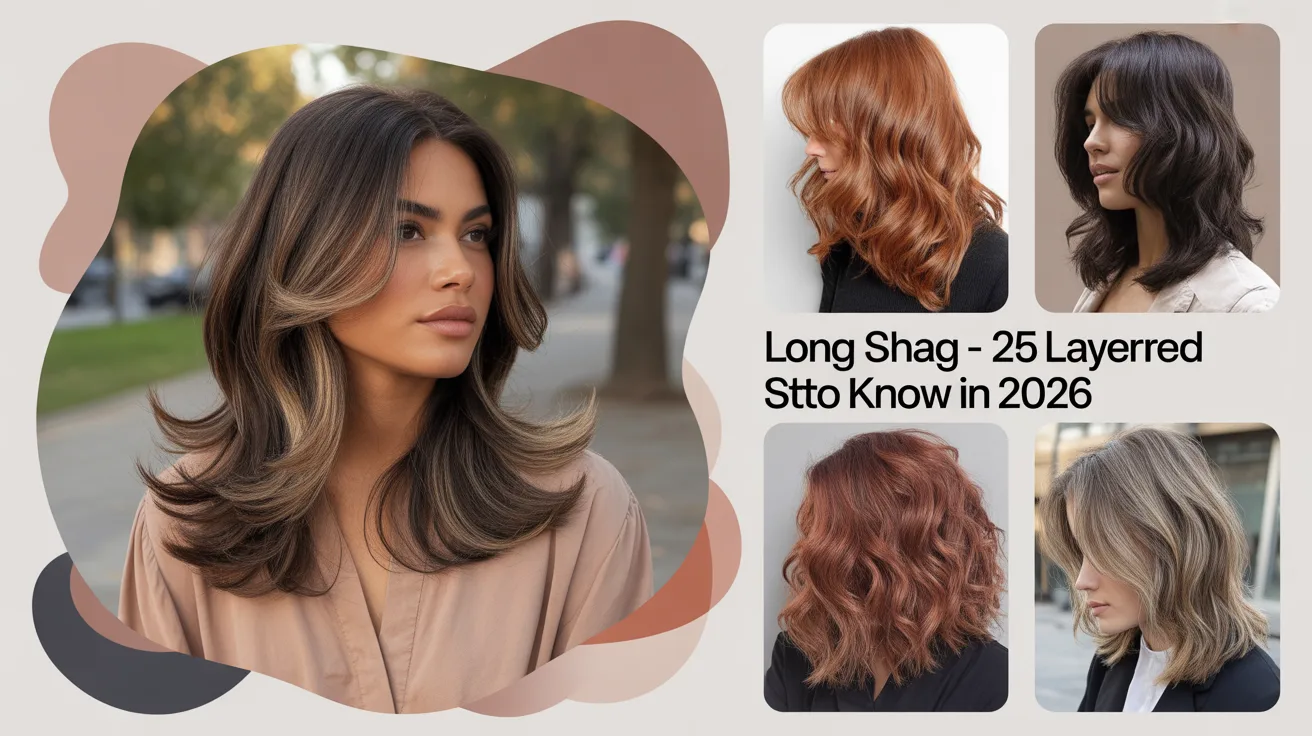
Long Shag – 25 Layered Styles to Know in 2026
The long shag has become one of the most requested cuts at salons this year. It works well on most hair types and is easy to style at home.
After trying several layered cuts over the years, this one stood out for its flexibility. It suits straight, wavy, and curly textures without much effort.
1. Classic Rock-Inspired Long Shag
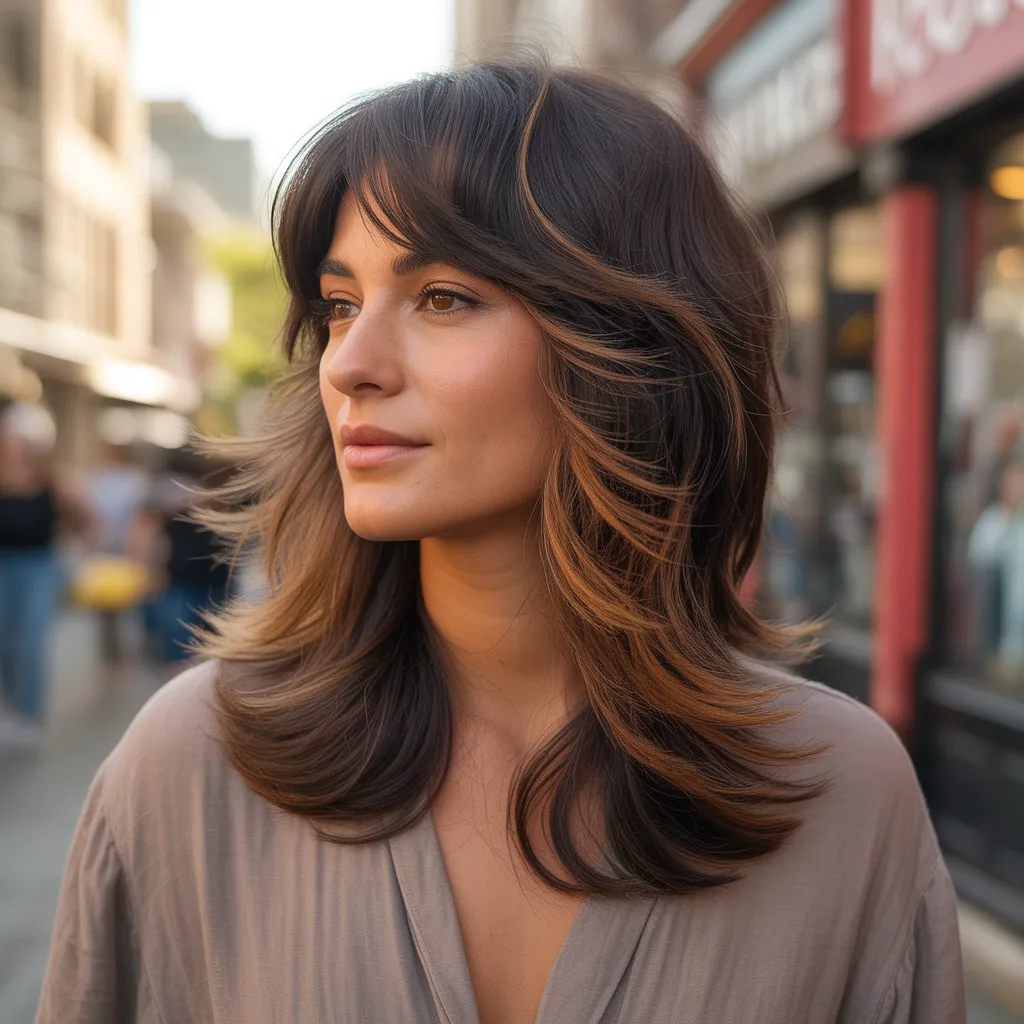
The classic long shag is built on choppy layers and curtain bangs. It gives a lived-in look without needing heavy products.
During regular use, this style holds shape even on the second or third day. Lightweight mousse is all that most people need to refresh it.
2. Curtain Bang Variation
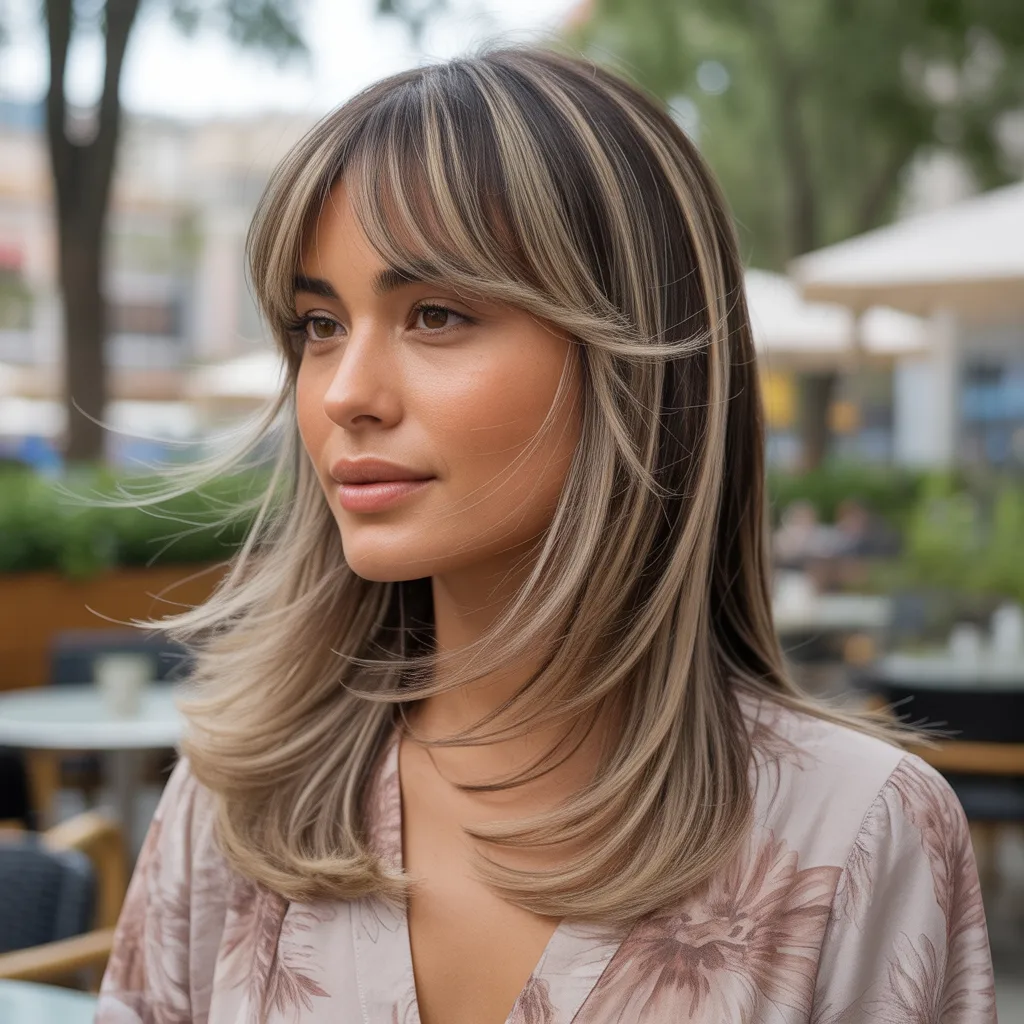
Curtain bangs are often paired with layered cuts for a softer frame. They fall naturally on both sides of the forehead without much pinning.
On a normal setup, this variation works well with a middle part. It tends to suit oval and heart-shaped faces the most.
3. Face-Framing Layers
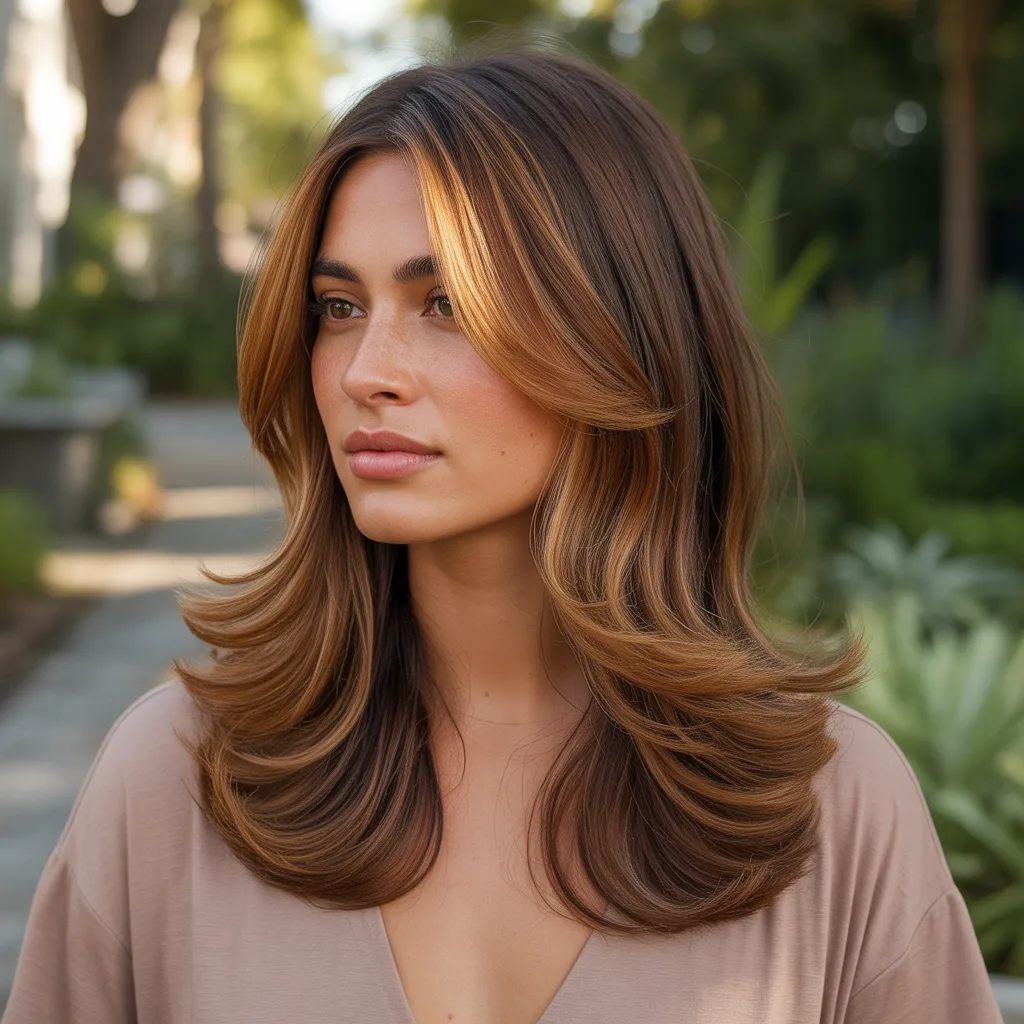
Face-framing pieces are cut shorter around the cheekbones in this style. They pull attention toward the center of the face naturally.
After trying this on fine hair, the added volume near the face was noticeable. The layers fall softly and do not require heat styling every day.
4. Wavy Texture Shag
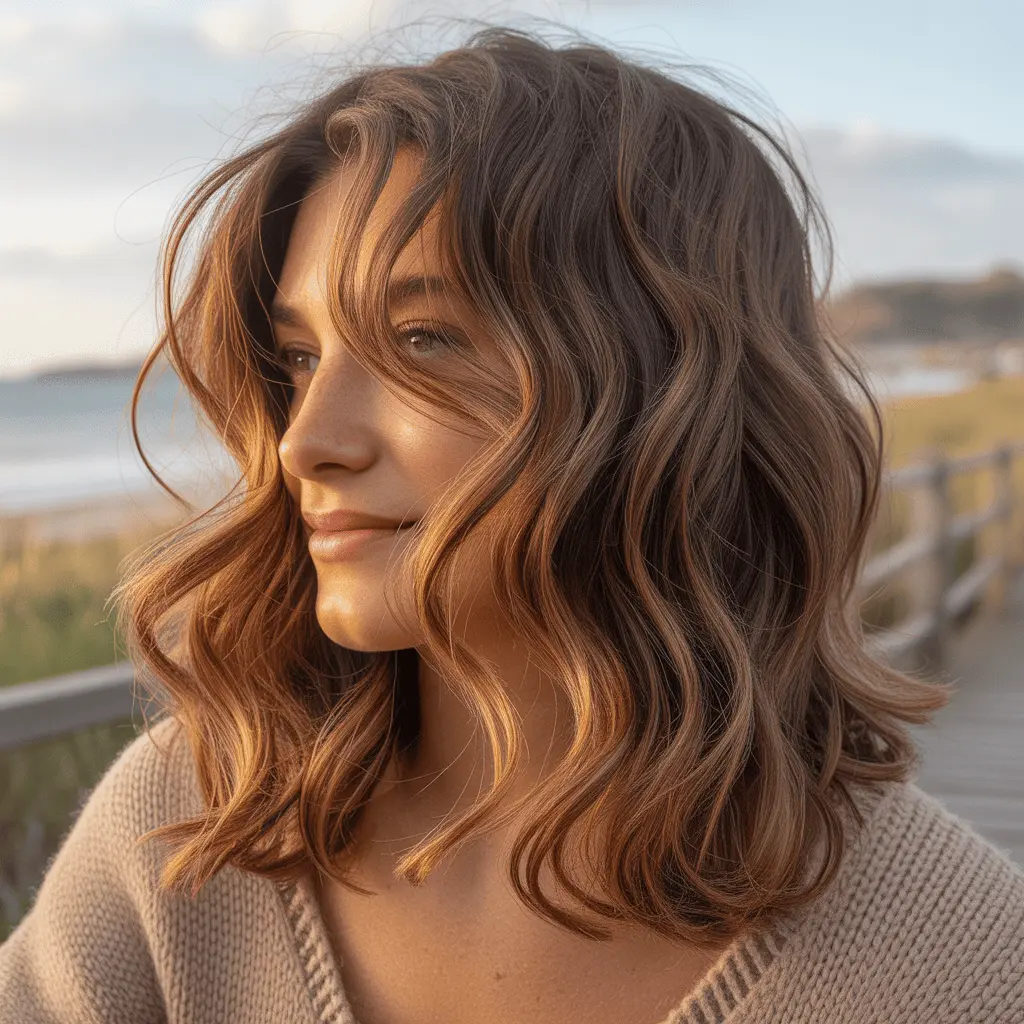
This version is designed for naturally wavy hair that needs definition. The layers are cut at angles to enhance the wave pattern.
On a normal setup, air-drying this style gives a relaxed and effortless look. A small amount of curl cream helps define the texture without heaviness.
5. Straight Hair Layered Cut
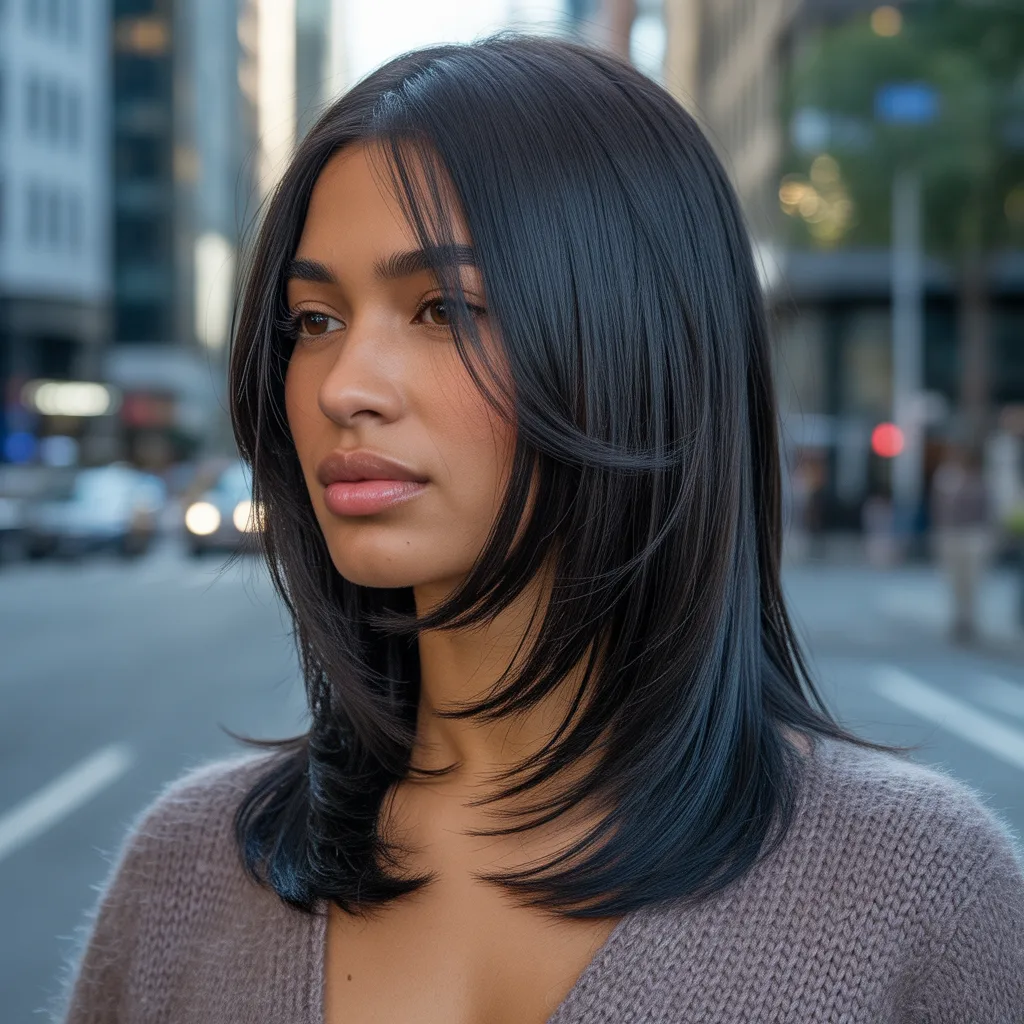
Straight hair can sometimes look flat without the right cut. Layers in a shaggy style add movement and break up single-length weight.
After trying this style on very straight hair, the results were quite positive. The ends looked lighter and the overall shape appeared more intentional.
6. Curly Shag with Defined Ends
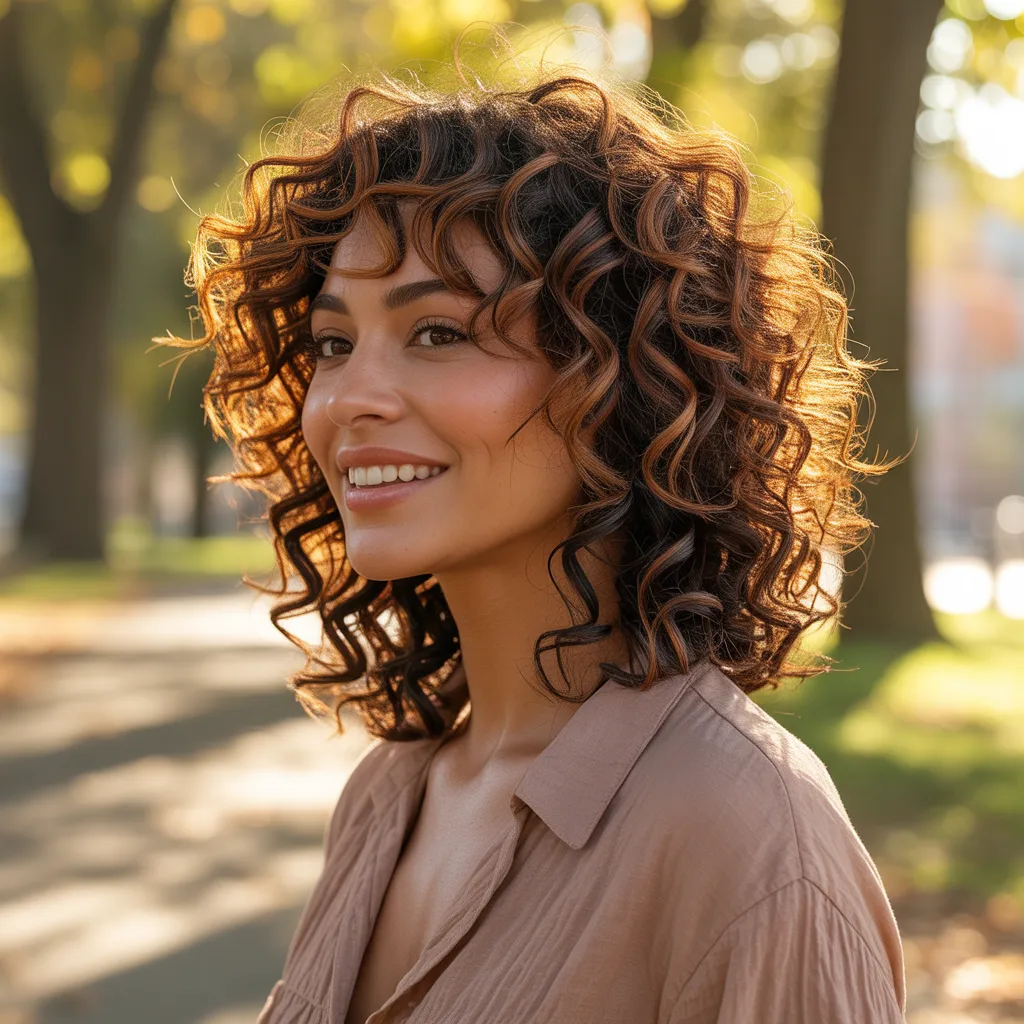
Curly hair benefits from layers that reduce bulk near the bottom. This style keeps length while removing some of the density at the ends.
During regular use, this cut made detangling noticeably easier. The curls bounced more freely without the extra weight pulling them down.
7. Blunt-End Shag Style
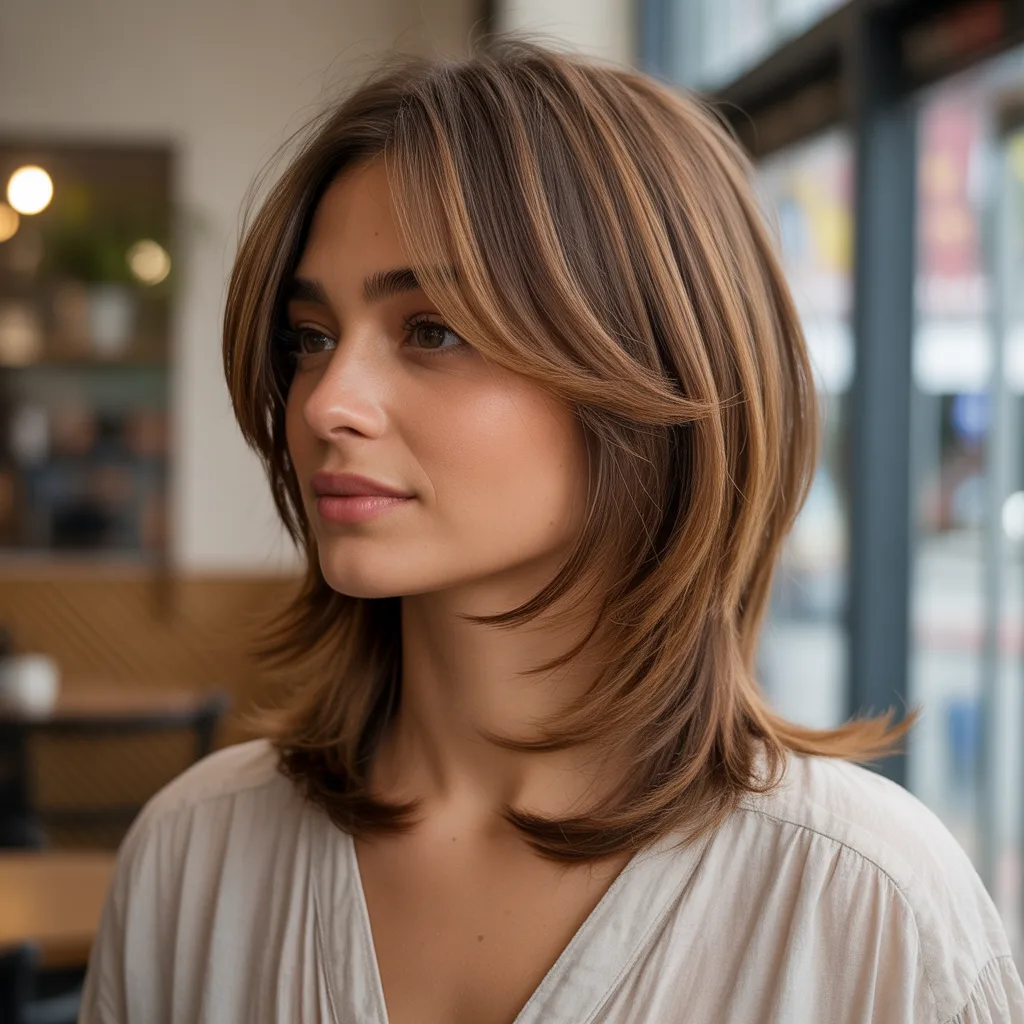
Some versions of the layered shag keep the ends slightly blunt. This gives a more structured finish compared to fully wispy ends.
After trying this approach, it felt polished and still felt low-maintenance. It is a good option for people who want some definition at the tips.
8. Feathered Layer Style
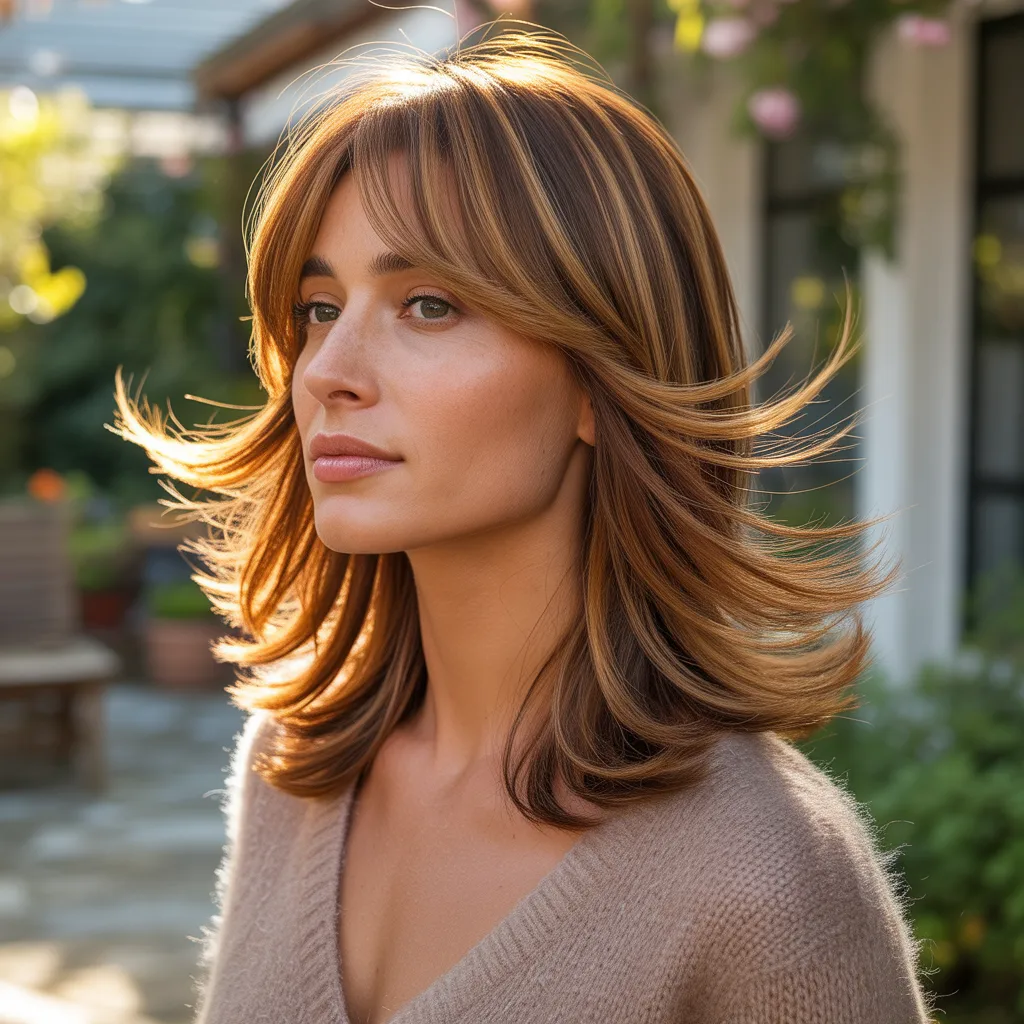
Feathered layers are cut in a way that points the ends softly outward. This technique has roots in older styling traditions and still looks current.
On a normal setup, feathered layers work best with a round brush blowout. They add lightness without making the style look too sculpted.
9. Shaggy Lob Transition Style
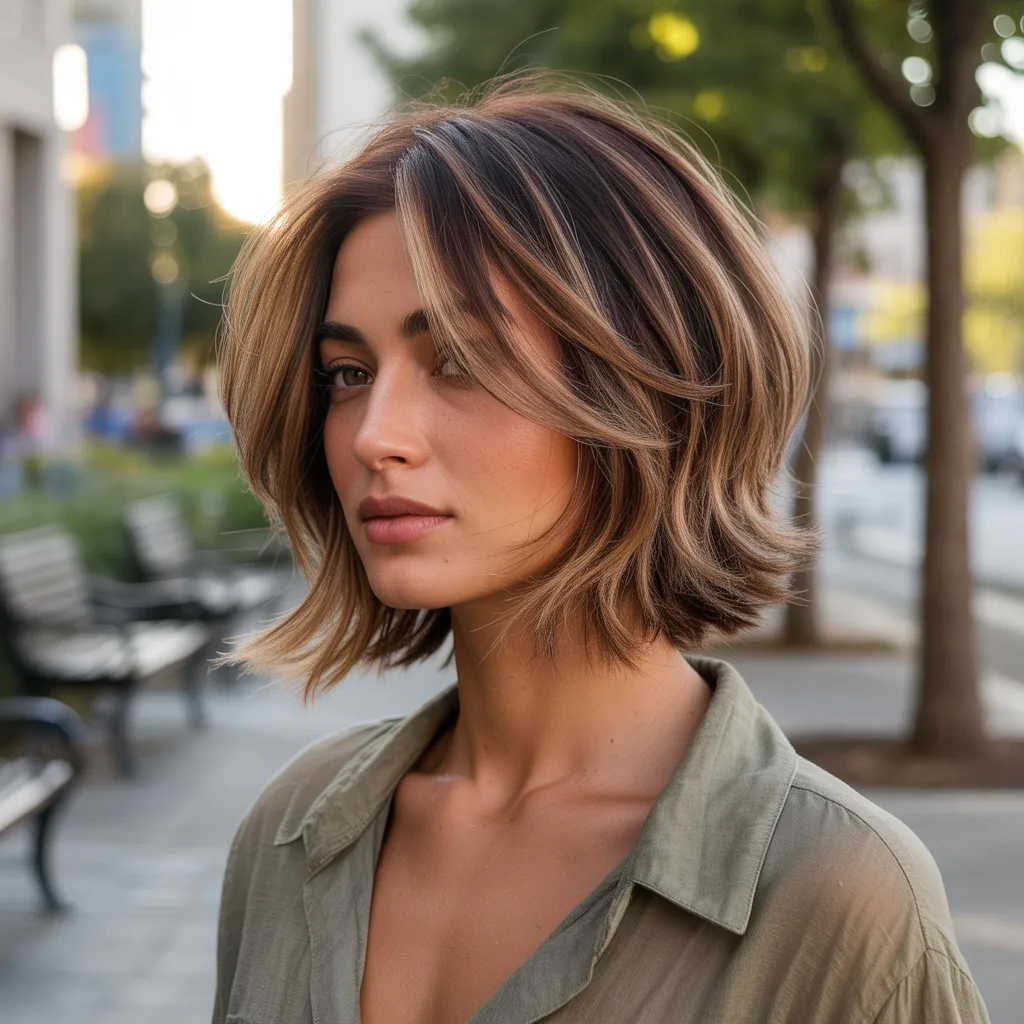
This is for people growing out a shorter cut into something longer. The layers are kept close together to manage uneven growth stages.
During regular use, this transition style blends old and new growth well. A trim every eight weeks helps maintain the shape through the growing phase.
10. Center Part Shag
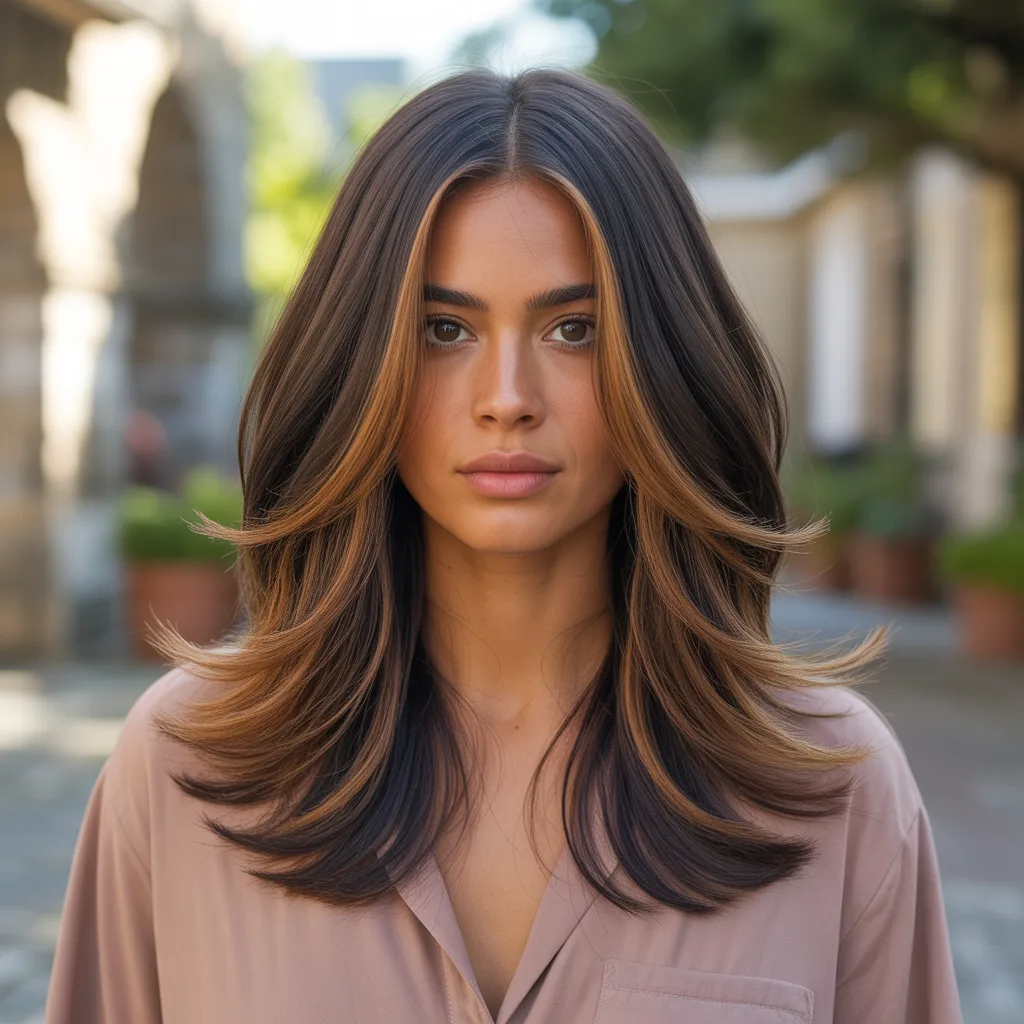
A center part naturally divides the layers into two equal curtain sections. The result is a symmetrical and balanced look that flatters many faces.
After trying this with both straight and wavy hair, it worked on both. The center part adds a clean structure to what is otherwise a relaxed cut.
11. Side Part Variation
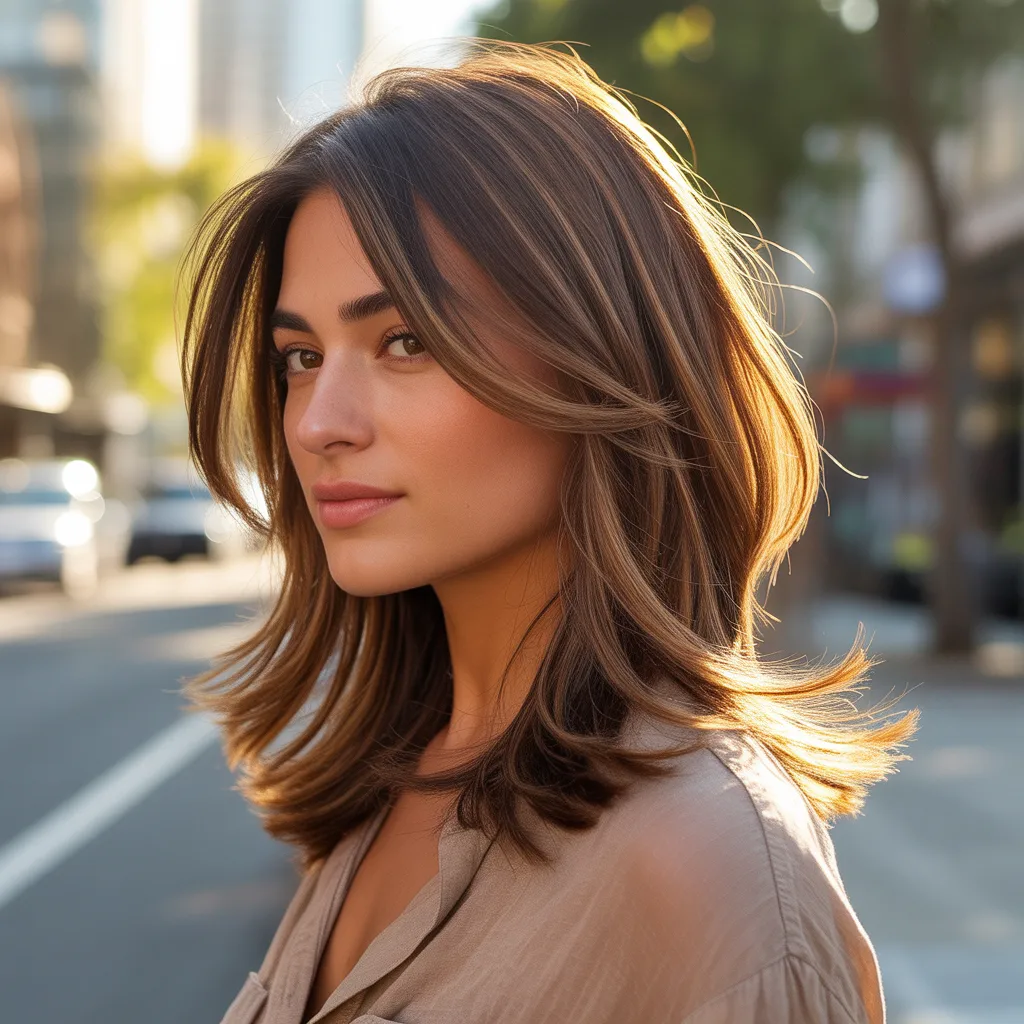
A side part shifts the weight of the layers slightly to one side. This creates a subtle asymmetry that feels modern and intentional.
On a normal setup, the side part is easier to maintain than a center part. Hair tends to fall naturally on a trained part with minimal effort.
12. Layered Cut for Thick Hair
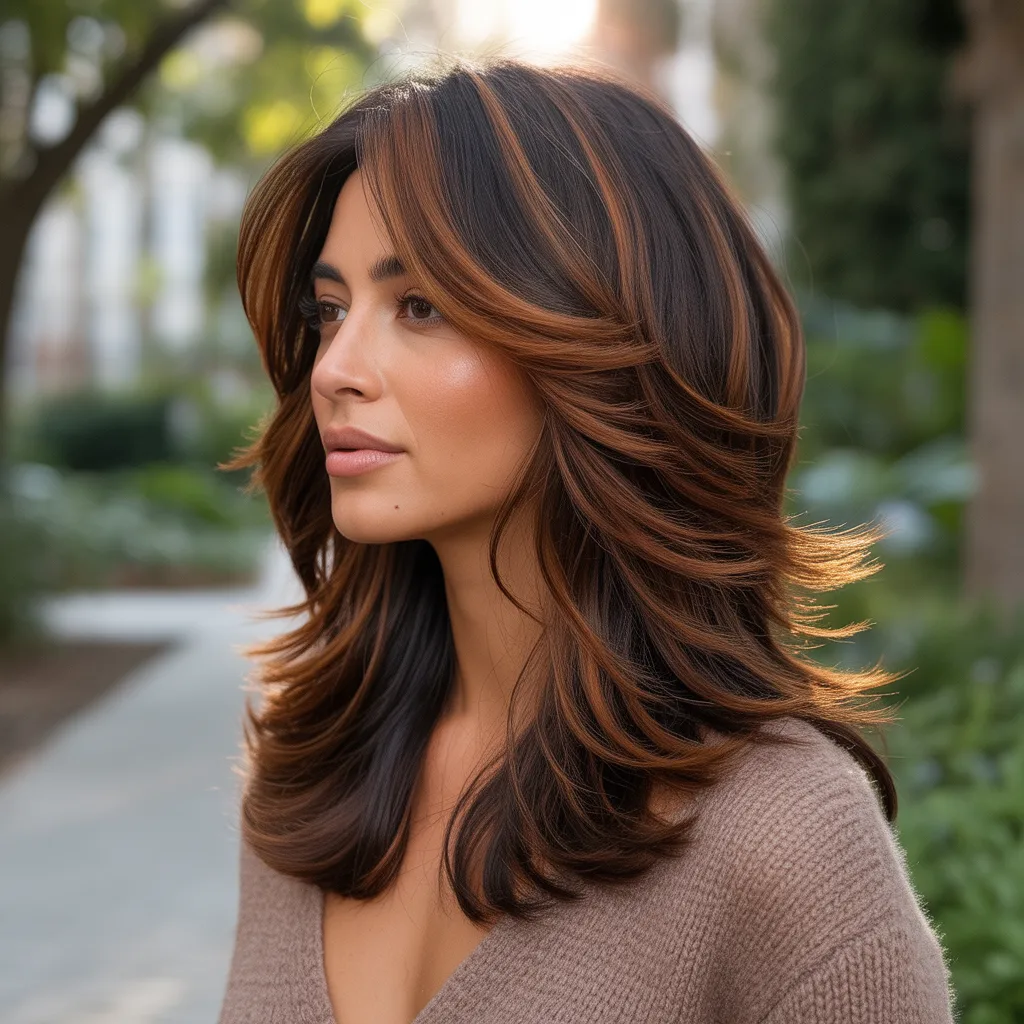
Thick hair can carry longer layers without losing its shape easily. The key is removing internal weight while keeping the outer layers intact.
During regular use, this version required less daily styling than expected. The reduced weight made blow-drying faster and easier overall.
13. Layered Style for Fine Hair
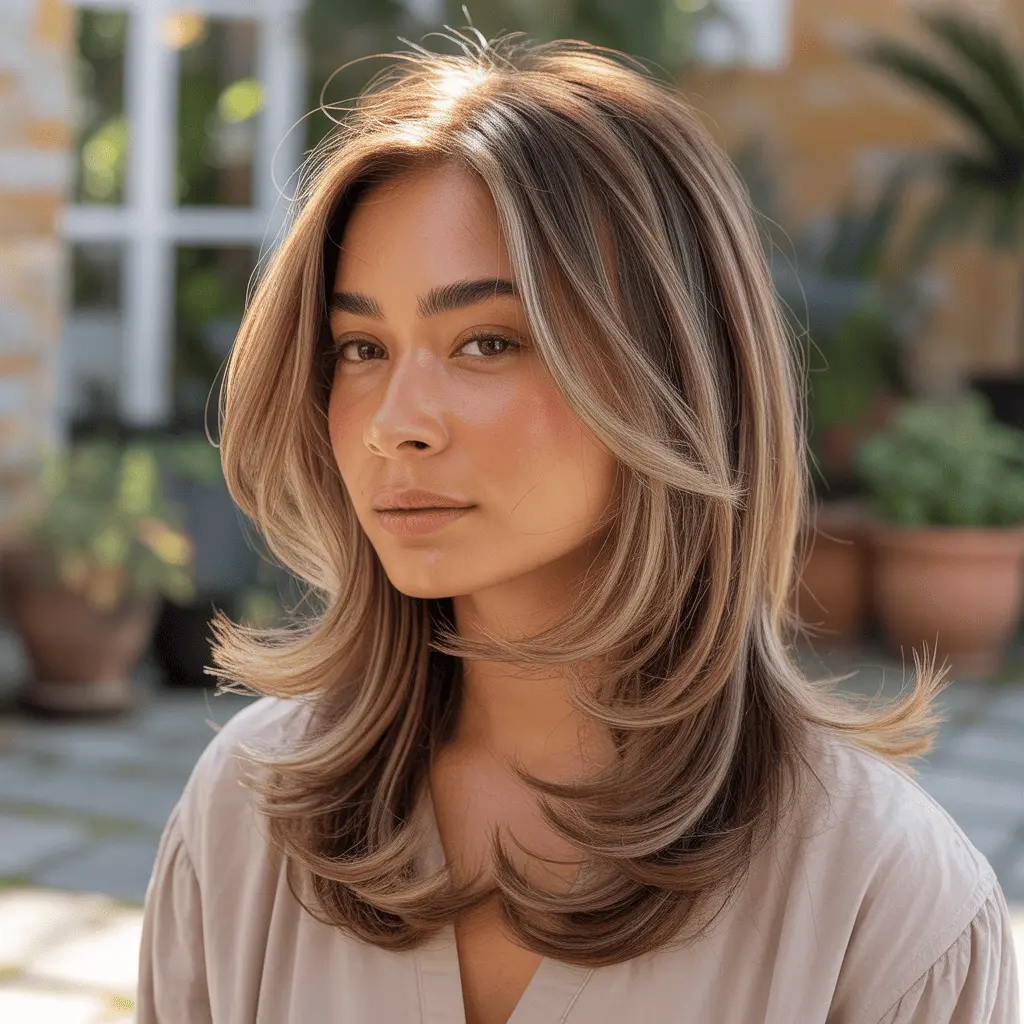
Fine hair needs careful layering so it does not look too thin. Shorter layers near the crown help add lift that stays through the day.
After trying this on fine hair, the volume near the roots was much better. The cut made the hair look fuller without any added products.
14. Shag with Wispy Ends
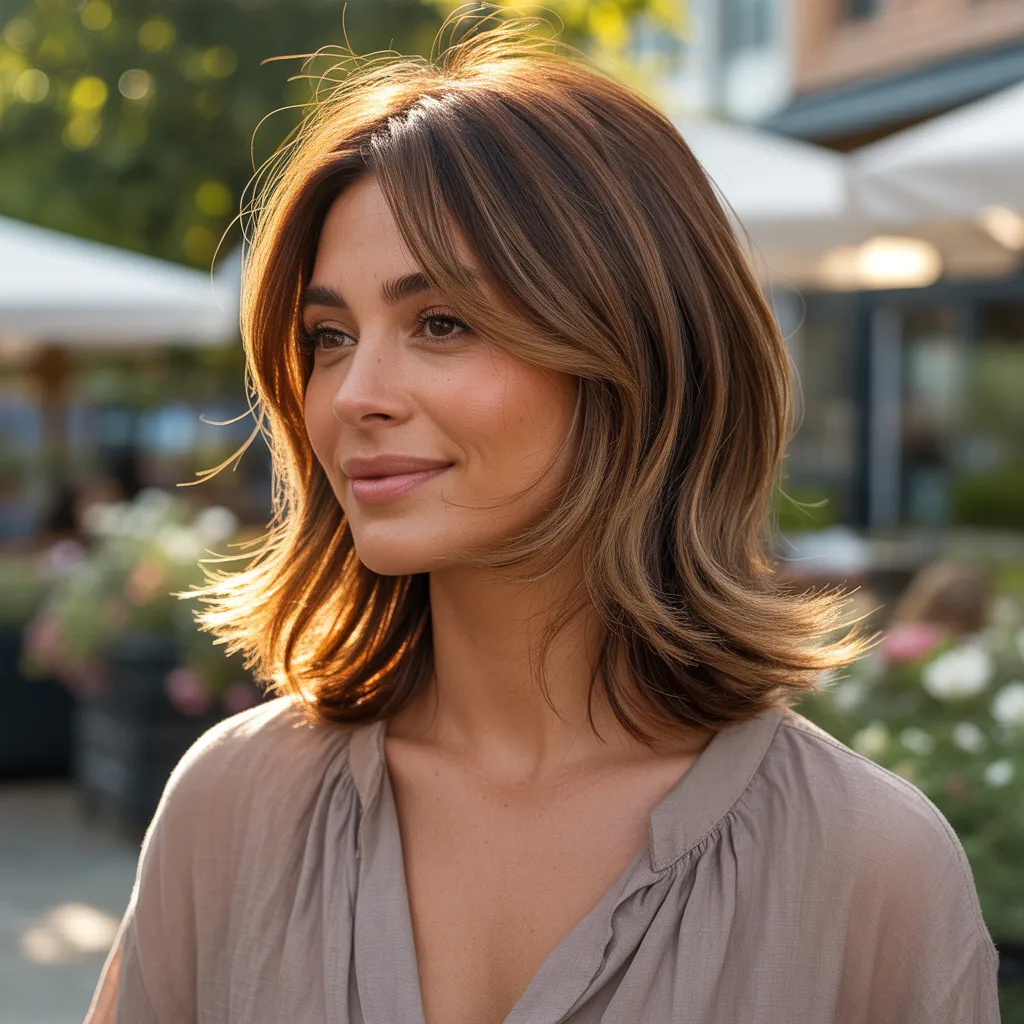
Wispy ends are created by point-cutting the tips at different lengths. This breaks up any harsh line and makes the ends look soft and natural.
On a normal setup, wispy ends air-dry into a relaxed and textured finish. They also reduce the need for heat tools on most days.
15. Retro Shag Inspired by the 70s
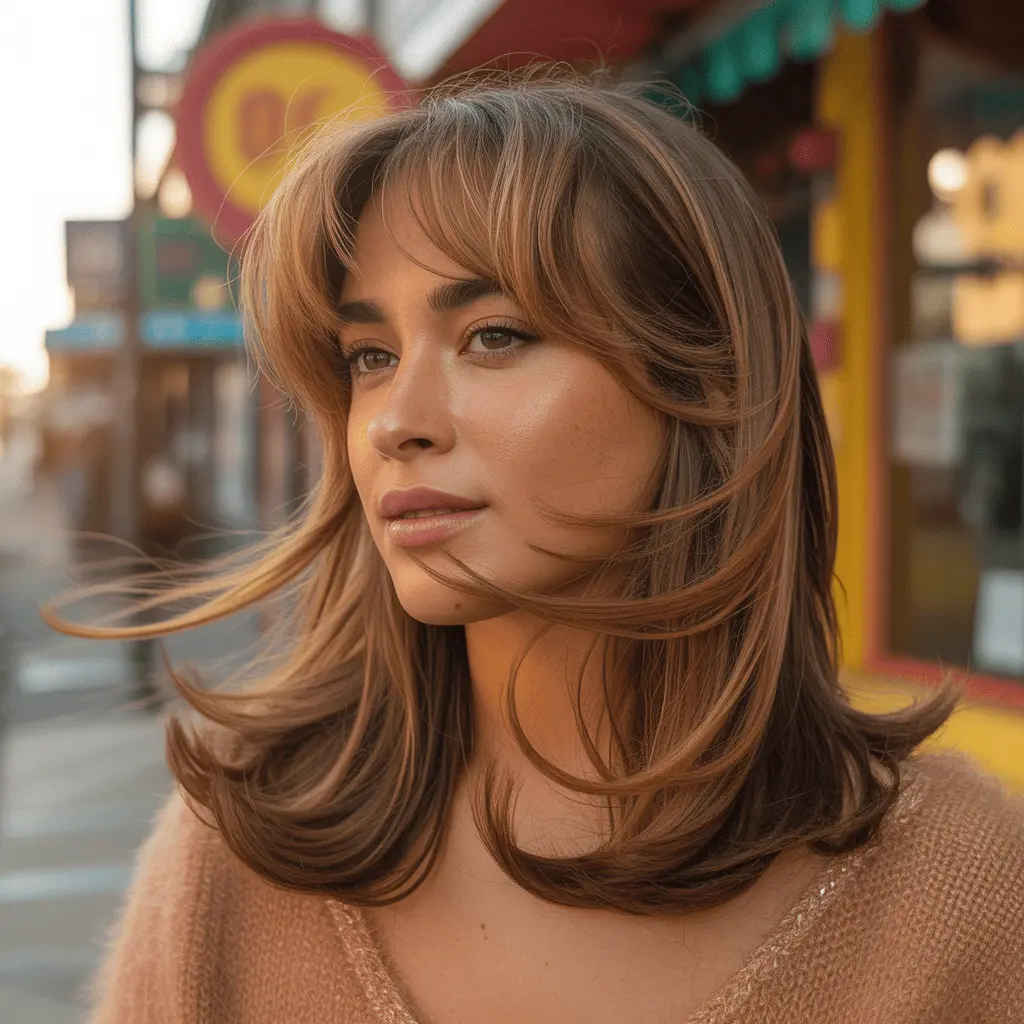
The 70s-inspired version uses longer, softer layers that fall down the back. The look draws from a decade known for its relaxed and natural aesthetic.
During regular use, this style pairs well with a simple middle part. It looks best when the hair is allowed to move freely without too much product.
16. Modern Shag with Subtle Highlights
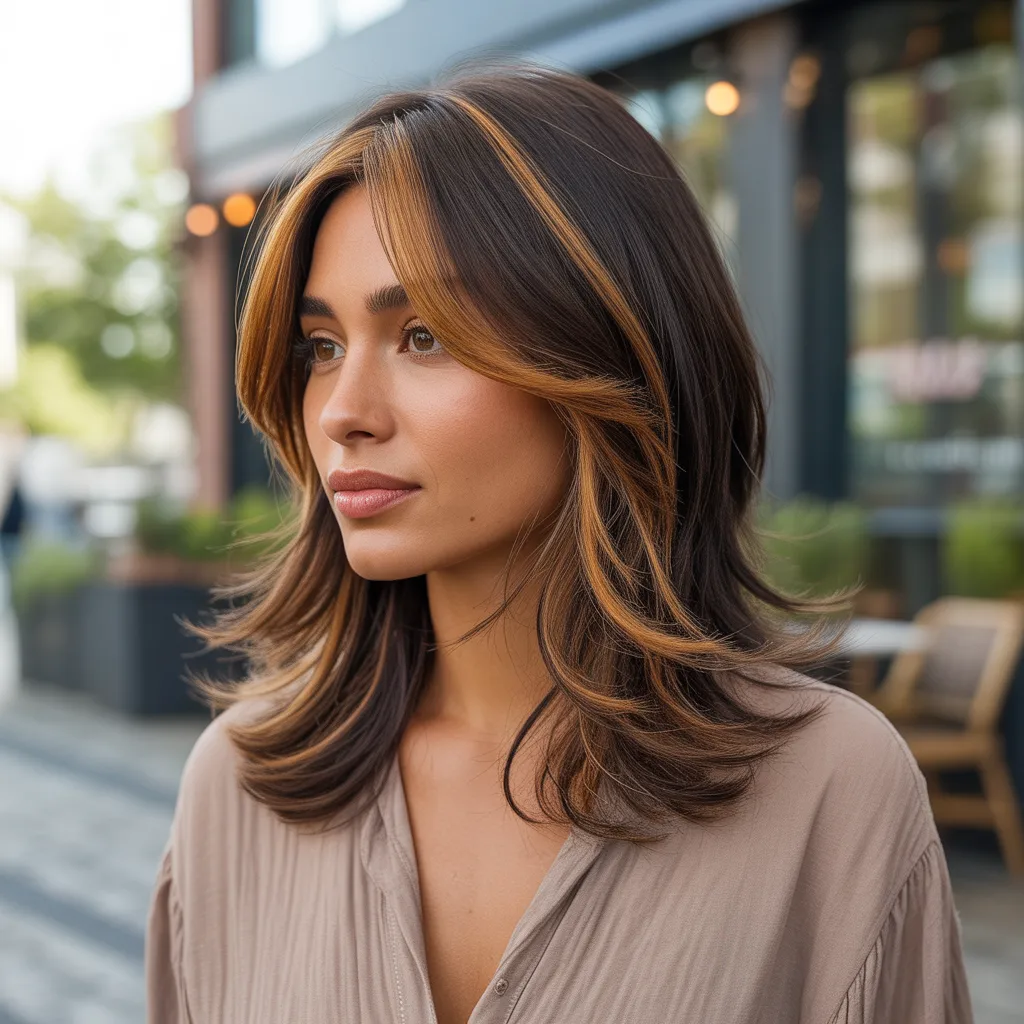
Highlights placed along the face-framing layers can make a cut look more dimensional. The color follows the natural path of the layers without overwhelming them.
After trying a few highlight placements, soft caramel tones worked best here. They added warmth without pulling too much attention away from the cut itself.
17. Shag with Bangs Swept to One Side
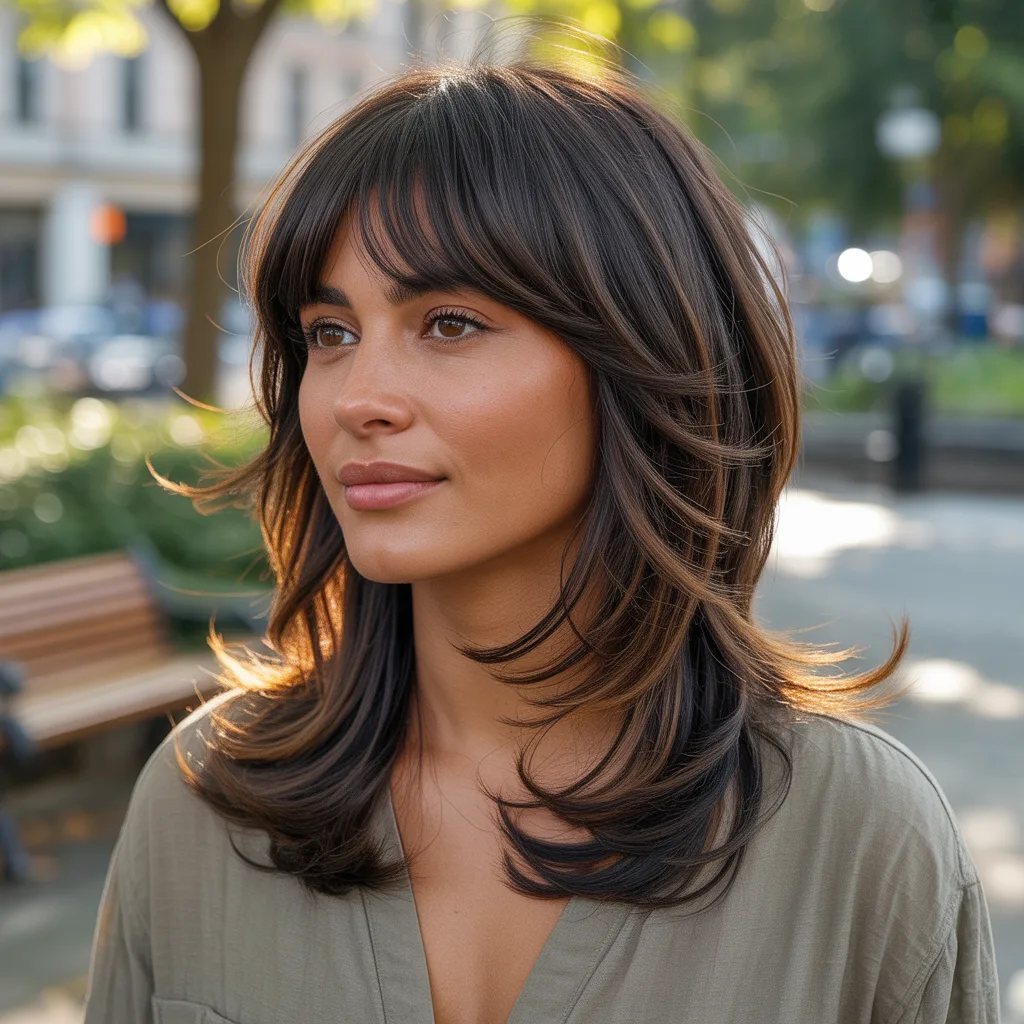
Side-swept bangs in a layered shag add a directional feel to the cut. They work especially well on people who prefer not to style a full fringe.
On a normal setup, these bangs can be pinned back or left down easily. The style gives flexibility depending on the occasion or the day.
18. Low-Maintenance Shag Style
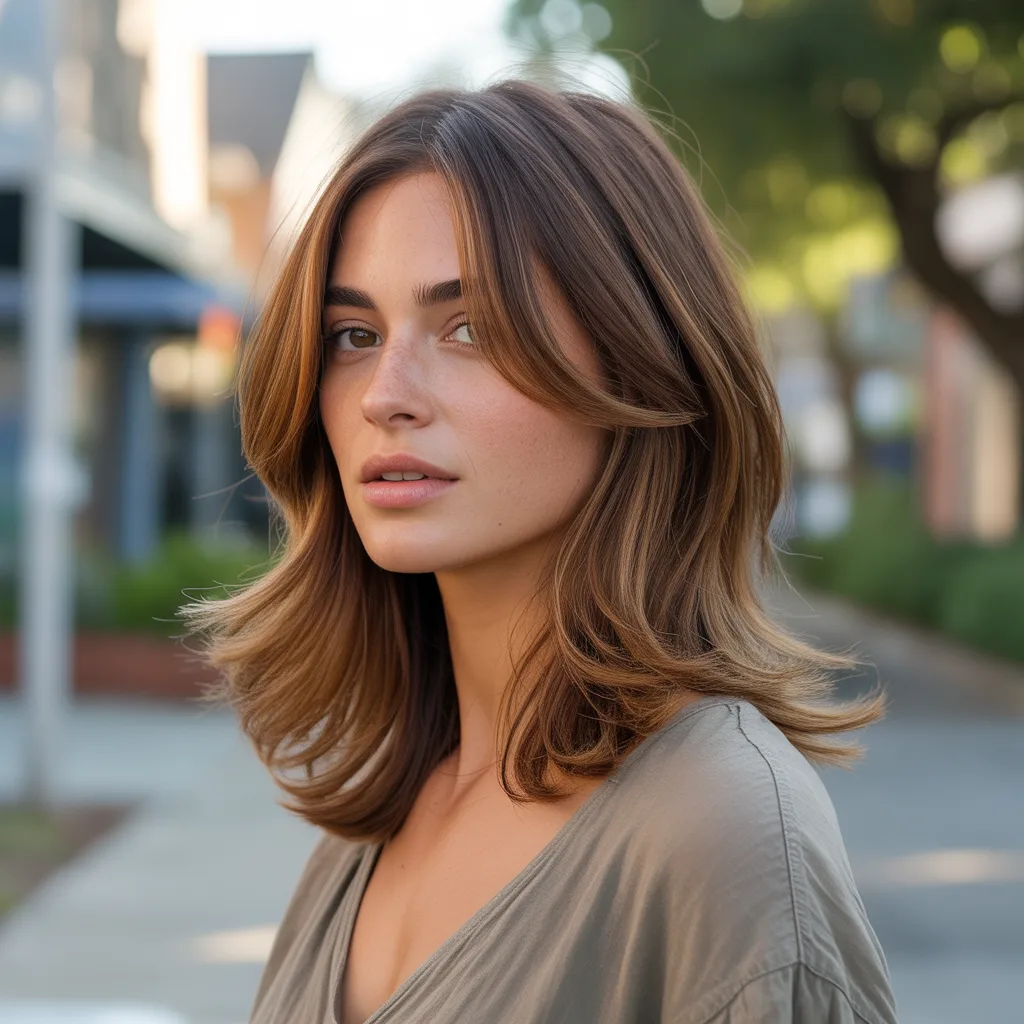
Some cuts in this category are designed for minimal upkeep between visits. The layers are placed in a way that looks intentional even as the cut grows out.
During regular use, this version held its basic shape for up to ten weeks. A small trim at the front layers kept it looking fresh without a full appointment.
19. Razor-Cut Shag Technique
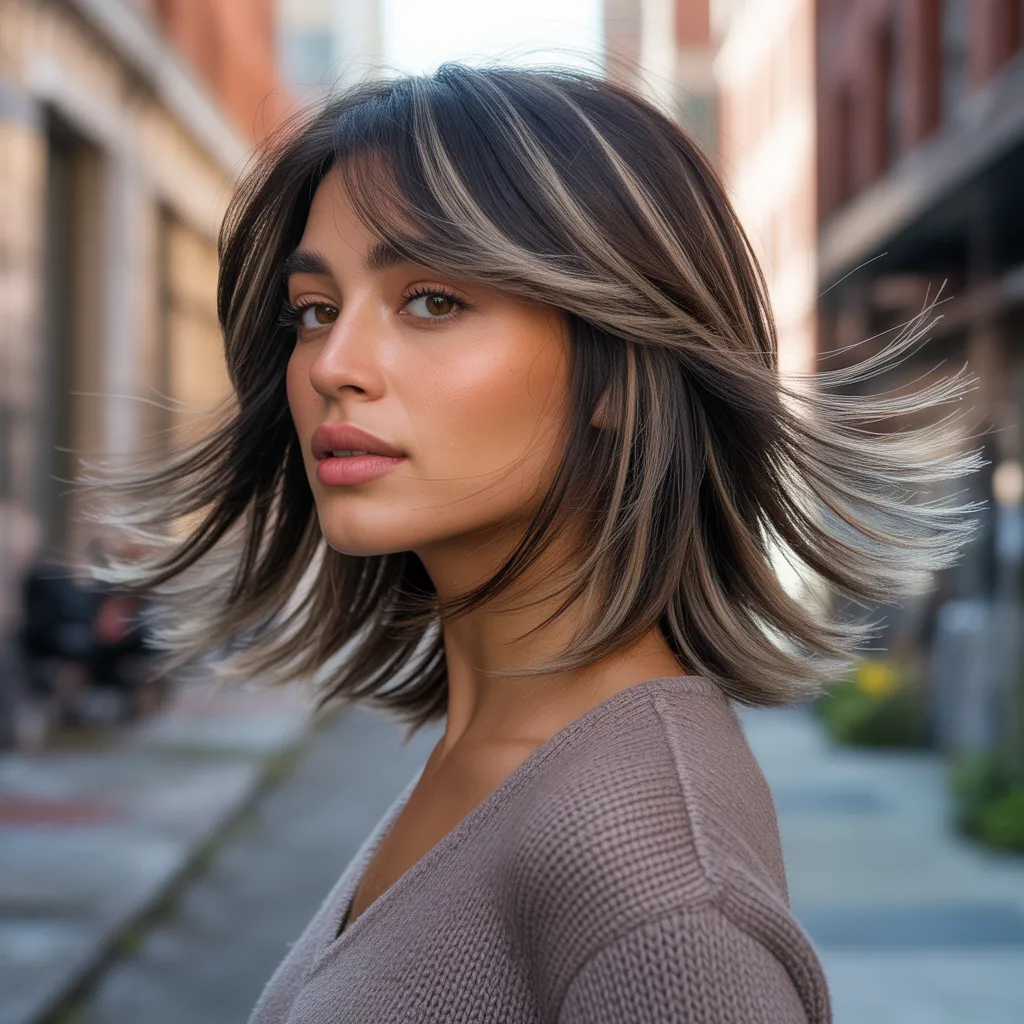
A razor is sometimes used instead of scissors to cut the layers in a shag. This creates thinner, softer ends compared to a blunt scissor cut.
After trying a razor-cut version, the texture felt noticeably lighter than before. It was especially effective on hair that tends to feel heavy at the bottom.
20. Layered Style with Grown-Out Bangs
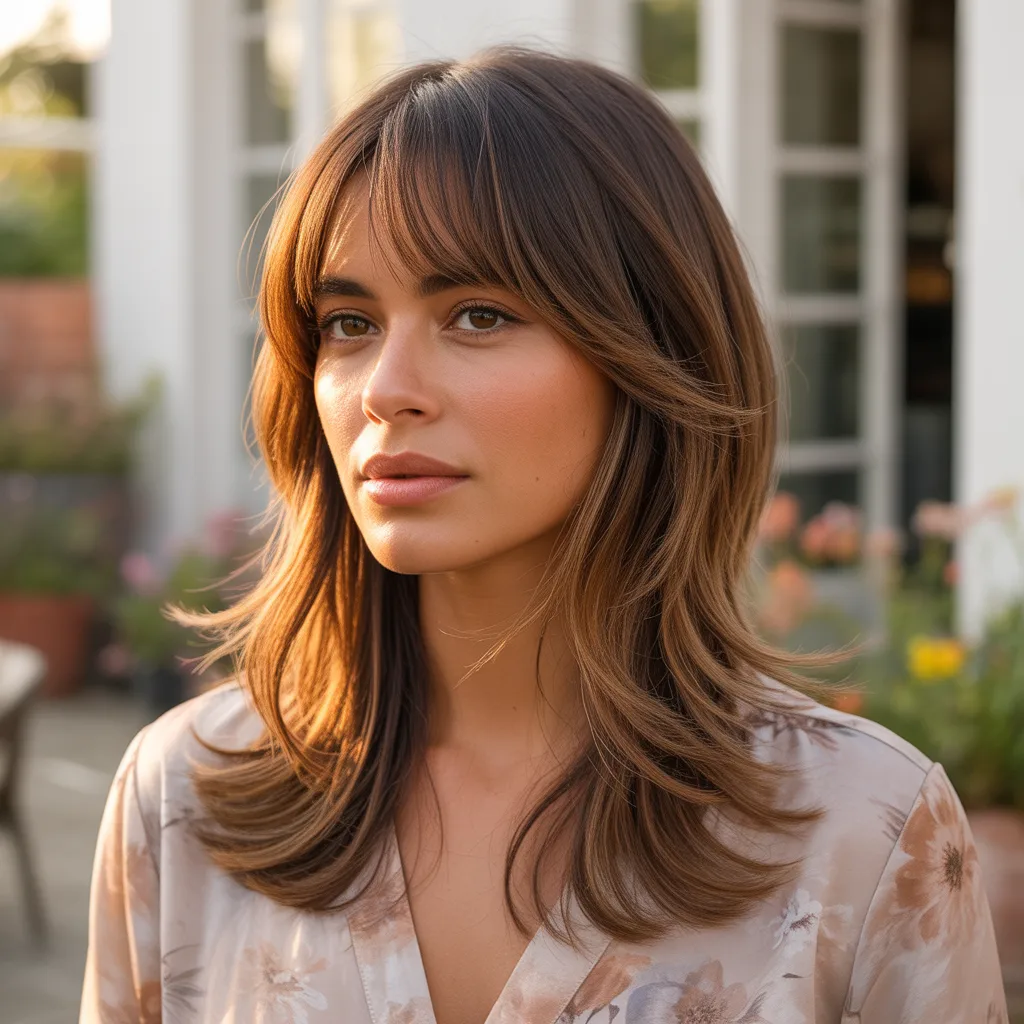
Grown-out bangs blend naturally into the face-framing layers of this cut. This is a common phase many people go through while transitioning styles.
On a normal setup, grown-out bangs can be pinned or styled into the rest of the hair. They usually blend cleanly once they pass the cheekbone length.
21. Beachy Shag Look
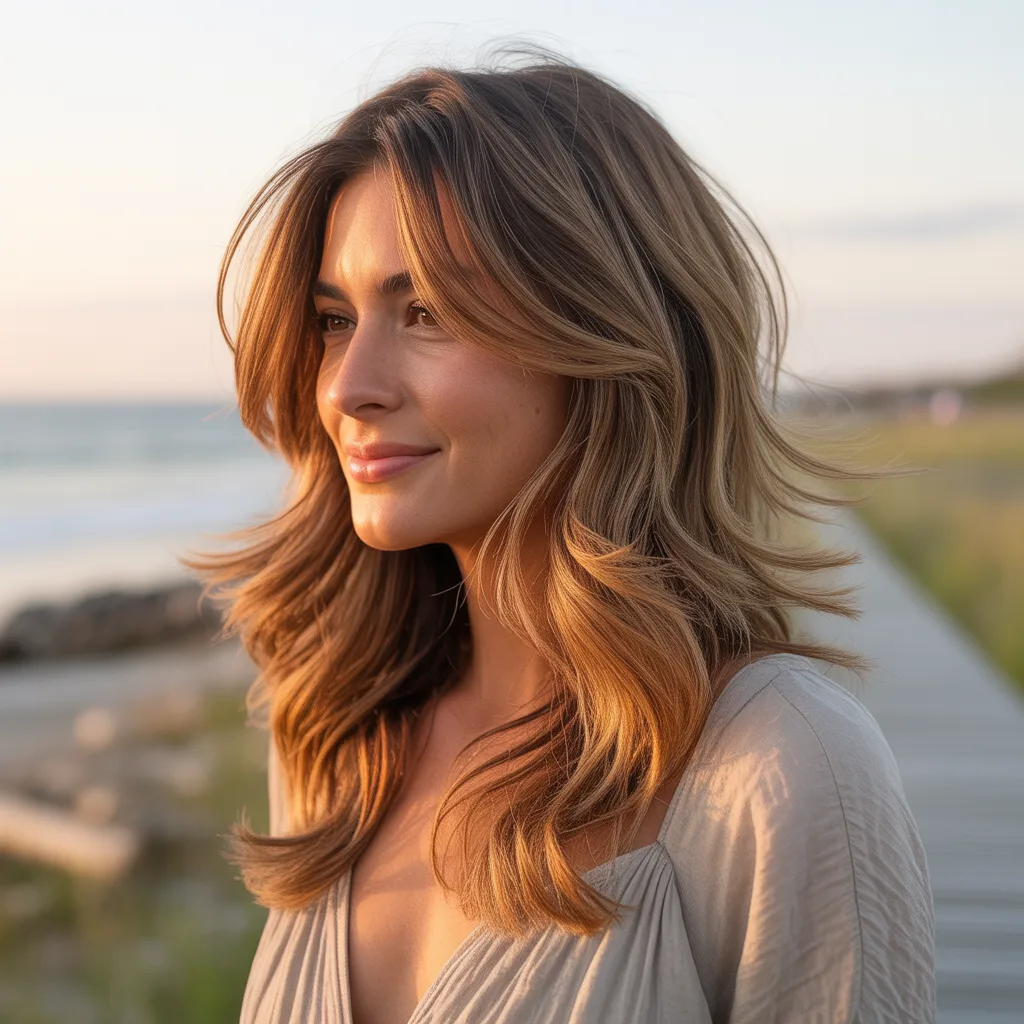
A beachy version of this cut leans into texture and movement over polish. Salt spray is commonly used to enhance the natural wave or movement in the hair.
During regular use, this look works well in humid climates where sleek styles fade. The texture holds up through the day without much touch-up needed.
22. Shag Style for Shoulder-Length Hair
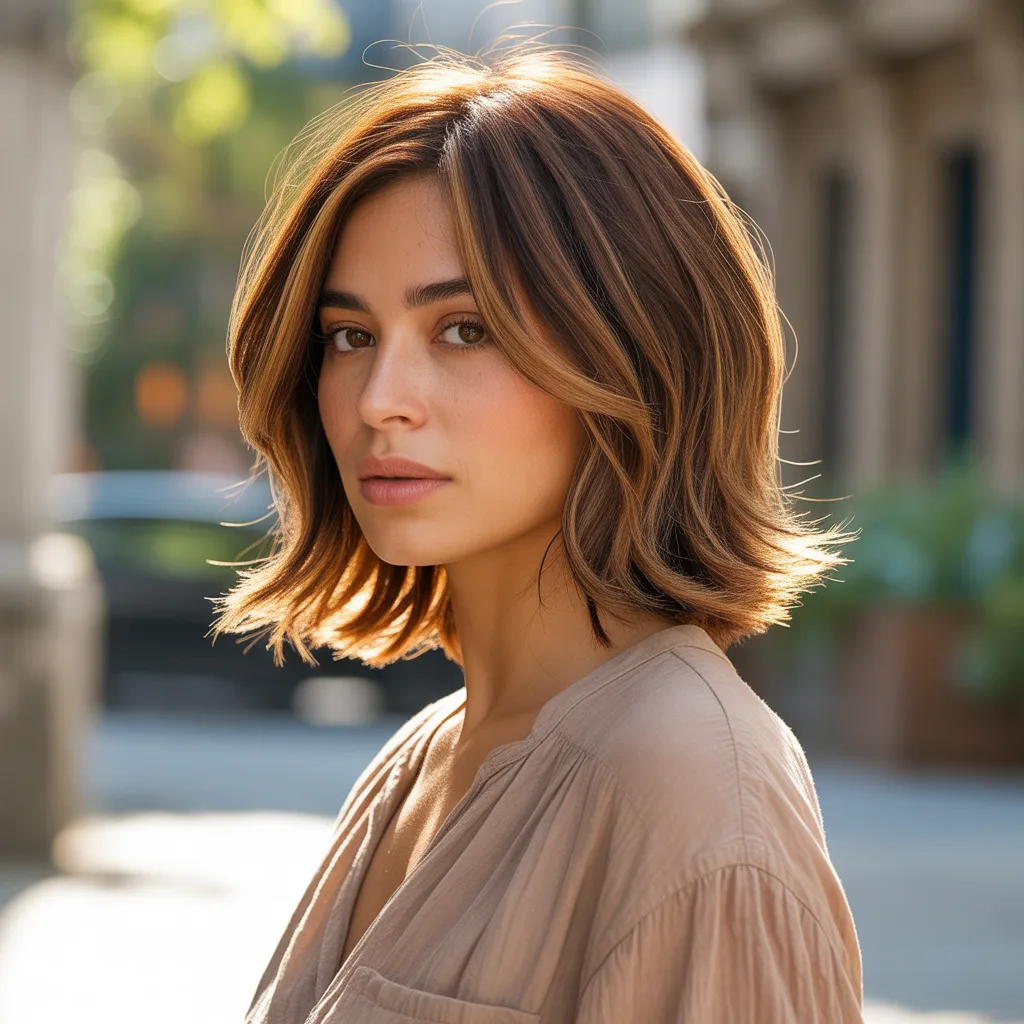
Shoulder-length hair sits at an ideal point for adding shaggy layers. The cut does not lose too much length while still gaining visible texture.
After trying this on shoulder-length hair, the shape improved quickly. The layers gave the cut more personality than a simple one-length style.
23. Dramatic Layer Variation
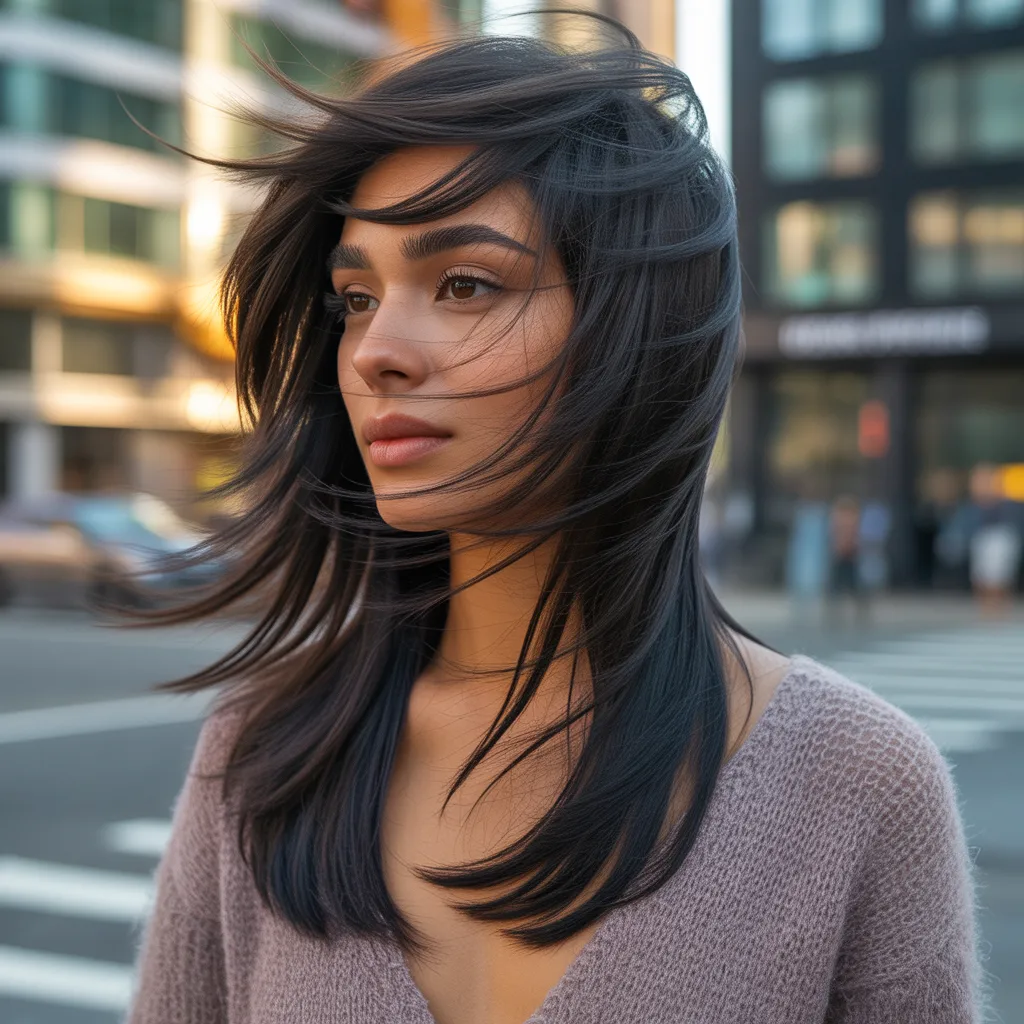
Some versions of this cut use very pronounced layers for a more editorial look. The difference in length between the shortest and longest layers is quite visible.
On a normal setup, this variation is best suited for those comfortable with some styling. A diffuser or light heat tool brings out the layered structure well.
24. Soft and Natural Everyday Shag
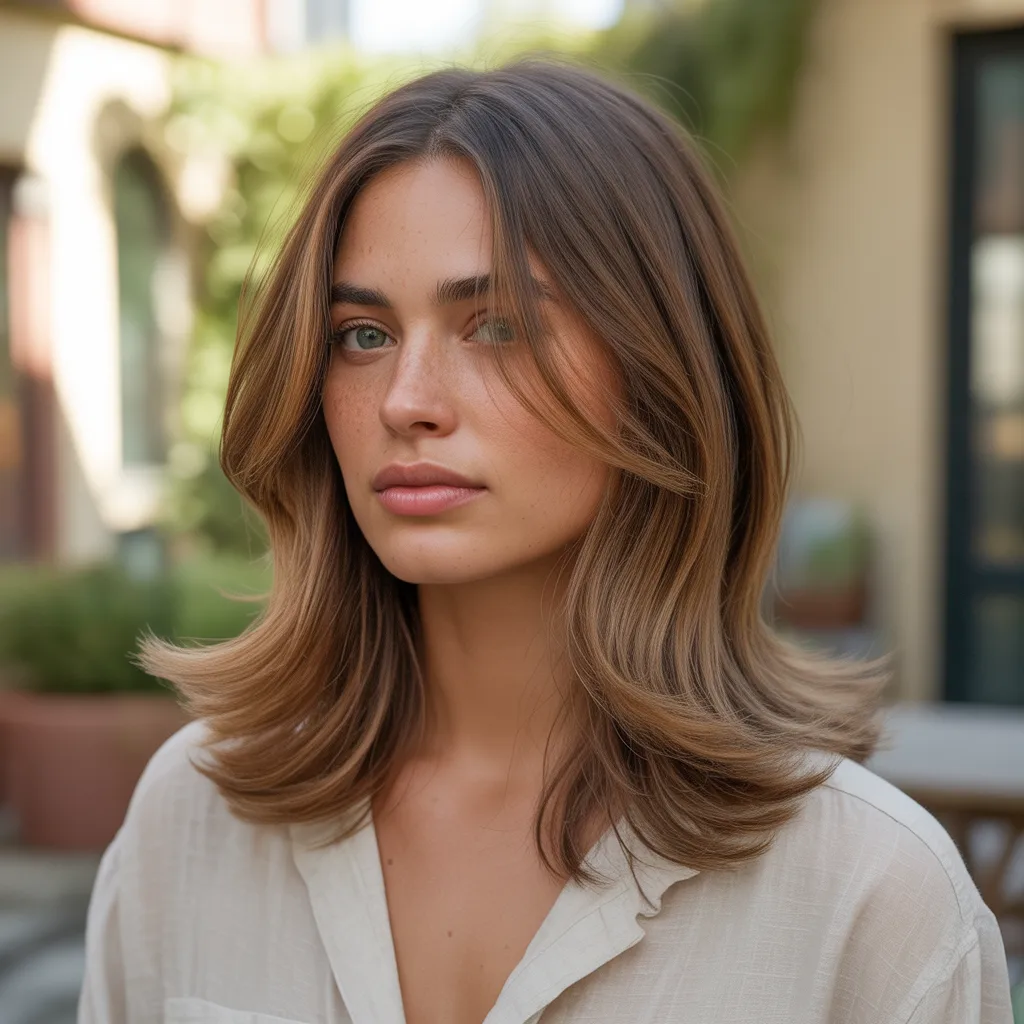
This version prioritizes wearability over a dramatic shape. The layers are subtle enough to look polished even without any styling effort.
During regular use, this style was easy to manage on busy mornings. A quick brush or finger-comb was enough to make it look put together.
25. Personalized Shag Based on Face Shape
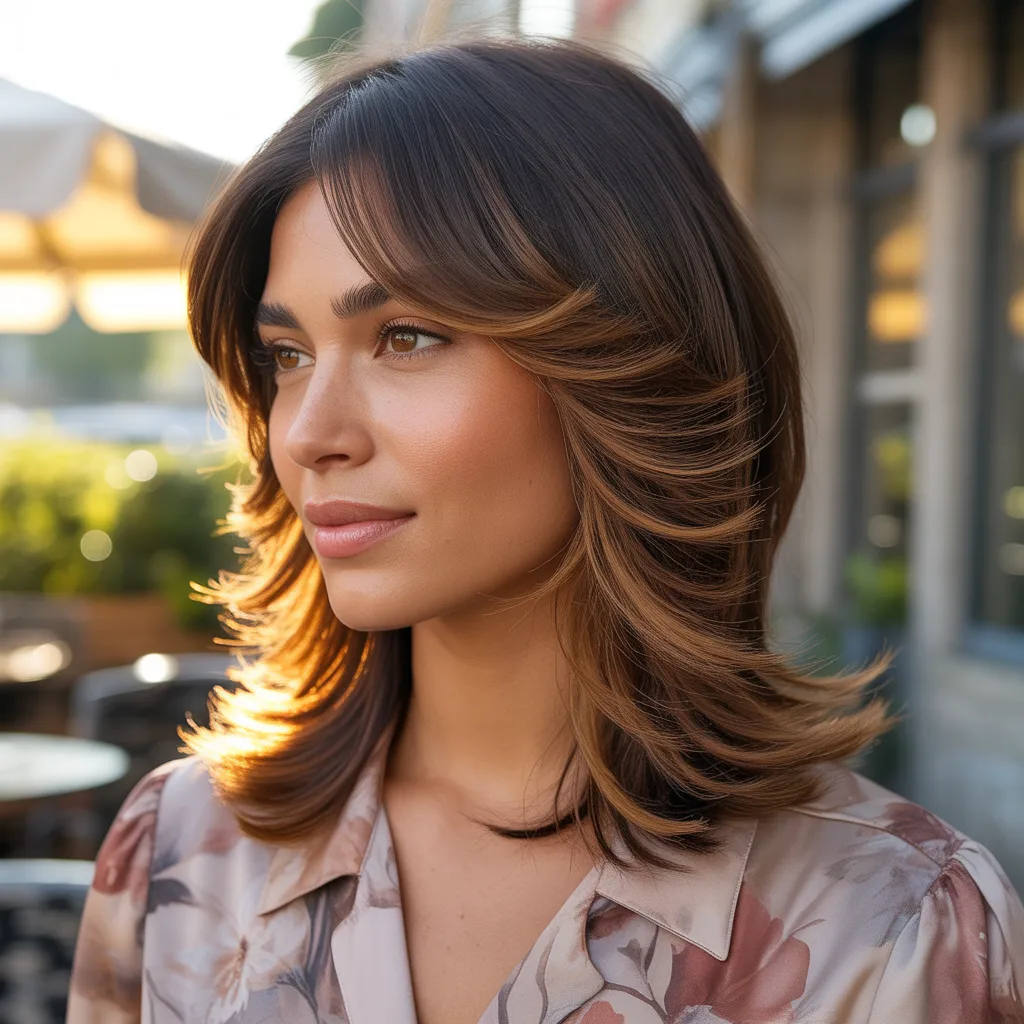
A good stylist will adjust the layer placement based on the face shape. Small changes in where the layers start can make a significant difference in the final look.
After trying a customized version, the result felt more balanced than a standard cut. Discussing face shape with a stylist before the appointment is always worth the time.
Conclusion
The 25 layered styles shown here cover a wide range of preferences and hair types. There is likely a version of the long shag that will suit most people well.
Choosing the right variation depends on personal texture, face shape, and styling habits. A consultation with a trusted stylist makes the final decision much easier.