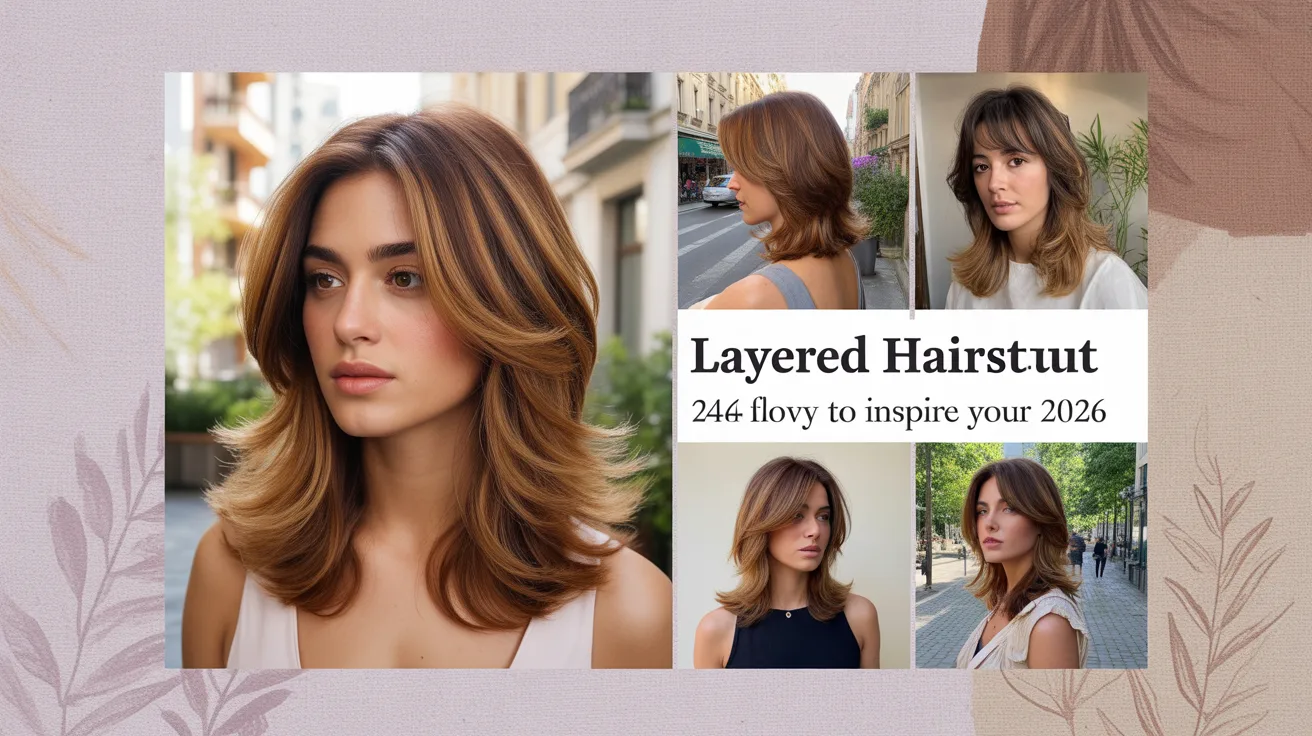
Layered Haircut – 24 Flowy Ideas to Inspire Your 2026 Look
A layered haircut has always been one of the most flexible styling choices available. It works across lengths, textures, and face shapes without demanding too much daily effort. After seeing these styles worn on different hair types, it becomes clear why so many people keep coming back to this approach year after year.
The appeal of layered cuts goes beyond just looks. Movement is added without sacrificing density, and the overall shape stays full even as the ends feel light. These 24 flowy ideas have been gathered to help anyone explore what a layered approach can genuinely do for their hair.
1. Classic Long Layered Haircut for Flowing Results
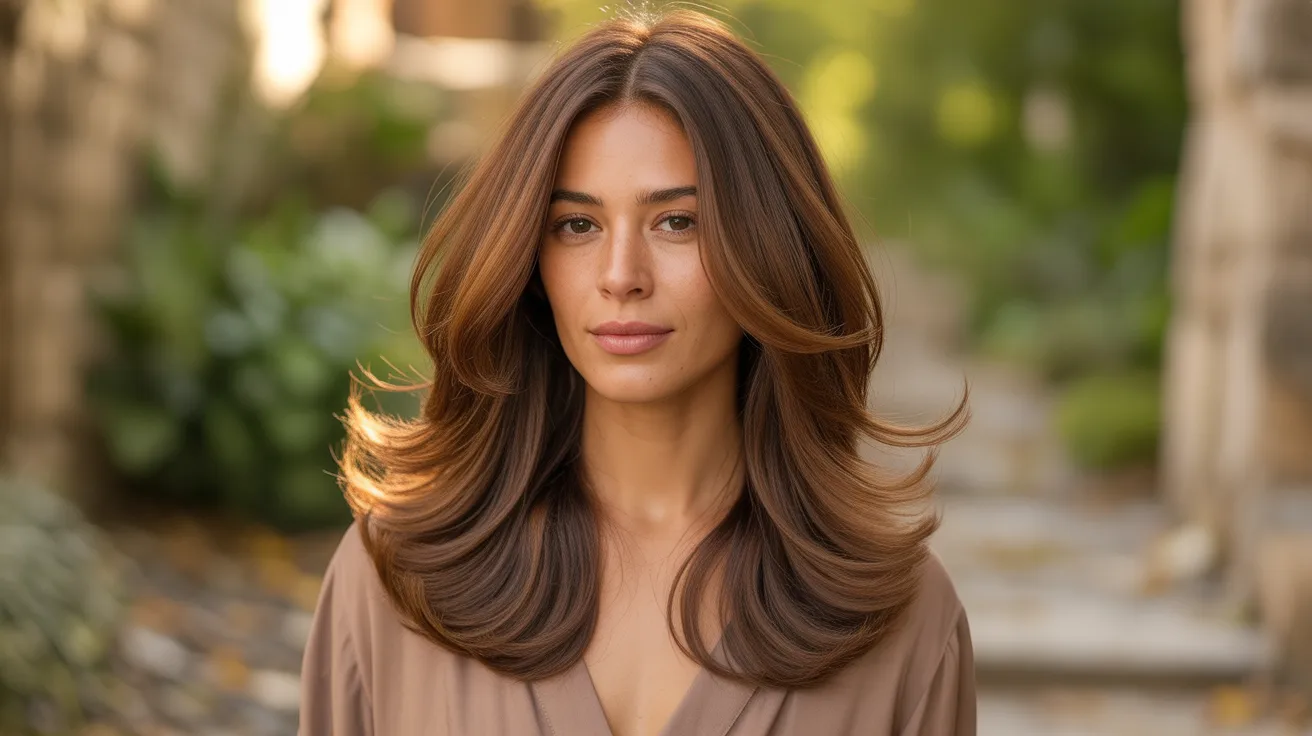
Long hair benefits greatly from a classic layered haircut when the goal is natural movement. Face-framing pieces fall softly, the ends feel light rather than heavy, and the overall silhouette stays full without appearing bulky. During regular use, this style holds its shape well even without much product. It tends to work best on straight and slightly wavy textures where the layers can move freely and catch light at different angles across the length.
The longer the hair, the more dramatic the flow becomes when layers are added. On hair that reaches past the shoulders, this approach creates a waterfall-like movement that is easy to air dry naturally. Volume is not removed in this process but redirected so that it sits around the face rather than pulling straight down. A slight trim every eight to ten weeks is enough to keep this version looking clean and intentional without losing the overall length.
2. Effortless Waves with Layered Ends
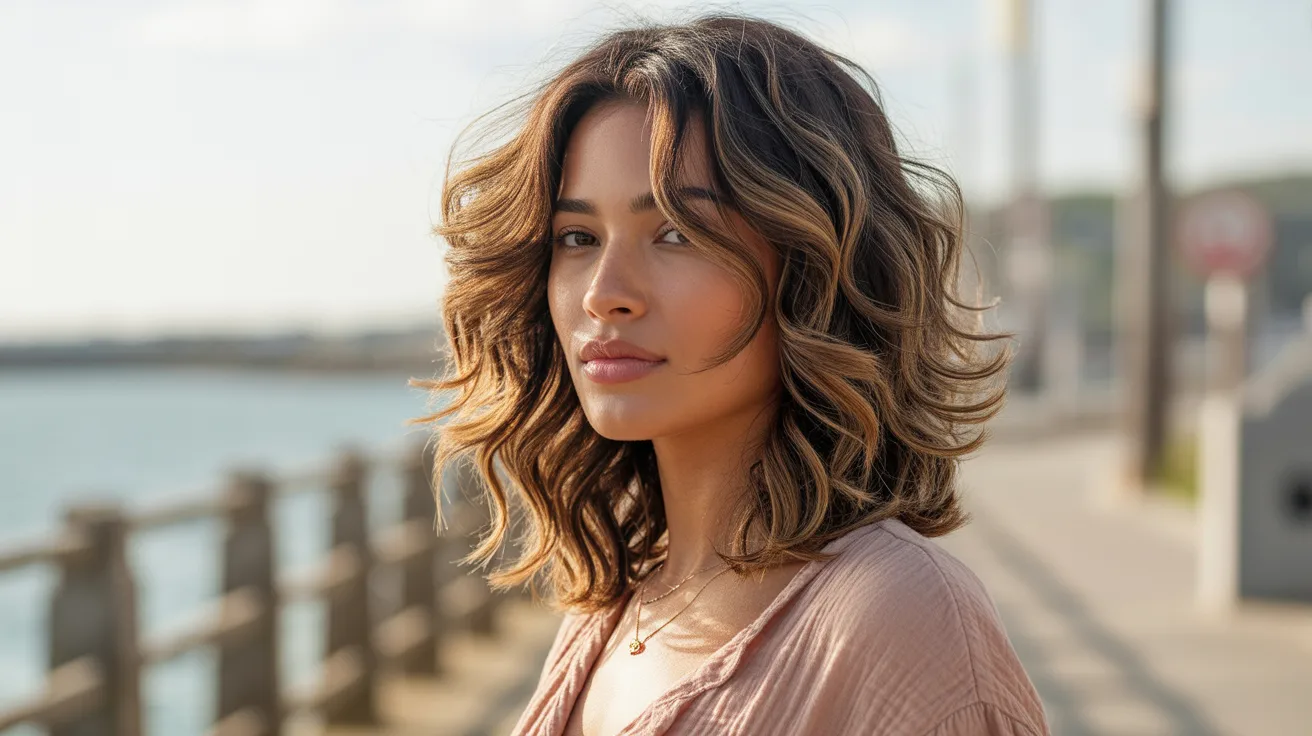
Wavy hair and layered ends are a natural combination that rarely disappoints. When the ends are cut at slightly different lengths, each wave has room to curl independently rather than being weighed down by a single blunt line. This detail makes a noticeable difference when the hair is left to dry without heat. On a normal setup, this style tends to air dry into soft, defined waves with minimal effort and no frizz-reducing products needed.
The texture of wavy hair tends to hold a layered shape well between trims. Because each wave section sits at its own natural angle, the layers remain visible even as the hair grows out slightly. This style tends to age gracefully between salon visits, which makes it a practical choice for people with busy routines. A light sea salt spray applied to damp hair brings out the wave pattern and makes the individual layers more visible throughout the day.
3. Short Layered Haircut with Soft Fringe
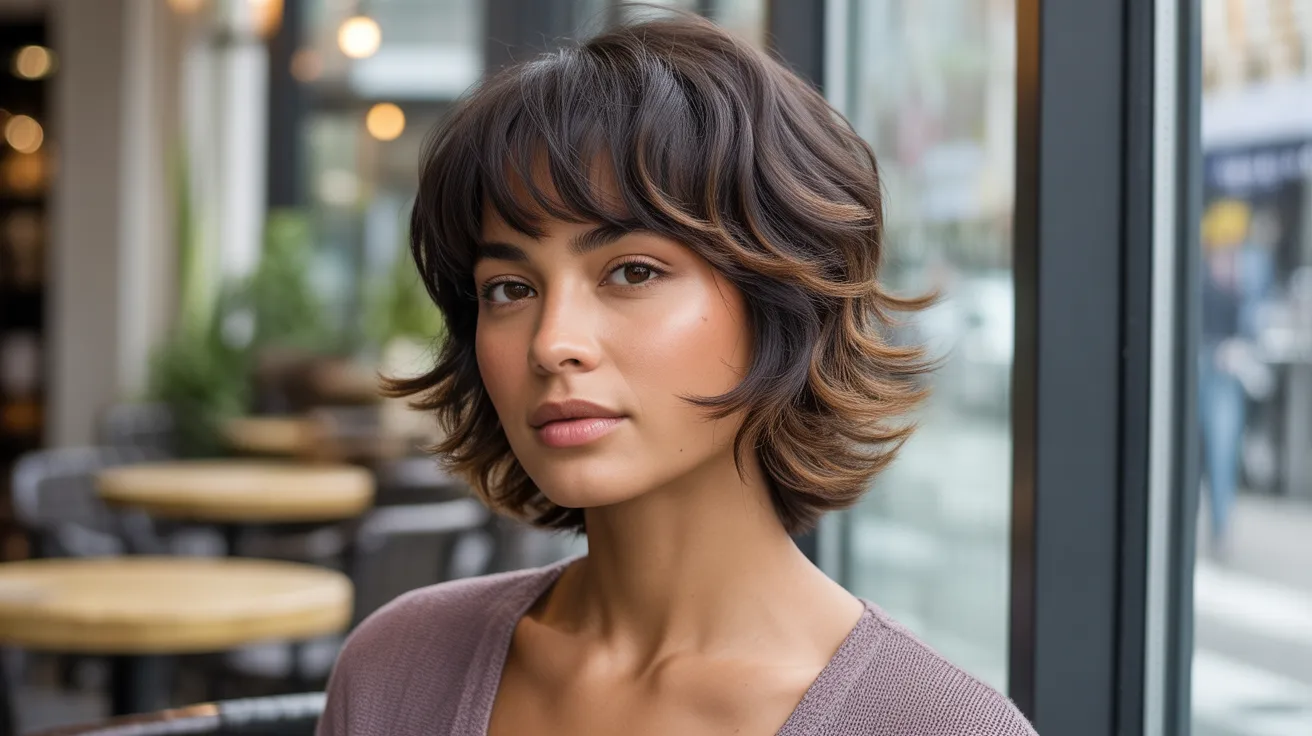
A short layered haircut takes on a completely different character when a soft fringe is added at the front. The fringe frames the face at eye level while the layers behind it add texture and movement to the rest of the cut. After trying this combination on fine hair, the result appeared fuller and more dimensional than expected. The fringe does not need to be perfectly straight to work well here — a slightly wispy, uneven edge actually blends better with the layered sections behind it.
This version of the cut suits those who want a short style without the harshness that blunt cuts can sometimes create. Layers soften the edges and prevent the cut from looking too severe around the ears and neckline. On a normal setup, this style can be maintained with a flat iron run through the fringe and fingers run through the layers. The combination keeps everything looking intentional and polished without requiring a complicated morning routine or multiple styling tools.
4. Layered Bob with Textured Ends
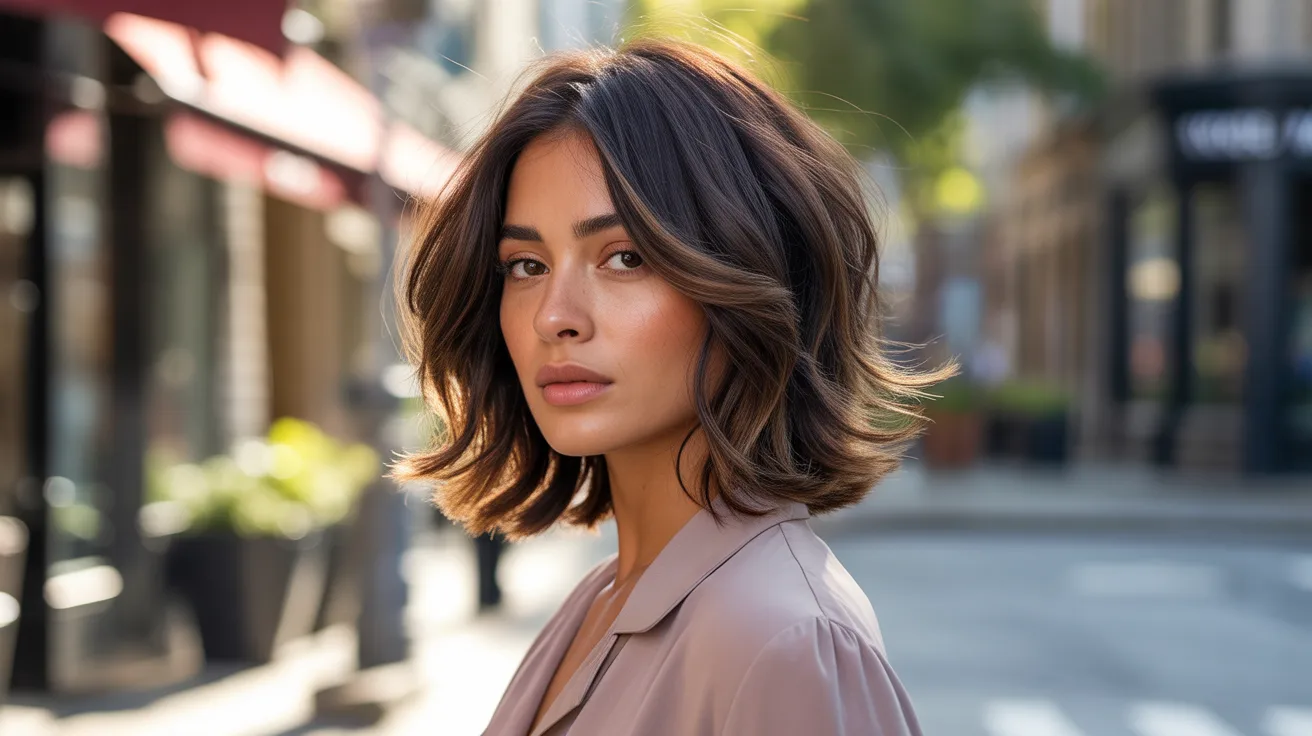
The layered bob has remained popular for good reason — it combines the ease of short hair with the texture and movement that layers provide. Ends are cut at varied lengths so that the bob does not sit flat against the neck. This detail gives the cut a slightly tousled quality that feels natural rather than overly styled. A layered haircut in this format tends to look particularly good on medium to thick hair where there is enough density to support the shape at a shorter length.
When this style is worn, the nape area stays clean while the top layers add softness to the overall silhouette. Heat styling is optional rather than necessary here, which is a genuine advantage for daily wear. A round brush used during blow-drying adds a slight curve to the ends and lifts the layers at the crown slightly. Without any heat, the bob still holds a clean shape that works for both casual and more put-together settings throughout the week.
5. Layered Haircut for Thick Hair with Volume
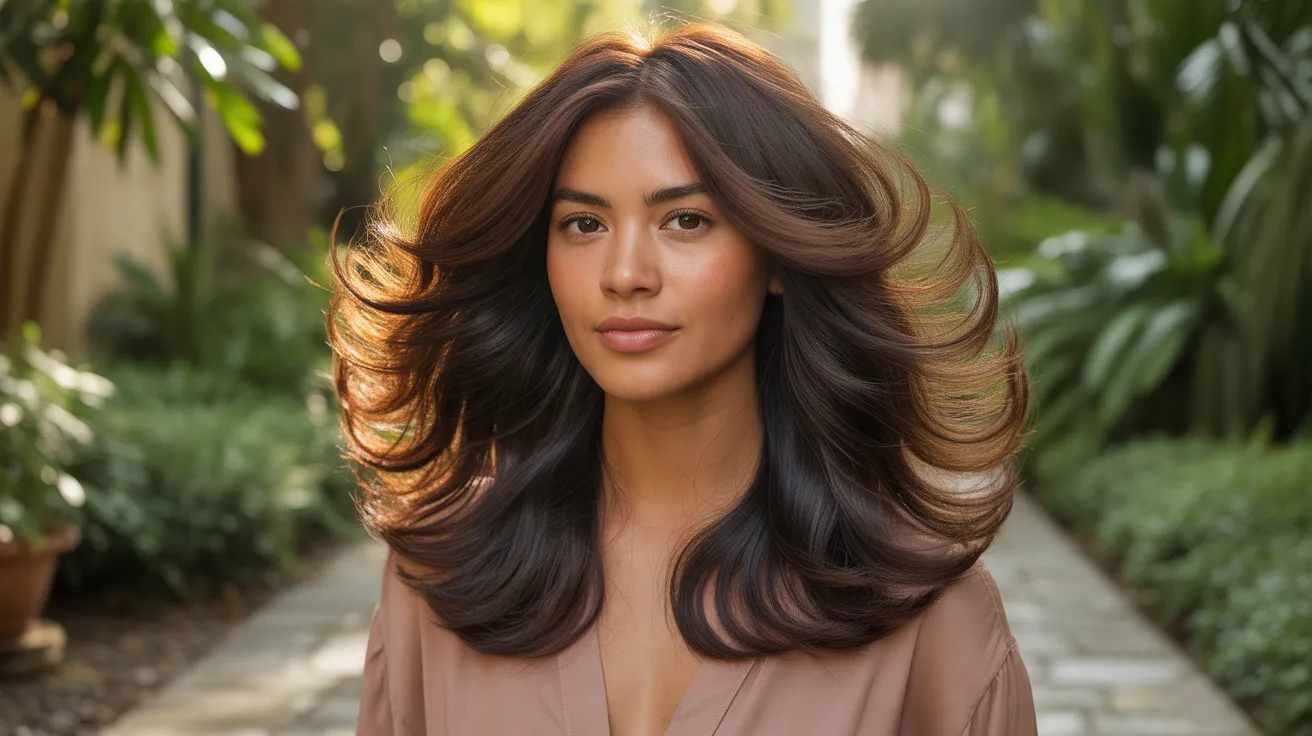
Thick hair can feel unmanageable without the right approach, and a layered haircut helps distribute the density more evenly across the head. Weight is removed from the mid-length and ends rather than from the roots, which keeps the overall shape full at the crown without becoming heavy at the bottom. During regular use on thick hair, this technique prevents the rounded, mushroom-like shape that often appears when thick strands are cut bluntly without any internal texture.
The difference in thickness is felt immediately after this type of cut is done. Hair dries faster, sits flatter at the back, and moves more freely throughout the day. A medium-hold cream applied through the mid-lengths after washing is enough to define the layers and keep the ends from expanding outward in humid conditions. On thick hair specifically, the layers need to be cut with vertical sections to ensure the weight reduction is even rather than patchy, so communicating this to the stylist before the cut begins makes a real difference.
6. Curtain Bangs with Long Flowing Layers
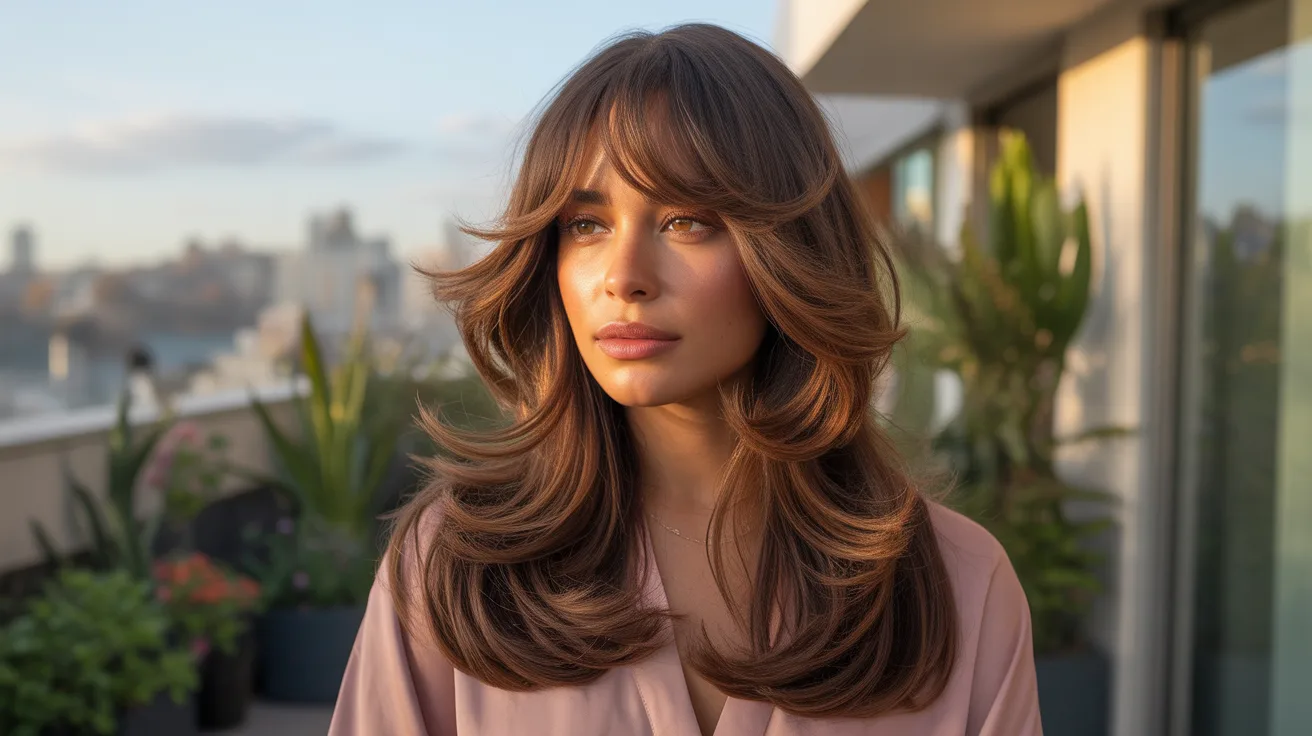
Curtain bangs paired with long flowing layers create one of the most recognizable and widely flattering combinations in modern haircuts. The bangs fall softly on either side of the forehead, framing the face without covering the eyes. The layers behind them add continuity and movement that ties the whole style together from front to back. After trying this combination on straight hair, the overall look appeared lighter and more effortless than styles without the fringe addition at the front.
The maintenance involved in this version is manageable compared to other bang styles. Curtain bangs grow out naturally into the face-framing layers behind them, which means the transition between trims is gradual and still looks intentional. A small round brush and a blow dryer set on medium heat are enough to shape the bangs away from the center and toward each temple. Once set in that direction, they tend to hold throughout the day with minimal restyling needed even in higher humidity conditions.
7. Medium Layered Haircut with Face-Framing Pieces
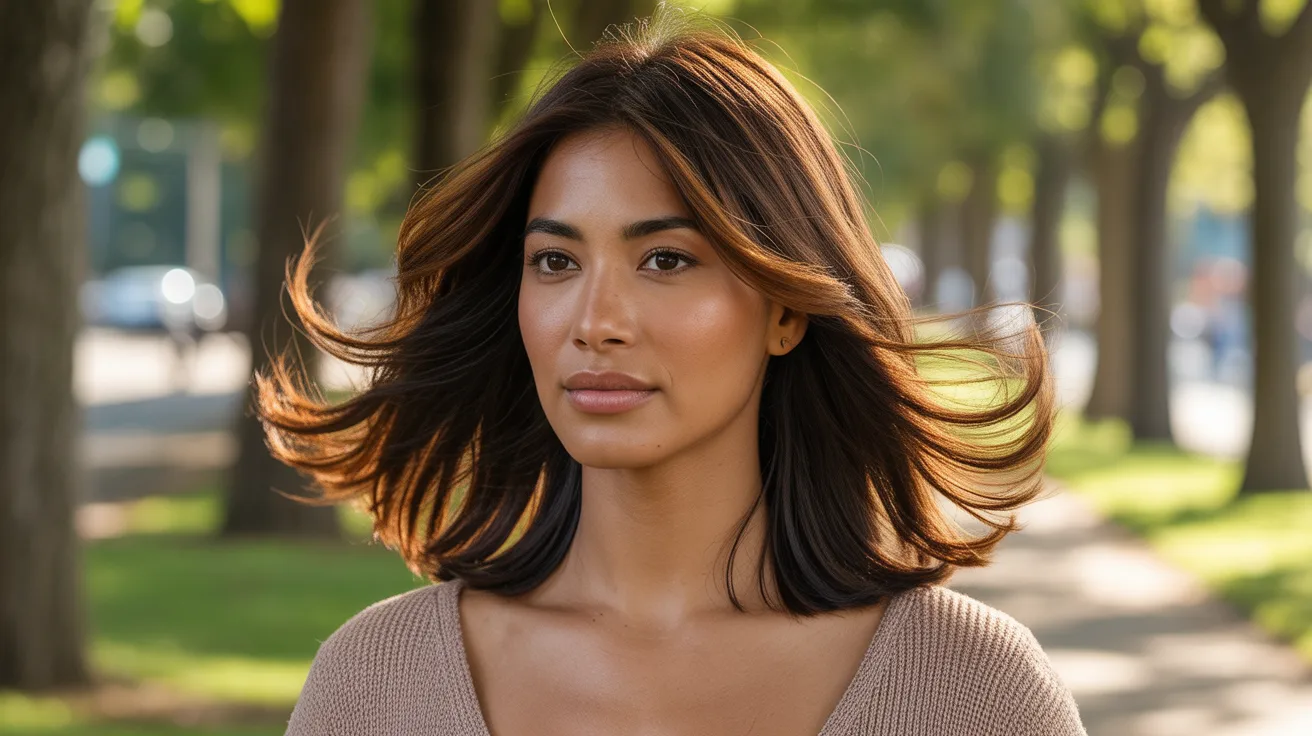
A medium layered haircut becomes significantly more flattering when face-framing pieces are added at the front. These pieces are shorter than the rest of the layers and fall along the cheeks, softening the jaw and drawing attention upward toward the eyes. On a normal setup, this detail was noticed to make a meaningful difference in how the overall style appeared, especially when the rest of the hair was pulled back loosely. The face shape looked more balanced and refined without any product or additional styling.
The medium length is particularly well-suited to layering because there is enough length for the layers to show clearly while the cut remains easy to manage daily. A blowout with a medium paddle brush adds body to the layers and keeps the face-framing pieces smooth rather than frizzy. For those who prefer air drying, a lightweight leave-in conditioner applied before the hair dries helps define each layer individually. This prevents the mid-length from becoming shapeless as it dries naturally throughout the morning.
8. Feathered Layers with Soft Movement
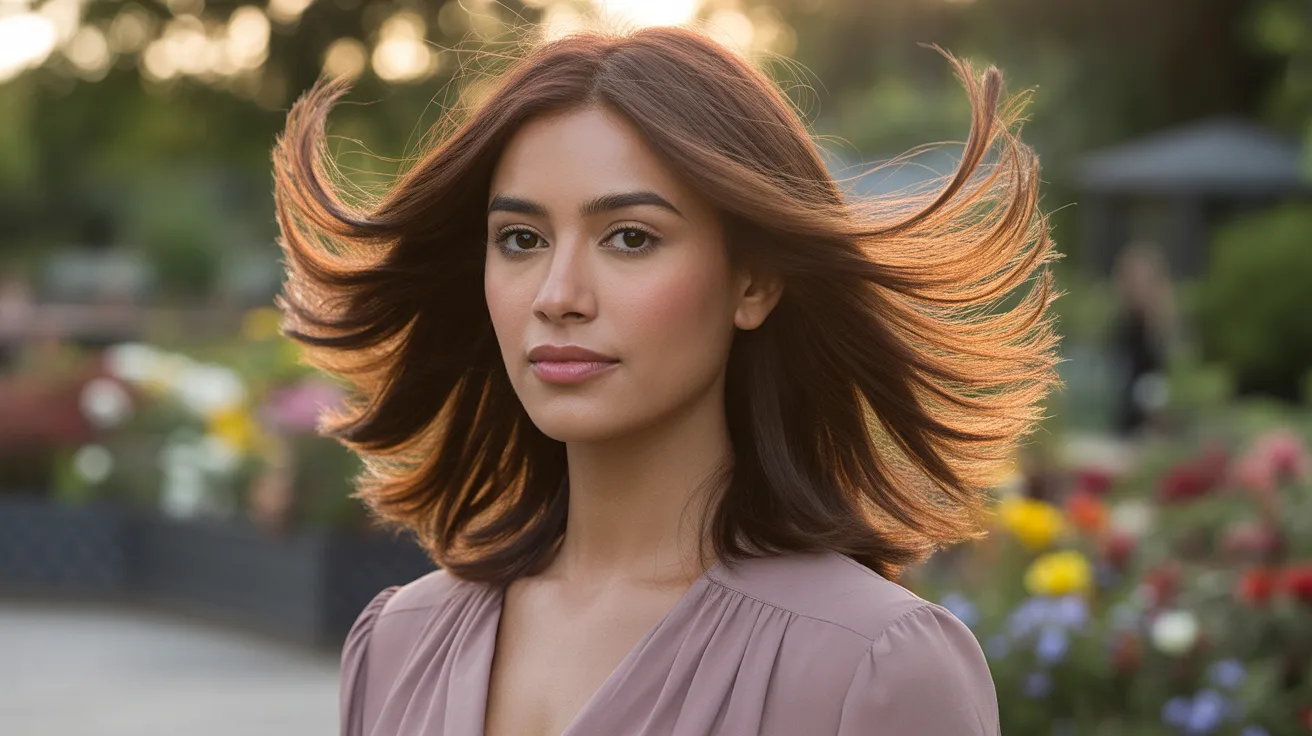
Feathered layers refer to cuts where the ends are thinned and tapered rather than cut straight across, giving a light, feather-like finish to each section. This approach creates the most movement of any layered technique because the ends are free to lift and separate individually with even the slightest breeze. After seeing this cut on medium-length hair in person, the motion it created while walking was noticeably more dynamic than cuts with heavier, blunter ends at the same length.
This style works well on most hair types but performs best on straight and lightly wavy hair where the feathering can remain visible rather than being absorbed into a curl pattern. A wide-tooth comb used on slightly damp hair keeps the layers separated and defined as the hair dries. Styling products are not strictly necessary, but a small amount of glossing serum applied to the ends adds shine that makes the feathered tips more visible in natural light. The overall effect is airy, clean, and well-suited to long and medium lengths alike.
9. Layered Haircut for Curly Hair with Bounce
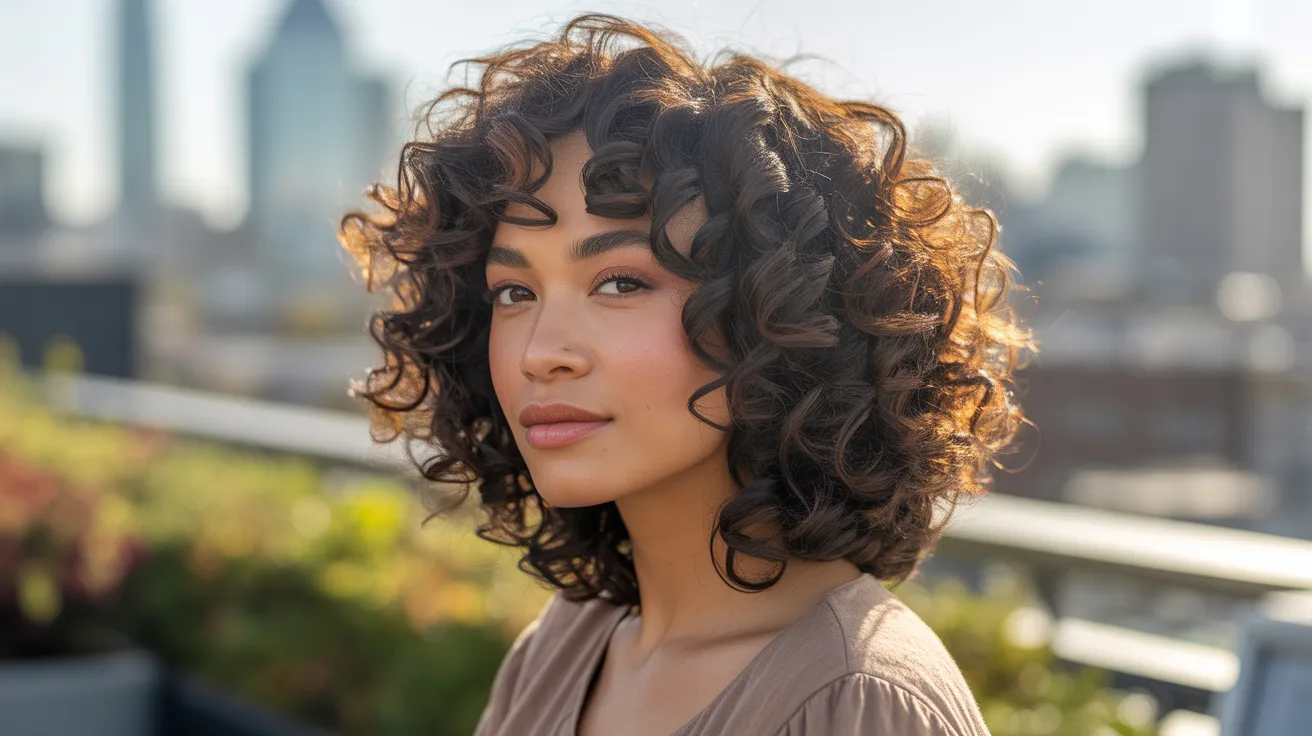
A layered haircut on curly hair requires a specific cutting technique to preserve the curl pattern while removing weight. When curls are cut with layers while dry, each section can be evaluated at its natural curl diameter rather than being stretched by moisture or gravity. During regular use, this approach was found to maintain curl integrity far better than cuts done on wet hair, which tend to result in unexpected shrinkage and uneven lengths once dry. The bounce and definition that follow a dry-cut layered approach are noticeably improved.
Curly hair benefits from having longer layers rather than very short ones, as shorter layers can create a triangular shape that widens at the bottom rather than tapering softly. Longer layers placed through the mid-section and ends allow the curls to stack and coil independently without being compressed by the weight of the hair above them. A curl-defining cream applied section by section after washing helps each layer hold its shape through drying. Diffusing on low heat rather than air drying reduces frizz and encourages each curl layer to stay separated and defined.
10. Beachy Layers with Sun-Kissed Dimension
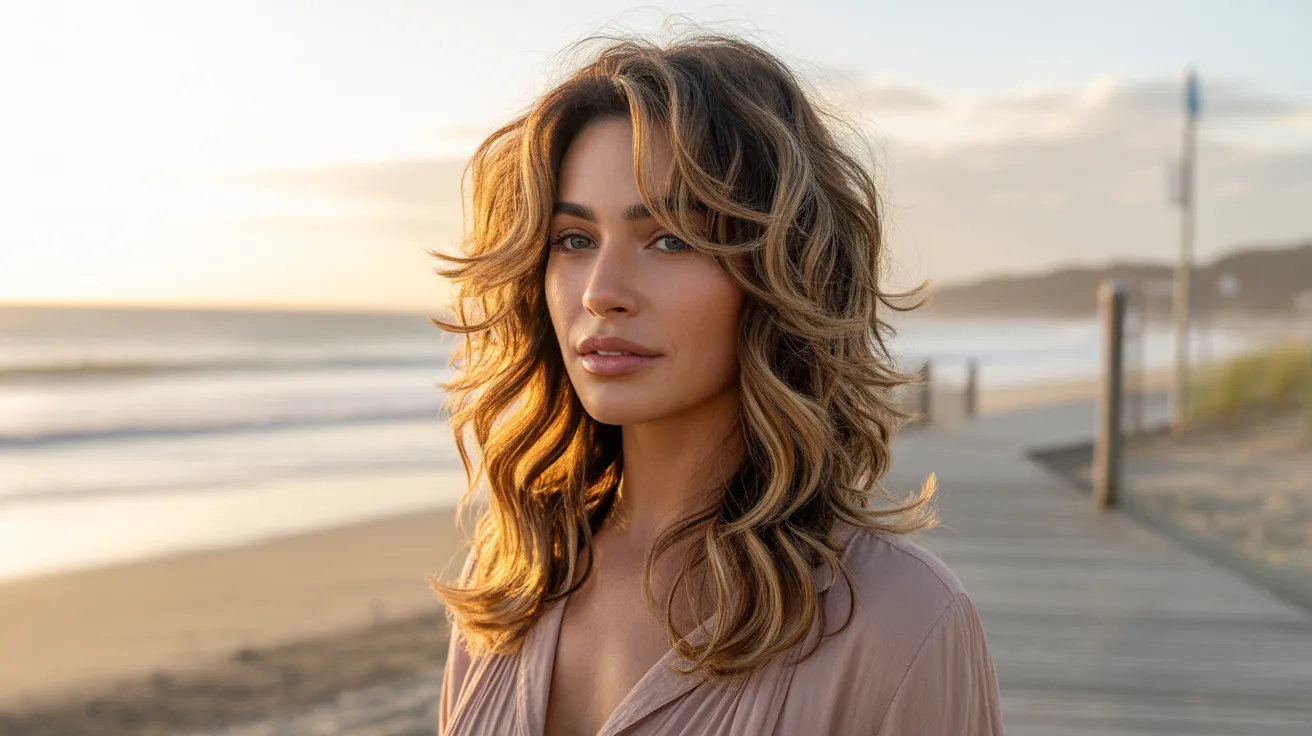
Beachy layers are cut with slightly more randomness in the length variation, which mimics the texture that sun and salt water naturally create over time. This look is less structured than a traditional layered cut and more relaxed in its overall shape. On a normal setup, this style was found to be the easiest to maintain between appointments because the lack of precision actually works in its favor — slight growth does not make the cut look unfinished. A layered haircut in this relaxed format suits those who prefer a lived-in, natural appearance.
Pairing beachy layers with a light color treatment adds depth and makes the layers more visible. Highlights placed through the mid-lengths and ends draw attention to where the layers begin and end, adding visual dimension without needing to change the cut itself. A texturizing spray applied to dry hair enhances the separation between layers and gives the hair a slightly tousled finish. This combination of cut and color is low-maintenance and adaptable to both straight and wavy hair textures without requiring daily restyling.
11. Soft A-Line with Inner Layers
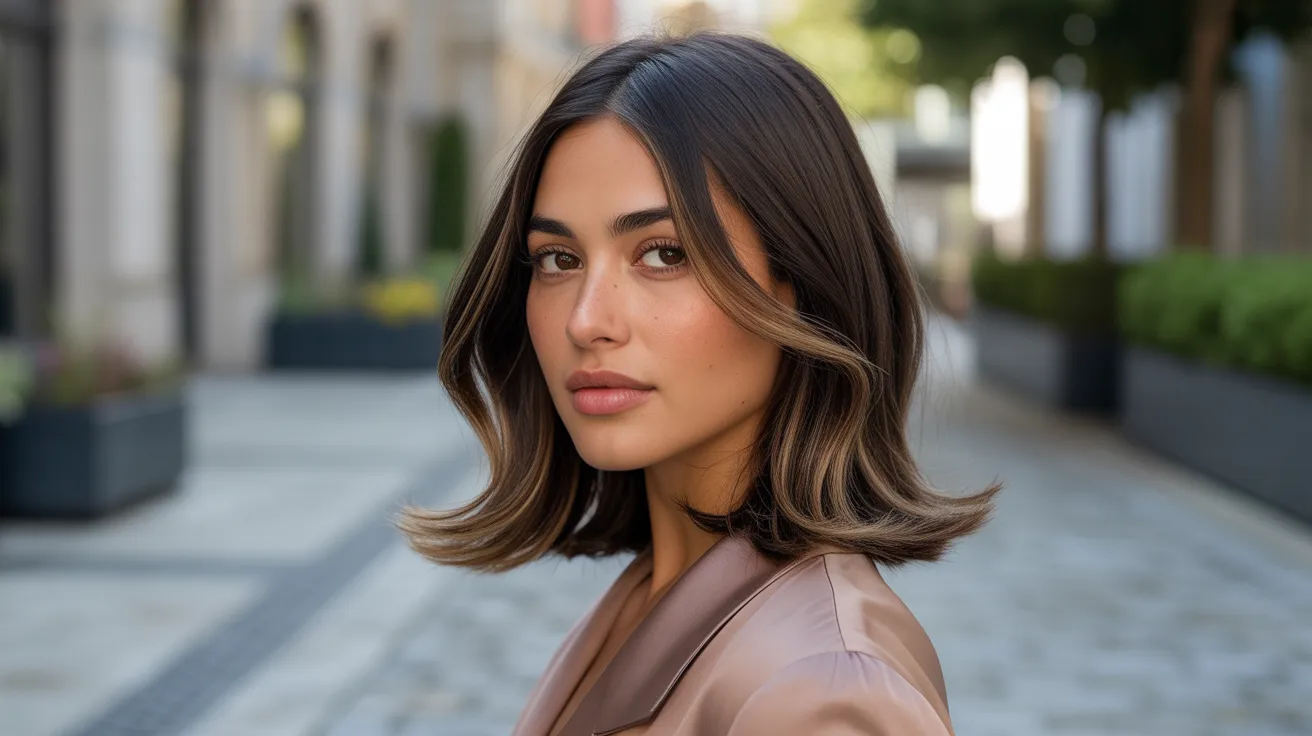
The A-line shape features shorter hair at the back that gradually lengthens toward the front. When inner layers are added to this base shape, the exterior line stays clean while the interior movement is enhanced. This combination prevents the A-line from sitting too flat and heavy on the back of the head, which is a common issue with purely blunt versions of this cut. After trying this version on medium-thick hair, the shape appeared more dynamic and less severe than expected from a typically geometric cut.
Inner layers in an A-line cut are placed underneath the top sections, so they are not immediately visible but contribute significantly to how the hair moves and sits throughout the day. The underneath sections become lighter, allowing the top layers to drape more naturally over them. A blow dryer with a diffuser attachment used on the nape area encourages the inner layers to lift slightly rather than lying completely flat. This subtle lift underneath gives the exterior line more dimension and prevents the back from looking overly dense compared to the lighter front sections.
12. Layered Haircut for Fine Hair with Texture
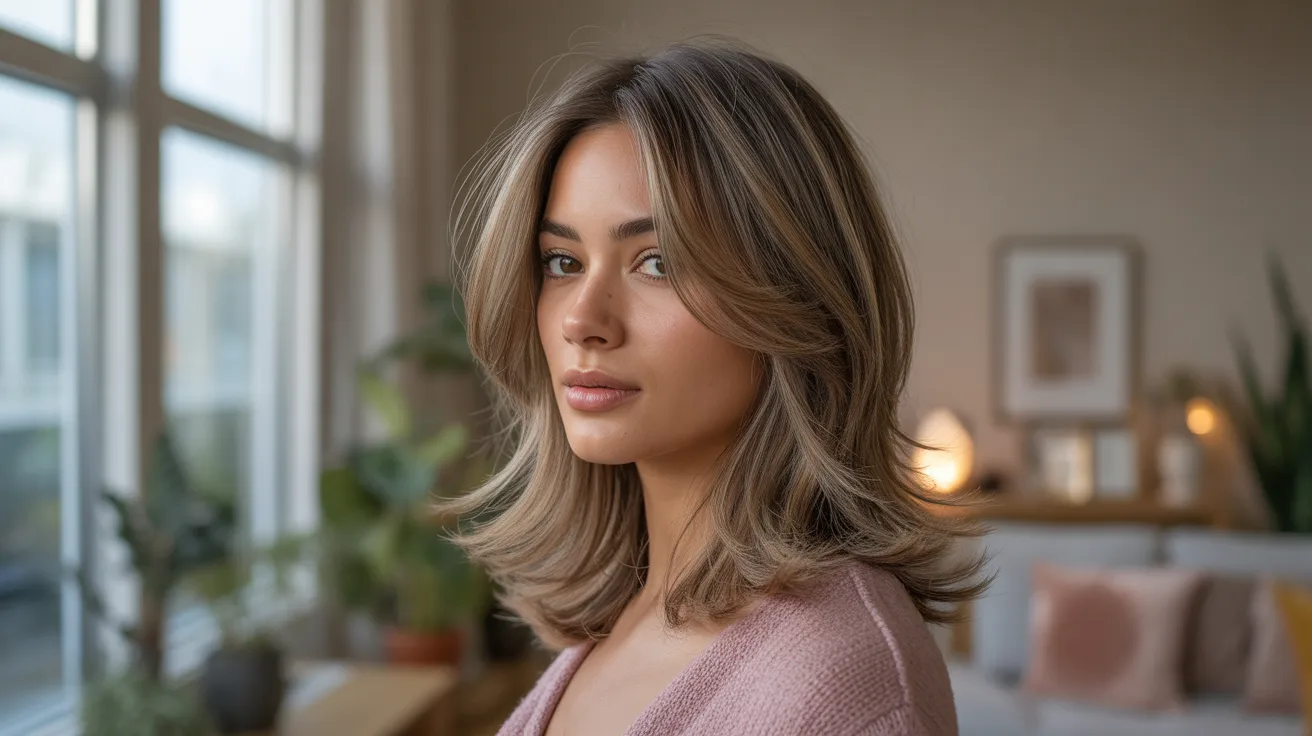
Fine hair benefits enormously from a layered haircut because layers create the illusion of density without requiring the hair to actually be thicker. When individual strands are placed at different lengths, they overlap in a way that appears voluminous to the eye. During regular use on fine hair, a layered approach was found to double the perceived fullness without any volumizing products. The key is ensuring the layers are not cut too thin or too short, as this can make fine hair appear even more sparse rather than fuller.
A small amount of root-lifting spray applied before blow-drying locks in additional volume at the crown and supports the layers through the day. Fine hair tends to fall flat by early afternoon without this type of support, particularly in warmer weather or humid conditions. The layered structure creates natural resting points that slightly interrupt the flat-fall pattern and keep the style looking maintained longer. Trimming every six to eight weeks prevents the layers from blending into each other as the hair grows, which maintains the textural effect that makes fine hair look thicker than it actually is.
13. Romantic Layers with Loose Curls
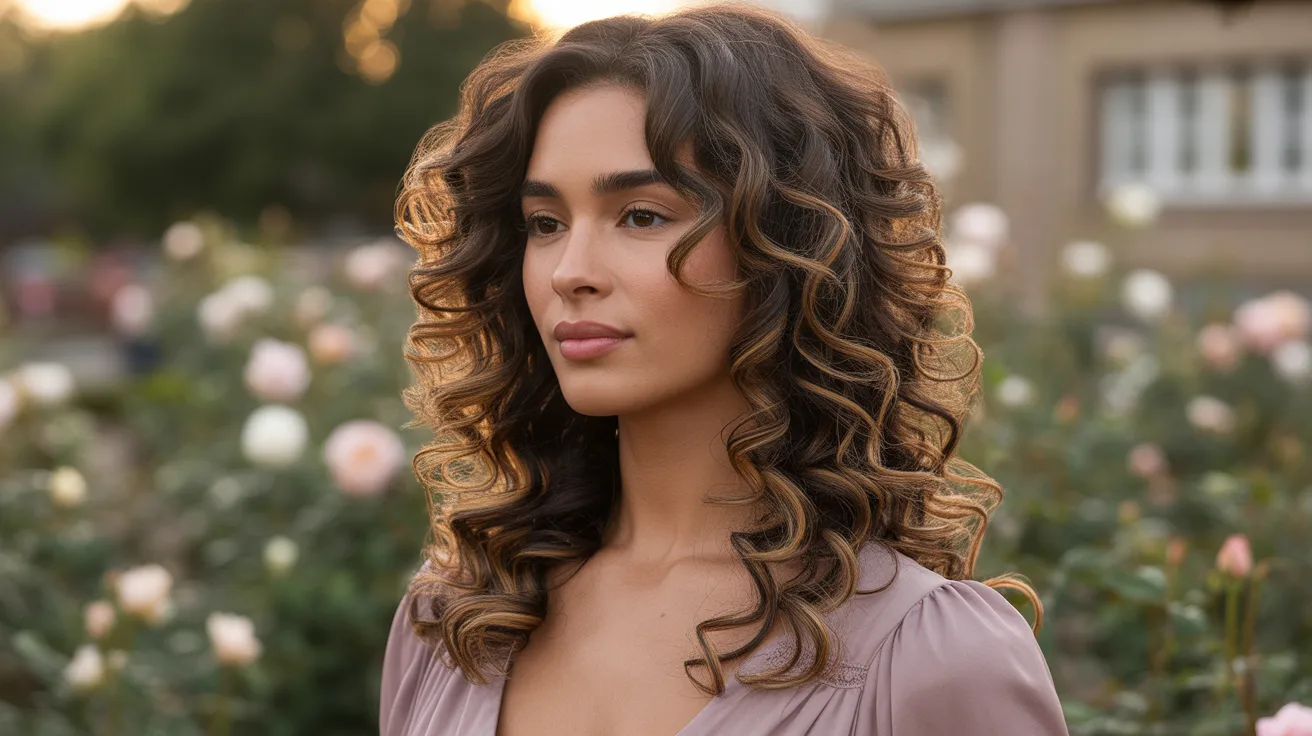
Romantic layers paired with loose curls are among the most requested combinations for special occasions and everyday wear alike. The layers are placed to enhance the natural spiral of each curl section, giving the overall style a soft, dimensional appearance that reads as effortless rather than overly styled. A layered haircut in this format on longer hair creates a cascading effect where each layer of curls is visible and distinct from the one above it. After trying this style for a formal setting, the look held well for several hours without needing touch-ups.
Loose curls are best created using a large-barrel curling iron or wand set at a moderate temperature to preserve hair health. Each section is wrapped loosely rather than tightly, which produces a wave-like curl rather than a tight ringlet. Once the curls cool completely, fingers are used to gently separate them into the individual layers below. A light hold hairspray misted from a distance sets the style without making the curls feel crunchy or stiff. The final result is a soft, flowing style that shows the layered structure clearly and moves naturally throughout the day.
14. Stacked Layers at the Crown
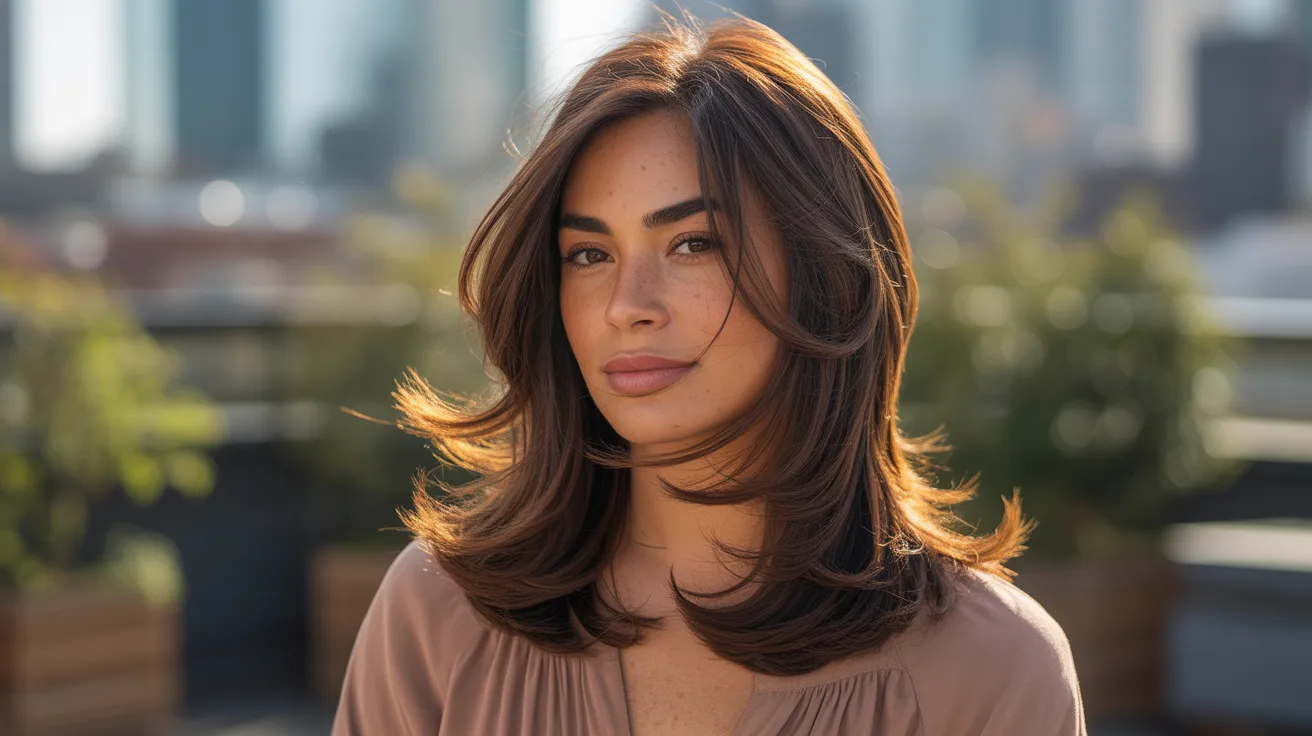
Stacking layers at the crown involves placing the shortest layers at the top of the head and gradually increasing the length toward the ends. This technique creates significant volume at the crown and draws the eye upward, which is particularly flattering for those with round or square face shapes. The visual effect is a taller, more elongated silhouette that contrasts with wider features at the cheekbone or jaw level. On a normal setup, this cut was noticed to maintain its crown volume through the day without needing frequent touch-ups.
The stacked crown approach requires a slightly more precise cut than other layered techniques, as the shortest layers need to be placed carefully to avoid an abrupt or uneven appearance. A razor cut can be used to blend the crown layers into the longer lengths below more softly than scissors alone would allow. Blow-drying with a round brush in an upward direction at the roots enhances the stacking effect and keeps the crown lifted even on days when the hair feels heavy or flat. A small amount of volumizing mousse applied at the roots before drying supports this lift through the entire day.
15. Choppy Textured Layers for Edge
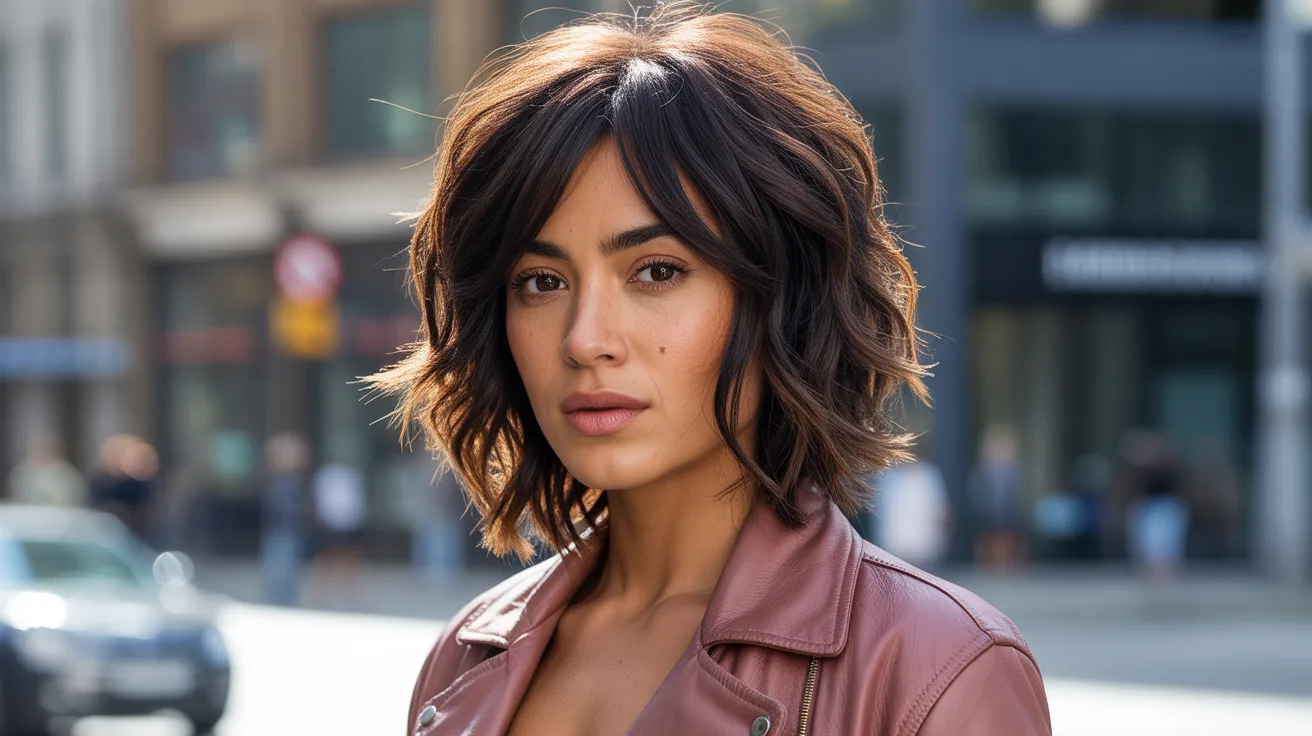
Choppy layers are cut with deliberate unevenness at the ends to create a high-texture, edgy appearance. This approach is very different from smooth or feathered techniques and suits those who prefer a more structured, fashion-forward style. The ends appear intentionally jagged rather than polished, which gives the cut a modern and bold character. After seeing this style in person on dark hair, the definition between each layer was particularly striking and required no additional product to appear intentional and styled.
Choppy layers tend to work best on medium to thick hair where the density supports the angular end shapes without looking sparse. On fine hair, the choppy technique can expose too much space between strands, reducing the overall appearance of fullness. A texturizing paste or wax worked through dry ends separates the layers and defines the choppiness further without adding weight. This finish enhances each layer’s individual shape and prevents the cut from blending into a softer, less defined appearance. The result is high-impact and distinctive without requiring complex daily styling.
16. Graduated Layers for Smooth Finish
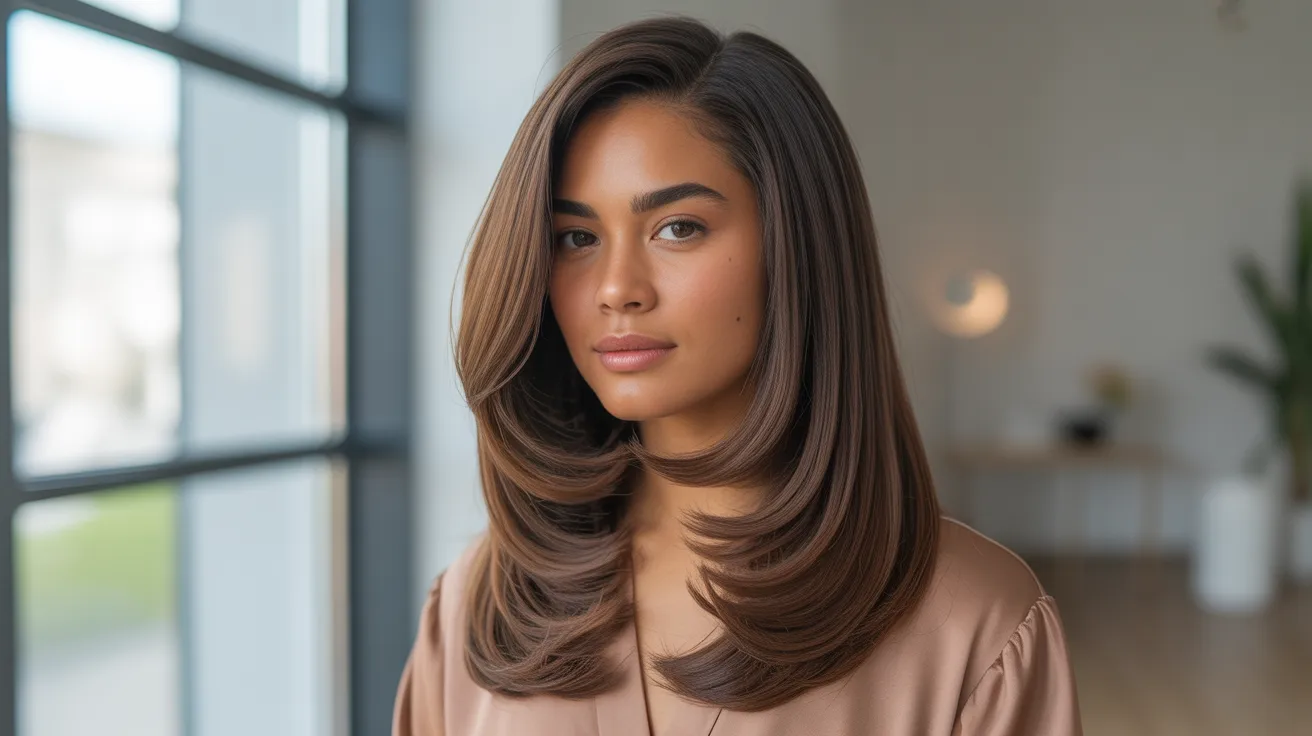
Graduated layers differ from standard layers in that the length increases gradually from the top to the bottom in a smooth, consistent progression. This creates a polished, sleek appearance rather than the tousled or textured look that other layering methods produce. On a normal setup, this cut was found to respond very well to heat styling — the smooth gradient of lengths allowed a flat iron to pass through each layer cleanly without snagging or separating. The overall finish appeared refined and well-structured without looking overly formal.
This approach is often used in longer bobs and mid-length cuts where a clean silhouette is preferred over a heavily textured one. The layers are visible when the hair is blown dry or straightened but blend subtly into each other rather than creating dramatic steps. A glossing treatment applied once a month enhances the smoothness of each layer and adds reflective shine that makes the graduated length progression more visible. Those who prefer a sleeker, more put-together look over an effortless or beachy one tend to favor this version of layering over other techniques.
17. Shoulder-Length Layered Haircut with Soft Ends
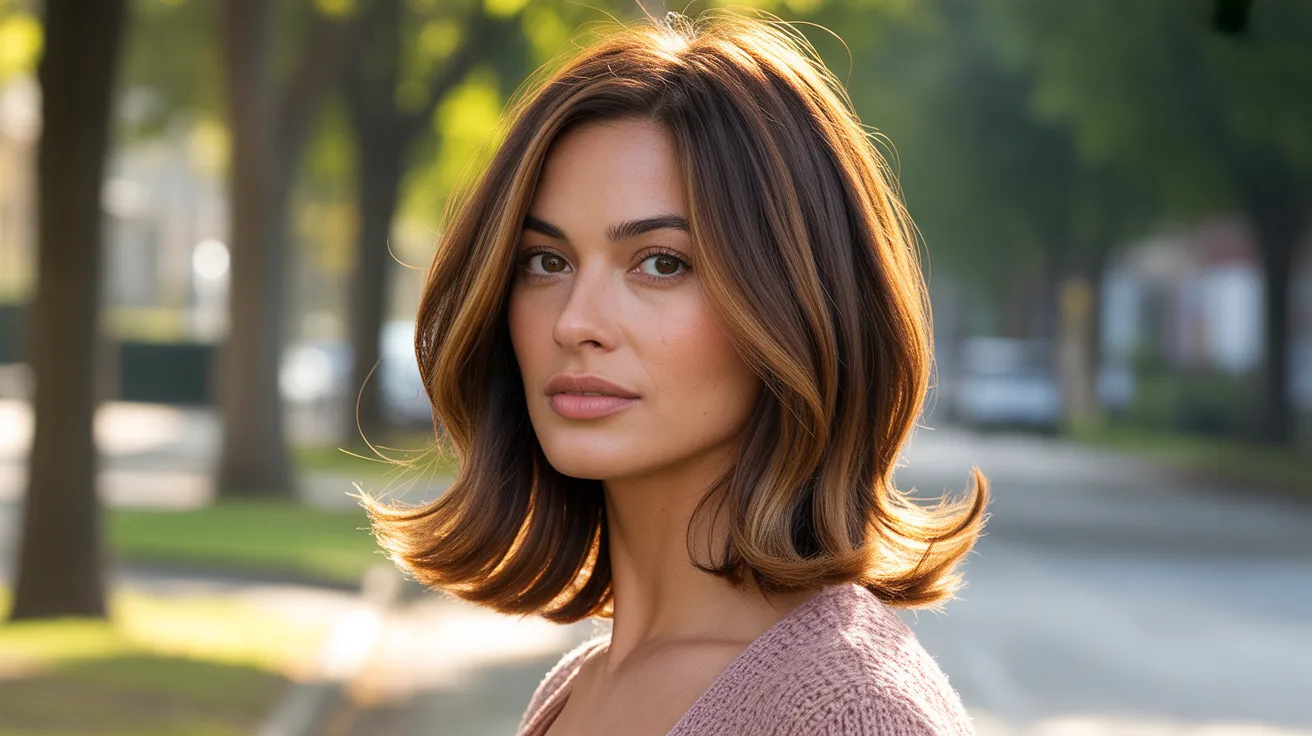
The shoulder-length layered haircut is one of the most universally flattering lengths because it grazes the collarbone and creates a natural frame around the face and neck. Soft ends at this length add a gentle, rounded finish that prevents the cut from appearing too blunt or geometric. A layered haircut at shoulder length is easy to style in multiple ways — straightened, wavy, or in a half-up arrangement — which makes it one of the most adaptable options available. During regular use, this length was found to dry quickly and hold its shape reliably.
Layering at the shoulder specifically allows the ends to curve naturally inward or outward depending on how the hair is dried. A round brush used on the ends during blow-drying can create a slight inward bend that makes the layers look polished and intentional. Without heat, the ends tend to fall in a relaxed, slightly uneven manner that still appears natural and effortless. The shoulder length also reduces the daily detangling time compared to longer cuts while maintaining enough length for the layers to show clearly and move with the body through the day.
18. Razored Layers for Lightweight Feel
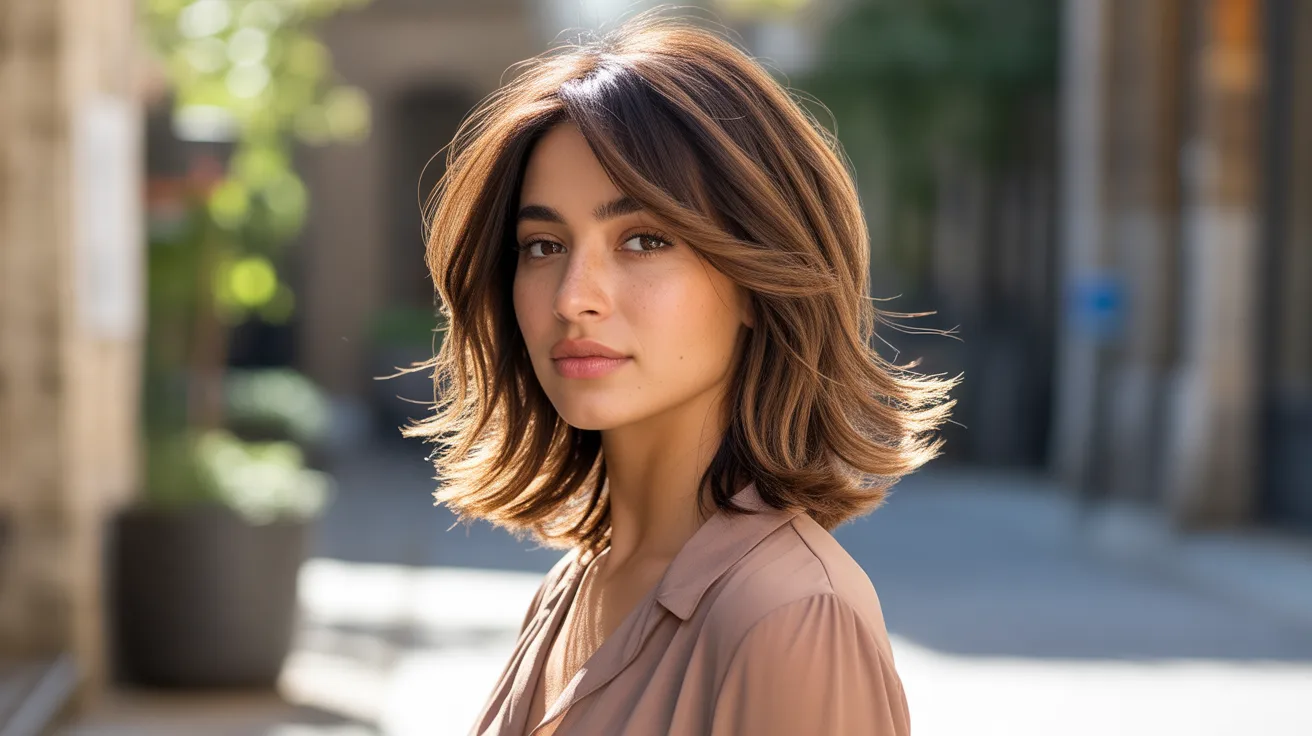
Razored layers are created using a razor blade rather than scissors, which produces thinner, softer ends that feel lighter on the head. This technique reduces bulk at the mid-lengths and ends without creating the harsh step-cut appearance that scissor-only layering can sometimes produce. A layered haircut done with a razor tends to look more lived-in and natural from the first wear, as the ends are never blunt and never require a separate thinning process. After trying this technique on medium-thick hair, the overall weight felt significantly reduced without any visible loss of density at the roots or crown.
The razor approach does require a skilled stylist to execute correctly, as too much pressure on the blade can remove too much weight and leave the ends appearing wispy or damaged. Communicating the desired finish clearly before the appointment helps ensure the result falls on the right side of lightweight versus sparse. A nourishing hair oil applied to the razor-cut ends after washing keeps the thinned sections hydrated and prevents them from appearing dry or split-prone. With proper care, razored layers are among the most comfortable and low-maintenance layered techniques available for everyday wear.
19. Vintage-Inspired Layers with Volume
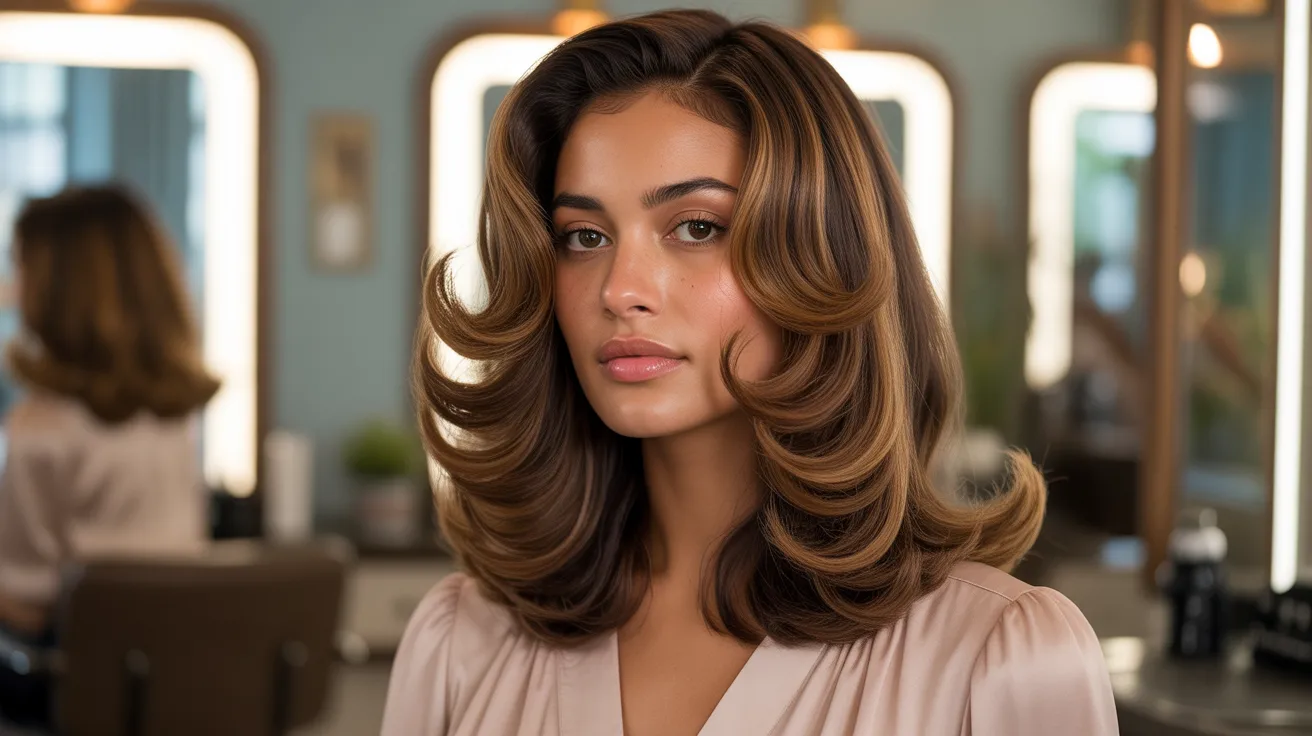
Vintage-inspired layers draw from the voluminous blowout styles of earlier decades, combining structured layers with high crown lift and curved ends. This approach has seen renewed interest recently and suits those who enjoy a more polished, retro aesthetic in their daily style. On a normal setup, achieving this look requires a round brush, a blow dryer with a concentrator nozzle, and a medium-hold setting spray applied before drying. The layers are blown upward and outward rather than flat, creating a domed silhouette that reads as intentionally styled and full.
The volume created by this method is significantly greater than what flat-drying or air-drying the same layered cut would produce. The structure holds well through the day because each layer is set in a curved shape during the blow-dry process rather than left to fall flat after drying. A light teasing comb used at the crown section before the final spray adds an additional centimeter of lift that keeps the vintage shape consistent from morning through evening. Those who enjoy the effort of a proper blowout in the morning tend to find this style worth the time investment for the dramatic impact it creates.
20. Invisible Layers for Natural Look
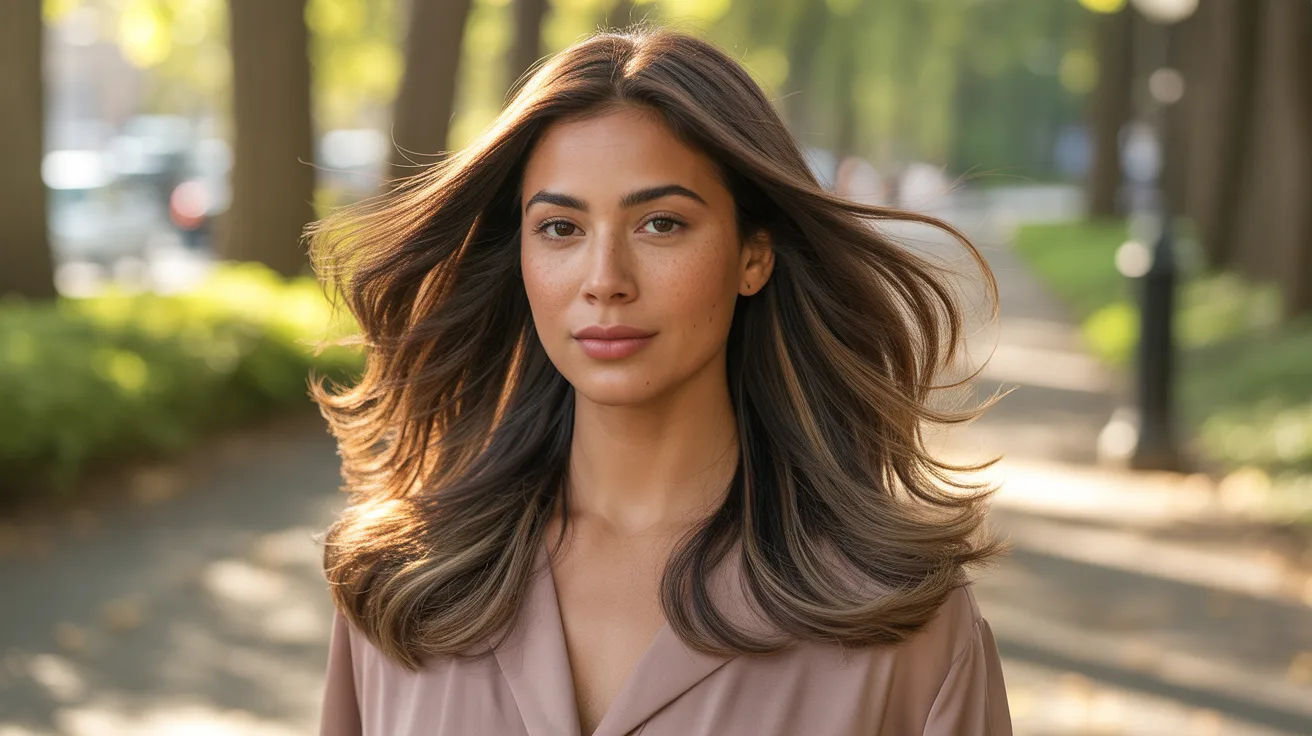
Invisible layers are placed underneath the top sections of hair and are not immediately visible from the outside. The purpose of this technique is to reduce interior weight and add movement without changing the visible exterior shape. This is a popular choice for those who want to keep their current style but find it too heavy or flat in the mid-lengths. After trying invisible layers on long, straight hair, the difference in daily movement was noticeable even though the overall length and shape appeared unchanged from the outside.
This technique is also used to add bounce to hair that has been growing out of a previous style without committing to a new cut. Because the layers are placed underneath, the top sections continue to grow at their full length while the underneath sections create interior movement. A detangling brush used on dry hair after washing helps distribute the layers evenly and prevents the top sections from sitting too flat over the lighter interior ones. Invisible layers are one of the most subtle and low-commitment layering options and are often recommended as a first step for those new to layered cuts.
21. Modern Layered Haircut with Curtain Bangs
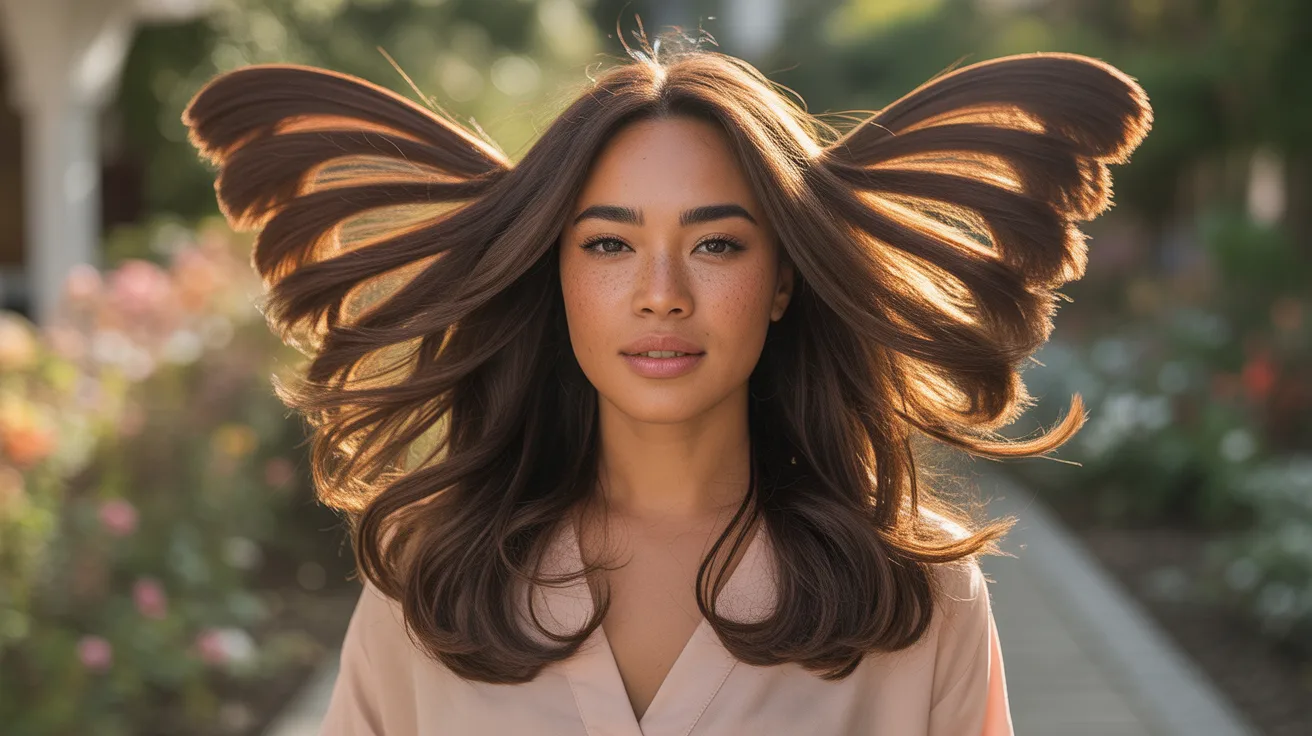
A modern layered haircut paired with curtain bangs has become one of the defining styles of recent years. The curtain bangs are slightly longer at the outer corners and shorter at the center, creating a parted, draped appearance that frames the upper face softly. This version is updated from classic curtain bang styles by being placed higher on the forehead and cut with more texture throughout. During regular use, this combination was found to suit a wide range of face shapes, particularly oval, heart, and square types where a soft fringe at the center adds balance.
The layered body behind the bangs ensures the overall style does not look front-heavy or disconnected. Instead, the same textured quality that defines the bangs is echoed through the mid-lengths and ends, creating a cohesive result from root to tip. Blow-drying the bangs away from the center with a small round brush takes under two minutes and sets the curtain shape reliably for the full day. A very small amount of lightweight pomade worked through the fingertips and applied to the bang ends adds separation and prevents the fringe from clumping or flattening against the forehead in humid conditions.
22. Butterfly Cut with Layered Wings
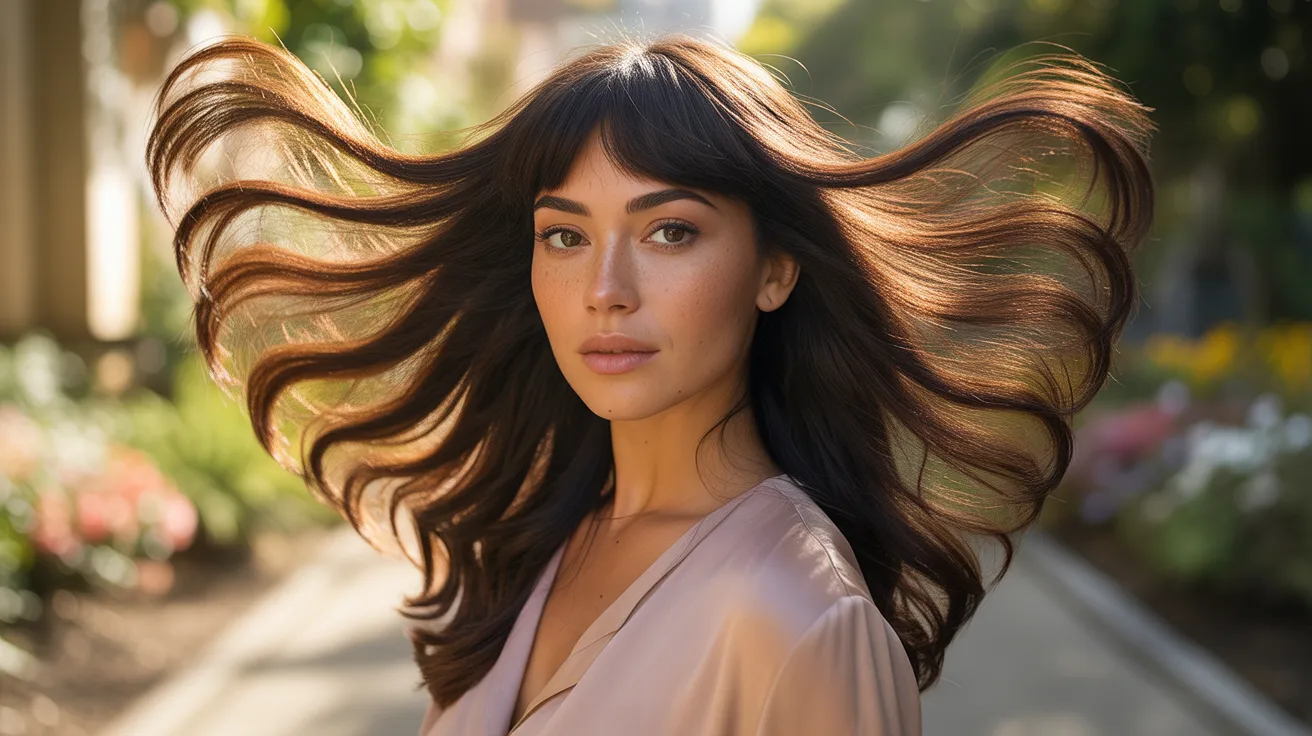
The butterfly cut has gained significant popularity for its distinctive silhouette, which features shorter layers at the crown that frame the face like wings and longer, flowing sections below. The visual contrast between the shorter crown layers and the longer underneath creates a dramatic effect that is immediately recognizable. A layered haircut in this format requires placing the shortest layers at and slightly behind the crown rather than at the sides or front. After seeing this cut styled on medium-length hair, the butterfly effect was most visible when the hair was worn down and slightly wavy.
Achieving the full butterfly effect relies heavily on how the crown layers are styled during blow-drying. Blow-drying upward at the roots and then flipping the crown layers outward creates the wing-like spread that defines this cut’s signature look. A medium-hold mousse applied before drying keeps the crown layers lifted and separated rather than falling flat over the longer sections beneath them. The butterfly cut is particularly flattering for those with longer face shapes because the shorter crown layers add horizontal width at the top, creating more visual balance between the forehead and the lower half of the face.
23. Wispy Layers for a Delicate Finish
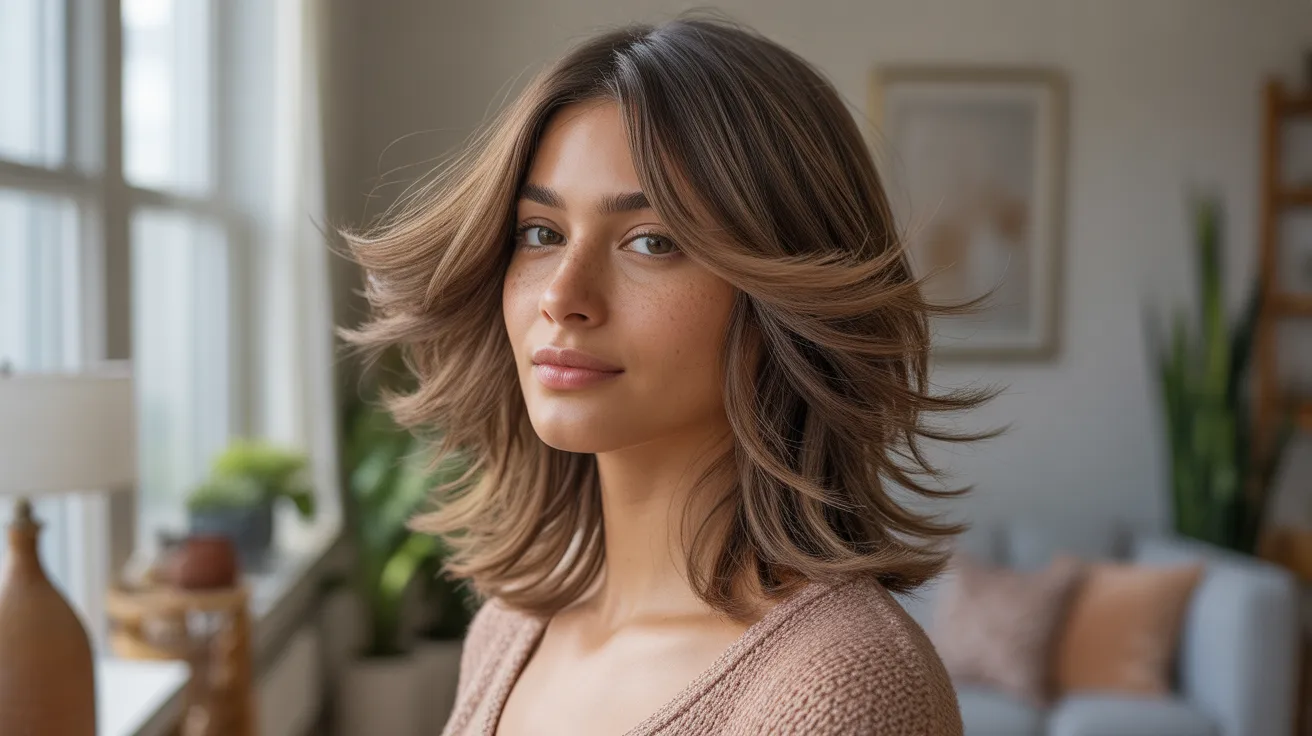
Wispy layers are the lightest version of layered cutting, where the ends are thinned to an almost transparent degree at the very tips. This creates a delicate, barely-there finish that is particularly well-suited to those with thinner or finer hair who still want visible texture and movement. On a normal setup, wispy layers were found to add a softness to the overall silhouette that heavier cutting techniques cannot replicate. The ends appear to fade rather than end abruptly, giving the style a natural, organic quality that looks unforced.
The care requirement for wispy layers is slightly higher than for standard cuts because the thinned ends are more susceptible to dryness and breakage. A weekly deep conditioning treatment applied from mid-length to ends helps maintain the integrity of the thinner sections. Avoiding very high heat on the wispy ends is recommended, as fine tips lose moisture faster than thicker sections at the same temperature. A heat protectant spray applied before any styling tool use is especially important for this version of the layered cut. With proper moisture maintenance, wispy layers remain soft, defined, and healthy well between trims.
24. Effortless Shag with Layered Texture
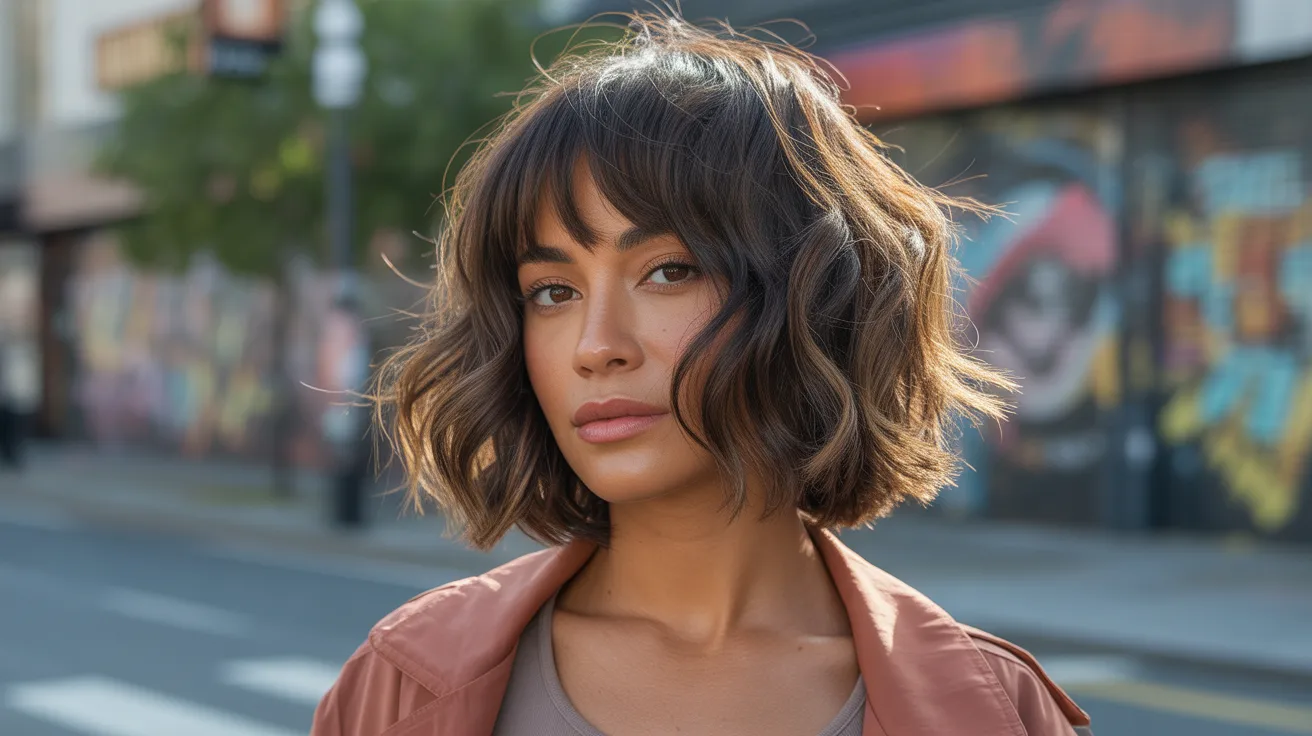
The shag haircut is one of the most texturally rich layered styles available, combining layers at multiple lengths with a naturally undone, high-texture finish. It incorporates layers from the crown down to the ends, often with a soft curtain fringe at the front and heavily textured mid-lengths that create a full, slightly wild silhouette. This cut has appeared across multiple decades and continues to be reimagined in modern versions that suit current fashion sensibilities. During regular use, the shag requires minimal effort to style because the textured layers naturally sit in a way that already appears considered and intentional.
Air drying the shag is one of its greatest advantages — the multiple layers and textured ends naturally separate as the hair dries, creating a tousled shape that requires little additional intervention. A small amount of curl cream or texturizing mousse applied to damp hair encourages the layers to clump slightly and dry with more definition. On days when a slightly more polished version is needed, a diffuser attachment on a blow dryer can enhance the texture while reducing frizz. The shag is adaptable to straight, wavy, and curly textures alike, which makes it one of the most inclusive layered haircut options across hair types and lengths.
A layered haircut remains one of the most reliable and adaptable styling options for any hair type, length, or texture. Each of these 24 ideas represents a different way to approach layering — from barely visible invisible layers to dramatic butterfly cuts — giving a wide range of choices depending on what each person prefers and how much daily styling time is available.
Finding the right layered style often comes down to the texture of the hair, the face shape, and the amount of time available for maintenance. Trying one of these 24 flowy ideas with a trusted stylist is a practical starting point, and the variety of options ensures that there is a version of a layered approach suited to nearly everyone.