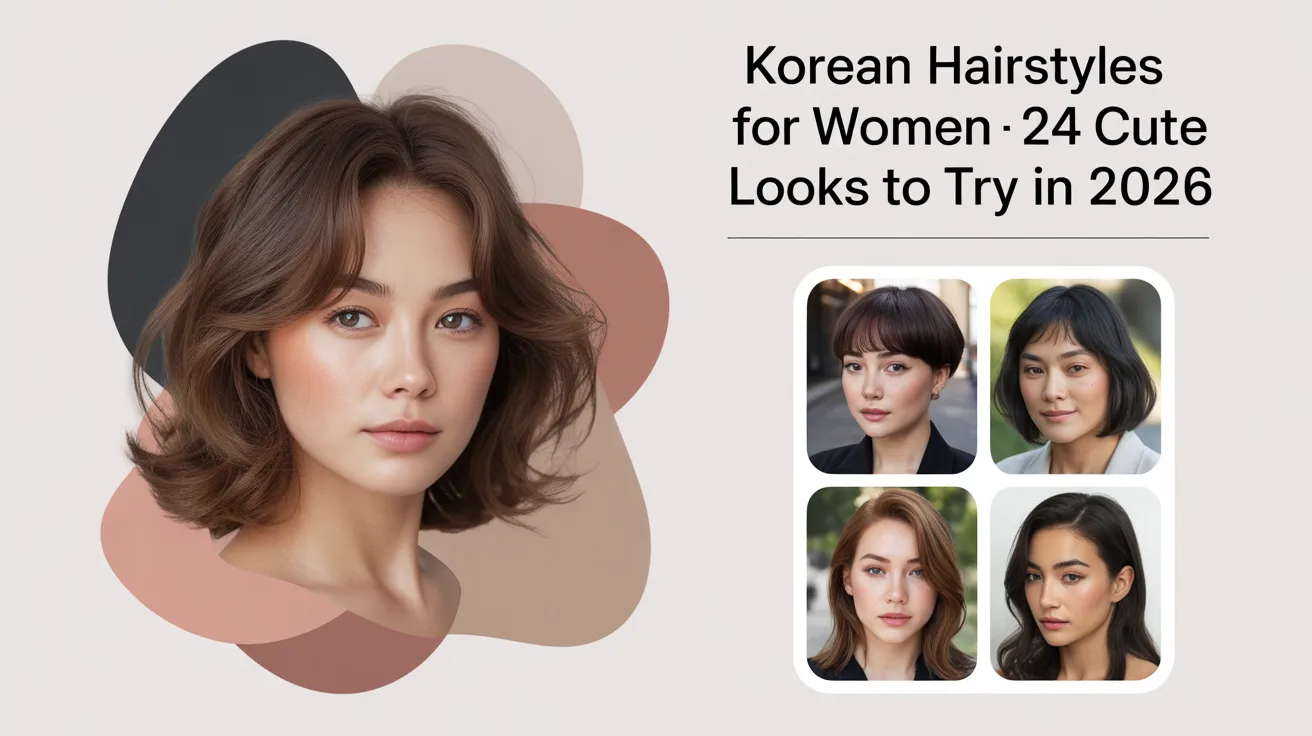
Korean Hairstyles for Women – 24 Cute Looks to Try in 2026
Most hair trends that stand the test of time seem to come from one place — and Korean hairstyles for women have quietly become a global reference point for that reason. These styles are known for soft finishes, precise cuts, and a look that feels polished without trying too hard.
After trying several of these looks over the past year, it became clear that what makes them work is not just the cut itself. It is the balance between volume, texture, and face-framing placement that makes each one feel intentional and easy to wear.
1. The Classic Bob in Korean Hairstyles for Women
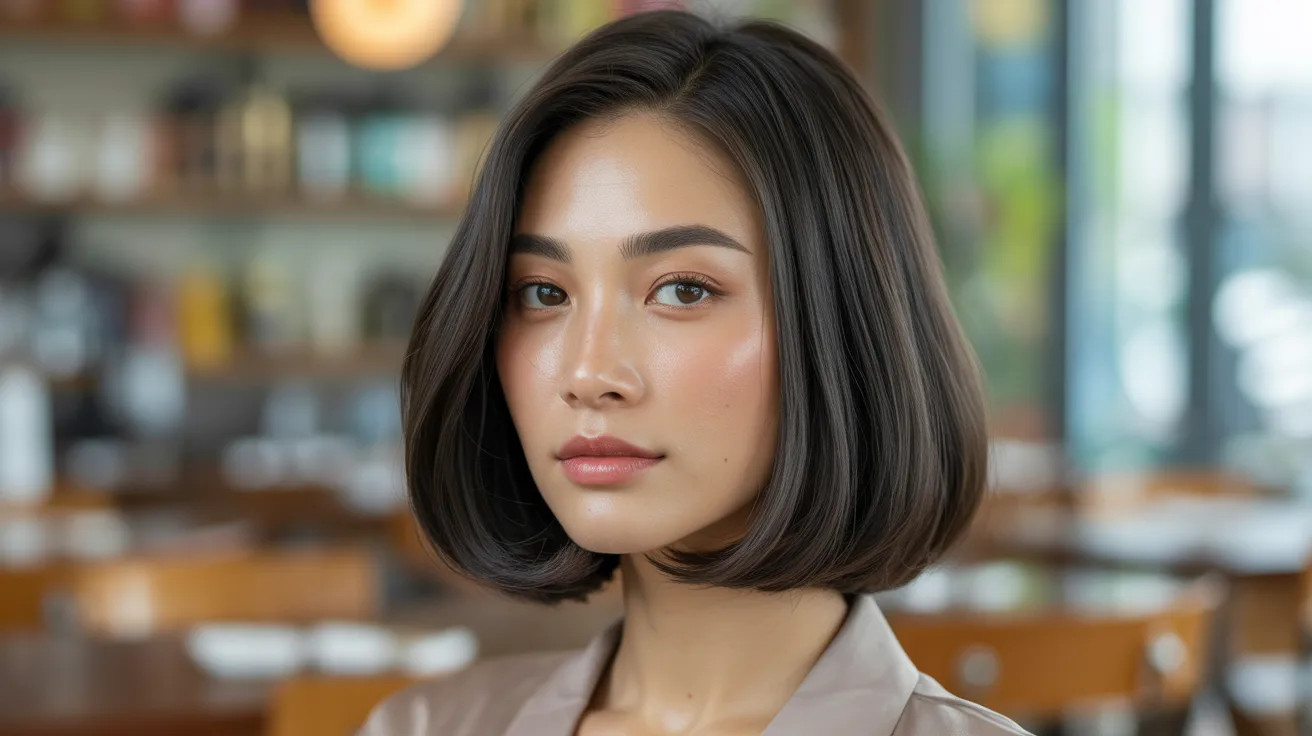
The blunt bob is one of the most recognized styles from this category, and there is a clear reason it keeps coming back. It sits right at the jaw, creates a clean silhouette, and works well on straight or slightly wavy hair without much effort to maintain.
During regular use, a jaw-length blunt bob is relatively easy to style in the morning because the shape holds itself. On a normal setup with a round brush and a hair dryer, the style falls naturally into place after about five minutes.
2. The Soft Lob With Layers
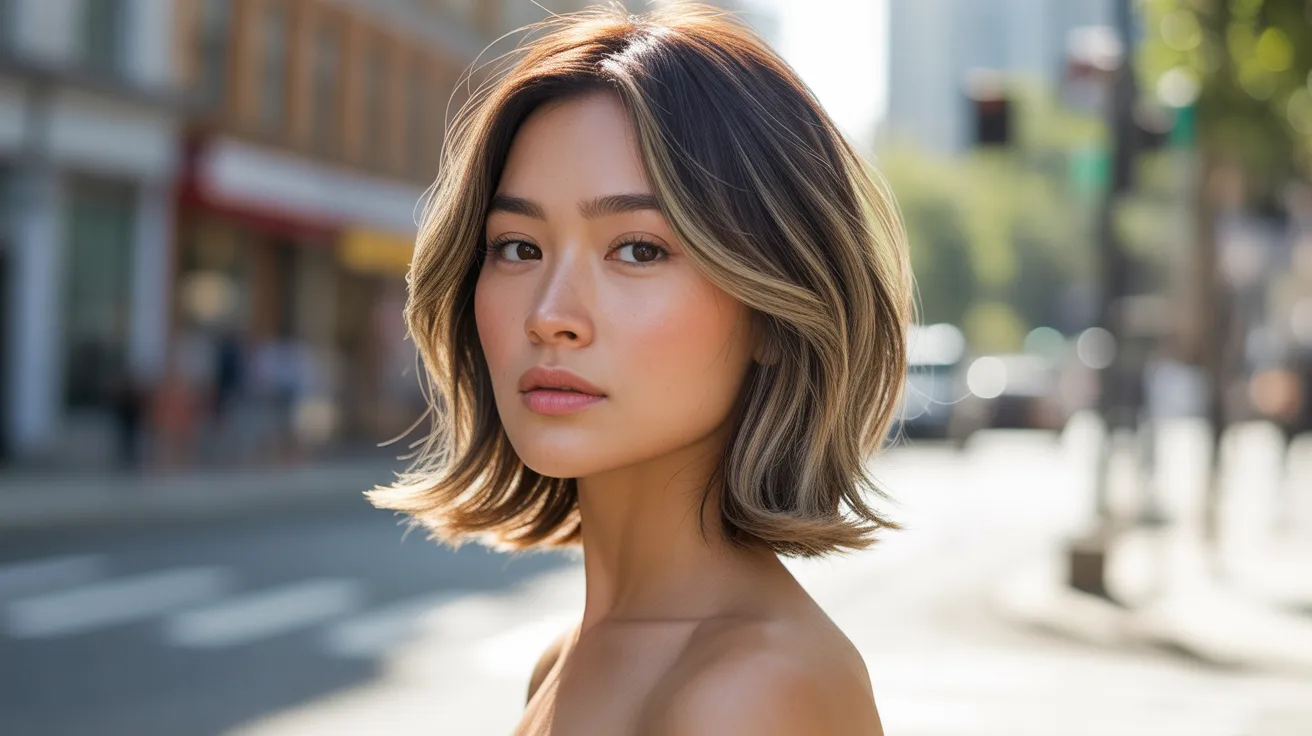
A lob — or long bob — with soft layers is a versatile option that works across most hair types. The layers are usually cut to start below the chin, which helps the style move naturally and avoids the stiffness that sometimes comes with a one-length cut.
After trying this on fine hair, the layers made a noticeable difference in how much volume appeared through the mid-lengths. The style felt lighter, less flat, and easier to wear on both casual days and more put-together occasions.
3. Straight and Sleek Medium-Length Hair
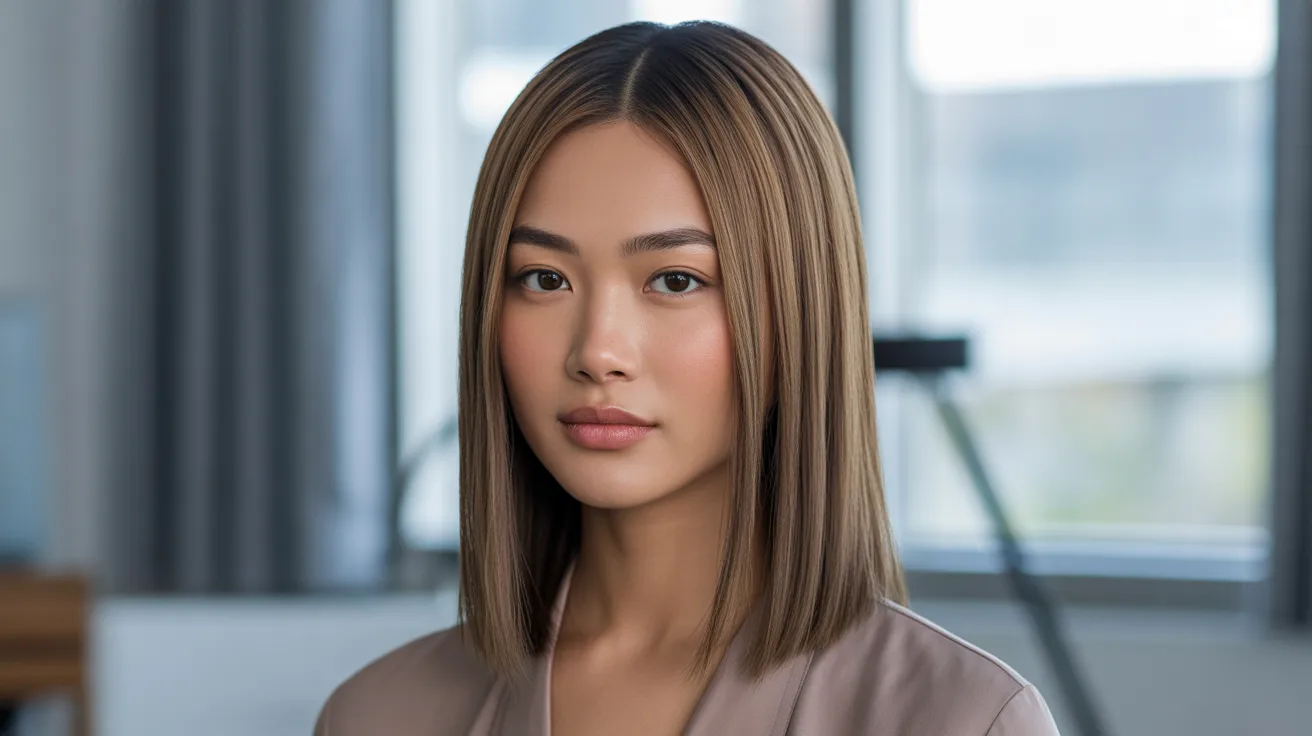
Sleek, straight medium-length hair is a look that comes up often in this category, and it tends to photograph well because of how light reflects off a smooth surface. The length typically falls between the collarbone and the shoulder, which keeps the style manageable.
Korean hairstyles for women often feature this look styled with a light serum applied before blow-drying to reduce frizz and add shine. A small amount of finishing oil at the ends gives the look that polished, well-kept finish that is easy to recognize in this style family.
4. The Two-Block Inspired Cut for Women
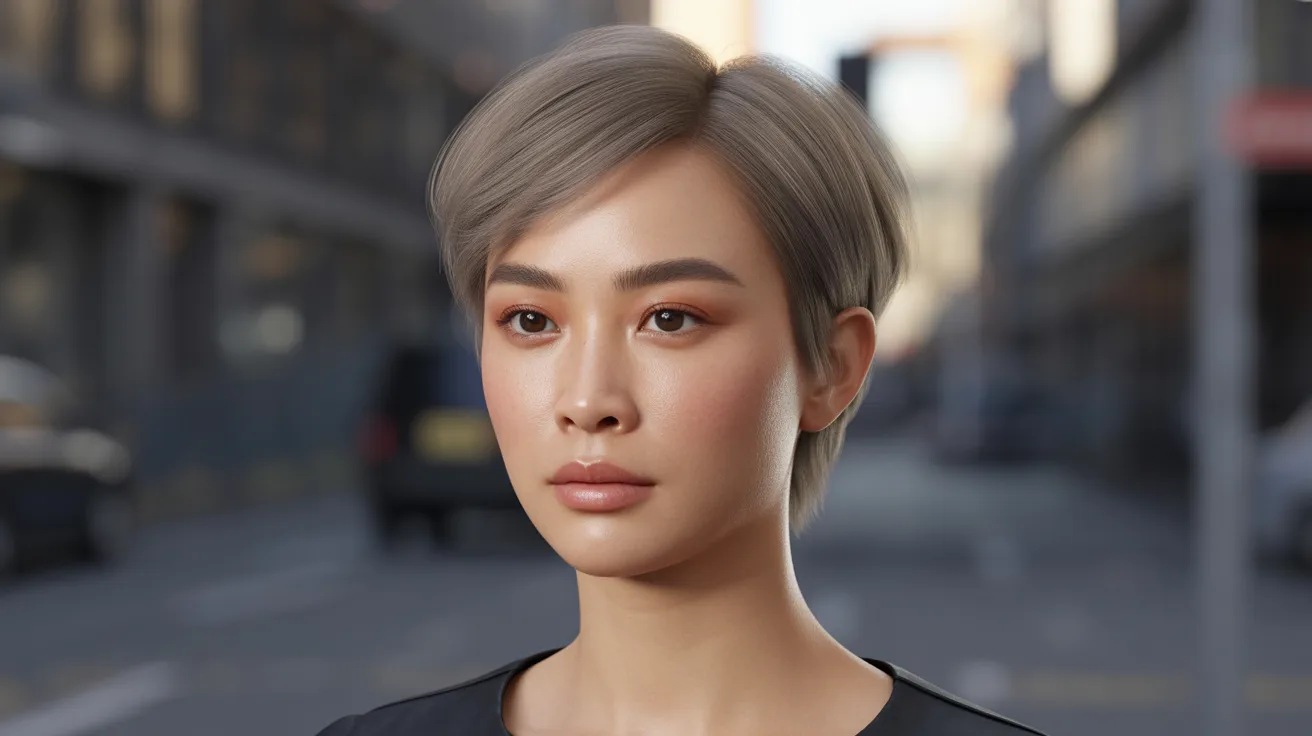
The two-block cut — originally associated with men’s styles — has been adapted for women with softer transitions and a more rounded finish on top. It keeps the sides and back lighter while leaving the top section fuller, which creates a structured but delicate look.
On a normal setup at a Korean salon, this cut is often finished with a light texturizing product to keep the top section moving naturally. The result is a shape that looks intentional from every angle and holds well through a full day without needing to be reset.
5. Curtain Bangs as Seen in Korean Hairstyles for Women
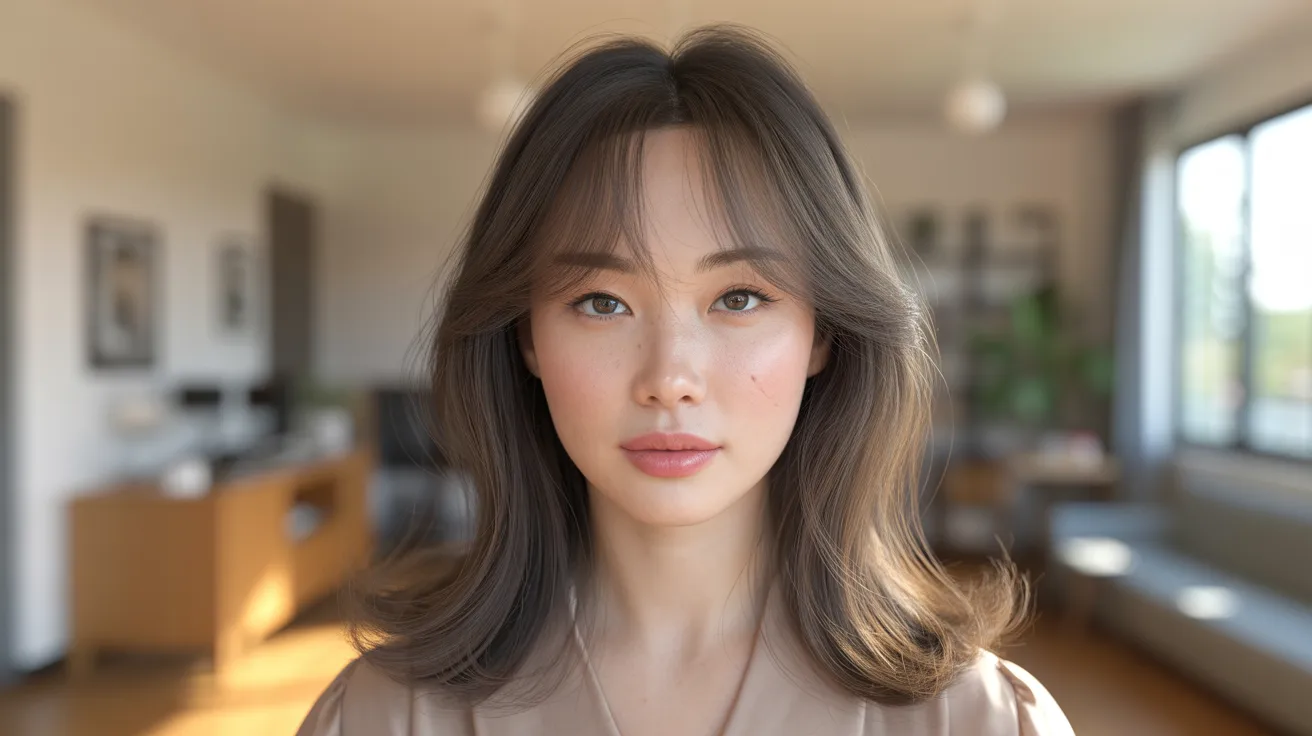
Curtain bangs are parted in the center and swept gently to each side, framing the face without covering the forehead completely. They have been one of the more consistent style elements across Korean hairstyles for women for the past several years.
After trying this look, the most noticeable benefit was how the bangs softened the forehead and brought attention toward the eyes. They also required less maintenance than full straight-across bangs because the parted shape grew out gradually rather than all at once.
6. The Wispy Fringe Cut
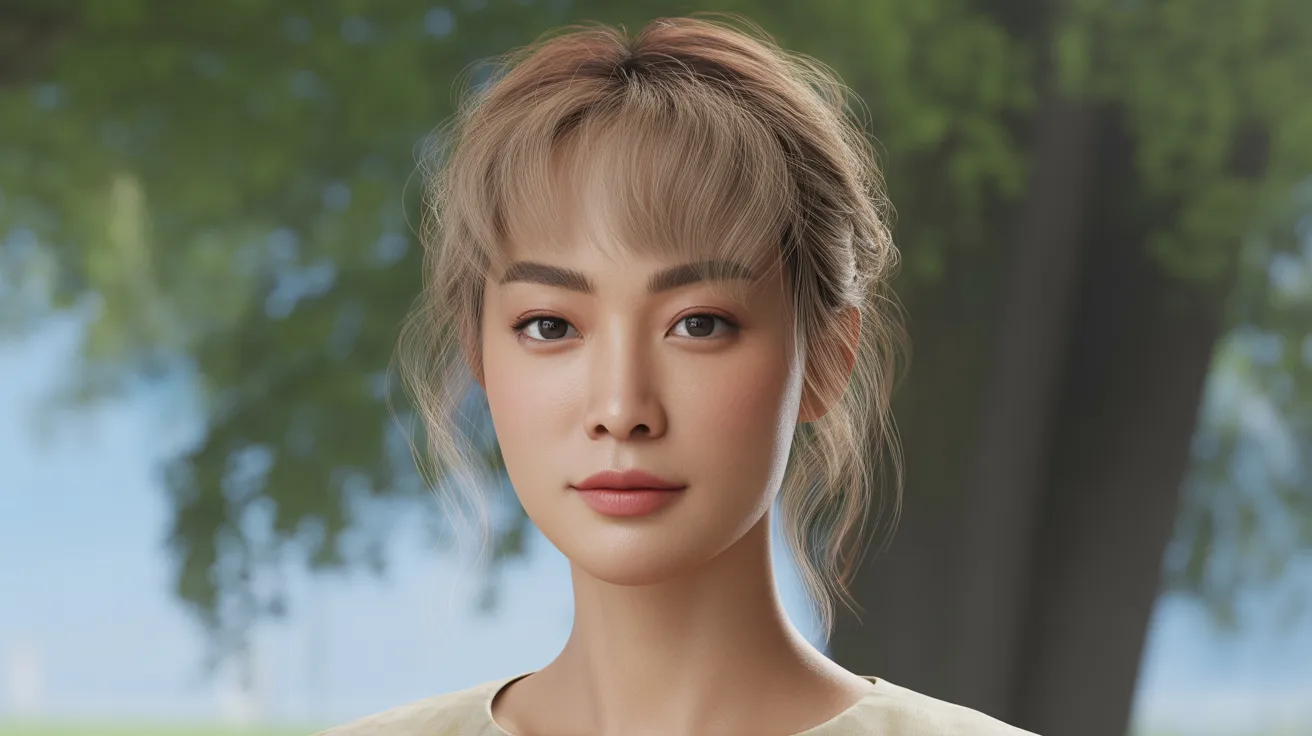
A wispy fringe sits lighter than a blunt bang and is cut with more separation between the strands to create a feathery, soft effect. The fringe typically covers just the upper forehead, sitting above the eyebrows in a way that feels delicate rather than heavy.
This style tends to work especially well on hair that has a natural wave or fine texture because the individual strands move easily and do not clump together. During regular use, a light-hold spray is enough to keep the fringe in place through most of the day.
7. The Face-Framing Highlight Style
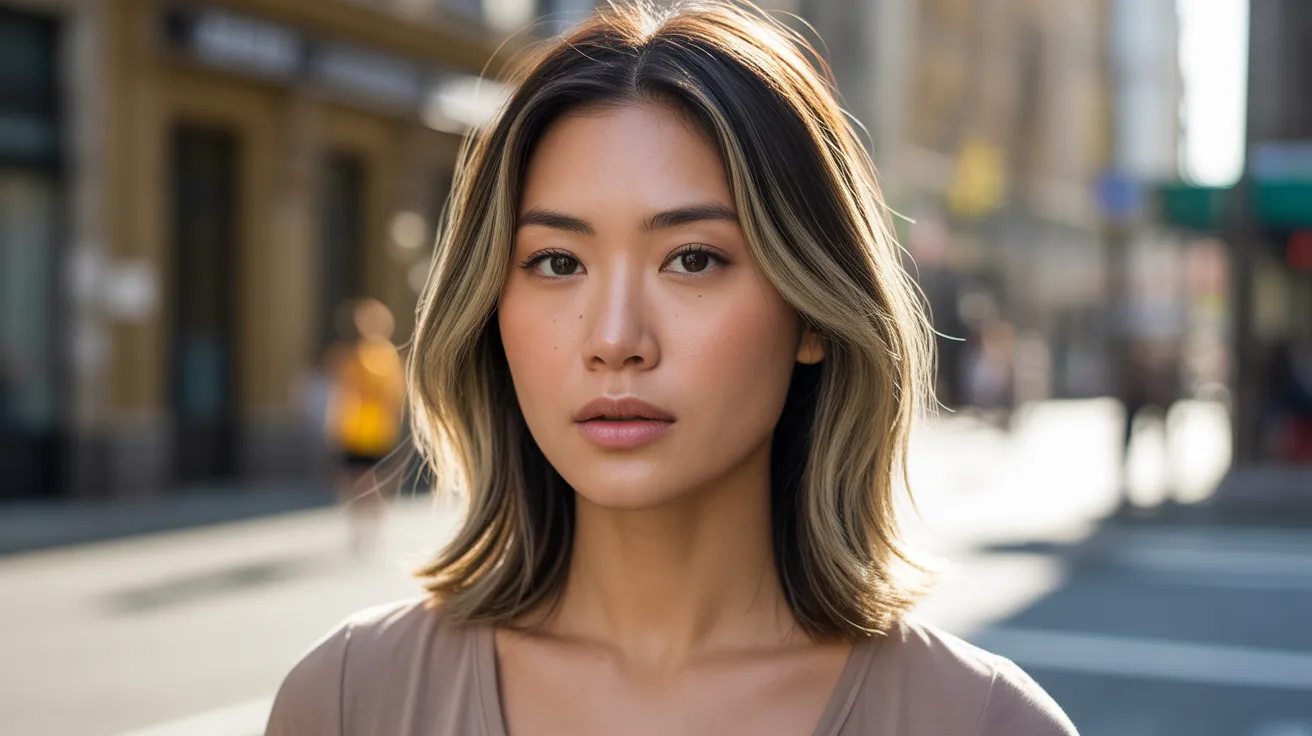
Face-framing highlights are placed around the front sections of the hair — along the temples and the first few layers closest to the face. This coloring technique is used to draw attention to the facial structure without changing the overall color of the rest of the hair.
The effect is subtle enough to look natural in most lighting but catches the light well in photos, which has made it a widely used technique. It also grows out more gracefully than a full highlight, requiring fewer touch-up visits throughout the year.
8. The Romantic Soft Wave
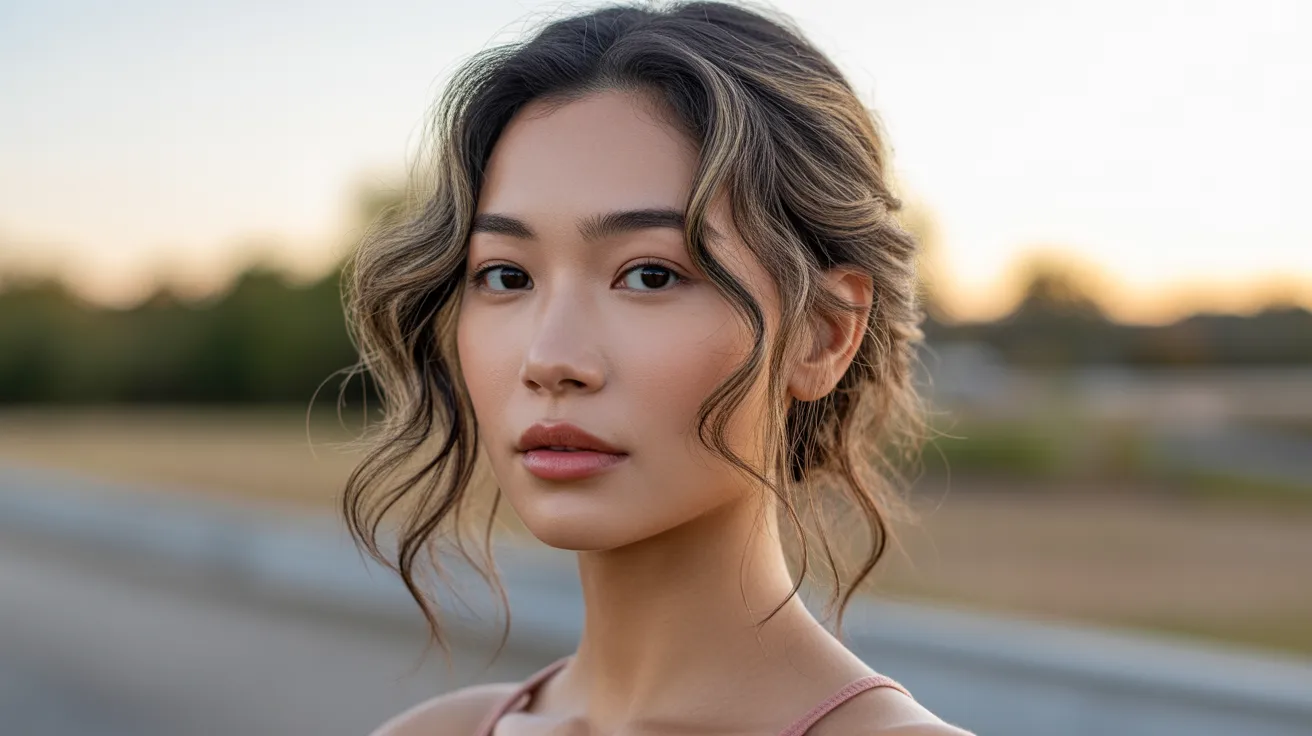
Soft waves sit between a curl and a wave — the movement is loose, the shape is irregular in a natural way, and the overall look feels relaxed rather than formal. This style is created with a wide-barrel wand and usually requires a light product to hold the shape without making the hair stiff.
Many Korean hairstyles for women that feature soft waves are styled to start from about ear level, leaving the roots smoother for a more modern finish. After trying this look, it was clear that the technique of wrapping sections loosely — rather than tightly — around the wand makes a significant difference in how relaxed and natural the result appears.
9. The Voluminous Blowout
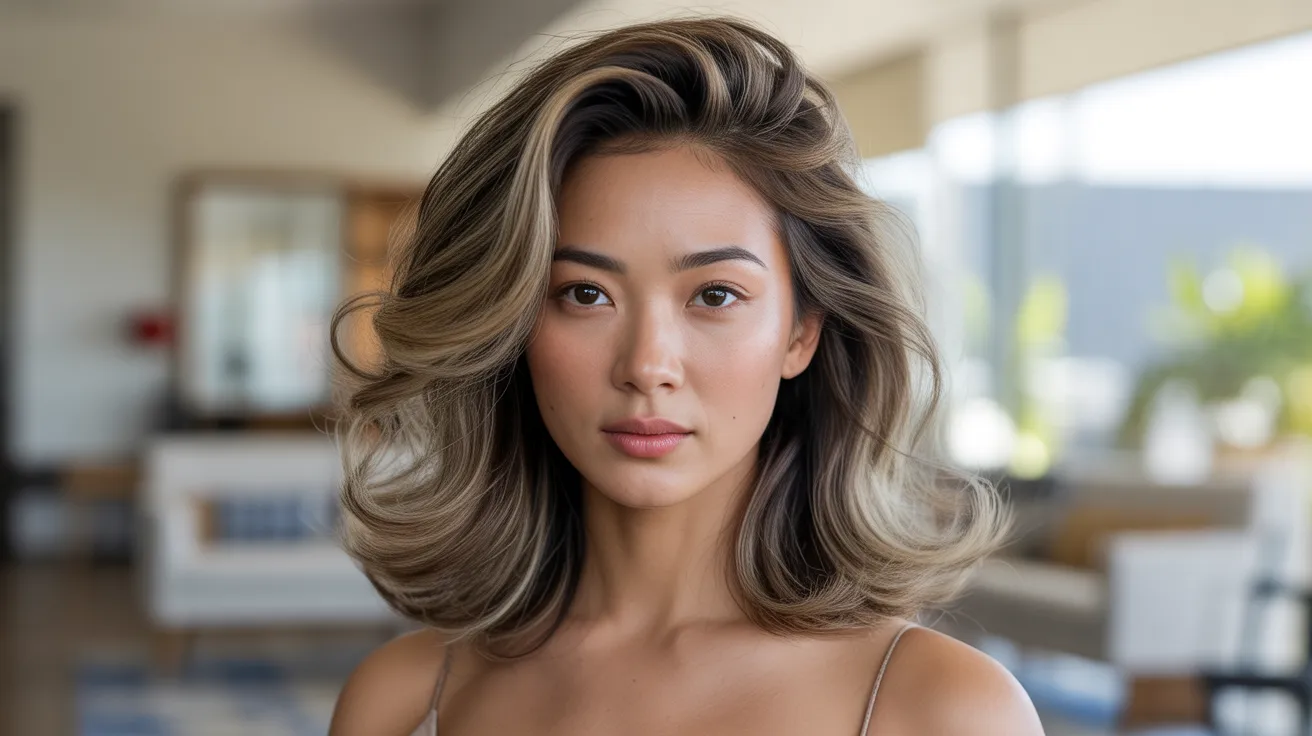
A voluminous blowout adds body and movement to the hair by lifting the roots and directing the ends outward or inward depending on the desired shape. It is a technique rather than a cut, which means it can be applied to almost any length with good results.
This style is particularly useful for hair that tends to lie flat against the head, as the blow-drying technique helps build structure from the roots. On a normal setup using a medium-sized round brush, a full blowout takes about fifteen minutes and the volume lasts well through a regular day.
10. Wispy Fringe – A Staple in Korean Hairstyles for Women
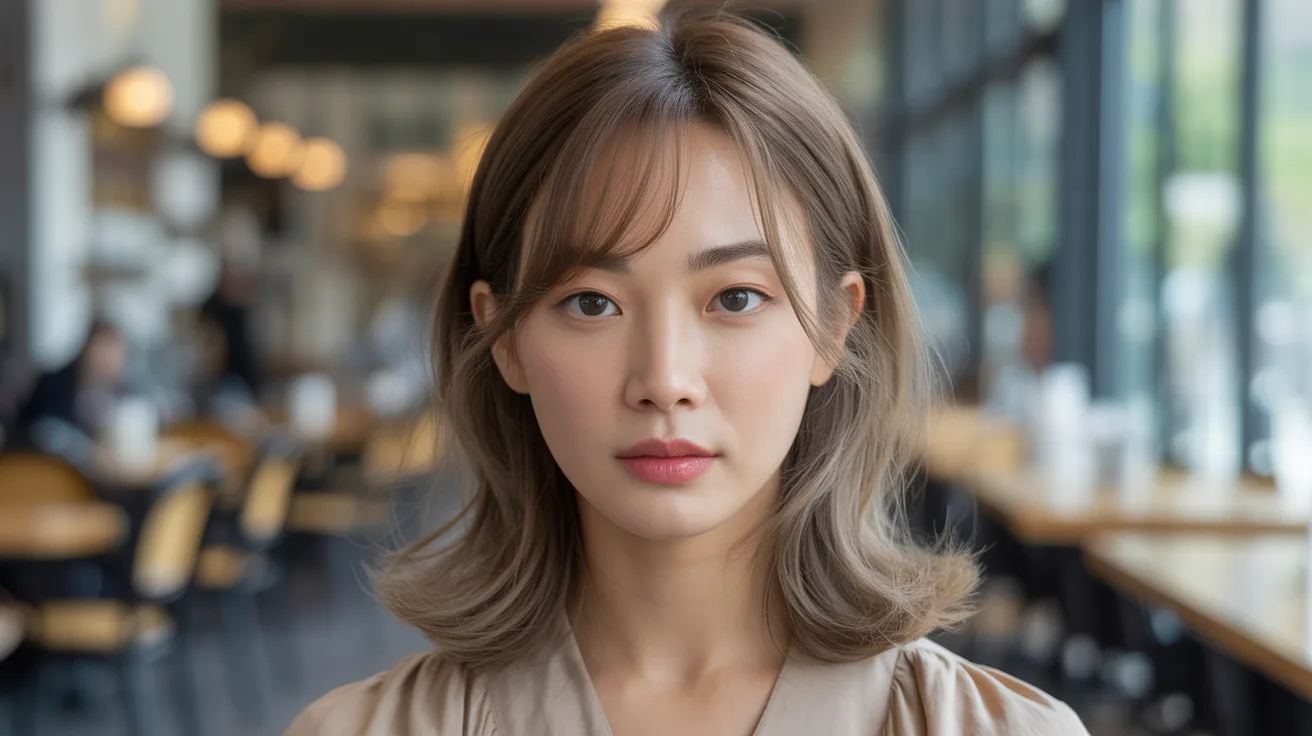
The wispy fringe continues to appear across seasonal style roundups because of how well it adapts to different face shapes and hair textures. Unlike heavier bangs, this fringe style does not require precise maintenance to keep looking intentional — slight growth actually adds to its natural quality.
After testing this look through a few weeks of regular wear, it became apparent that the fringe works particularly well with a center part because the two sides balance each other out. A light spritz of flexible-hold hairspray in the morning keeps the strands in shape without weighing them down.
11. The Straight Perm Look
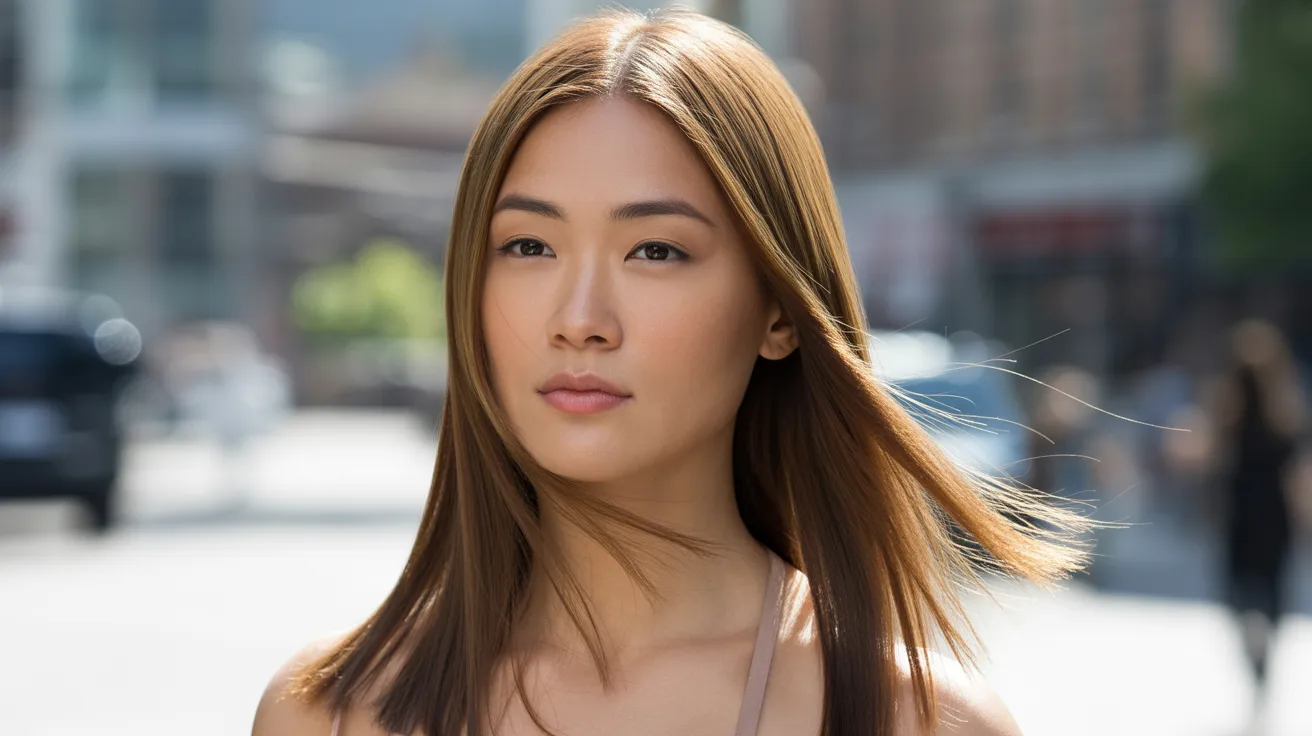
A straight perm — sometimes called a magic straight or Brazilian-style treatment — is used to relax natural wave and curl patterns into a smooth, even texture. It is a popular salon service because the results last for several months and significantly reduce the time spent styling each morning.
On a normal setup with fine to medium hair, the treatment leaves the hair feeling lighter and softer than chemical relaxers sometimes do. The texture is smooth without appearing flat, which is part of why this technique is used to achieve some of the sleeker styles in this category.
12. The C-Curl Blowout
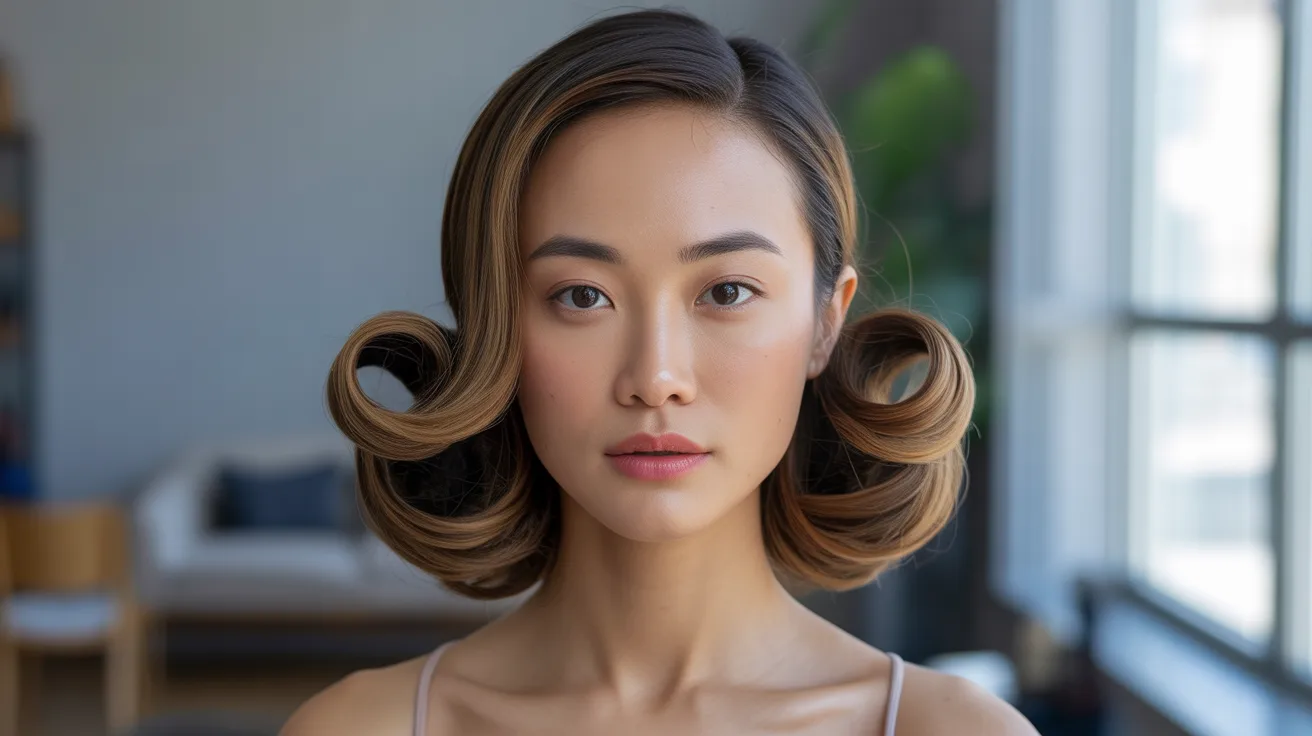
A C-curl blowout refers to a style where the ends of the hair are curled either inward toward the face or outward away from it, creating a gentle C-shaped bend at the tips. This is done with a round brush during the blow-drying process rather than with a curling iron.
The result is a polished, put-together look that adds just enough movement at the ends to avoid looking stiff. After trying this look, it was noticeable that curling the ends inward created a softer, more face-framing effect while curling outward gave a slightly more open and airy result.
13. The Hime Cut
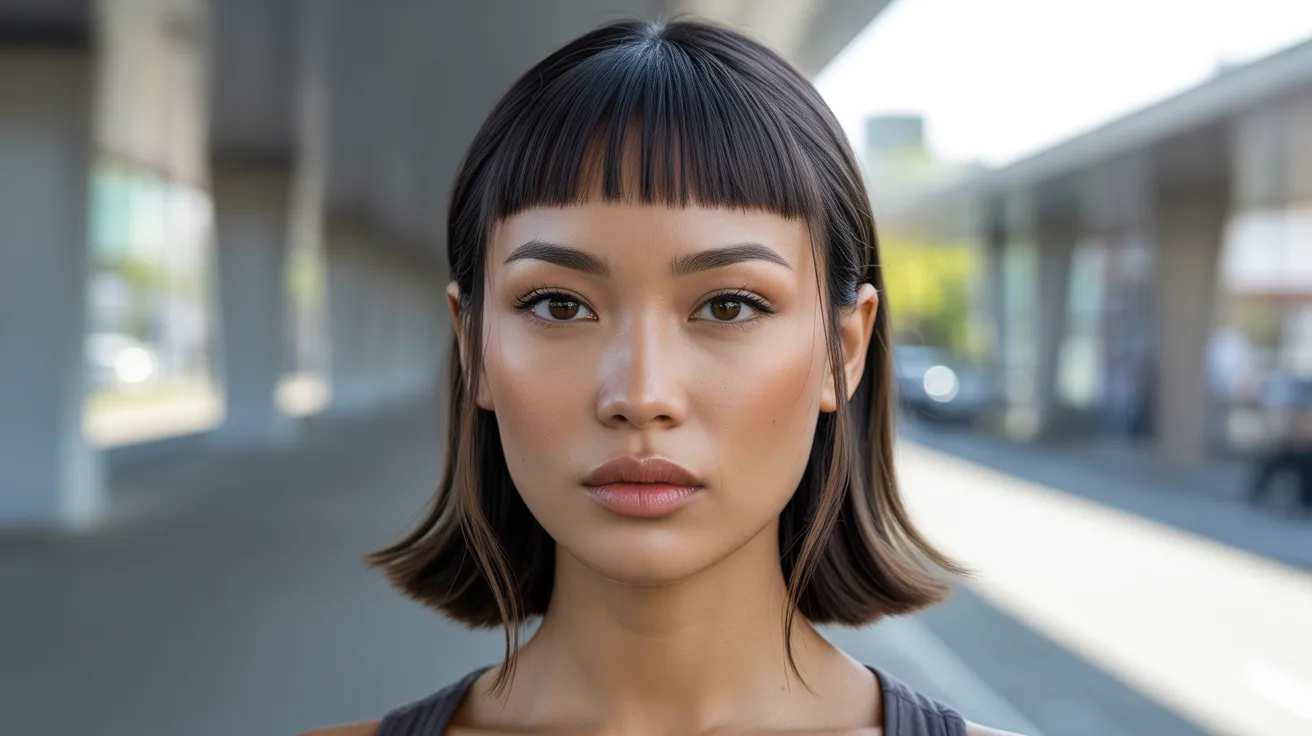
The hime cut is characterized by straight-across bangs and two shorter sections of hair at the front that fall to about the chin or jaw level, while the rest of the hair remains long. It has historical roots in Japanese styling but has been widely adopted in Korean fashion circles.
This cut works best on hair that is naturally straight or has been straightened, because the shape depends on clean lines and even lengths to read clearly. During regular use, the key to keeping it looking intentional is trimming the front sections consistently so they do not blend into the longer back layers.
14. The Short Pixie With Soft Edges
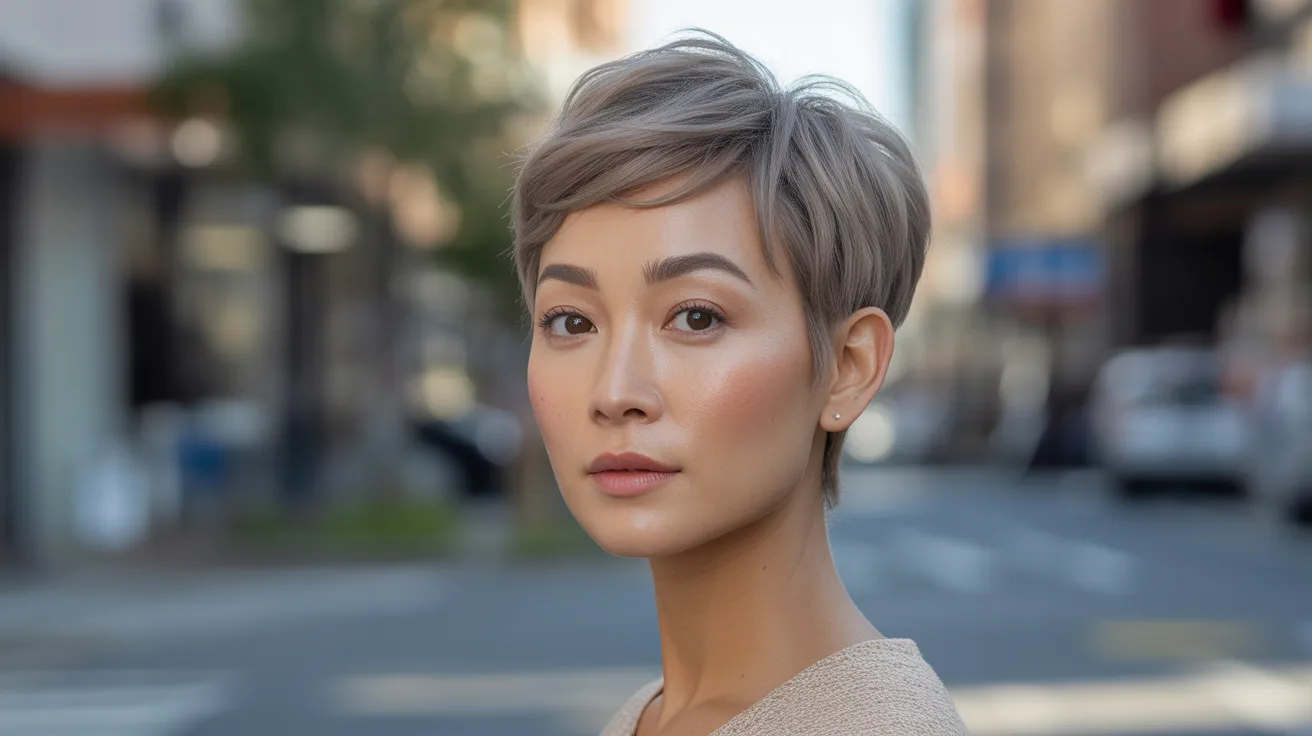
A soft-edged pixie keeps the sides and back relatively short while leaving the top section longer and styled forward or to the side. This version of the pixie avoids the sharper, more structured finish that some cuts use and instead leans toward a more delicate, feminine result.
The soft-edged pixie is a recognized style among Korean hairstyles for women who prefer a low-maintenance cut that still reads as intentional and styled. After trying this look, it was clear that the softness at the hairline — particularly around the ears and nape — was the main detail that separated it from more angular versions of the same cut.
15. The Layered Curtain Bang
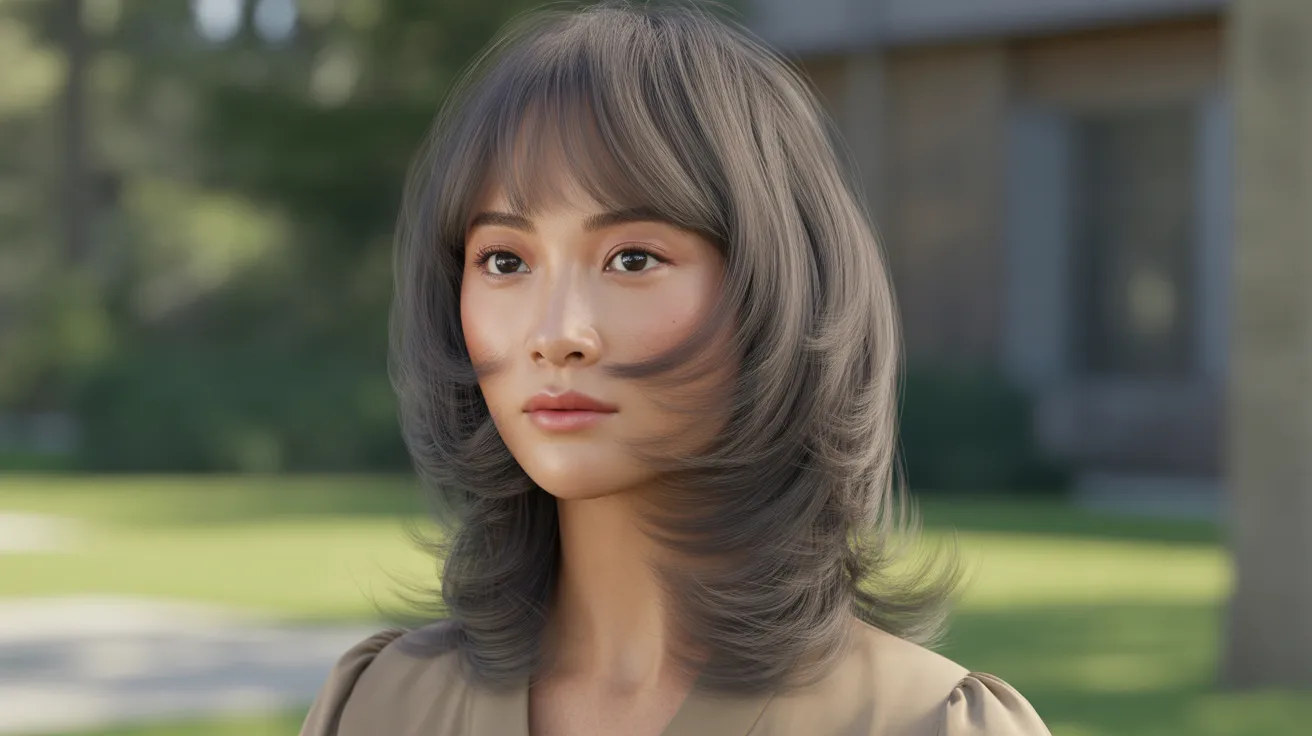
A layered cut paired with curtain bangs is a combination that has been widely used because both elements work toward the same goal — creating movement and framing around the face. The layers add body through the mid-section while the bangs draw the eye toward the center of the face.
This pairing works particularly well on medium to long hair where the layers have enough length to move freely and the bangs do not look disproportionate. On a normal setup with a blow dryer and a round brush, both the layers and the bangs can be shaped in a single styling session without needing separate tools.
16. The Space Bun Style
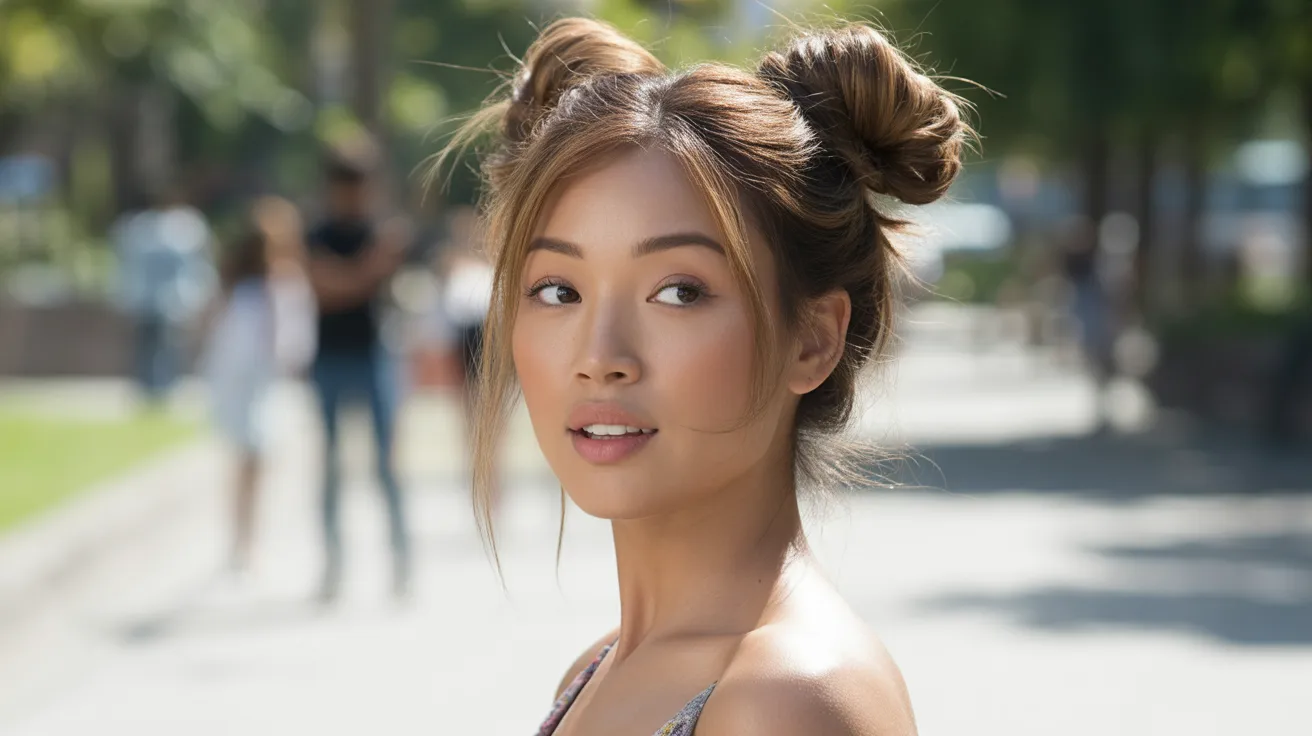
Space buns — two small buns placed on the upper section of the head — are worn as a playful, youthful style that is easy to create at home with minimal tools. The buns can be placed higher on the crown for a more dramatic look or slightly lower and looser for a relaxed version.
This style is commonly seen in casual or street-style settings and is often paired with curtain bangs or a middle part for a cohesive look. The small limitation worth noting is that space buns tend to work better on hair that has at least shoulder length, as shorter hair may not have enough length to wrap into a clean bun shape.
17. Long Layered Waves Loved in Korean Hairstyles for Women
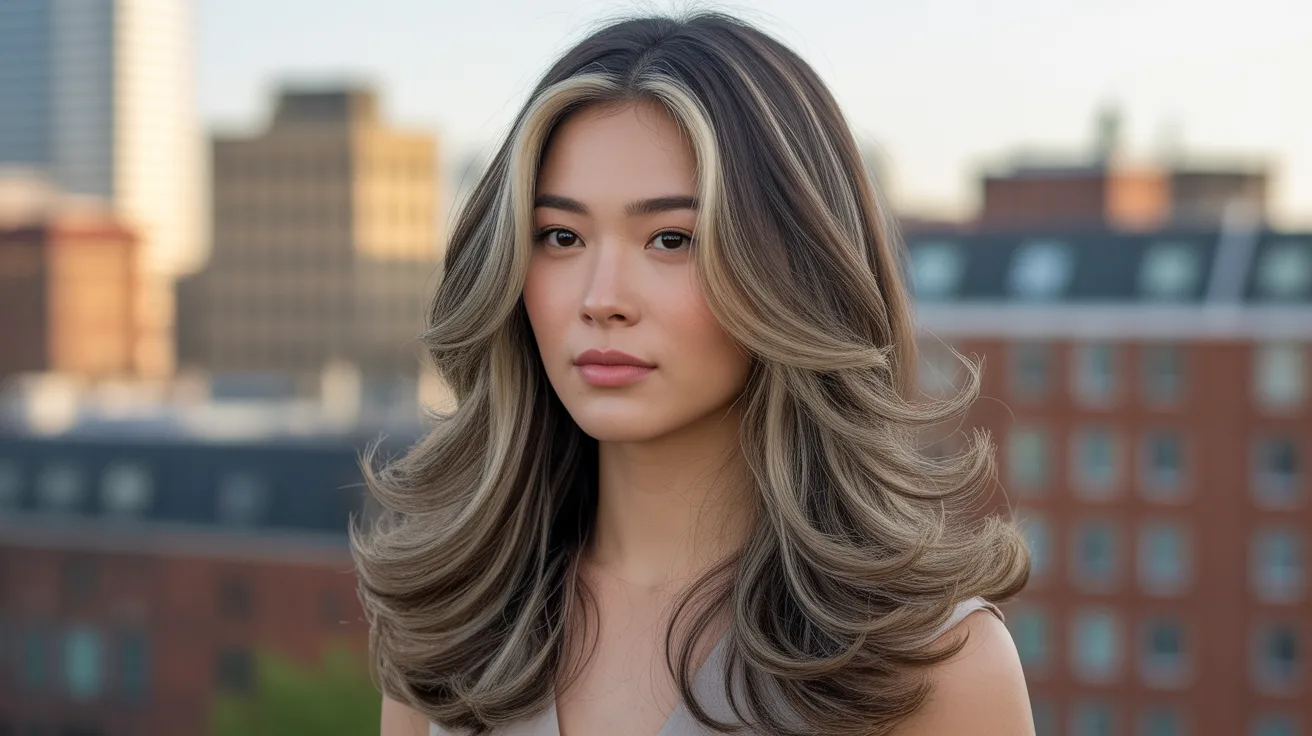
Long layered waves bring together two elements — the movement of a wave and the structure of a layered cut — to create a style that feels dynamic without requiring precise styling every day. This combination is often used in Korean hairstyles for women who want a look that transitions easily from day to night.
The layers in this style are typically cut to cascade from the mid-section downward, which keeps the top of the hair fuller while allowing the lower sections to move more freely. After trying this look, it was apparent that using a wide-toothed comb after washing — rather than a brush — helped preserve the wave pattern through the drying process.
18. The Half-Up Bow Style
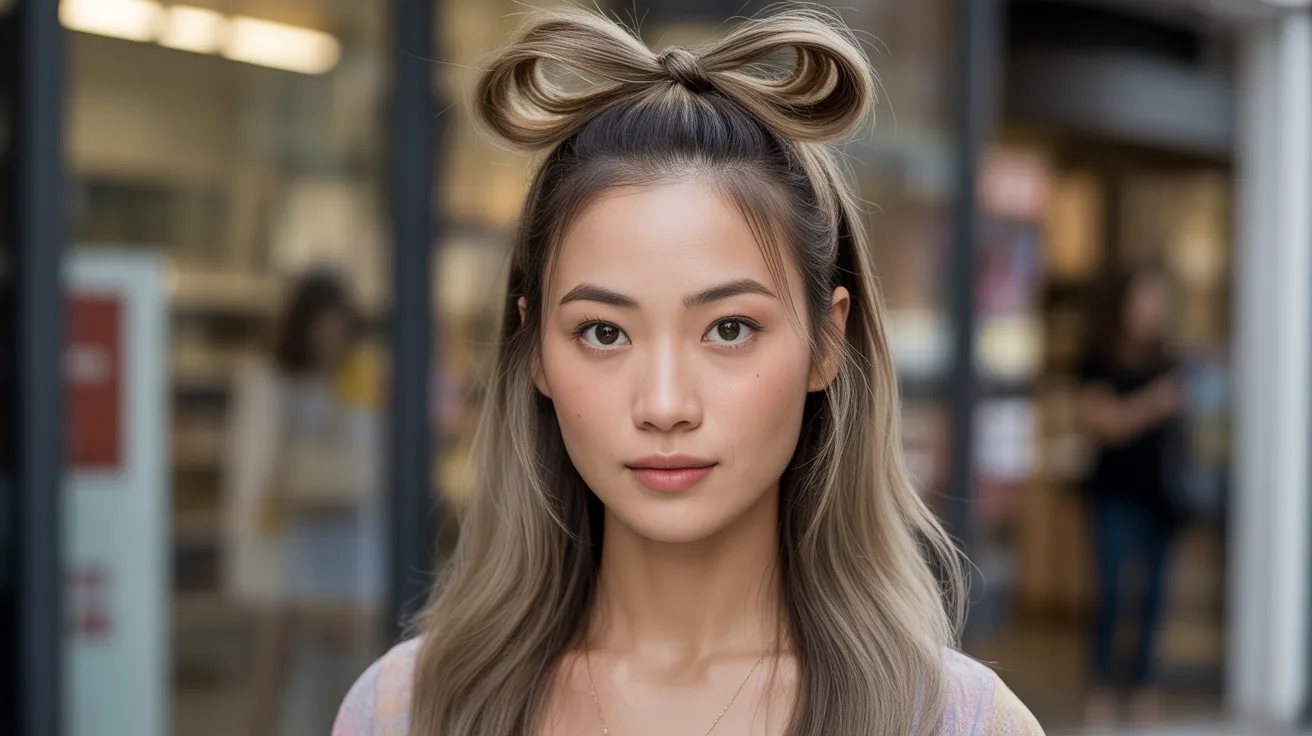
The half-up bow is a style where a section of hair from the upper crown is looped and shaped into a bow using the hair itself rather than an accessory. It is a creative look that became widely popular through social media and has been frequently featured in Korean styling content.
This style is easier to create than it appears at first because the loop does not need to be symmetrical to look good — slight asymmetry actually adds to its charm. On a normal setup with a small elastic and two bobby pins, the bow can be formed and secured in under five minutes.
19. The Sleek High Ponytail
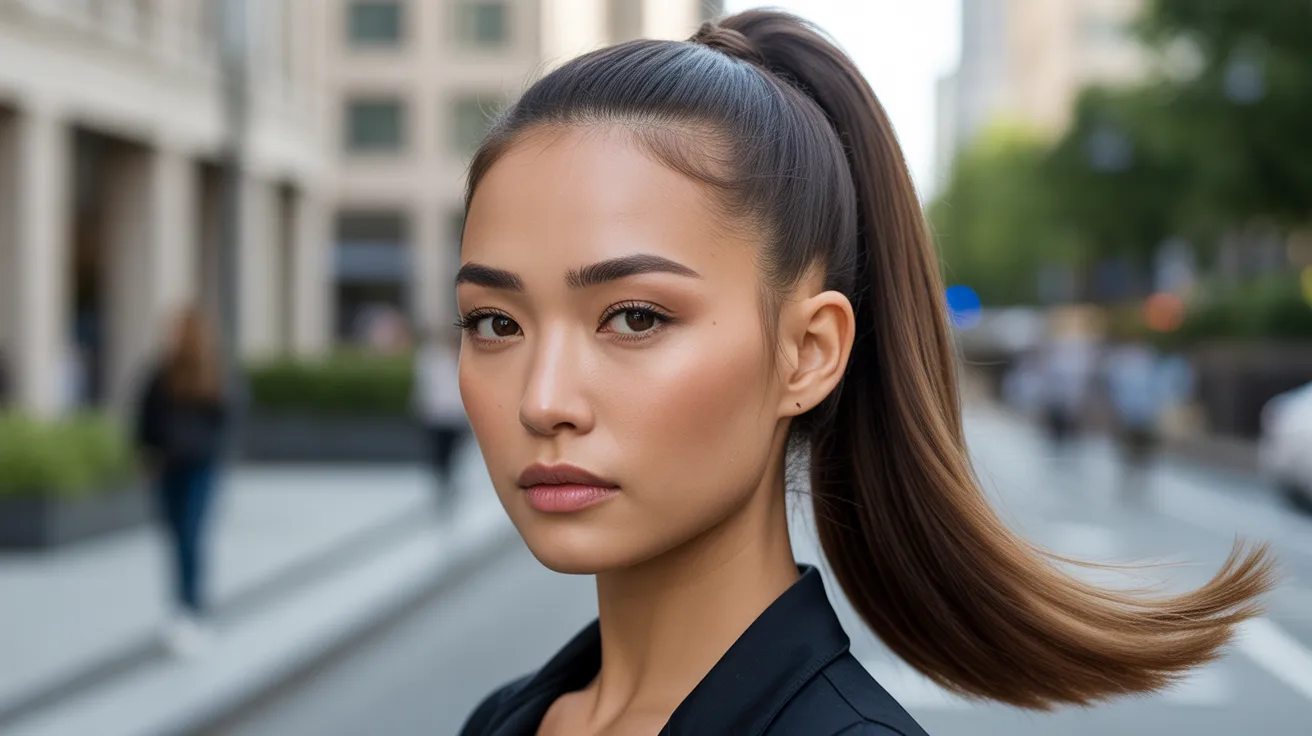
A sleek high ponytail is brushed smooth from the roots, gathered at the crown, and secured without any flyaways or texture at the base. It is a style that appears in both everyday and formal settings because of how clean and polished it looks across different contexts.
The key to getting this style to sit correctly is applying a smoothing product before pulling the hair back and using a fine-tooth comb to flatten the surface layer before securing it. During regular use, a small amount of edge control product or a light gel applied along the hairline helps complete the clean finish that defines this look.
20. The Low Bun With Side Pieces
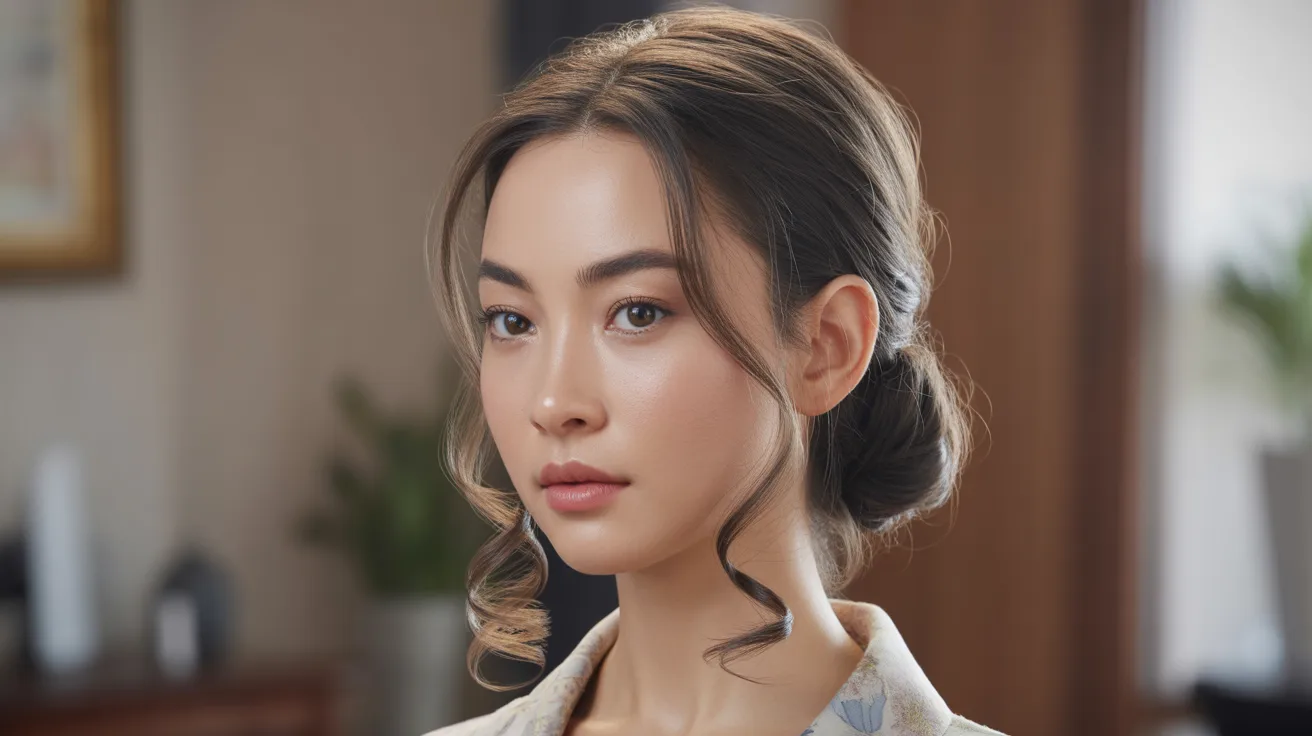
A low bun placed at the nape of the neck with two loose face-framing pieces left out at the front is a softer, more relaxed version of a formal updo. The pieces left out are usually styled with a slight wave or curl at the ends to add a romantic quality to the overall look.
This style appears regularly among Korean hairstyles for women who want a practical updo that still looks thoughtfully styled rather than rushed. After trying this look, it became clear that the two front pieces are the most important detail — they soften the structure of the bun and prevent the style from looking too severe.
21. The Bubble Braid
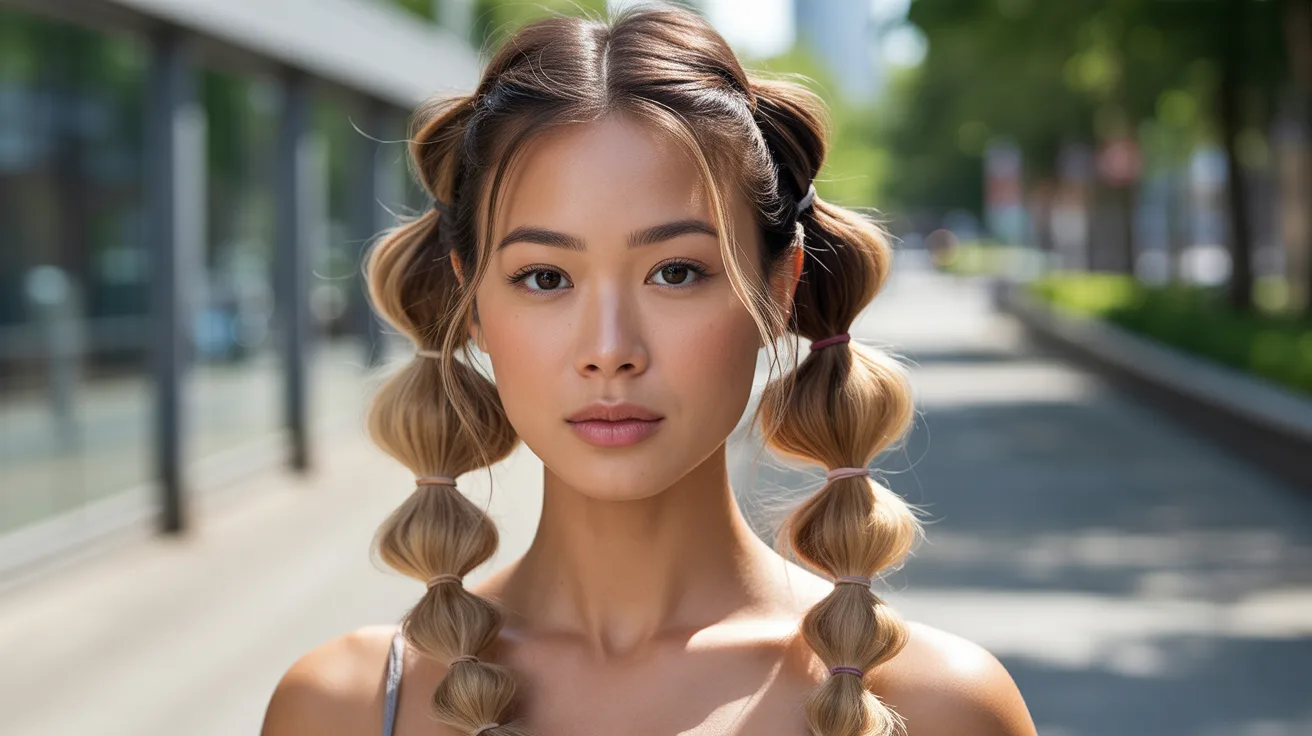
A bubble braid is created by dividing the hair into a single ponytail and then tying small elastics at even intervals down the length, pushing the sections between each elastic outward to create a rounded, bubble-like shape. It is a style that looks complex but is relatively simple to do at home.
The finished look adds significant visual interest to what would otherwise be a plain ponytail, and the texture of the bubbles hides any unevenness in the hair’s natural thickness or density. On a normal setup with fine hair, this style actually looks fuller and more textured than expected because the bubbles add the appearance of volume throughout.
22. Effortless Updos That Define Korean Hairstyles for Women
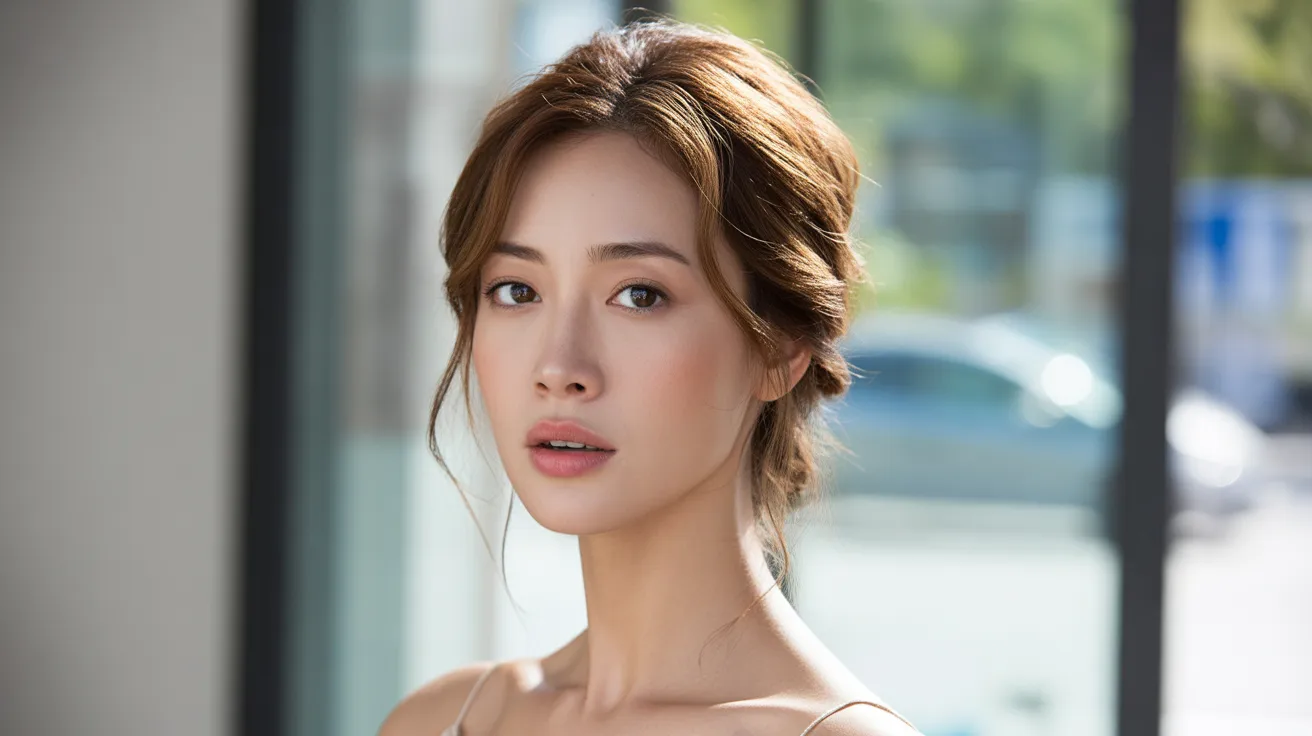
The effortless updo category includes any loosely pinned or twisted style that keeps the hair off the neck while still looking intentional rather than rushed. These styles have become closely associated with Korean hairstyles for women because of how often they appear in both editorial and everyday fashion content.
A popular version of this look involves twisting the hair into a loose figure-eight shape and pinning it at the center with a few hairpins rather than securing it with an elastic. After trying this look, the main thing that made it work was not overthinking the placement — the slight imperfection of the shape is what gives it that relaxed, editorial quality.
23. The Double Dutch Braid
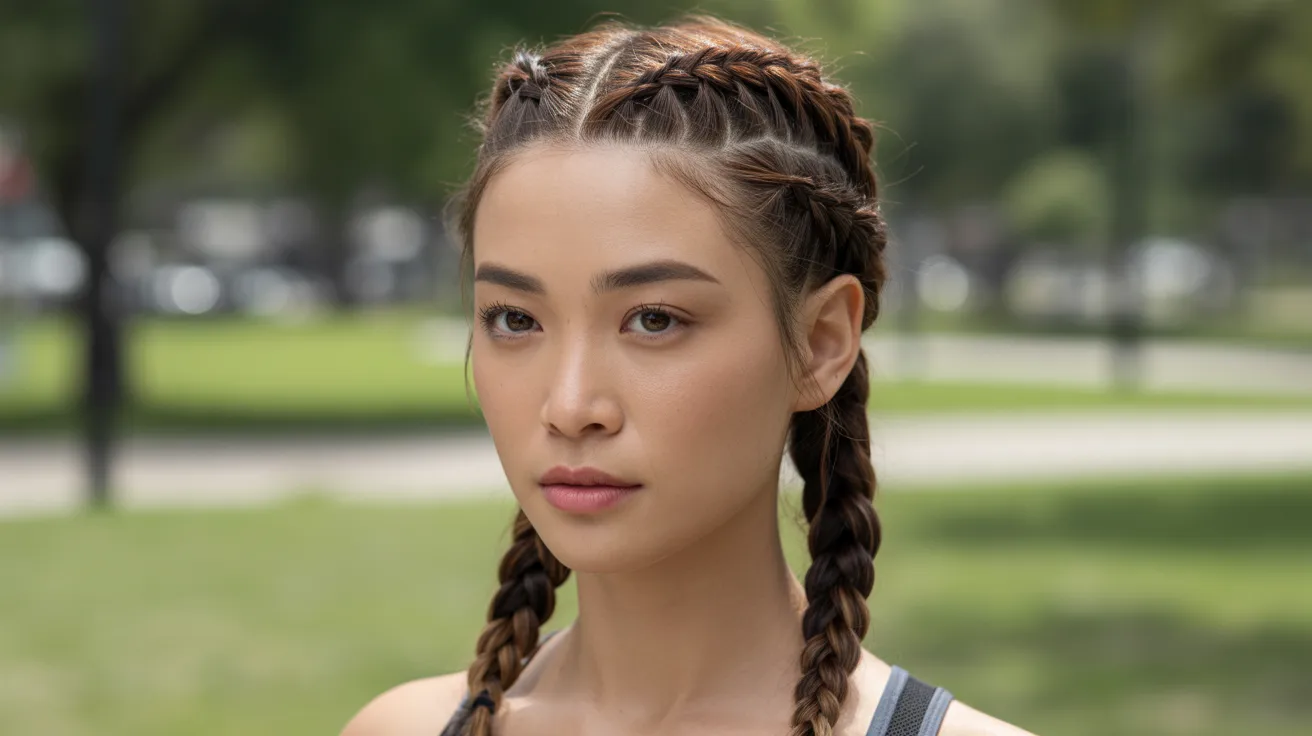
Double Dutch braids run along the scalp from the front hairline to the back, with the strands braided under rather than over, which makes the braid sit on top of the hair rather than lying flat against it. This creates a raised, structured appearance that is popular in both sporty and casual style contexts.
This style holds well through activity and keeps the hair fully secured without needing to be reset through the day, which is a practical advantage on busy days. A small limitation is that Dutch braids require some practice to create even tension throughout both braids — uneven tension can make one braid appear tighter or higher than the other.
24. The Minimalist Clean-Part Look
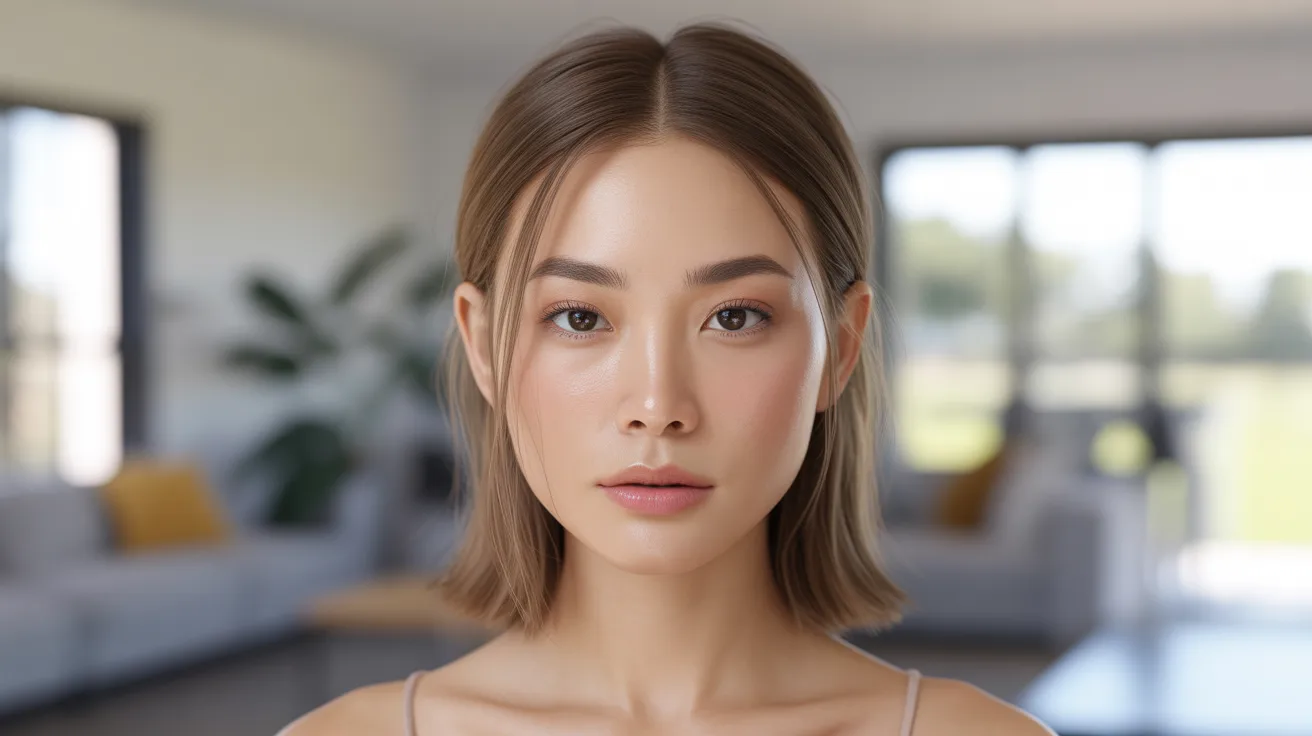
A clean center or side part with hair left straight and unstyled beyond the parting itself is a look that has gained consistent traction because of how little effort it requires while still appearing deliberate. The style depends entirely on the quality of the base — clean, well-conditioned hair holds the part cleanly and reflects light evenly across the surface.
This is one of the most accessible looks in this full list because it requires no heat tools, no styling products, and no advanced technique. On a normal setup with freshly washed and air-dried hair, running a fine-tooth comb through a defined part and letting the hair settle is all that is needed to complete the look.
Conclusion
Many of the styles covered in this list are accessible at home with minimal tools, and a few are best achieved with a professional cut as the foundation. The range covered here reflects how diverse Korean hairstyles for women have become — from short pixies to long layered waves, each look is designed to be worn with ease rather than effort.
The common thread across all 24 of these looks is a focus on texture, placement, and the natural behavior of the hair rather than forcing a shape that works against it. Choosing a style that fits your current length and natural texture will give the most consistent results with the least maintenance over time.