
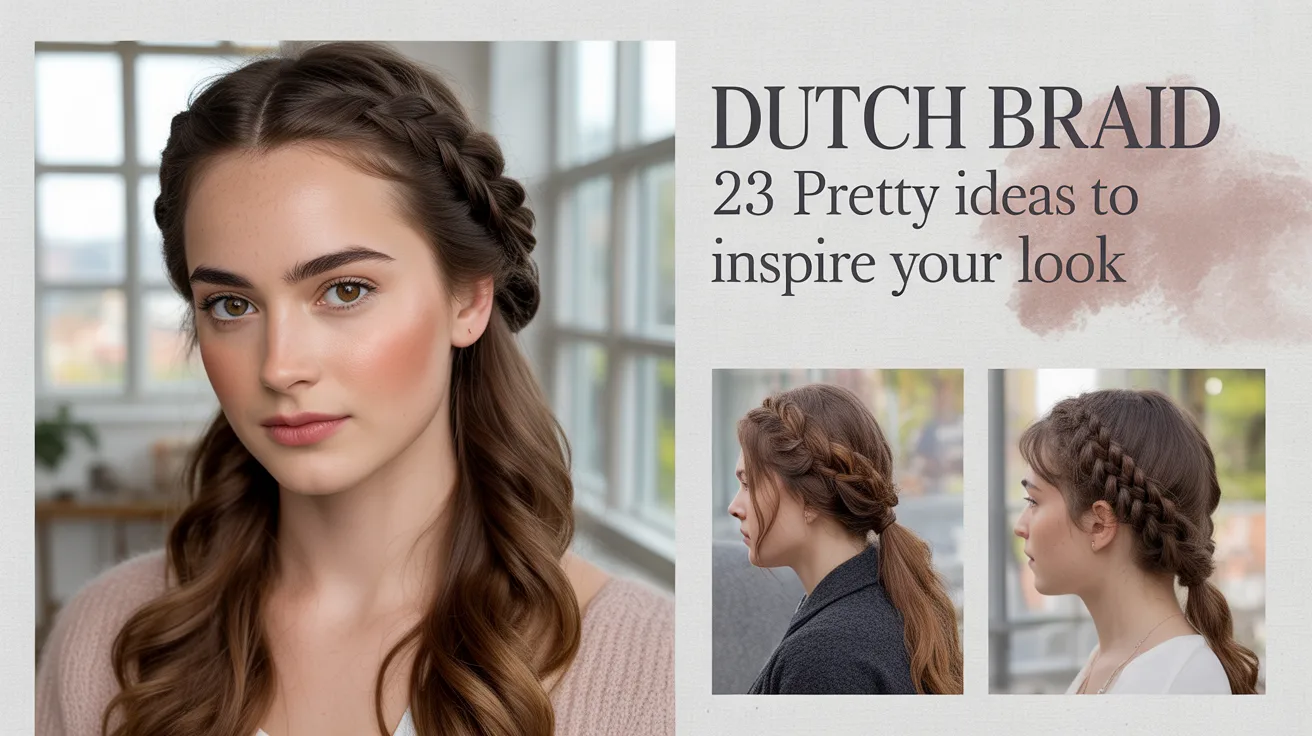
Dutch Braid Hairstyles – 23 Pretty Ideas to Inspire Your Look in 2026
Dutch braid hairstyles have been a go-to choice for many people across different hair types and lengths. After trying several of these styles over time, it becomes clear how much variety is actually possible with just one braiding technique. What makes these braids stand out is the way the strands are woven under rather than over each other, creating a raised, defined look. During regular use on everyday hair, this method was noticed to hold much better than a standard three-strand braid and stays neat through most of the day.
The Classic Single Dutch Braid

A single braid running straight down the back is the most well-known version of this style. On a normal setup with medium-length hair, a single dutch braid hairstyle is often the best starting point because it is easy to learn and quick to finish. This style works on both straight and wavy hair, and it tends to hold its shape without needing many products. After trying this look on thick hair, it was found that splitting the hair cleanly from the crown gives the braid a cleaner and more even appearance throughout.
Double Dutch Braid Hairstyles for Everyday Looks

Two braids running parallel down each side of the head are a practical and neat option for active days. Dutch braid hairstyles worn in pairs like this are especially popular for workouts, school routines, or any day when hair needs to stay out of the face for hours. During regular use, double braids were found to distribute tension more evenly across the scalp, which makes them more comfortable to wear for long stretches. A clean center part is the most important step here, as an uneven part will make the two braids look noticeably different from each other.
Dutch Braid Updo for a Neat and Elegant Finish
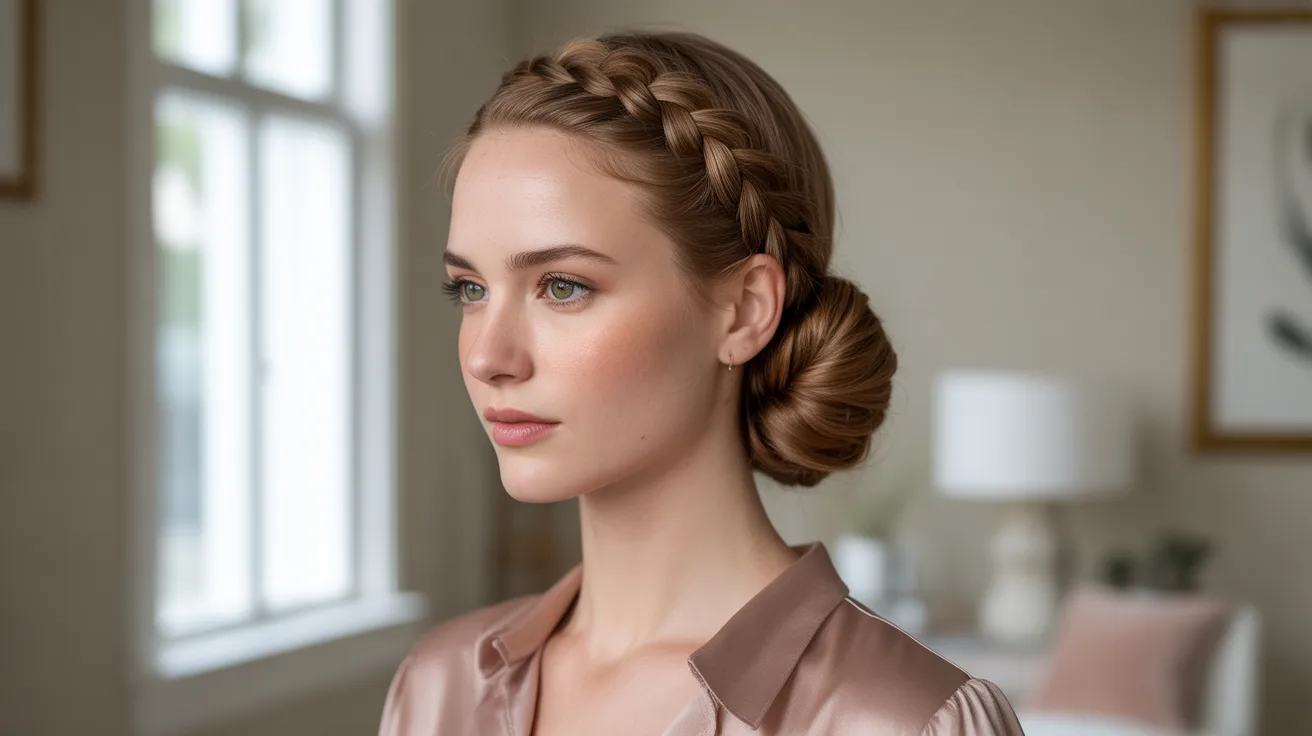
Tucking the ends of a Dutch braid into a bun or a twist at the nape creates a polished updo that works well for formal events. After trying this on fine hair, it was noticed that securing the base with a small elastic first helps the updo stay stable without needing heavy pins. This version of the style gives a cleaner look than a loose braid while still keeping the textured, raised appearance that makes the technique distinctive. It tends to work best on hair that has not been freshly washed, as natural oils add grip and help the braid stay in place longer.
Dutch Braid Hairstyles with a Half-Up Twist
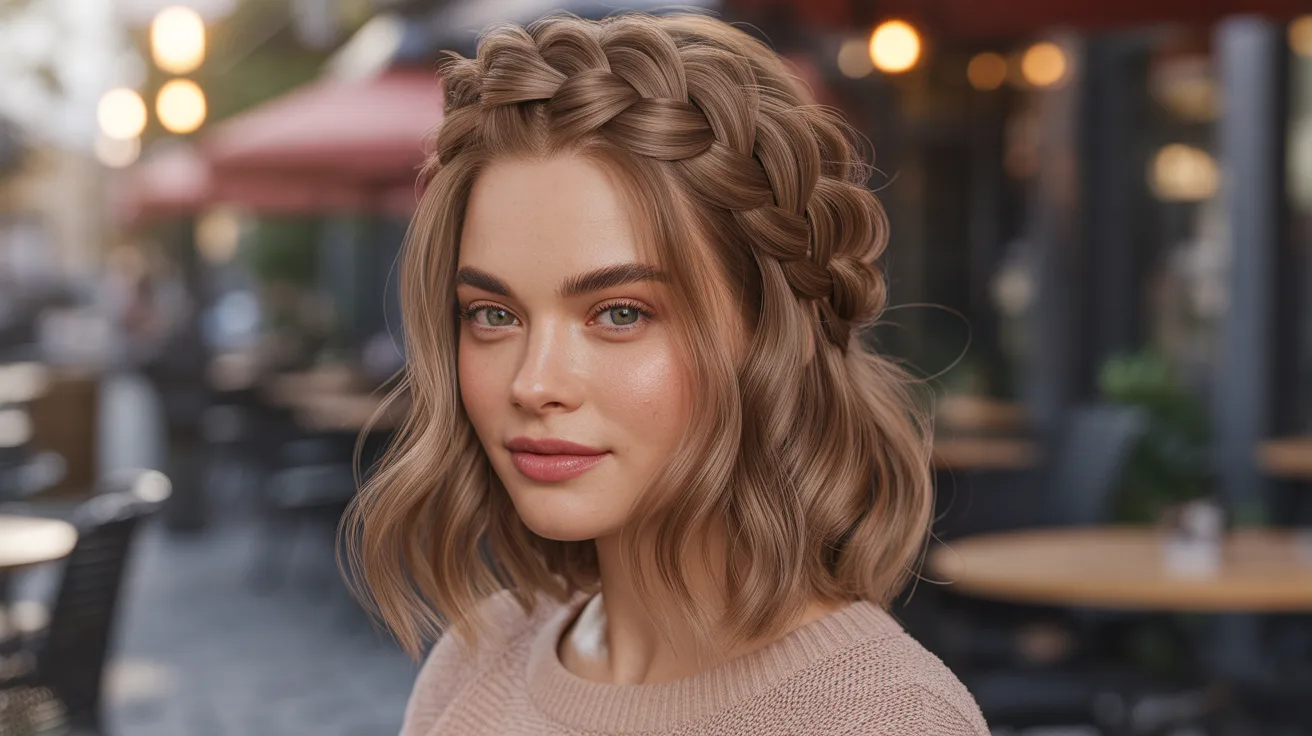
Taking just the top section of hair into a Dutch braid and leaving the rest down creates a half-up style that feels both casual and put-together. Dutch braid hairstyles done this way are a good middle ground between wearing hair fully up and leaving it completely loose. This look was tried on shoulder-length hair and it gave a nice lift at the crown without flattening the rest of the hair. Leaving a few face-framing strands out of the braid adds a softer finish, which makes the style feel less structured and more natural throughout the day.
Side-Swept Dutch Braid for a Romantic Touch
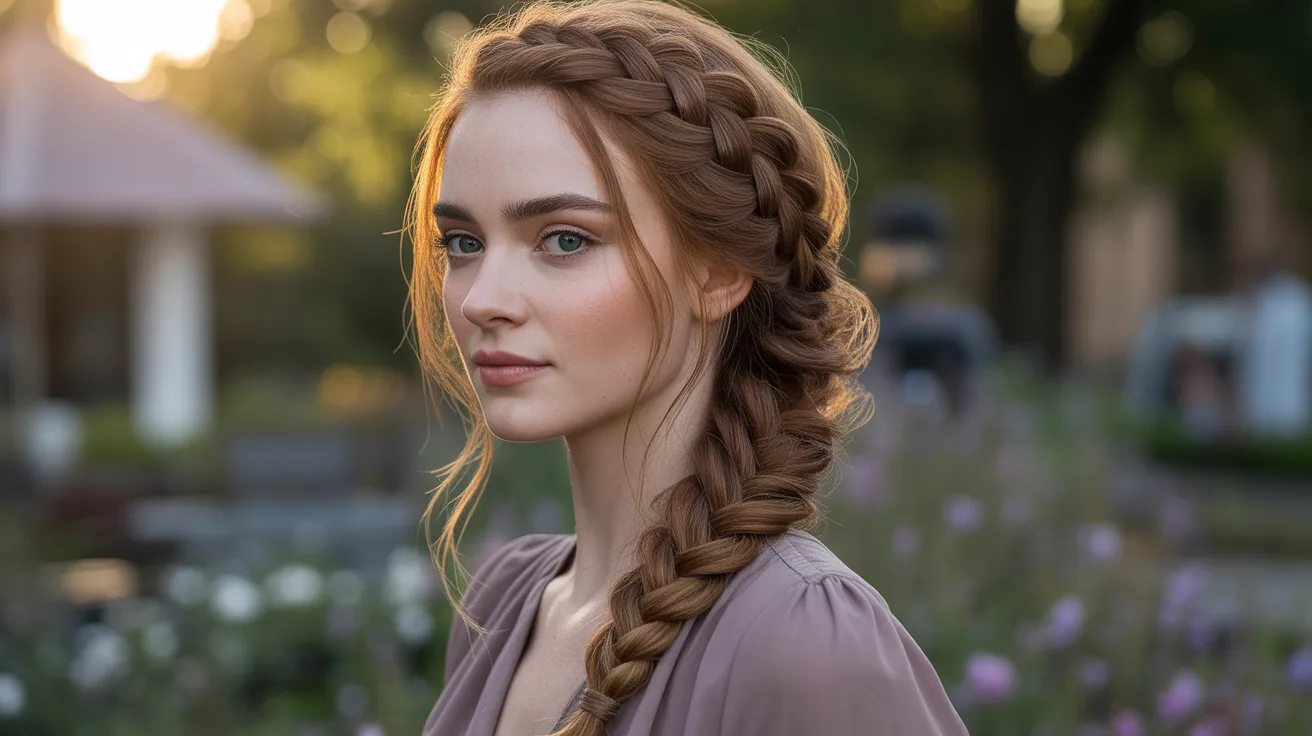
Starting the braid at one side of the head and sweeping it across toward the opposite shoulder creates a diagonal look that feels more romantic than a centered braid. After trying this on wavy hair, it was noticed that the natural texture makes dutch braid hairstyles feel special without needing much extra effort to add volume or body. The sweep of the braid frames the face in a flattering way and works especially well for evening events or occasions where a slightly more dressed-up look is needed. Keeping the braid loose by gently pulling on the outer sections after finishing gives it a fuller and less rigid appearance.
Braided Crown Using the Dutch Technique
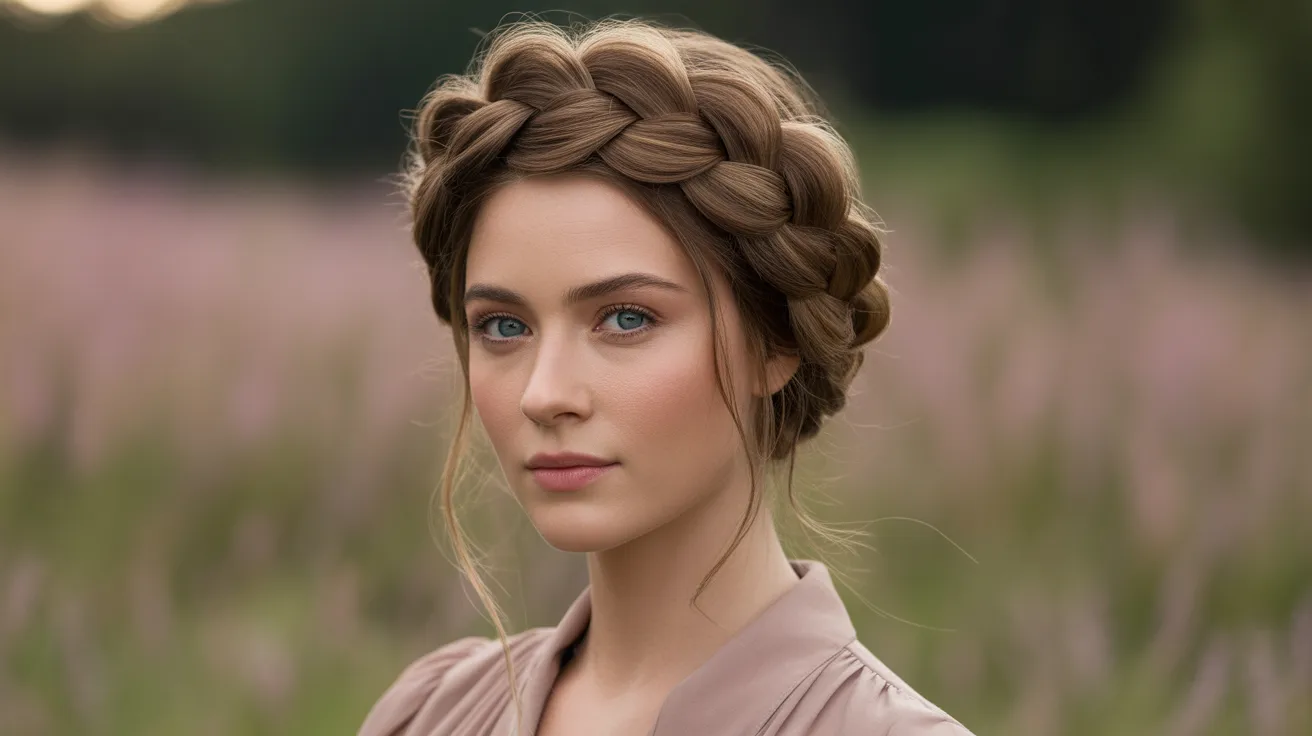
Wrapping a Dutch braid around the entire head like a crown creates a striking and symmetrical look that frames the face beautifully. This style was found to take a bit more practice than a standard braid, but the result holds very well and does not require many pins once the technique is learned. On medium-thick hair, the crown braid sat close to the head and stayed in place for most of the day without much adjustment. Using a light-hold spray just before braiding helps the sections grip each other and prevents loose hairs from escaping along the sides.
Dutch Braid Hairstyles for Short Hair That Truly Work

Short hair can absolutely be braided using the Dutch technique, and the results are often surprisingly neat and defined. Dutch braid hairstyles on shorter cuts tend to look bolder and more structured because there is less length to soften the raised sections of the braid. On hair just past the chin, a single Dutch braid was found to work best when started very close to the hairline at the top. Securing with a small clear elastic at the end keeps everything together, even if the tail is quite short by the time the braid reaches the nape of the neck.
Dutch Braid with a Messy Bun Finish

Gathering the tail of a Dutch braid into a messy bun rather than leaving it loose creates a relaxed but intentional look. After trying this on longer hair, it was clear that pulling the bun apart slightly after securing it gives the whole style a softer and less formal feel. This combination is a practical choice for days when a full updo feels too stiff but a loose braid feels too casual. During regular use, it was also noticed that this style holds up well in humid conditions where loose hair tends to frizz or lose its shape quickly.
Dutch Braid into a Ponytail for a Sporty Look

Beginning a Dutch braid at the crown and continuing it into a high or low ponytail creates a sporty look that keeps hair completely secure. This version is especially useful for physical activity because the braid prevents the scalp from being pulled uncomfortably by a plain elastic alone. After trying this during a workout, it was found that the braid distributes tension across a wider area, which makes the ponytail feel more comfortable over extended periods. Finishing with a small section of hair wrapped around the elastic gives the look a slightly more styled appearance without adding extra time.
Fishtail Meets Dutch Braid for Added Texture
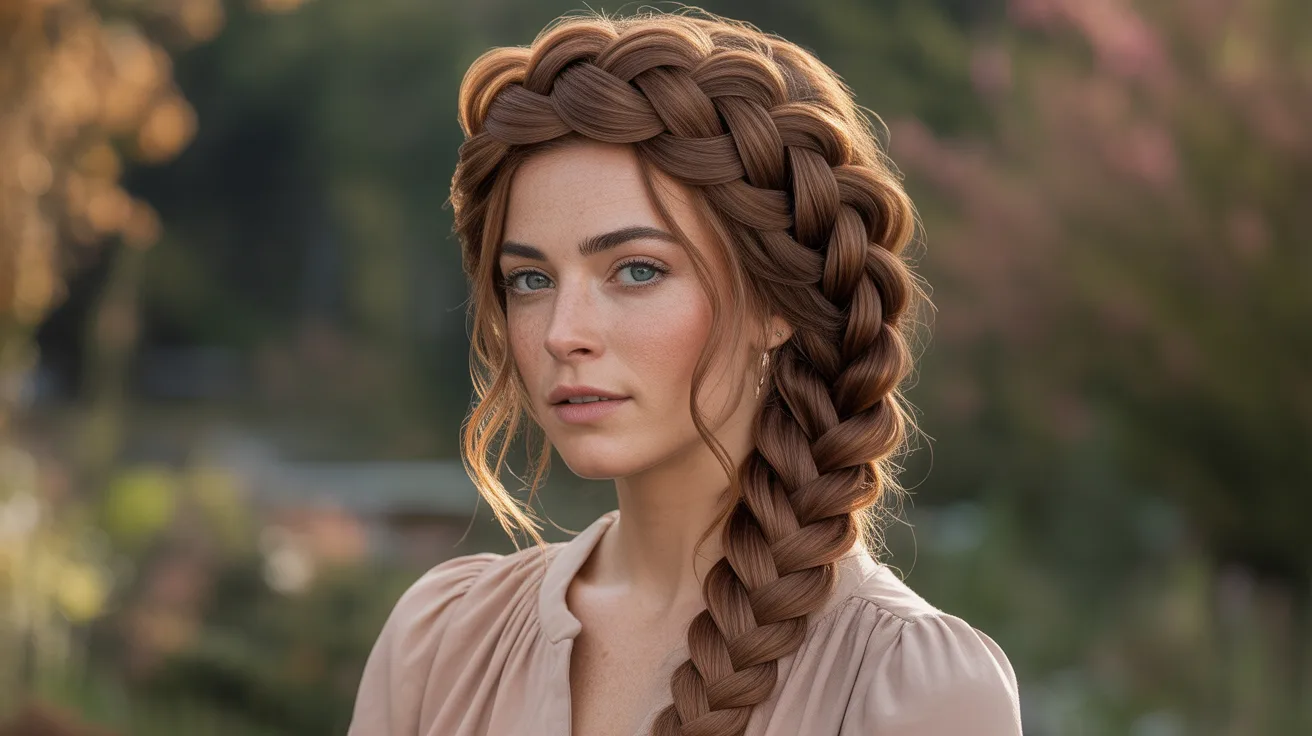
Combining the Dutch under-crossing technique with fishtail sections creates a braid that has more texture and visual depth than a standard version. During regular use on thick hair, dutch braid hairstyles done with fishtail sections were found to hold particularly well and create an impressive look with very little extra effort. This hybrid style works best on hair that has some texture already, whether from natural waves or from a texturizing product applied beforehand. Starting with slightly damp hair helps the small sections separate cleanly and makes the finished braid look more defined and intentional.
Waterfall Effect Combined with Dutch Braiding
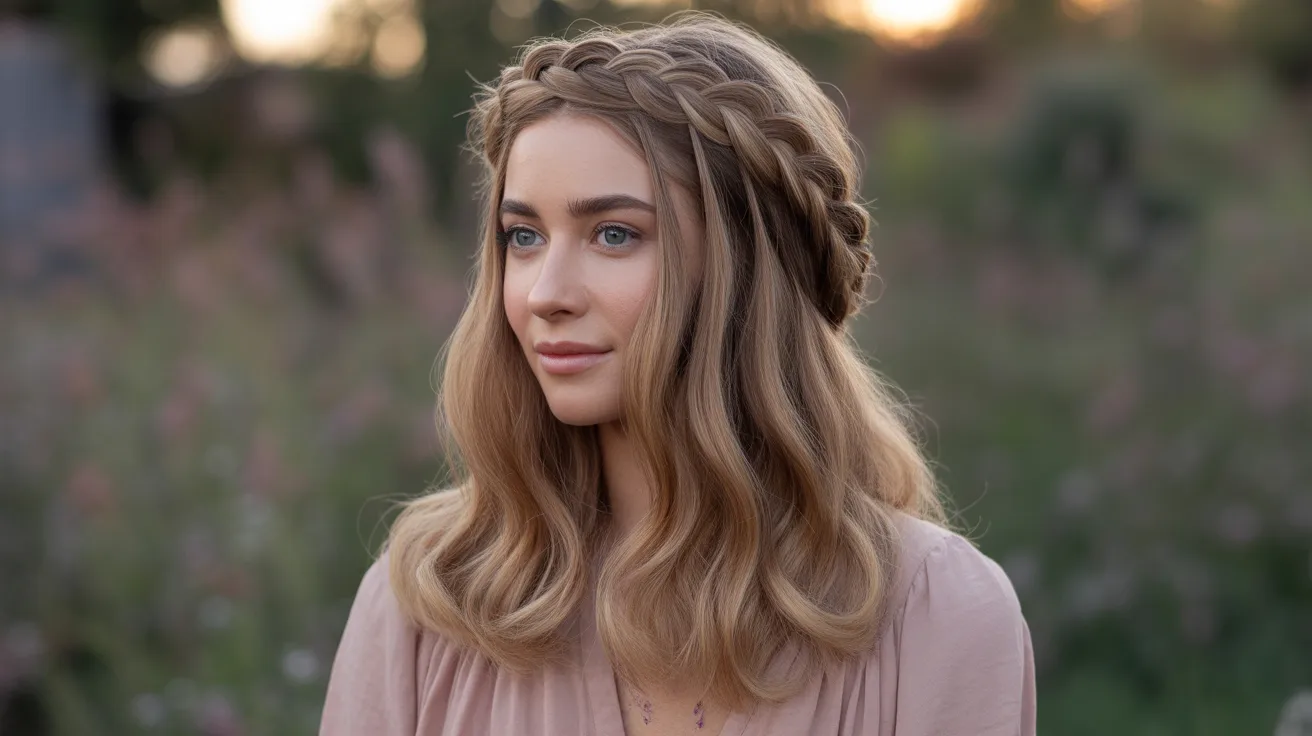
Dropping sections of hair through the braid as it progresses creates a waterfall effect that lets loose strands fall in a decorative way. This style was tried on straight, medium-length hair and the falling sections added a softness to the look that a standard closed braid does not provide. The technique takes a little more concentration because one section is released and replaced with a new strand at each step, but the result is noticeably different and eye-catching. Curling the released sections lightly before starting gives the waterfall strands more presence and makes the overall look feel more finished.
Dutch Braid Hairstyles Styled into a Low Bun
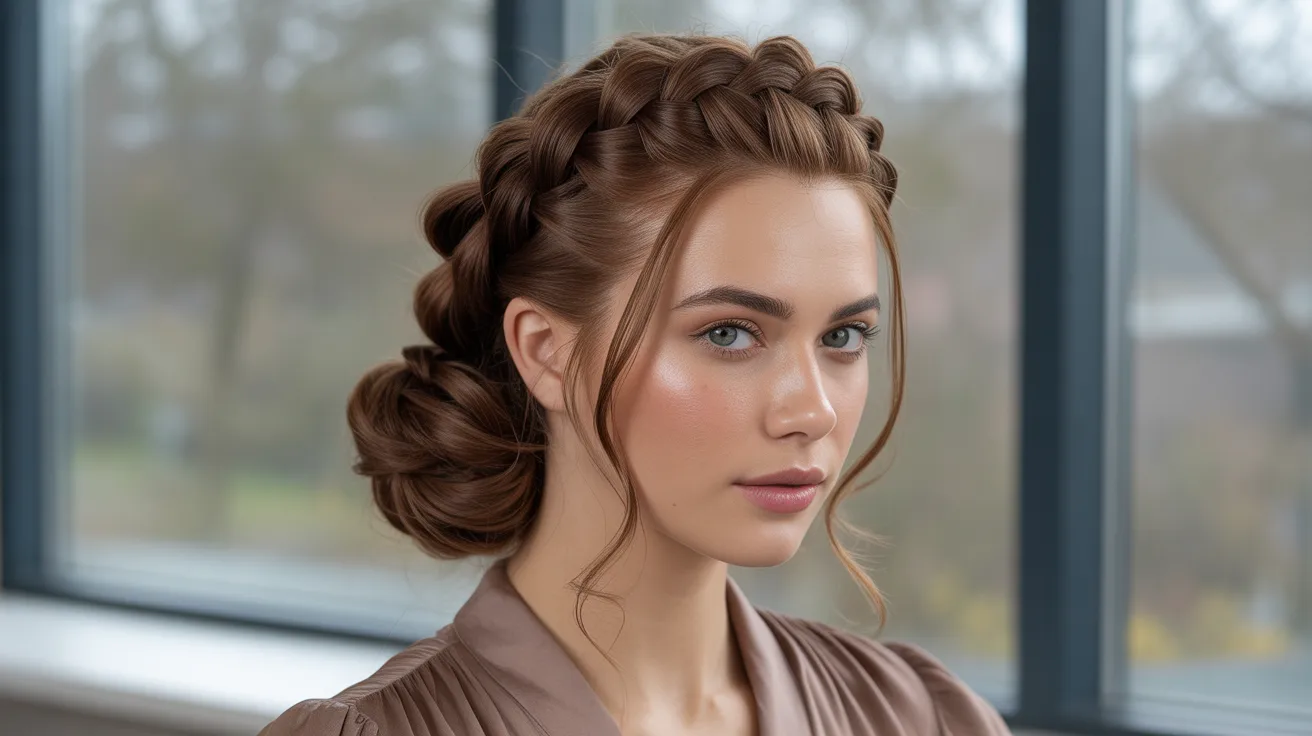
Braiding from the top of the head and gathering everything into a low bun at the nape is a versatile option that works for both professional settings and weekend outings. Dutch braid hairstyles finished with a low bun give the impression of a much more complicated style than the process actually requires. After trying this on fine hair, it was found that back-combing the bun section very lightly before pinning it helps create a fuller shape that does not collapse throughout the day. Adding a decorative pin or a simple clip at the bun adds a finishing detail that makes the style feel more complete.
Chunky Dutch Braid for a Bold Statement
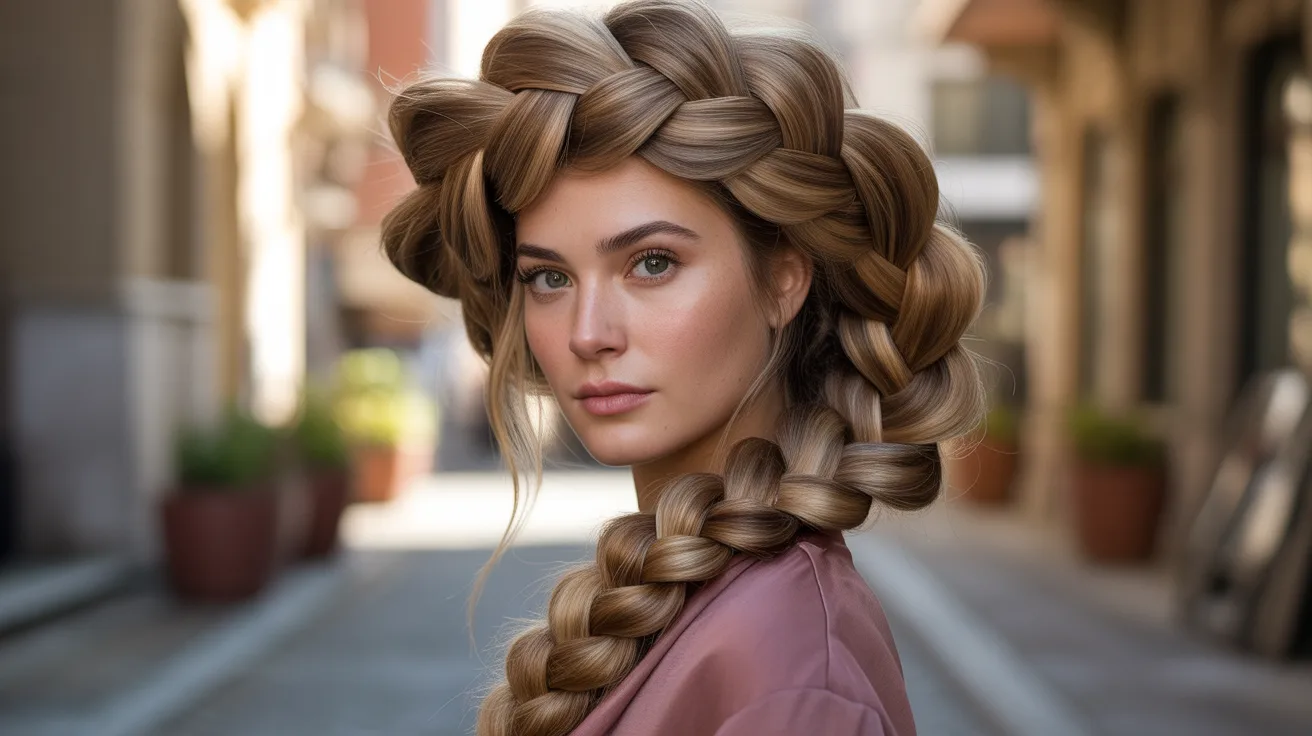
Working with large sections instead of small ones creates a chunky braid that looks bold and graphic rather than delicate. After trying this on thick, dense hair, it was noticed that keeping the tension consistent throughout is the most important factor in making the large sections lie flat and even. This style works well on hair that has been slightly roughed up with a texturizing spray because the sections grip each other better and the braid holds its shape more reliably. Loosening the outer loops slightly by pulling them apart after finishing gives the chunky braid extra volume and a more intentional, editorial appearance.
Dutch Braid Pigtails for a Playful Everyday Look

Two Dutch braids worn as low pigtails give a playful and youthful feel that works well for casual days out. After trying this on medium-length wavy hair, it was found that braiding each side with equal tension makes the finished pigtails look balanced and intentional rather than rushed. Tying each braid with a small colorful elastic or a thin ribbon adds a simple decorative touch that elevates the look without requiring any additional tools or skills. During regular use, this style was found to stay neat for most of the day even without any hairspray or additional product.
Stacked Double Dutch Braids for Thick Hair

Starting two braids at different points on the crown and stacking them so they sit one above the other creates an intricate layered appearance. On a normal setup with thick hair, this style was found to reduce bulk significantly while still keeping all the hair securely in place throughout the day. Each braid follows a slightly different path down the head, which creates an overlapping pattern that looks more complex than it actually is. After trying this, it was found that using a rattail comb to create clean diagonal partings before starting makes the sections sit more evenly and the finished style look far more deliberate.
Dutch Braid with Ribbon Woven Through for a Festive Look
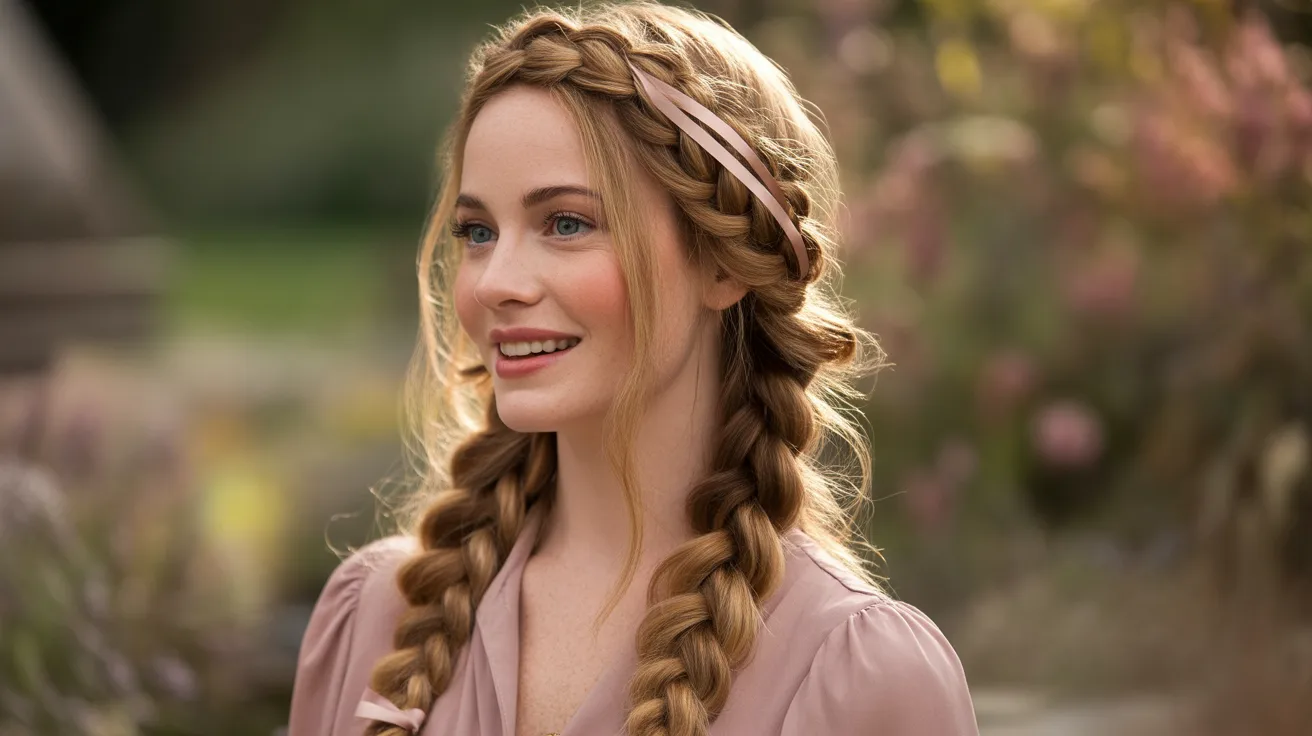
Threading a thin ribbon or piece of twine through the sections as the braid is being formed adds a decorative element that works especially well for celebrations or seasonal events. After trying this on fine hair, it was found that choosing a ribbon with a slight texture helps it stay in place without sliding out of the sections during braiding. The ribbon does not need to be pulled tightly through each loop to be effective, as a loose weave actually shows the color more clearly and gives the braid a more relaxed and organic appearance. This version of the style was found to attract a lot of positive attention at events and required very little extra time to achieve.
Dutch Braid Starting at the Nape for a Reverse Effect
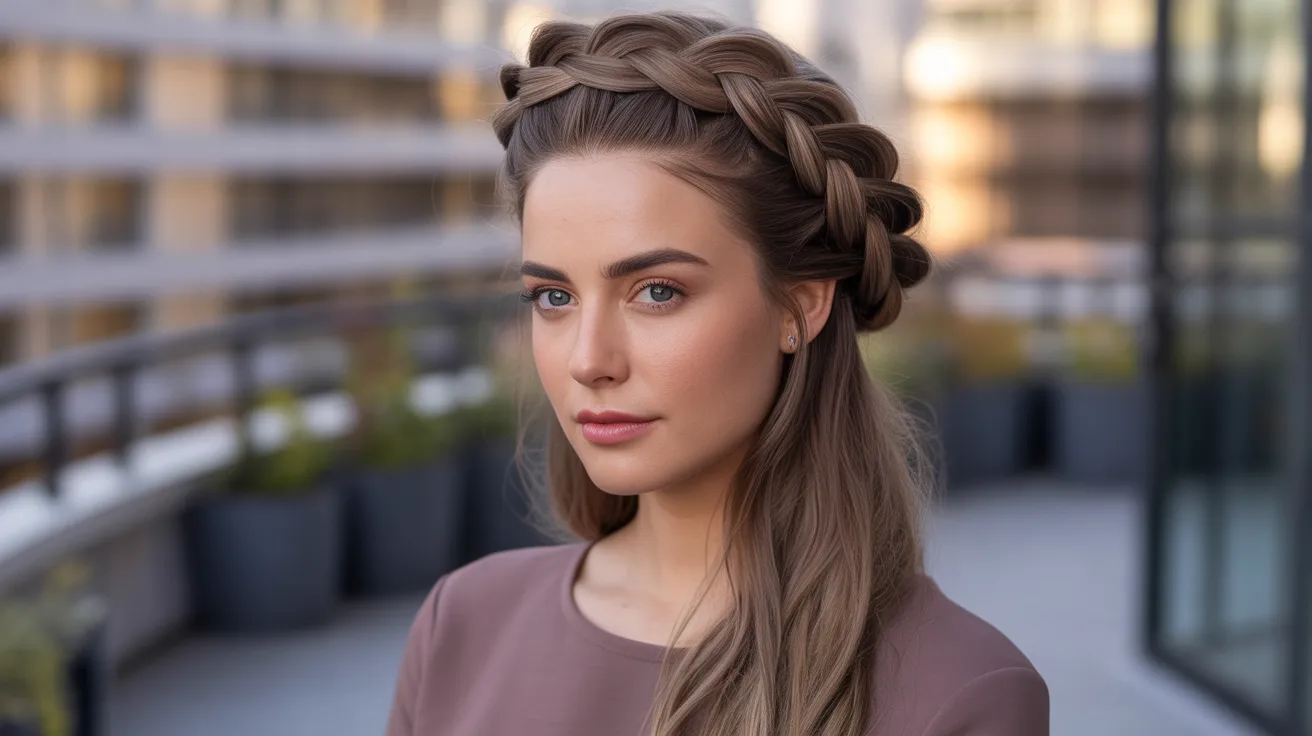
Instead of starting at the crown, beginning the braid at the nape of the neck and working upward creates a reverse effect that looks different from the standard top-down approach. After trying this on straight hair, it was noticed that this direction makes the scalp feel less tight because tension builds more gradually as the braid moves up. This style works best when the finished braid is gathered into a ponytail or tucked up, as letting it fall down the back can look a bit unusual without additional styling. Using a fine-tooth comb to keep each section tight as the braid progresses upward helps the reversed braid stay close to the scalp and look intentional.
Mini Dutch Braids Pinned Back as Accents
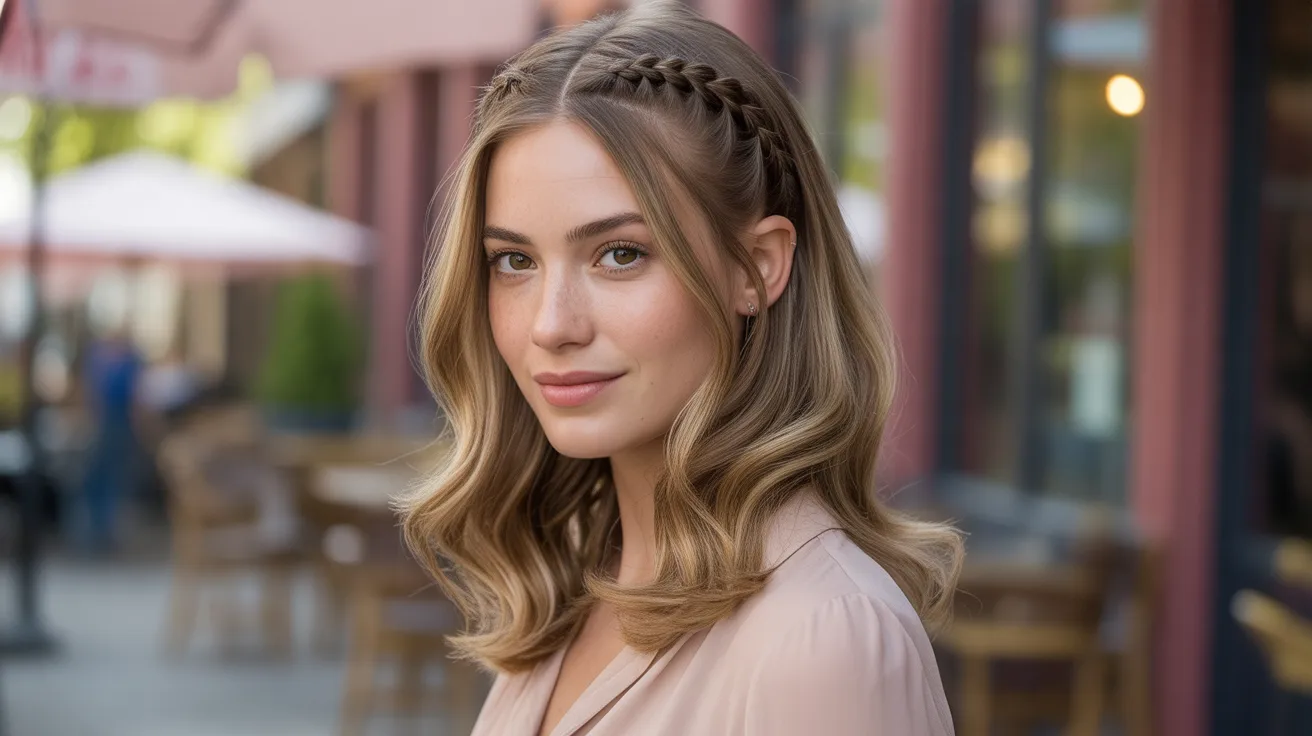
Creating two or three small Dutch braids starting at the temples and pinning them back across the head creates a decorative detail that frames the face beautifully. After trying this on layered hair, it was found that the small braids stay in place better when a tiny amount of pomade is applied to the sections before braiding. These accent braids work well as a way to keep shorter front layers out of the face without using plain clips or pins. During regular use, this style added a noticeable polish to an otherwise simple look and required only about five extra minutes compared to wearing the hair completely down.
Dutch Braid Hairstyles Worn Loose for a Relaxed Finish
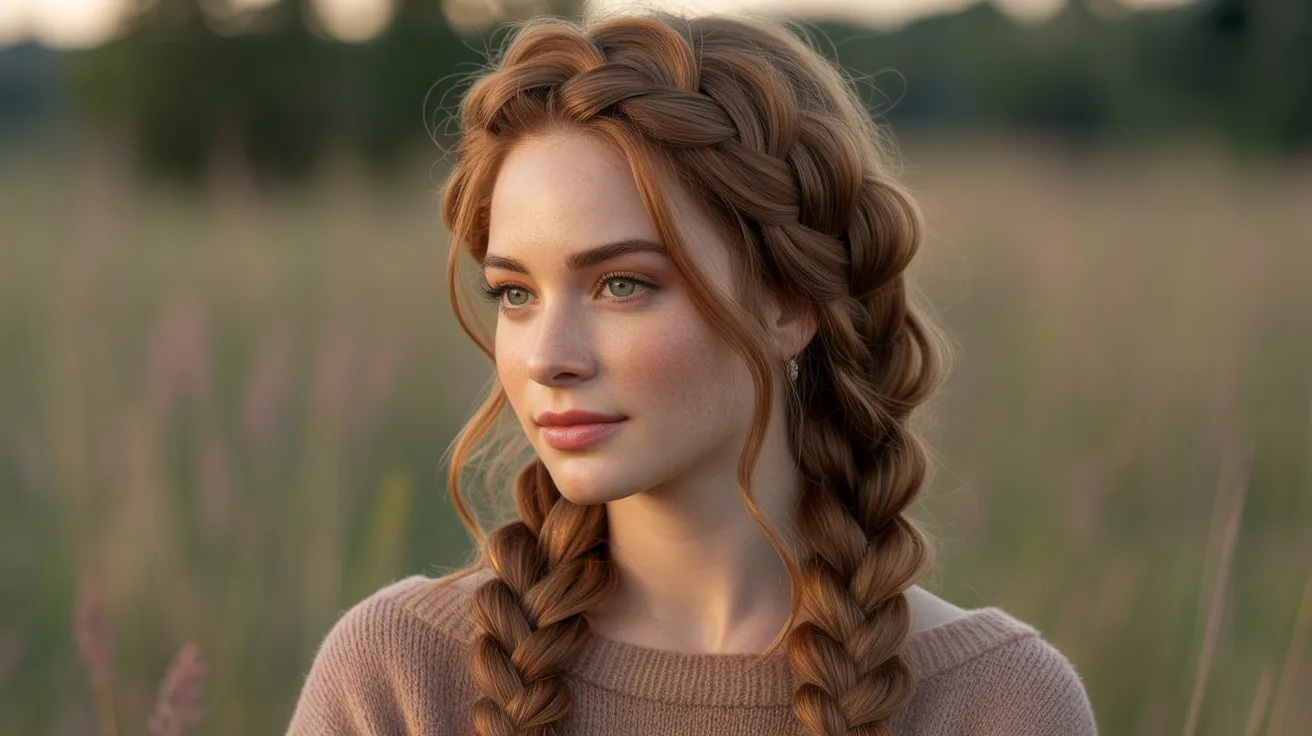
Loosening each section of a finished braid by gently pulling the outer loops creates a puffier, more relaxed version of the style that feels less structured. Dutch braid hairstyles worn loose like this are a popular choice for casual occasions because they look effortless while still being clearly intentional and styled. After trying this technique on medium-thick hair, it was noticed that loosening the braid immediately after finishing gives better results than waiting, as the sections are easier to manipulate before they have had time to settle into place. Spraying the finished loose braid with a light-hold mist helps maintain the volume without making the braid feel stiff or overly done.
Dutch Braid Over a High Ponytail Base
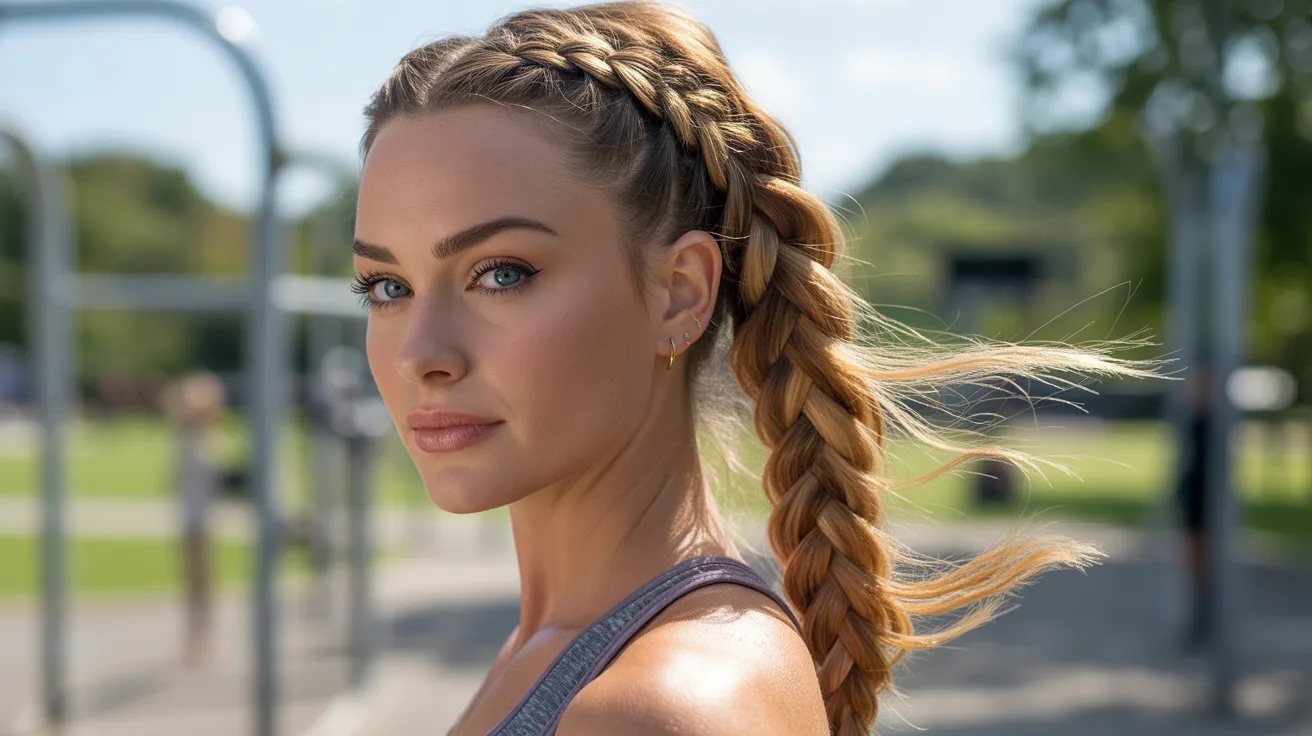
Securing hair into a high ponytail first and then braiding just the ponytail section using the Dutch technique creates a look that combines height and texture in an interesting way. After trying this on long, straight hair, it was found that teasing the ponytail base slightly before braiding adds volume that prevents the finished style from looking flat against the head. The Dutch braid within the ponytail catches the eye because the raised sections sit against the smooth base of the gathered hair above them. This version is a practical choice for both daytime outings and events, as it is relatively quick to create once the ponytail base is secured.
Side Part Dutch Braid for an Asymmetric Look
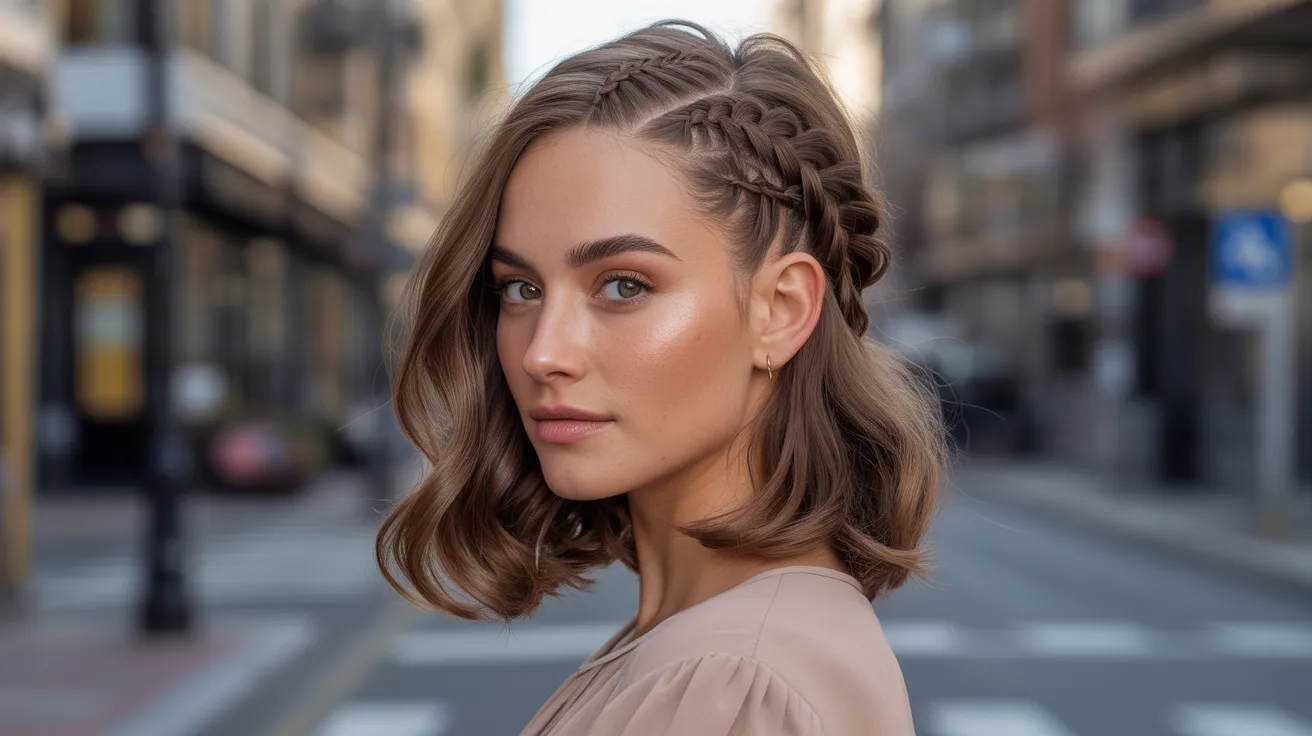
Starting the braid slightly off-center rather than directly at the crown creates an asymmetric look that feels more modern and less expected. After trying this on shoulder-length hair, it was noticed that an off-center part allows the braid to sit at a more flattering angle for many face shapes. This style benefits from being braided closer to one ear, which gives the finished look a directional feel that a centered braid does not achieve. Leaving a few loose strands near the off-center part adds to the relaxed and slightly undone quality that makes this version feel more wearable for everyday occasions.
Dutch Braid with Curled Ends for a Polished Result
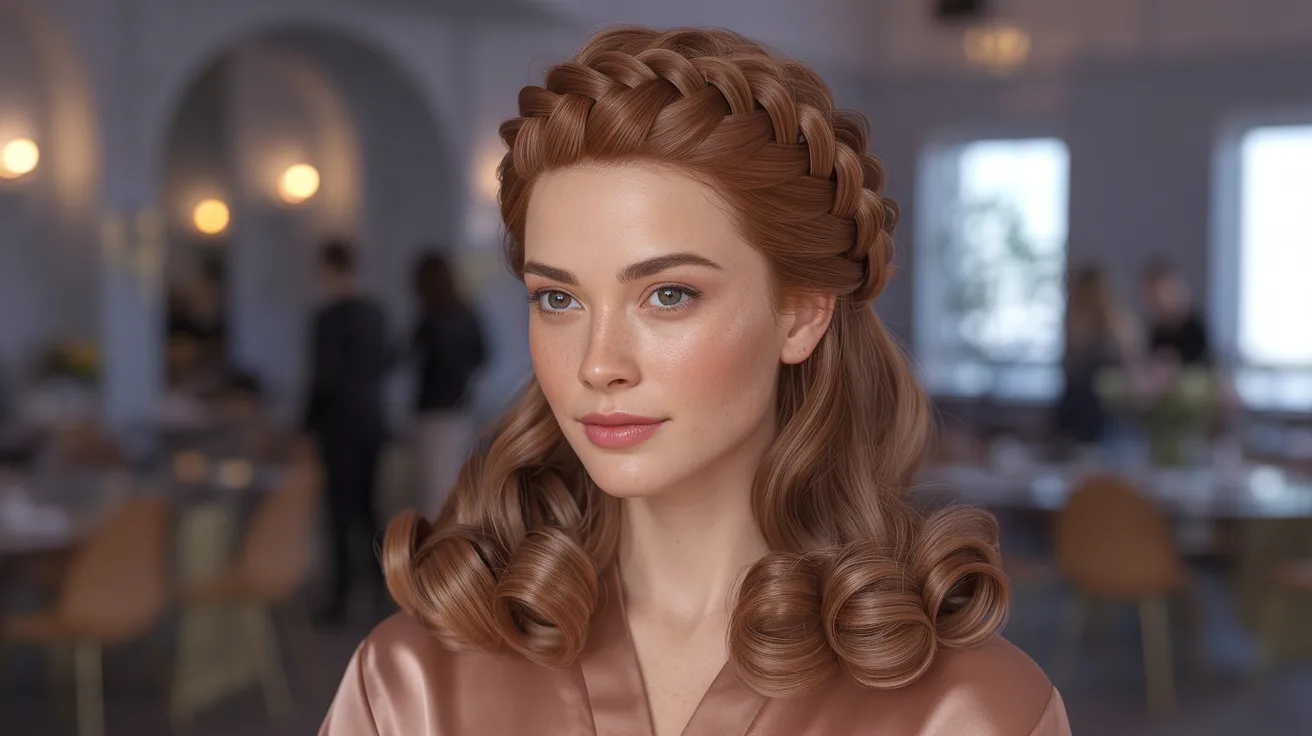
Finishing the braid with a few loose curls at the ends rather than a plain elastic creates a style that bridges the gap between a classic braid and a more glamorous look. During regular use, it was found that curling the ends before braiding and letting them fall loose at the finish gives a more natural-looking curl than doing it after the braid is secured. This combination works particularly well for evening events or occasions where a more dressed-up version of a standard braid is needed. After trying this on medium-length hair, it was found that using a medium-barrel curling iron on just the final few inches produces a curl that is relaxed enough to complement the braided section without overpowering it.
Dutch Braid Hairstyles Practiced Daily for Steady Progress
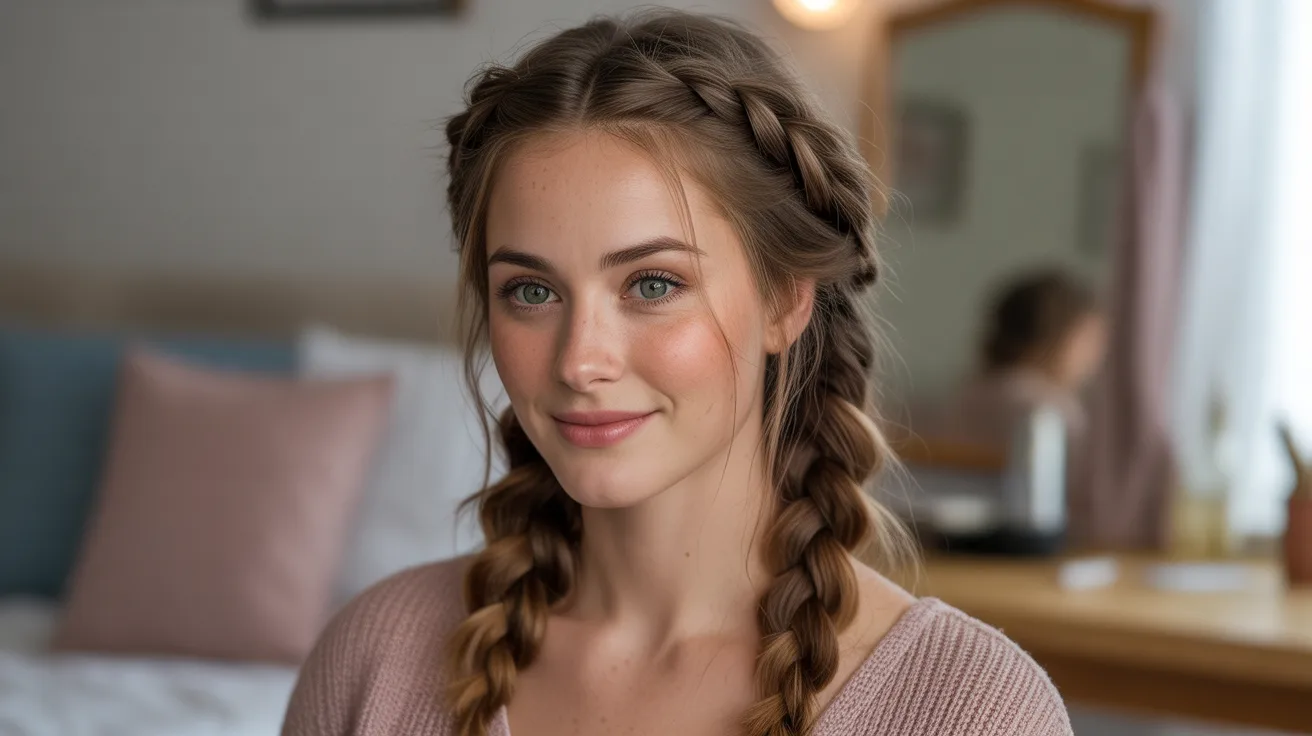
Regular practice is the most reliable way to improve at any variation of the Dutch braiding technique, and progress becomes noticeable fairly quickly. Dutch braid hairstyles keep improving with every attempt, as the hands naturally learn to hold the sections more evenly and move through each step with greater confidence over time. Starting with the basic single braid and gradually moving toward more complex versions is a practical approach that builds skills without becoming frustrating. After trying each new variation a few times, it becomes easier to understand how small adjustments in tension and section size affect the final result significantly.
Conclusion
Dutch braids offer a wide range of looks that work across hair types, lengths, and occasions, making them one of the most versatile braiding techniques available. After going through all 23 ideas, it is clear that even subtle changes in starting point, tension, or finish can produce a noticeably different style. Each dutch braid hairstyle variation in this list was chosen for its practicality and visual appeal, meaning most of them can be attempted at home without professional help. With patience and regular practice, even the more intricate versions become manageable, and the results are consistently worth the effort put in.