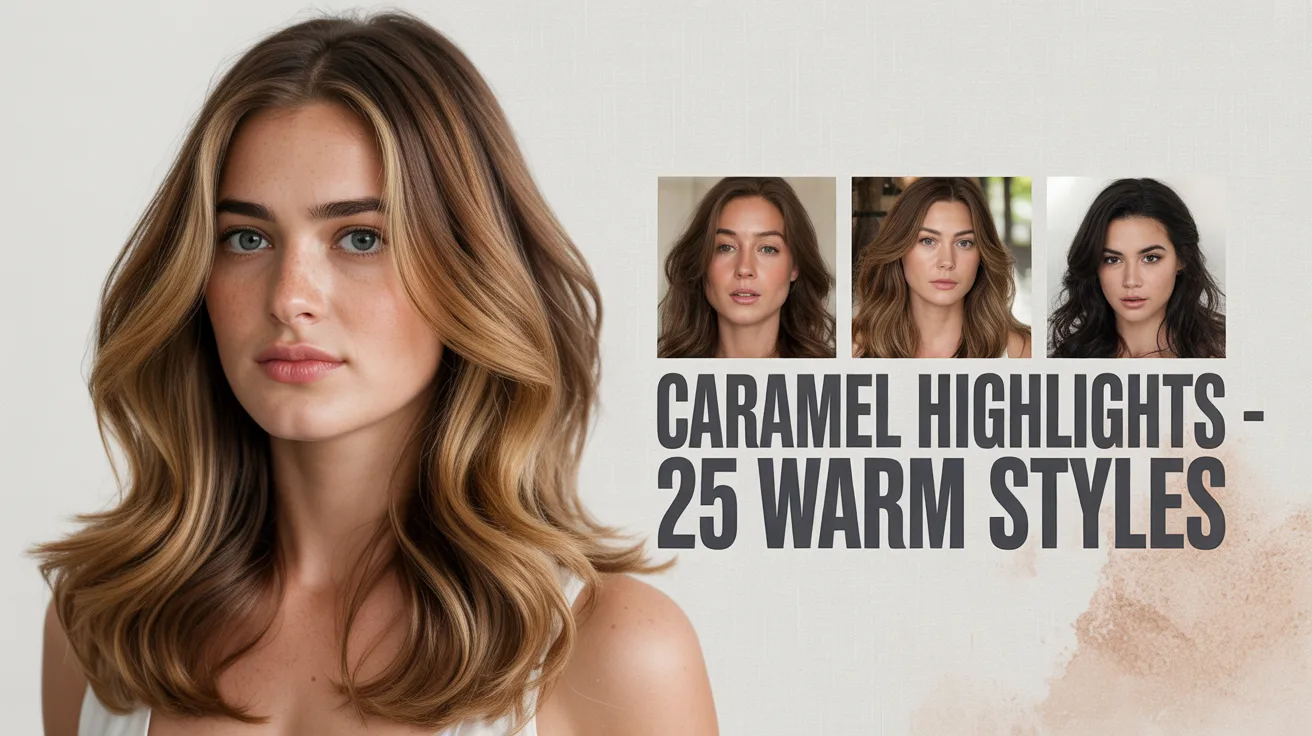
Caramel Highlights – 25 Warm Styles to Refresh Your Look in 2026
Caramel highlights have been one of the most requested salon services for several years now, and that interest has only continued to grow into 2026. After trying different coloring techniques over time, it becomes easy to understand why so many people keep coming back to this warm, golden-brown style.
The reason this look stays popular is that it works across so many different hair types, skin tones, and natural base colors. On a normal setup at a mid-range salon, the results tend to look very natural and sun-touched rather than heavily processed or artificial.
1. Soft Blended Caramel Highlights Tones
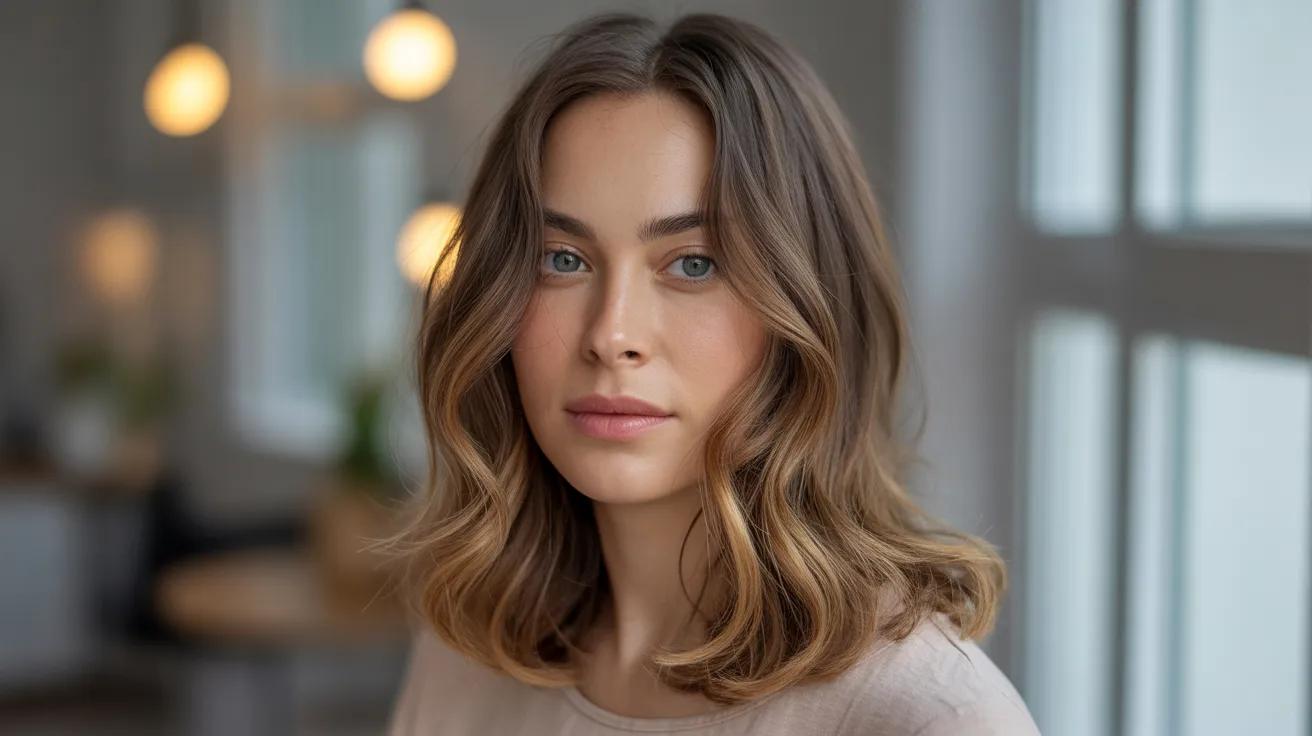
A soft blended finish is often the most requested version of this color technique at most salons. The tones are worked through the mid-lengths and ends in a way that makes the color appear very grown-in and natural.
During regular use with heat tools and weekly washing, this style tends to hold its warmth well for six to eight weeks. It does require color-safe shampoo to stay looking its best, which is a small thing worth keeping in mind before booking the service.
2. Balayage-Style Warm Color
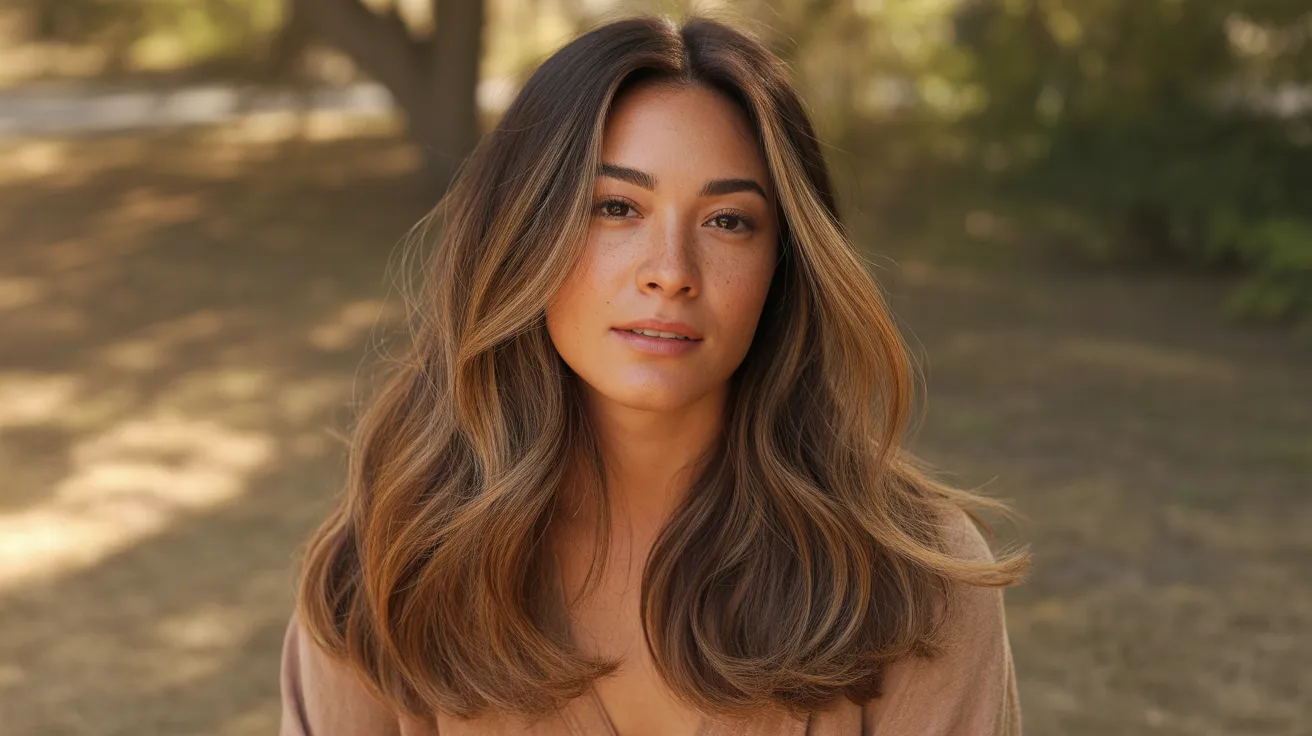
The balayage method has been widely used to deliver warm, sun-touched results without a hard line at the root. A trained colorist paints the color freehand onto sections of the hair, which gives each person a slightly unique result.
One thing noticed during regular use of this technique is that the grow-out period feels much more comfortable compared to foil methods. The warmth stays concentrated toward the ends and through the face-framing pieces, which keeps the overall look fresh for longer.
3. Face-Framing Pieces
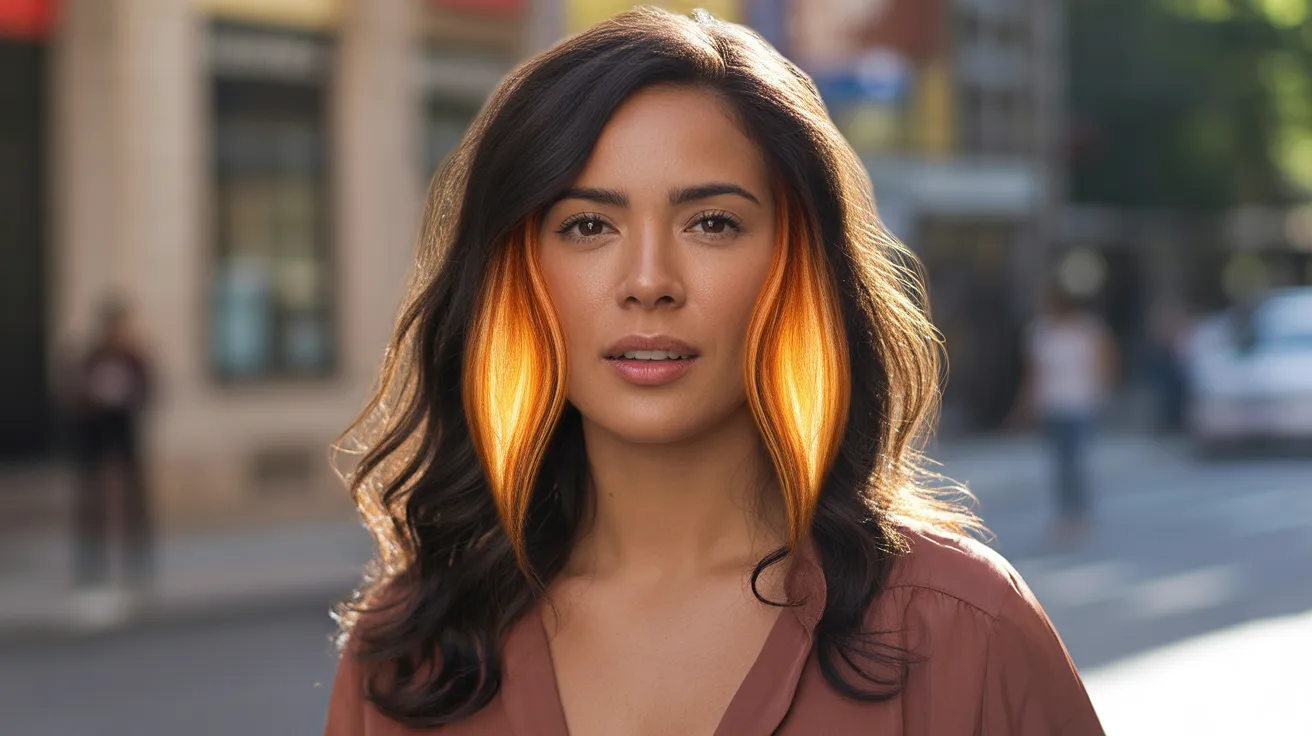
Face-framing pieces are placed around the front sections of the hair to add brightness and warmth right where it gets noticed most. After trying this approach on both lighter and darker base colors, it consistently delivers a very flattering and lit-up effect near the face.
The placement of caramel highlights along the hairline and temples works especially well for people who want a subtle change without committing to full color throughout the hair. It is a low-maintenance option that makes a noticeable difference in how the overall look comes together.
4. Warm Brunette Dimension
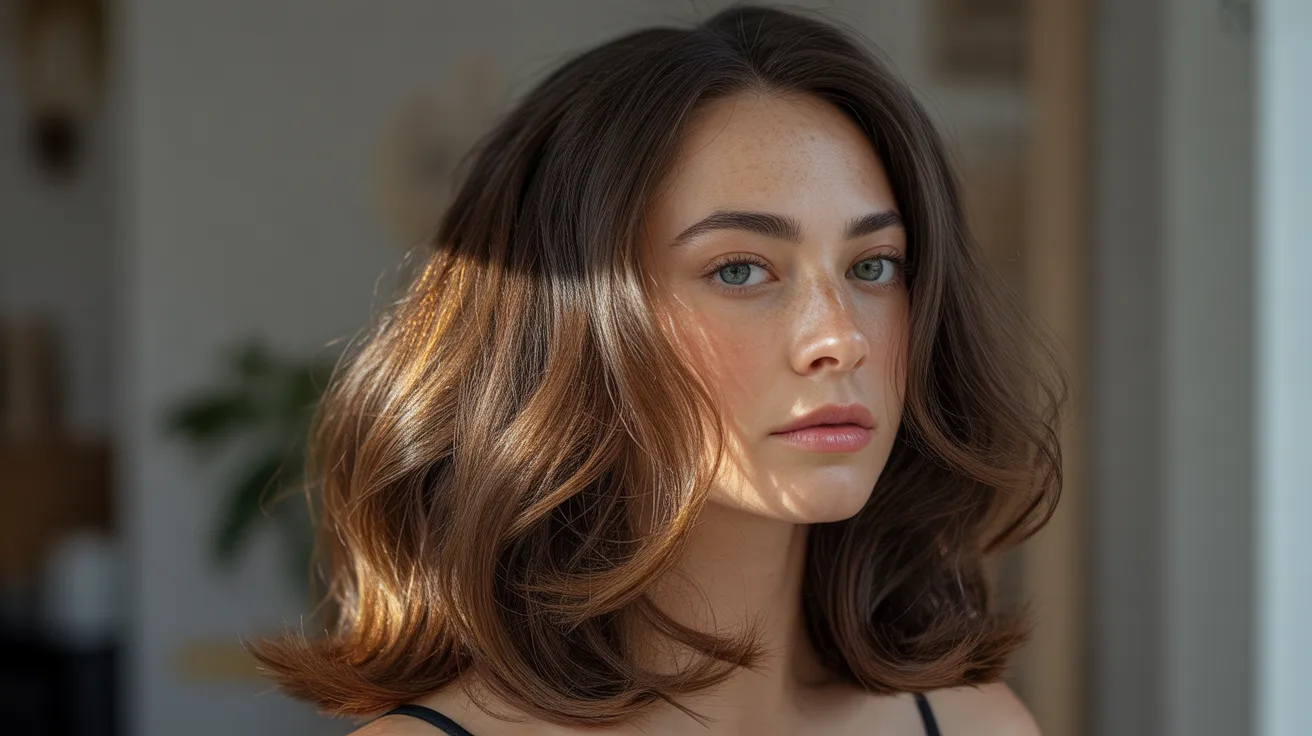
Adding dimension to a dark brunette base is one of the most effective ways to bring a natural warmth to hair that otherwise appears flat under light. The contrast between a deep brown base and warmer tones placed through the mid-section creates a very rich, layered result.
On a normal setup with a standard brown base, this approach tends to produce a look that appears very expensive and thoughtfully done. The warm tones catch the light in a way that adds movement and depth even when the hair is worn simply.
5. Chunky Stripe Caramel Highlights Effect
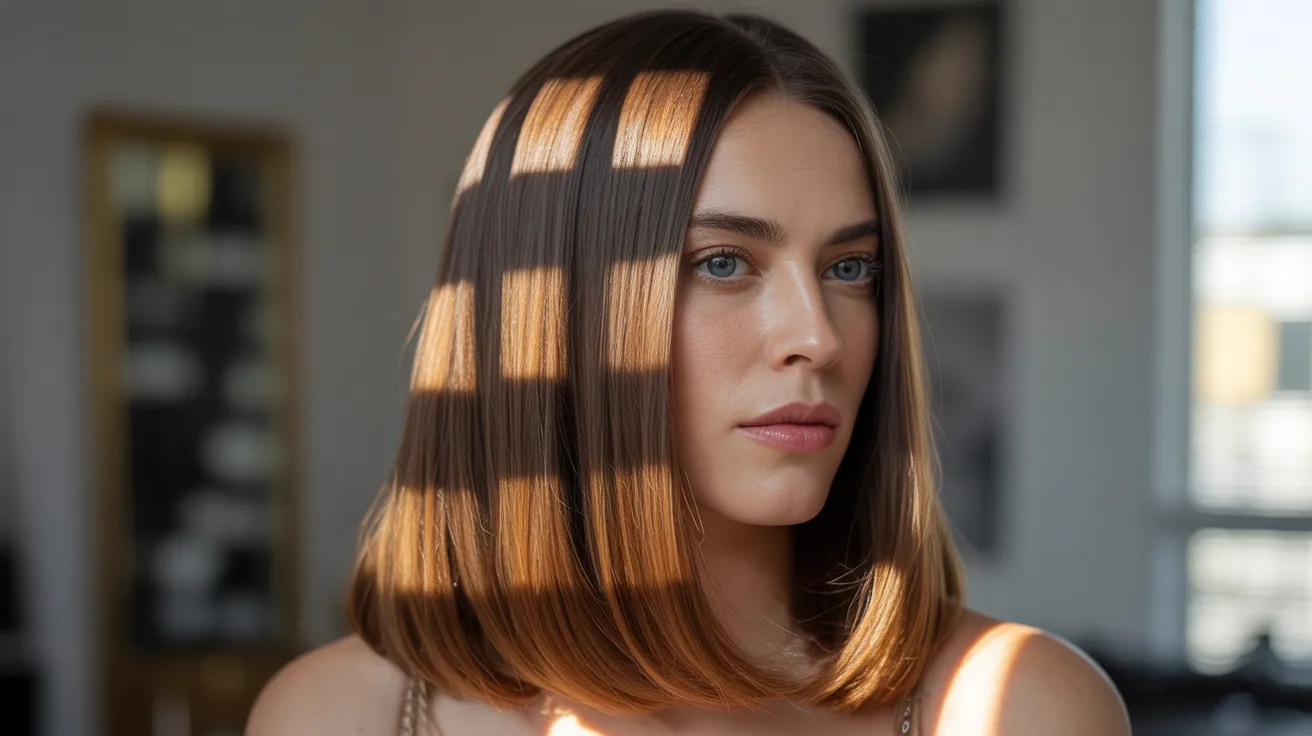
Chunky placement has come back as a popular choice for people who want a bolder, more defined color contrast in their hair. Wider sections of warm color are painted or foiled through the hair in a way that creates visible separation between the lighter and darker tones.
After trying this style on straight and wavy hair textures, it tends to show up more clearly on straight hair where the contrast is easier to see. It is a fun choice for someone who wants a retro-inspired feel with a modern finish.
6. Honey-Toned Ends
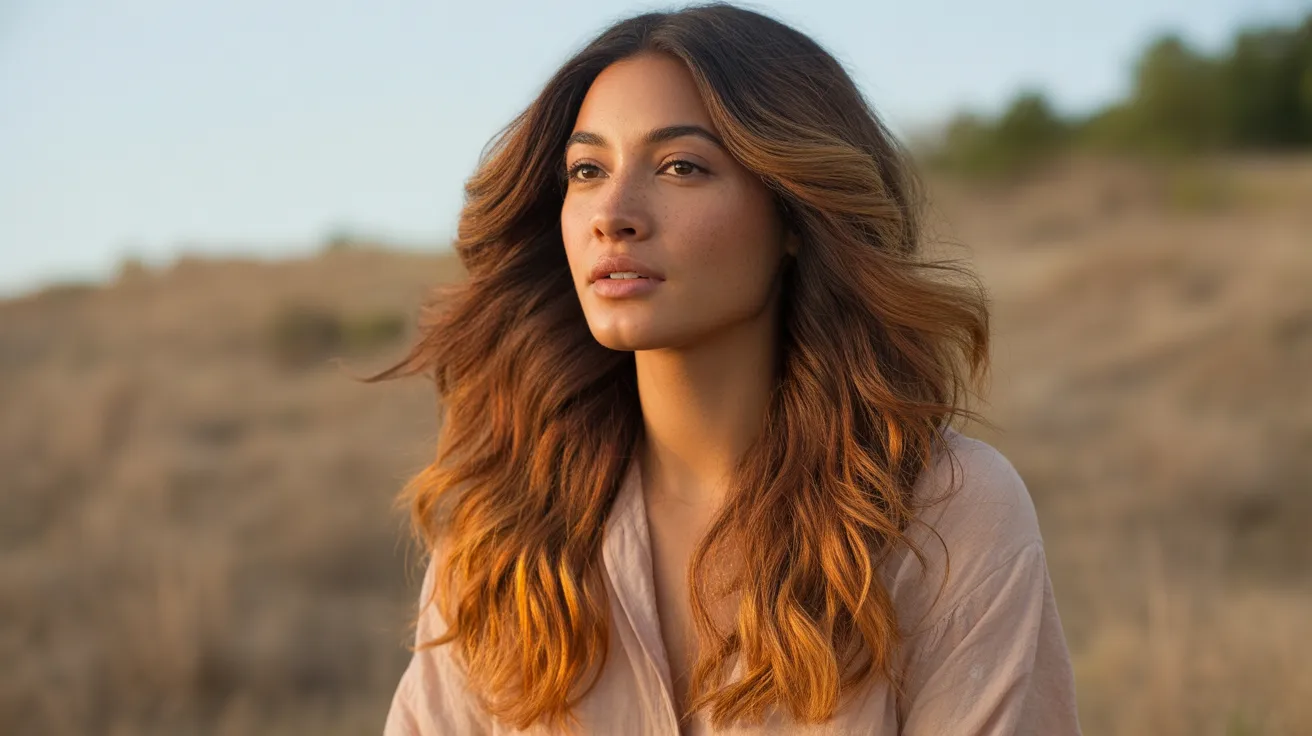
Honey-toned ends give the hair a warm, glowing finish that looks especially nice when the hair catches natural light outdoors. The color is usually concentrated at the lower half of the hair, which creates a natural-looking gradient from root to tip.
This style works well for people who are already a few shades into a lighter color and want to add warmth without going significantly brighter. On a normal setup with fine or medium hair, the honey tones tend to look very fresh and summery throughout the year.
7. Copper-Kissed Variation
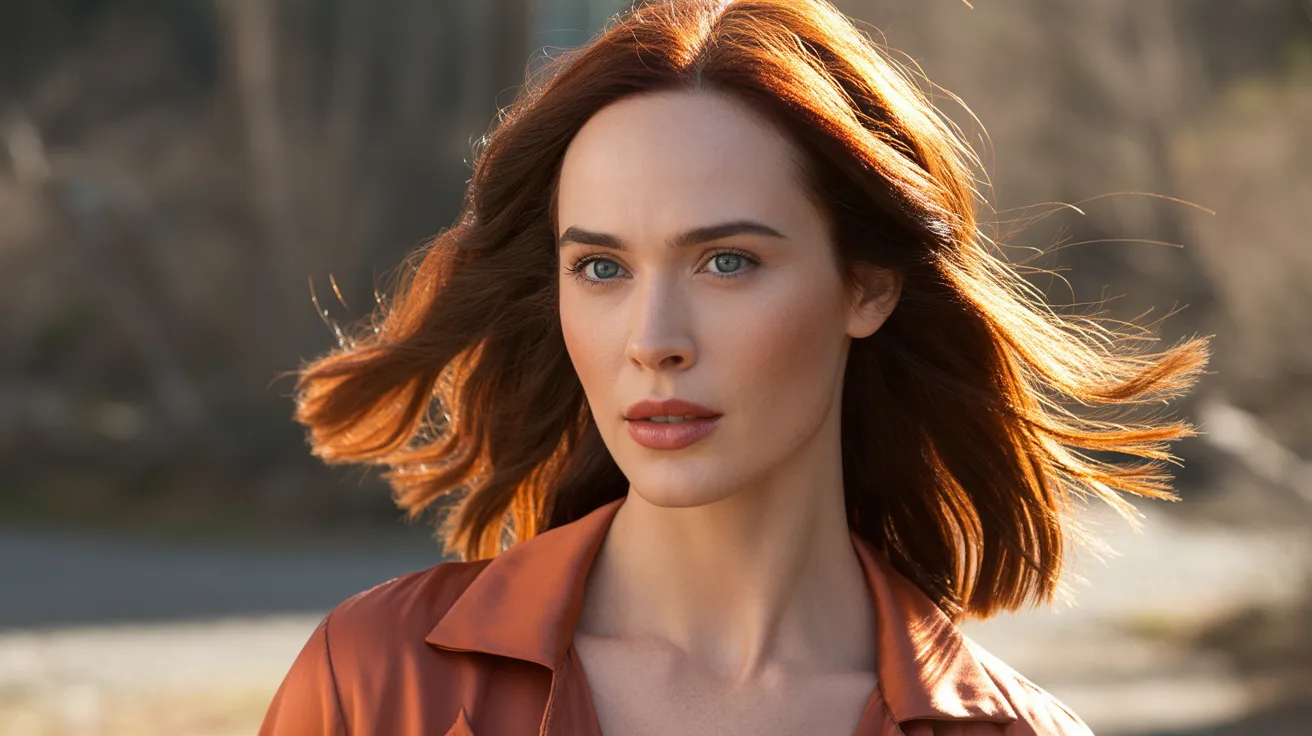
A copper-kissed version of this warm color technique brings a slightly richer, more vibrant tone into the mix. During regular use, this variation tends to fade a little faster than straight golden-brown tones, which is a small thing worth noting before choosing it.
The copper warmth works particularly well on medium brown bases where it creates a very eye-catching mix of red, gold, and brown. Touch-up toning every few weeks can help keep the warmth looking intentional rather than faded.
8. Beachy Texture Color
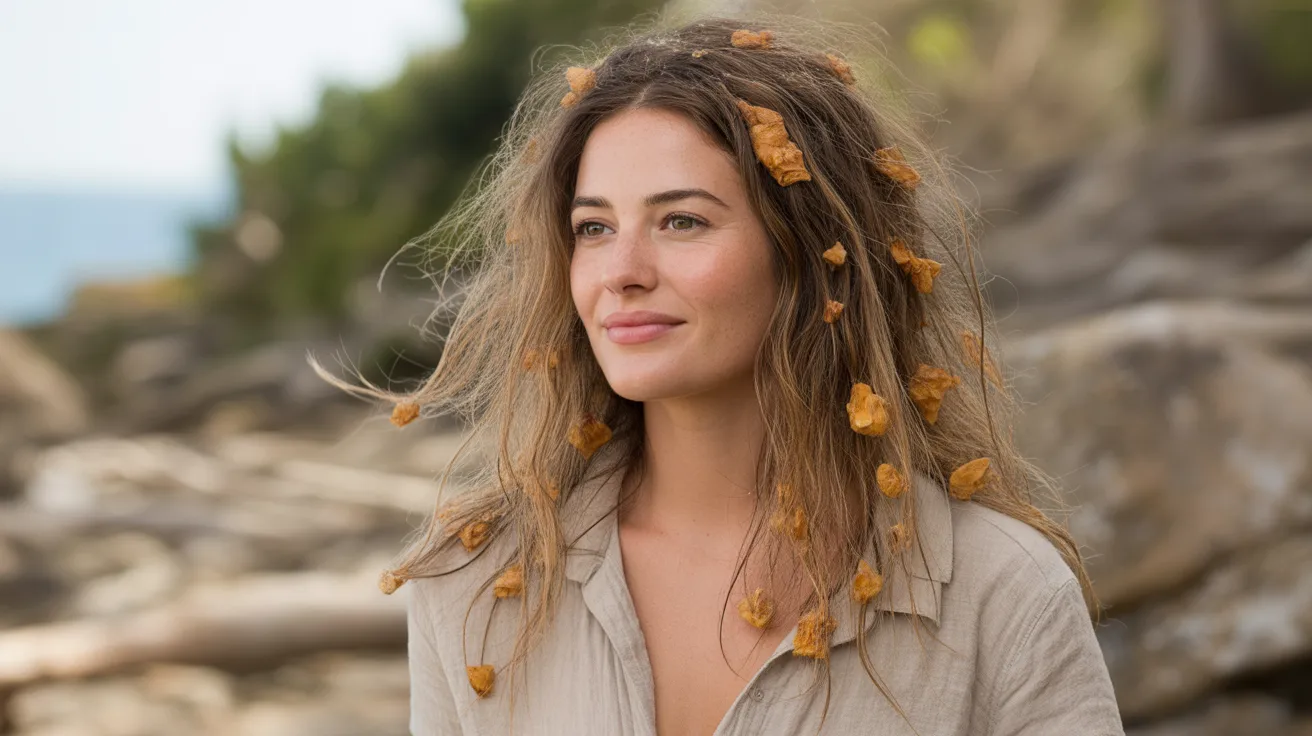
Beachy texture color is applied with the goal of making the hair look like it has been naturally lightened by sun and saltwater over a long summer. After trying this technique during the warmer months, the results feel very relaxed and effortless compared to more structured coloring styles.
The caramel highlights used in this style are scattered loosely through the hair rather than placed in any rigid pattern. This randomness is actually what makes the result look so natural and appealing on most hair types and lengths.
9. Money Piece Caramel Highlights Look
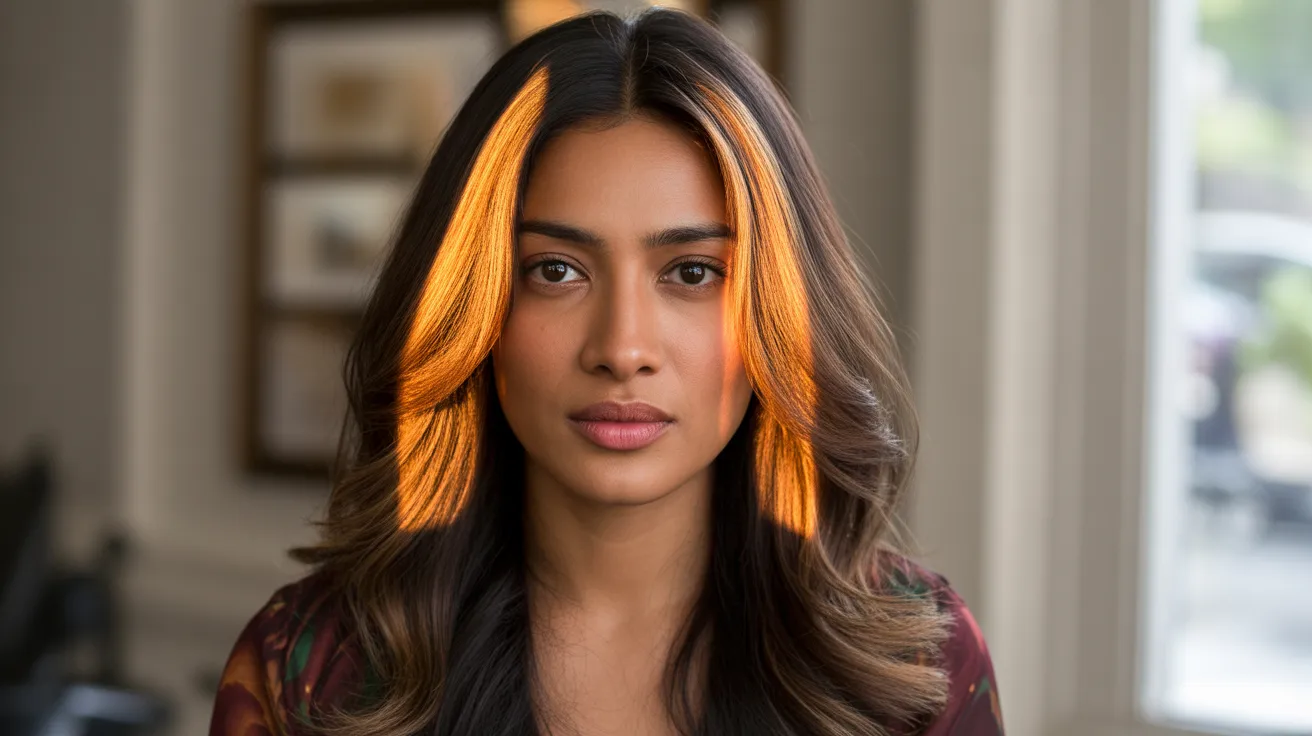
The money piece technique involves placing bright, warm color on the two front sections of hair that fall on either side of the face. It is one of the most noticeable and high-impact placement options available without doing a full color service.
On a normal setup with a darker base color, the money piece creates a sharp but flattering contrast that draws attention to the face. This style has remained popular because it is easy to maintain and very effective at brightening the overall look.
10. Low-Contrast Natural Finish
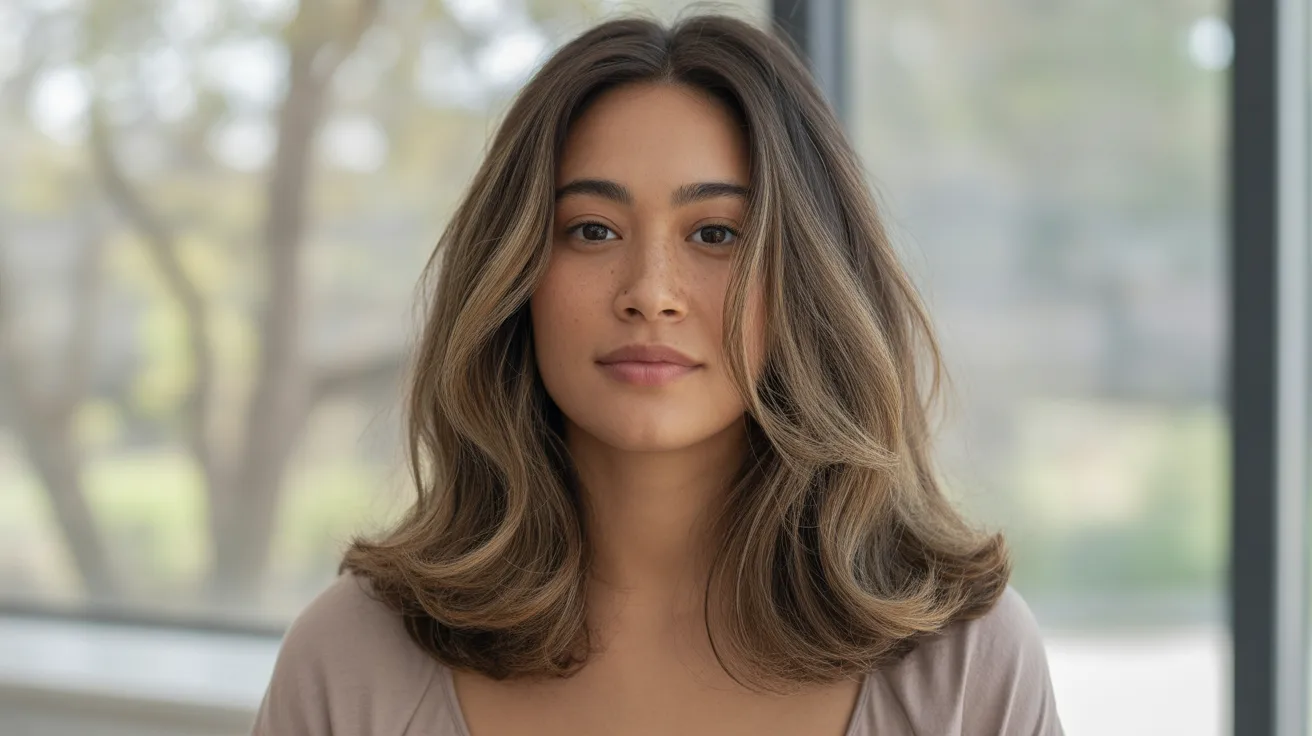
A low-contrast approach is used when someone wants warm color that blends almost seamlessly into their natural base. The tones chosen are only slightly lighter than the existing hair color, which creates a very subtle and natural finish.
This style is often recommended for people who are new to coloring and want to try a change without a dramatic result. After trying this approach on several different natural base colors, it consistently produces a polished and wearable look.
11. Short Hair Placement
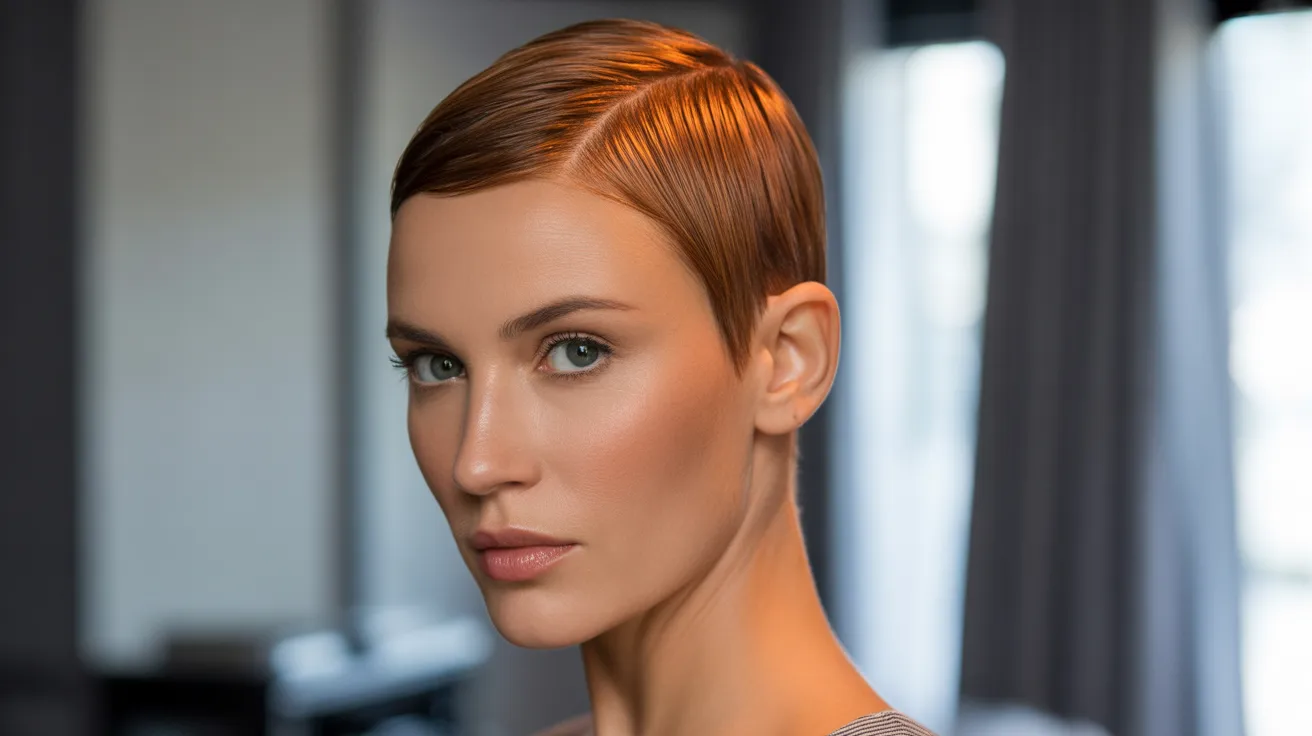
Warm color placement on short hair requires a slightly different technique because there is less length to work with and every section shows clearly. During regular use, short styles with warm tones tend to look very clean and intentional as long as the placement is done carefully.
Tones are usually placed through the top sections and down toward the nape in a way that creates dimension even within a close-cut style. It is a detail that makes a significant difference in how finished and styled the hair looks.
12. Curly Texture Warmth
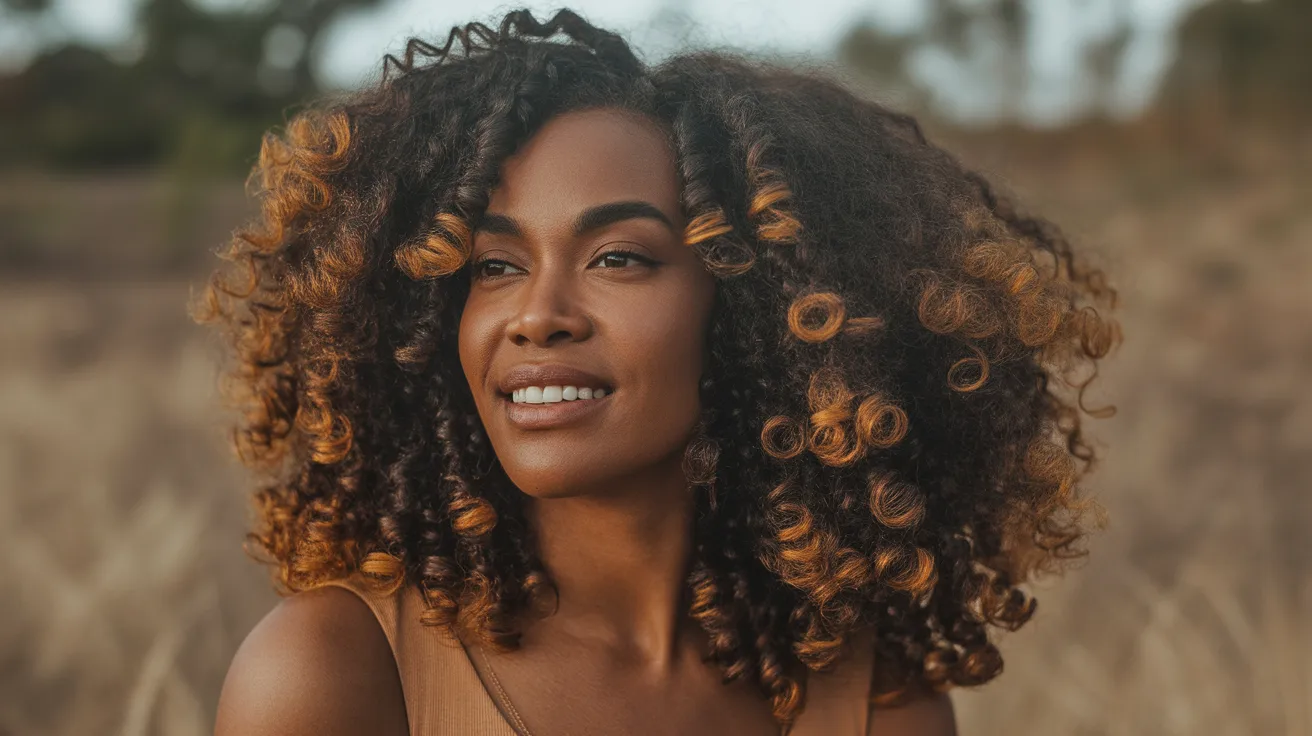
Curly hair holds warm color in a very particular way because the texture naturally creates contrast between the lighter outer curl and the slightly darker inner section. After trying warm placement on different curl patterns, the result tends to look richer and more multi-dimensional than the same color on straight hair.
The warmth settles into the curl in a way that enhances the natural pattern and makes each curl appear more defined. It is one of the most flattering color options for naturally curly or coily hair types.
13. Ombre Gradient Effect
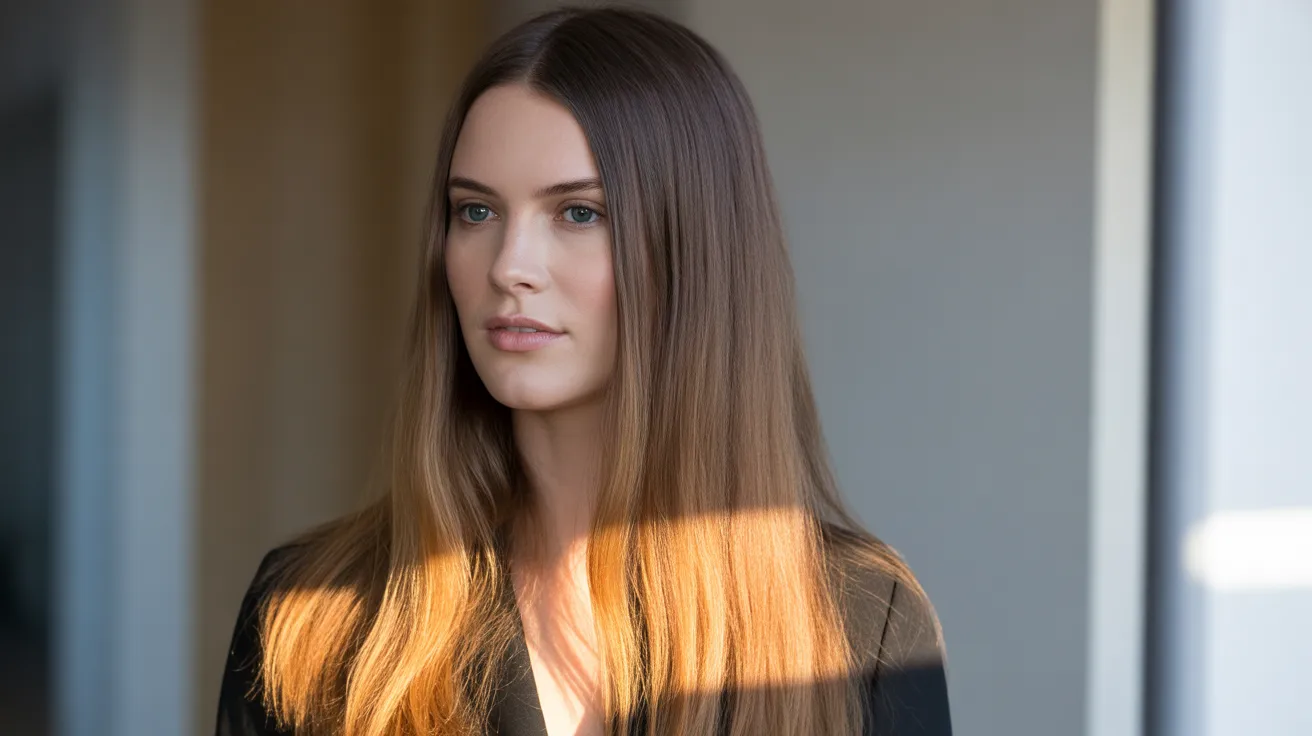
An ombre gradient moves from a darker root color into a warmer, lighter tone toward the ends in a smooth and blended progression. During regular use, this style grows out very naturally because the root area stays close to the person’s natural color.
The gradient is usually most noticeable when the hair is worn down and straight, which allows the full progression from dark to warm to be seen clearly. It is a clean and modern color option that suits most hair lengths and textures.
14. Sun-Kissed Crown Caramel Highlights Touch
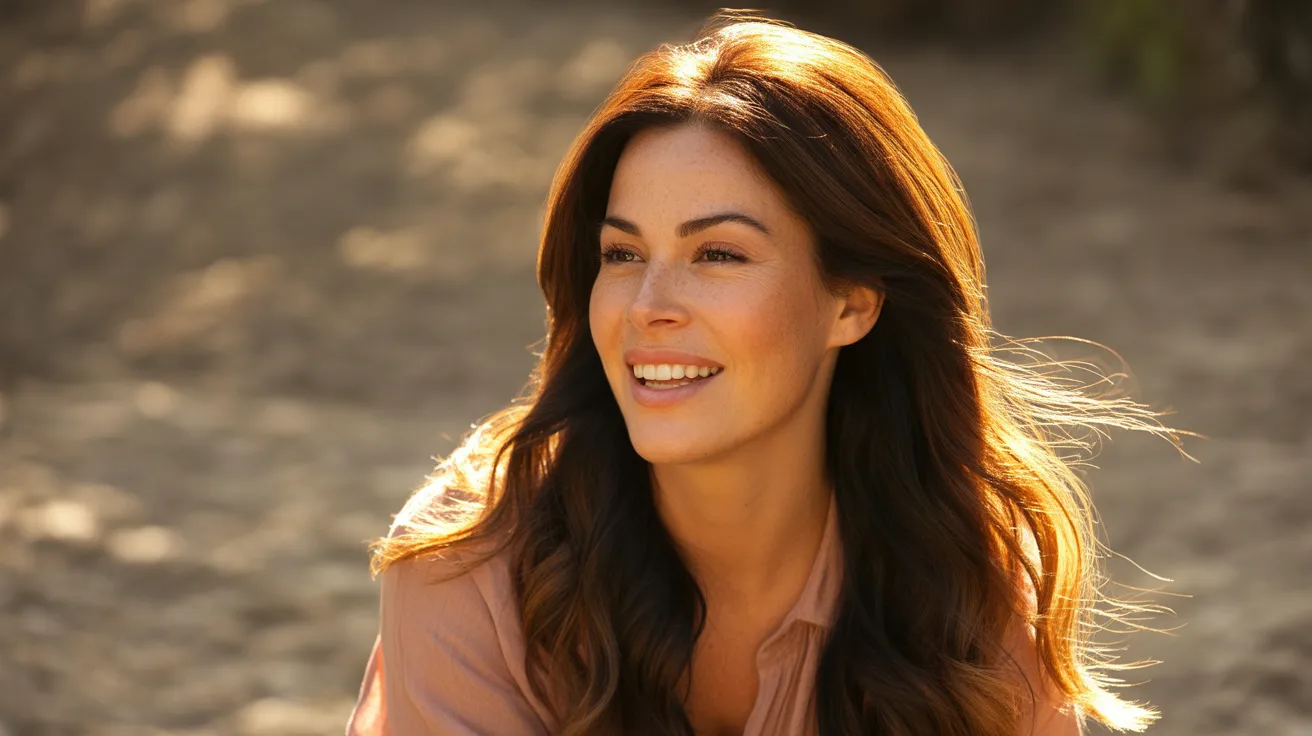
A sun-kissed crown placement focuses warm color on the top sections of the hair where sunlight would naturally hit most. After trying this specific placement on medium and long lengths, the result always looks very natural and beautifully lit from above.
The caramel highlights placed at the crown create a glowing, dimensional top section that contrasts with slightly deeper tones underneath. This top-focused placement is a subtle way to add warmth without changing the overall color feel too dramatically.
15. Lived-In Color Style
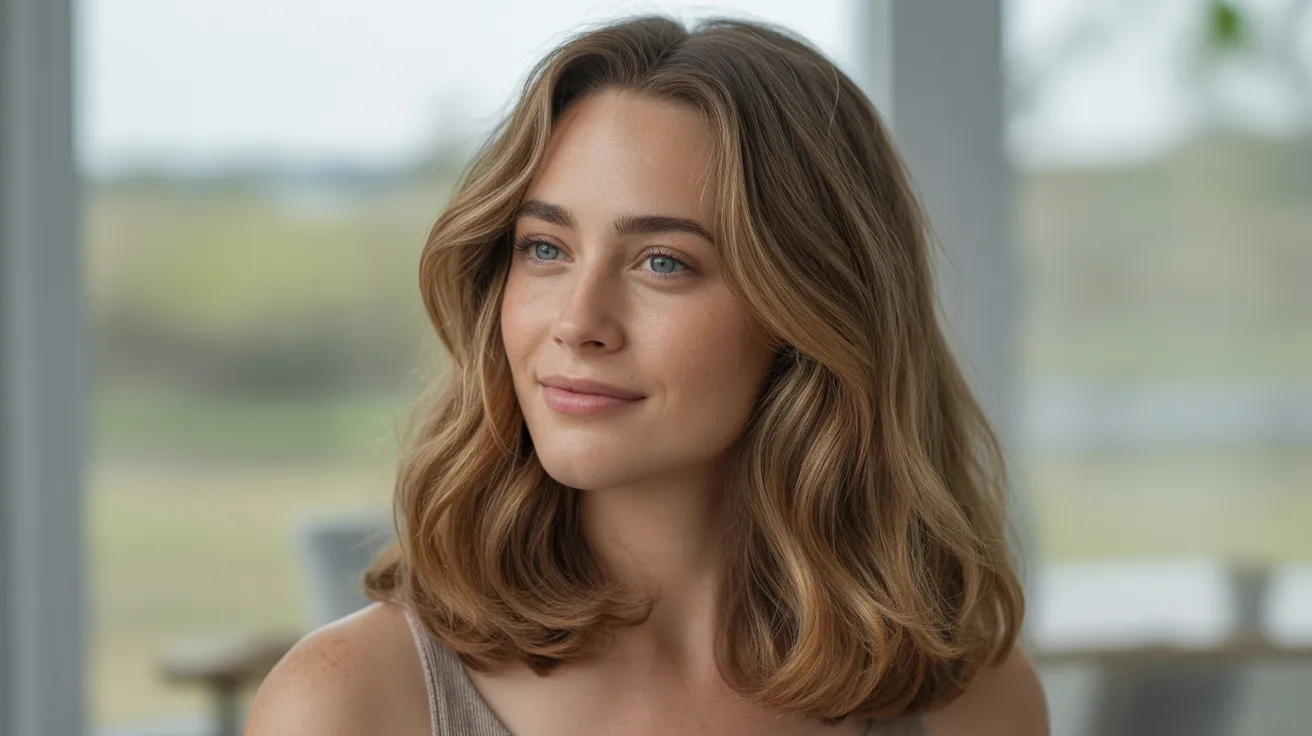
Lived-in color is styled to look like a warm tone that has been in the hair for several months and has settled into a very comfortable, natural state. This finish is achieved through careful blending at every transition point so there are no obvious lines or patches.
On a normal setup with regular maintenance, this style can go eight to twelve weeks between touch-ups without looking grown out. It is one of the most practical and low-effort warm color options available.
16. Textured Waves Pairing
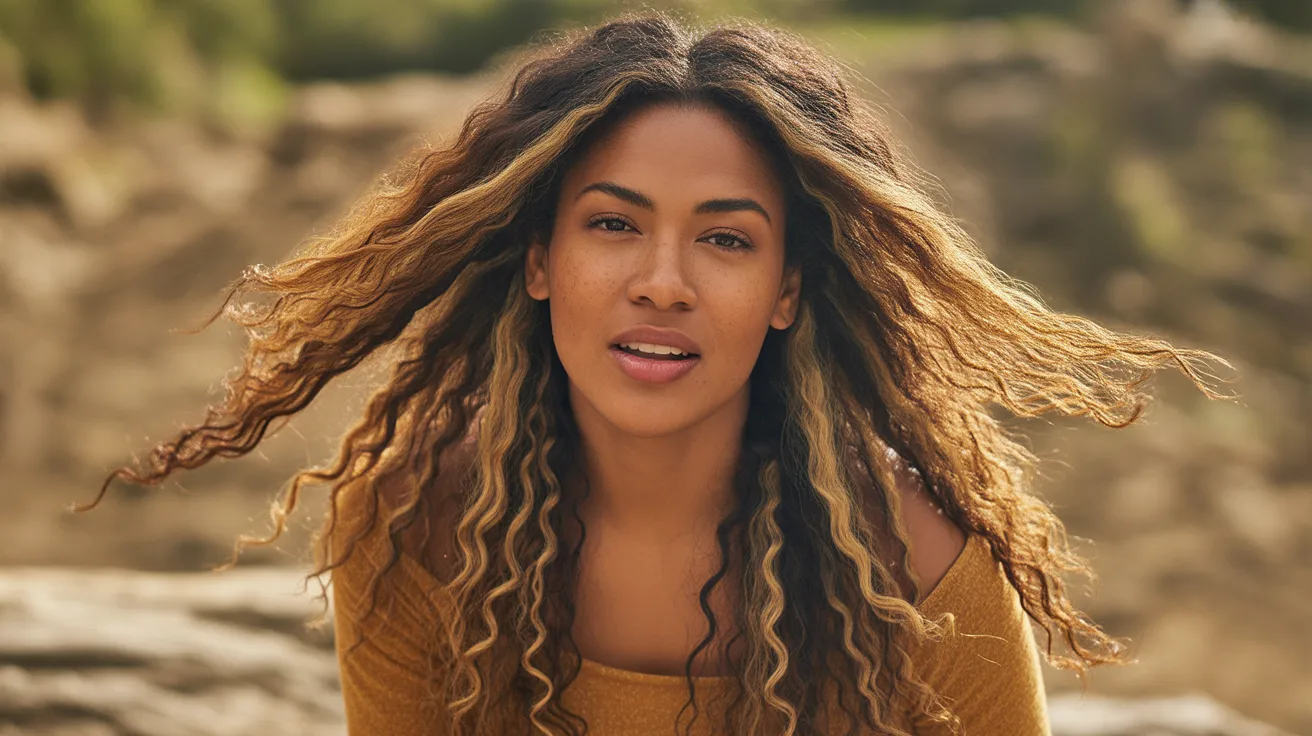
Warm color and textured waves are a natural pairing because the waves create movement that allows the color to show from multiple angles at once. During regular use with a wave-enhancing product, the warmth appears to shift and glow as the hair moves.
The color is usually applied through the mid-section and ends where the wave pattern is most visible. This creates a very dynamic and interesting finish that looks different in every kind of light.
17. Platinum and Caramel Contrast
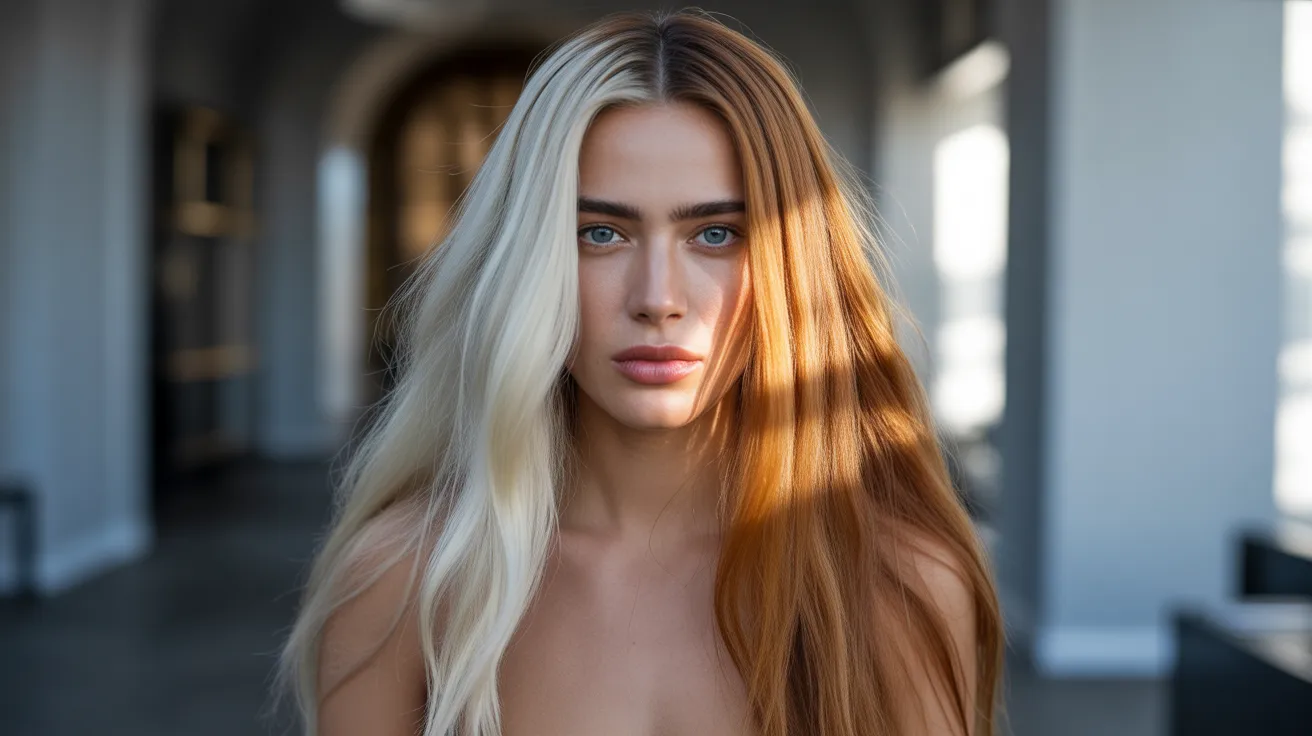
A contrast between very light, almost platinum sections and deeper warm tones creates a bold and high-fashion color effect. The caramel highlights used in this style anchor the look and prevent it from appearing too cold or washed out.
This is a more advanced color technique that requires a skilled colorist to balance the two tones correctly. After trying this approach on fine and medium hair, the result is always very striking and tends to attract a lot of positive attention.
18. Natural Redhead Enhancement
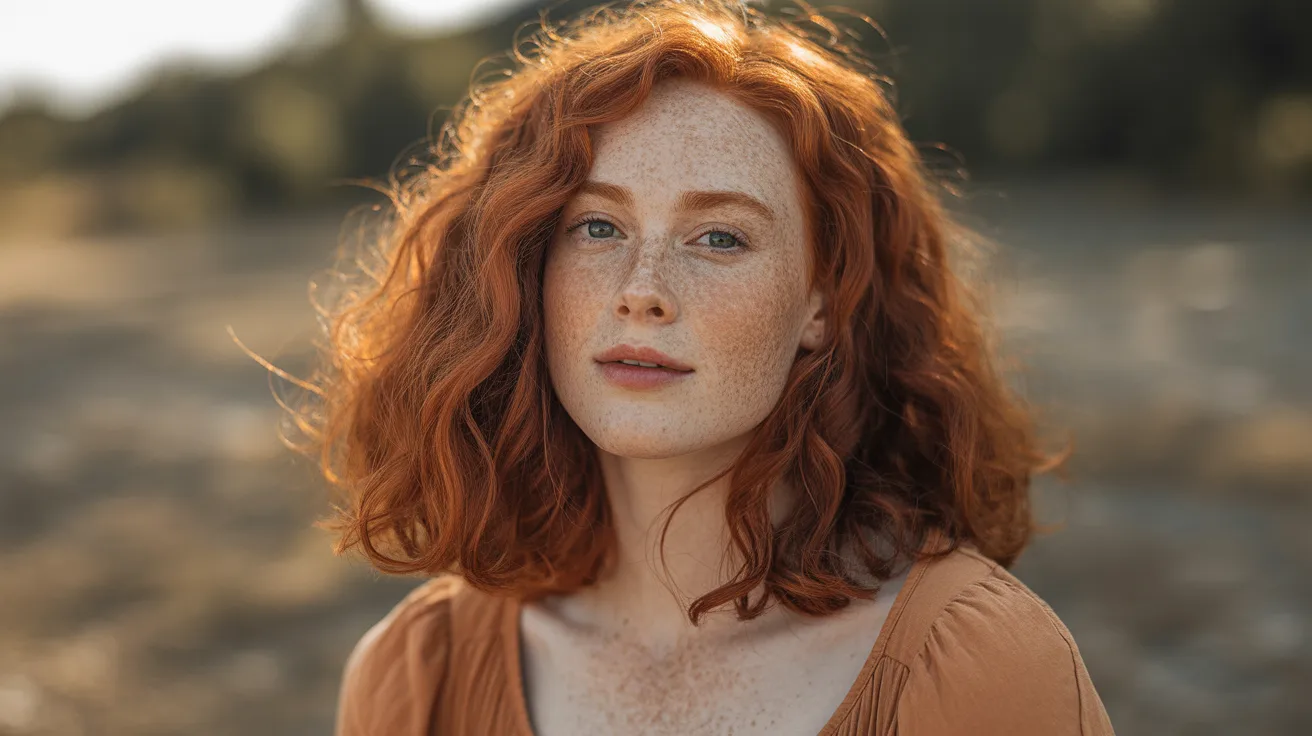
Natural redheads can use warm placement techniques to enhance and deepen their existing tone rather than change it. The additional warmth settles into the natural red base in a way that makes the overall color look richer and more vibrant.
On a normal setup with a light to medium ginger base, this approach creates a beautiful layered mix of copper, gold, and warm brown. It is a very flattering option for people who love their natural color but want to add a little more dimension.
19. Peek-a-Boo Placement
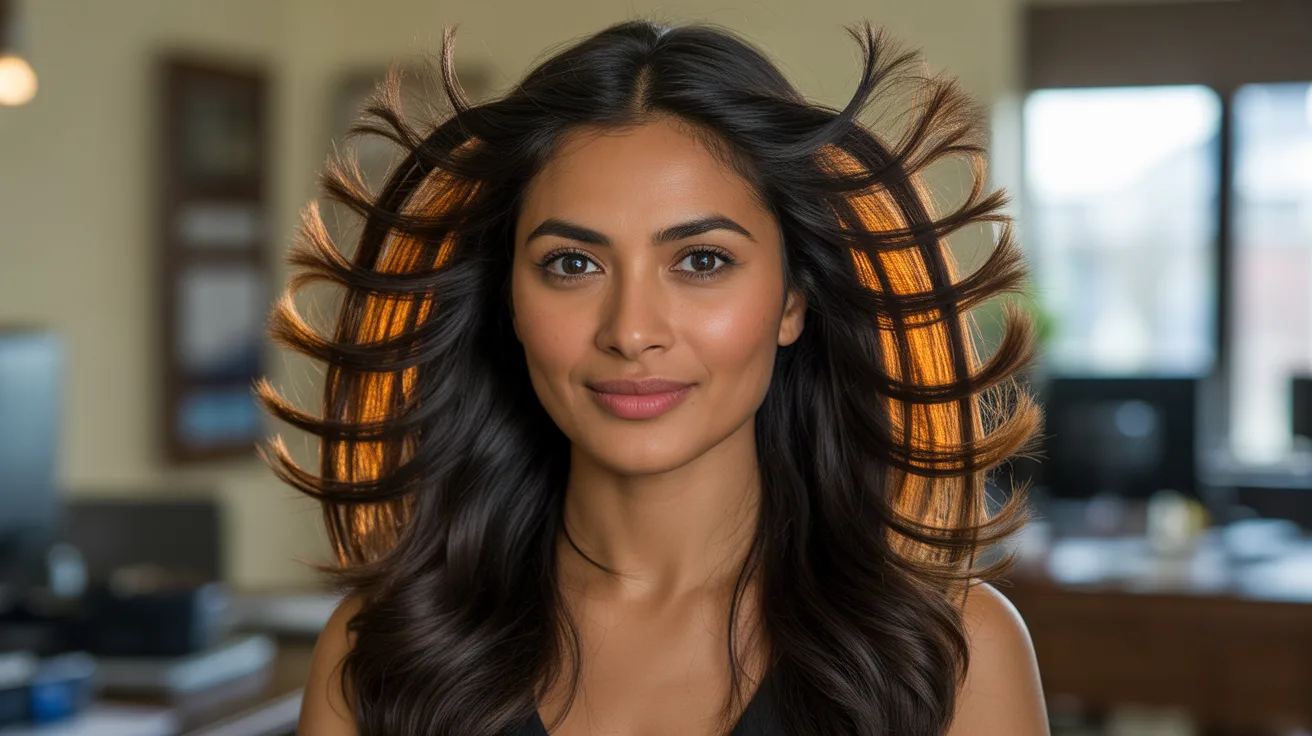
Peek-a-boo placement puts warm color on sections of hair that are hidden when the hair sits naturally but become visible when the hair moves or is pulled up. After trying this approach, it works especially well for people who want a fun color detail that is not always fully visible.
This style is often chosen by people in professional settings where a very noticeable color change might not be appropriate. It adds personality and warmth in a way that can be shared or kept subtle depending on how the hair is styled.
20. Highlighted Ponytail Look
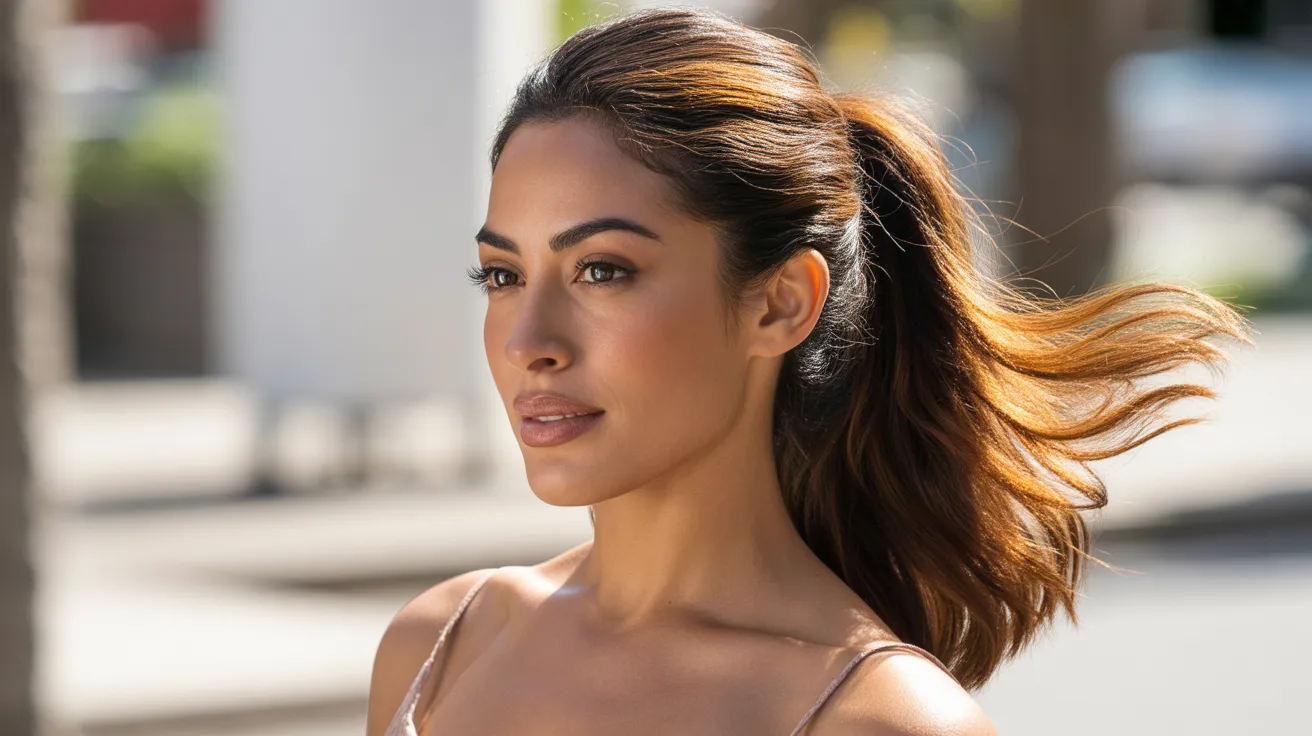
A highlighted ponytail look places warm color specifically with the goal of making a high or low ponytail appear more dynamic and multidimensional. During regular use when wearing the hair pulled back, the color distribution creates a very polished and intentional effect.
The warm sections are placed so they wrap around the ponytail and catch the light from the sides and back. This is a thoughtful placement strategy that makes even a simple everyday hairstyle look finished and styled.
21. Layered Depth Caramel Highlights Finish
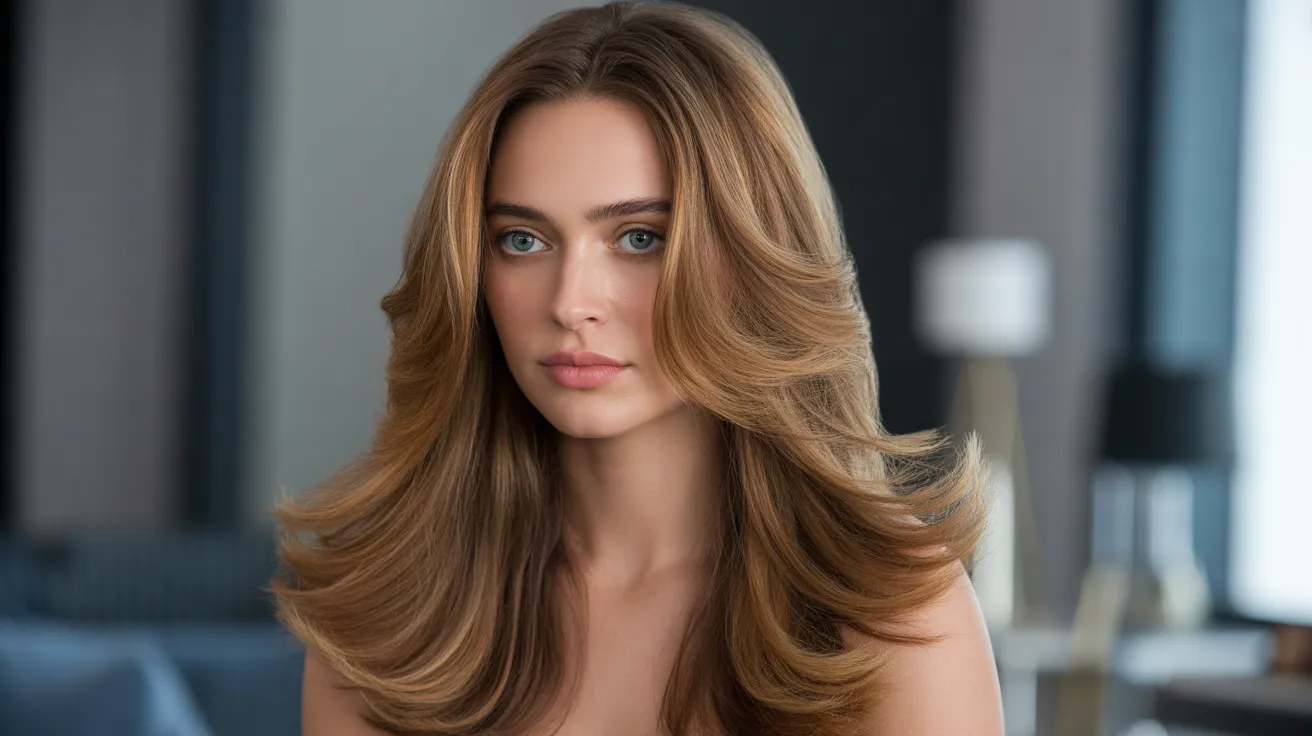
Layered depth is created when warm tones are placed at multiple levels through the hair so the color appears to have real dimension and movement. After trying this layered approach on thick hair especially, the result looks very rich and professional.
The technique involves placing lighter warm sections near the surface and slightly deeper tones underneath, which creates a shadow effect when the hair moves. On a normal setup with a skilled colorist, this finish takes more time but delivers a noticeably superior result.
22. Warm Ash Blend
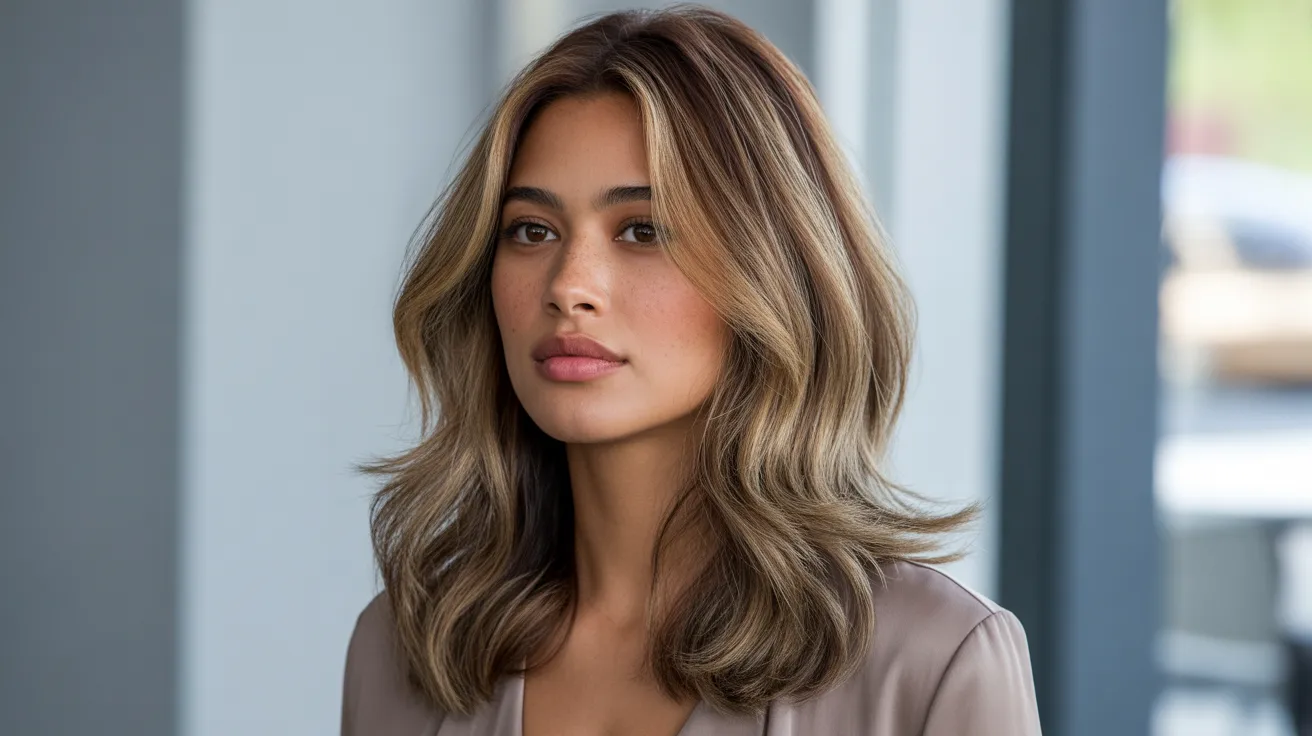
A warm ash blend combines the coolness of ash tones with the warmth of golden-brown to create a very modern and balanced finish. During regular use, this mixed tone tends to photograph very well and appears different depending on the lighting conditions.
The blend is especially popular for people who want warmth without the result looking too yellow or orange on their particular skin tone. It is a nuanced color choice that requires a colorist who understands how tones interact with each other.
23. Summer-to-Fall Transition
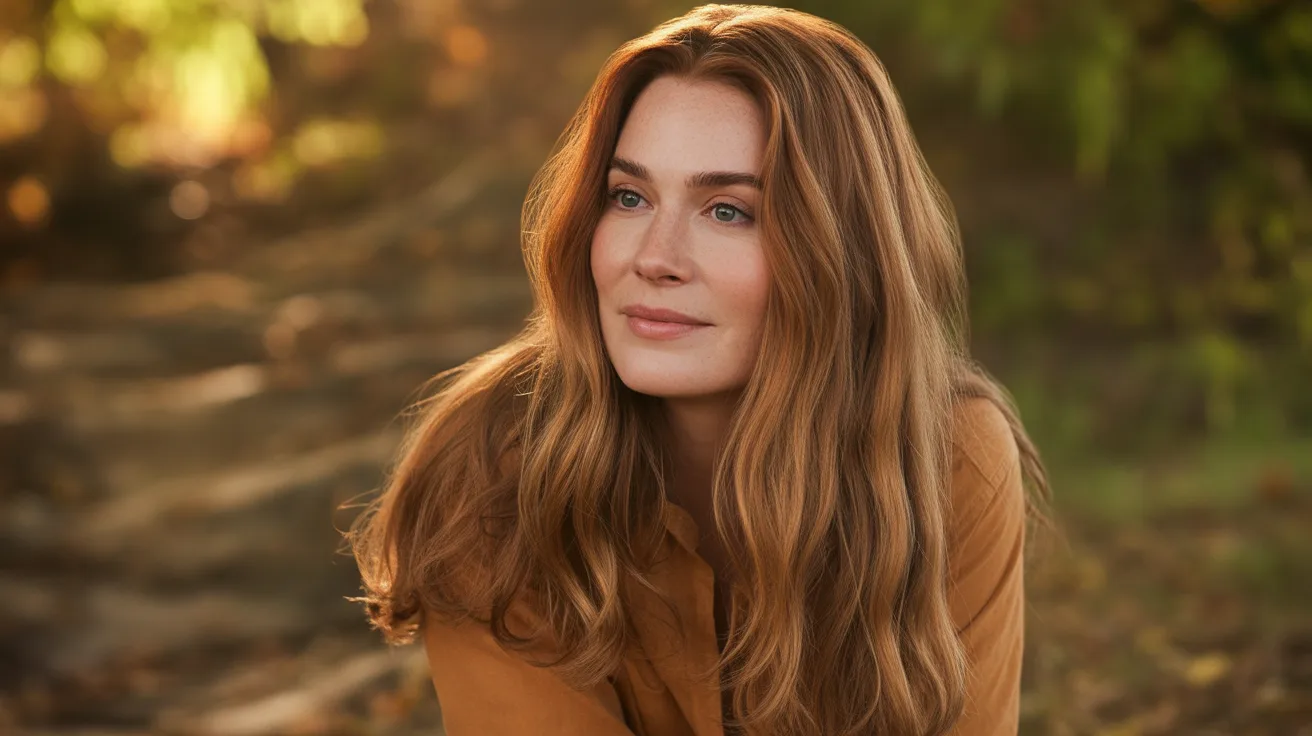
A summer-to-fall transition style starts with a brighter warm tone and is gradually deepened over a few salon visits as the cooler seasons arrive. After trying this gradual approach, the transition always looks much more natural than making a sudden color change.
The starting point is usually a sunlit, bright warm finish that slowly moves into a richer, deeper version of the same color family. This approach keeps the hair looking seasonally appropriate without requiring a complete color overhaul.
24. Glossy Mirror Finish
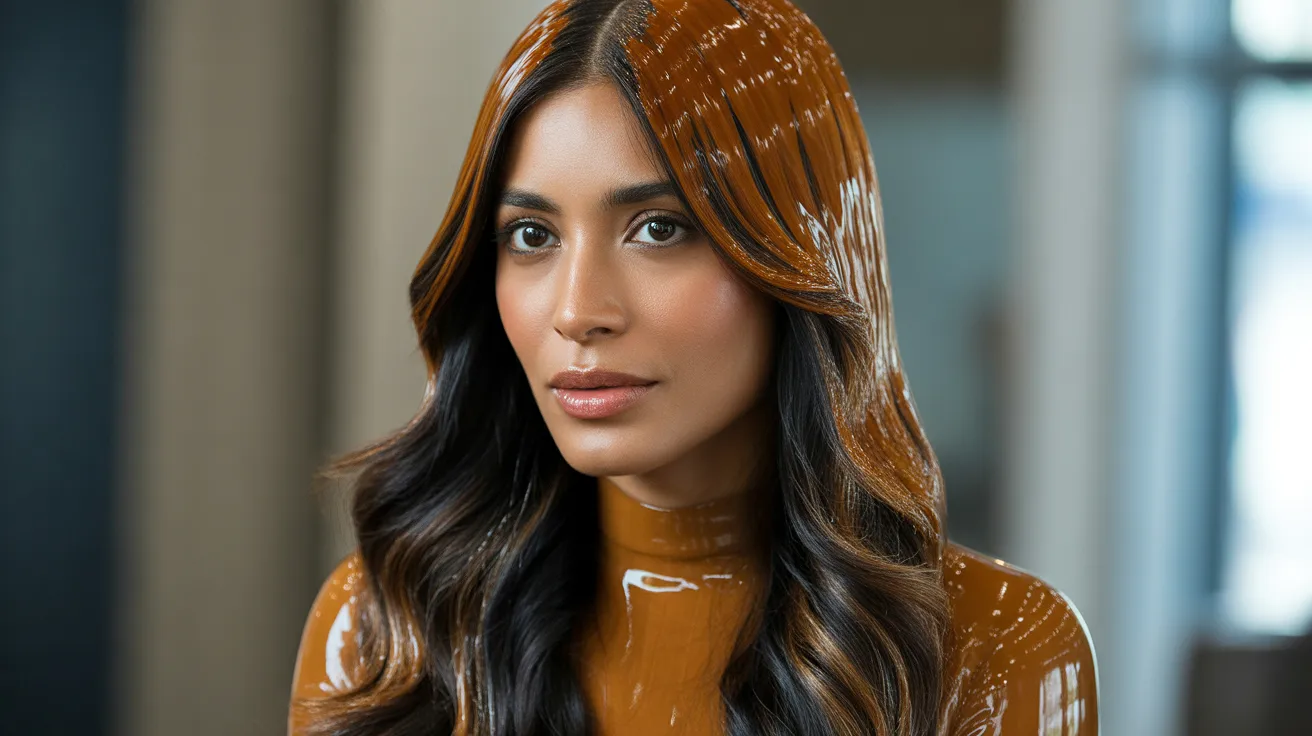
A glossy mirror finish is achieved by combining warm color placement with a clear or tinted gloss treatment applied over the top. The caramel highlights placed underneath the gloss appear deeper and more saturated, which gives the hair a very polished, high-end look.
After trying this combination service, the gloss adds a significant amount of shine that makes the warm color appear much more vivid and fresh. It is a finishing step that makes a real difference in how professional and salon-worthy the result looks.
25. Full Head Warm Saturation
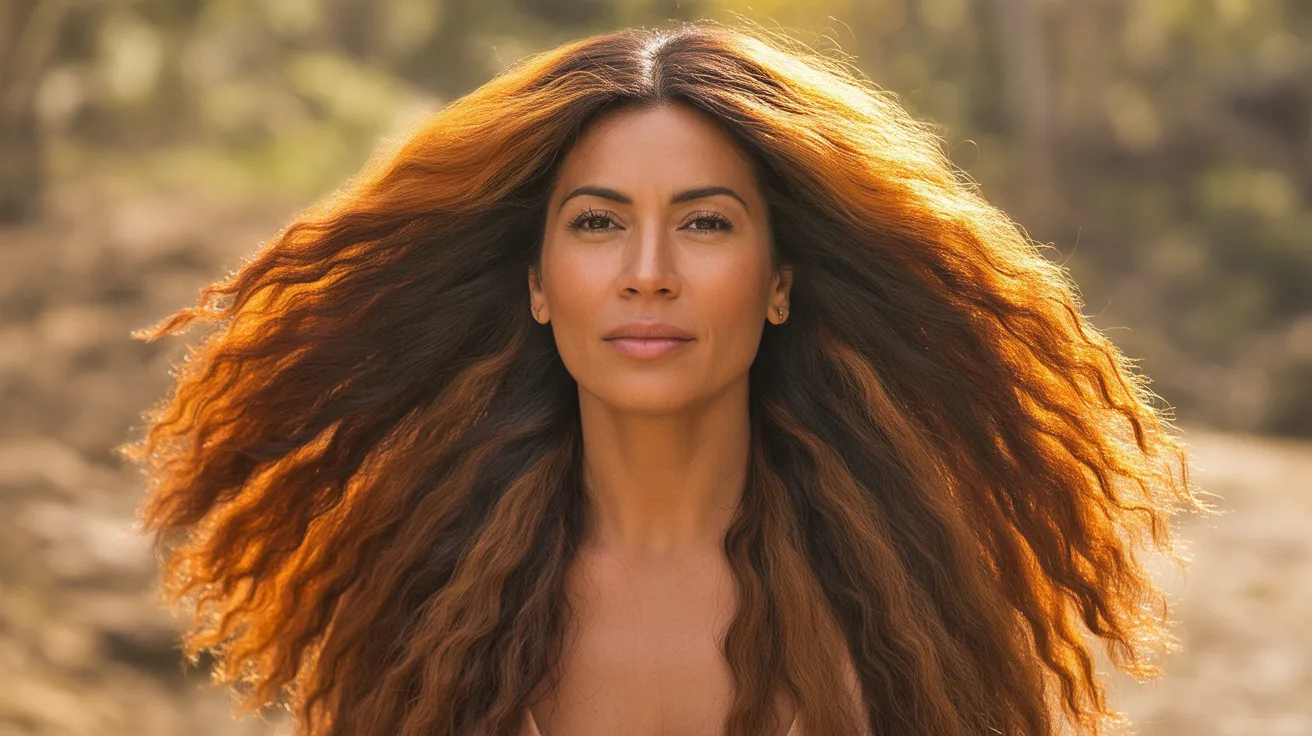
A full head warm color service saturates the entire hair from root to tip in a consistent warm tone rather than focusing color on specific sections. During regular use, this approach delivers the most dramatic and even transformation of any technique on this list.
On a normal setup with a lighter natural base, the full saturation creates a very rich and consistent warm finish that looks striking in all lighting conditions. It is the right choice for someone who wants a complete color transformation rather than a subtle enhancement.
Conclusion
All twenty-five of these styles offer something different depending on what a person is looking for in a warm hair color change. The right choice depends on the natural base color, hair texture, maintenance preferences, and how dramatic a change feels comfortable.
Caramel highlights remain one of the most versatile and wearable color options available in 2026, and that is unlikely to change anytime soon. Whether the goal is subtle warmth or a full transformation, there is a placement and technique within this list that will suit the need.